
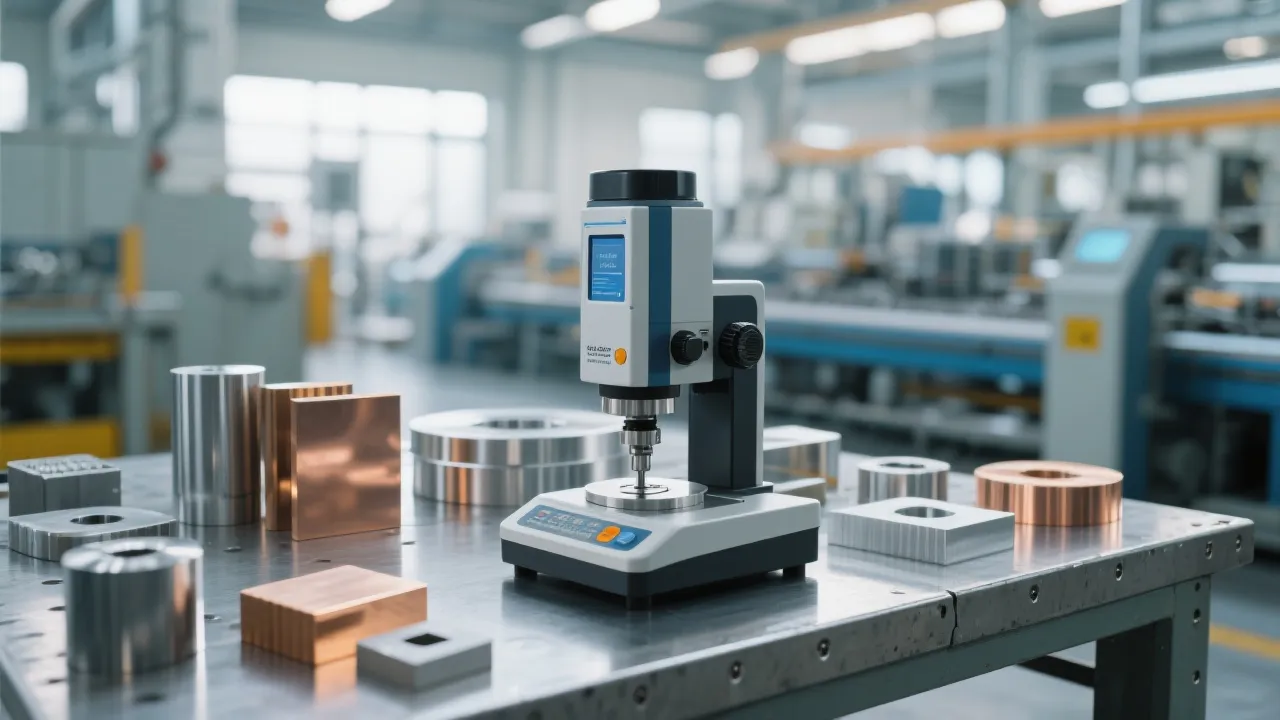
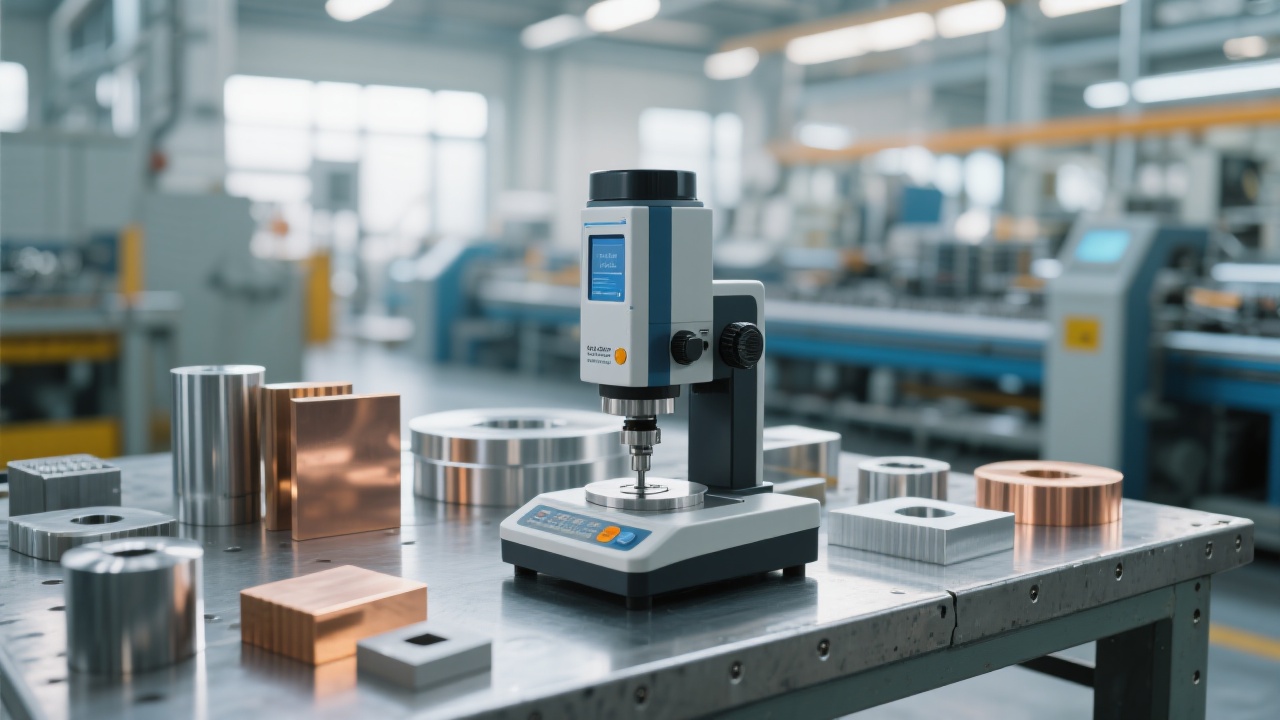
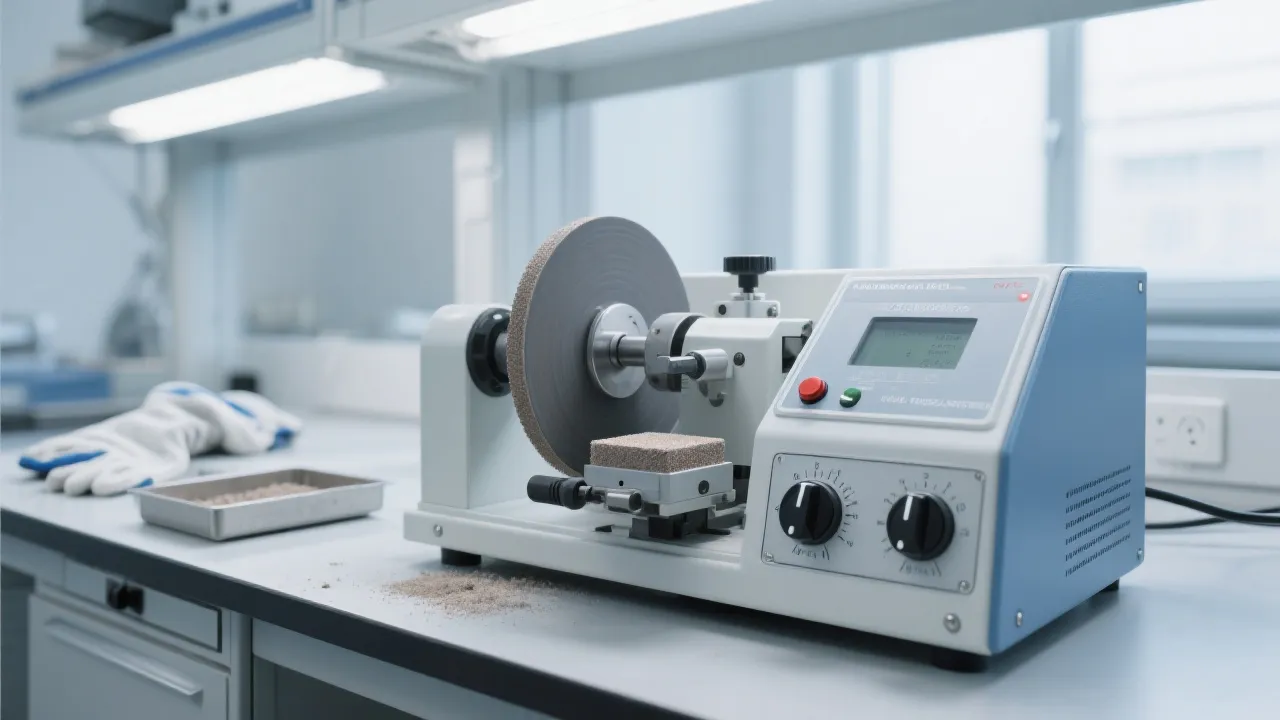
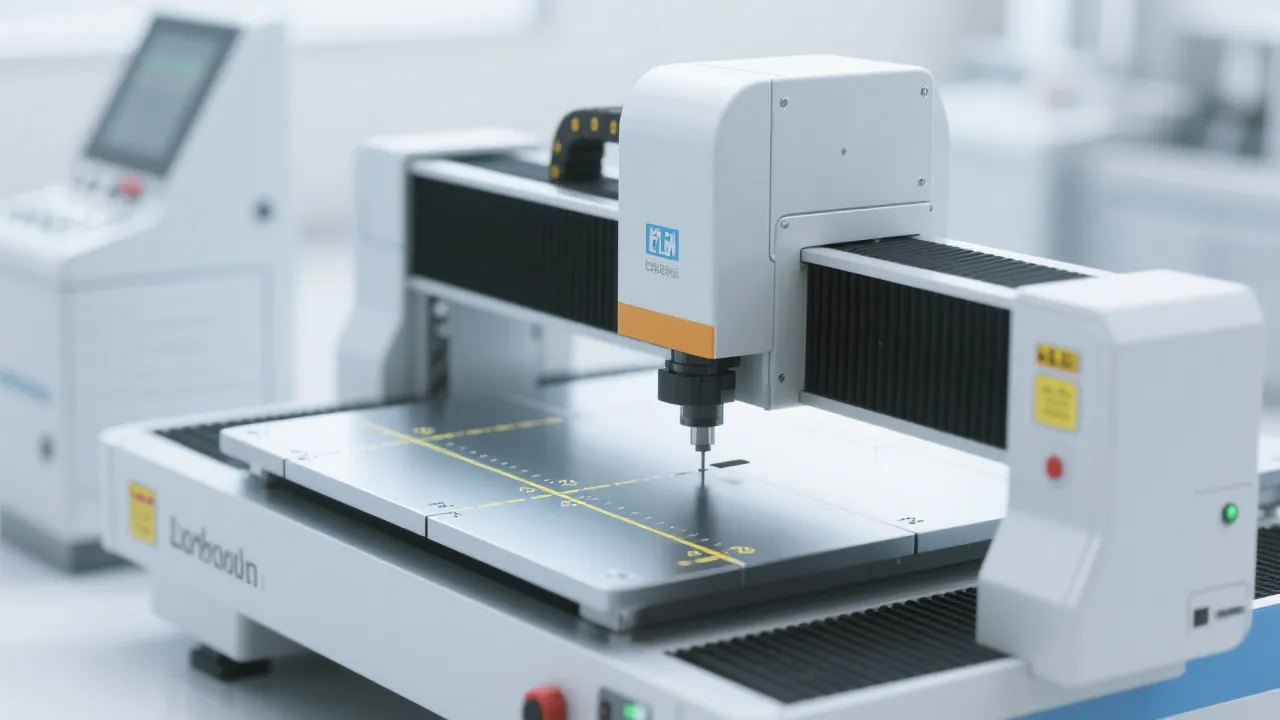
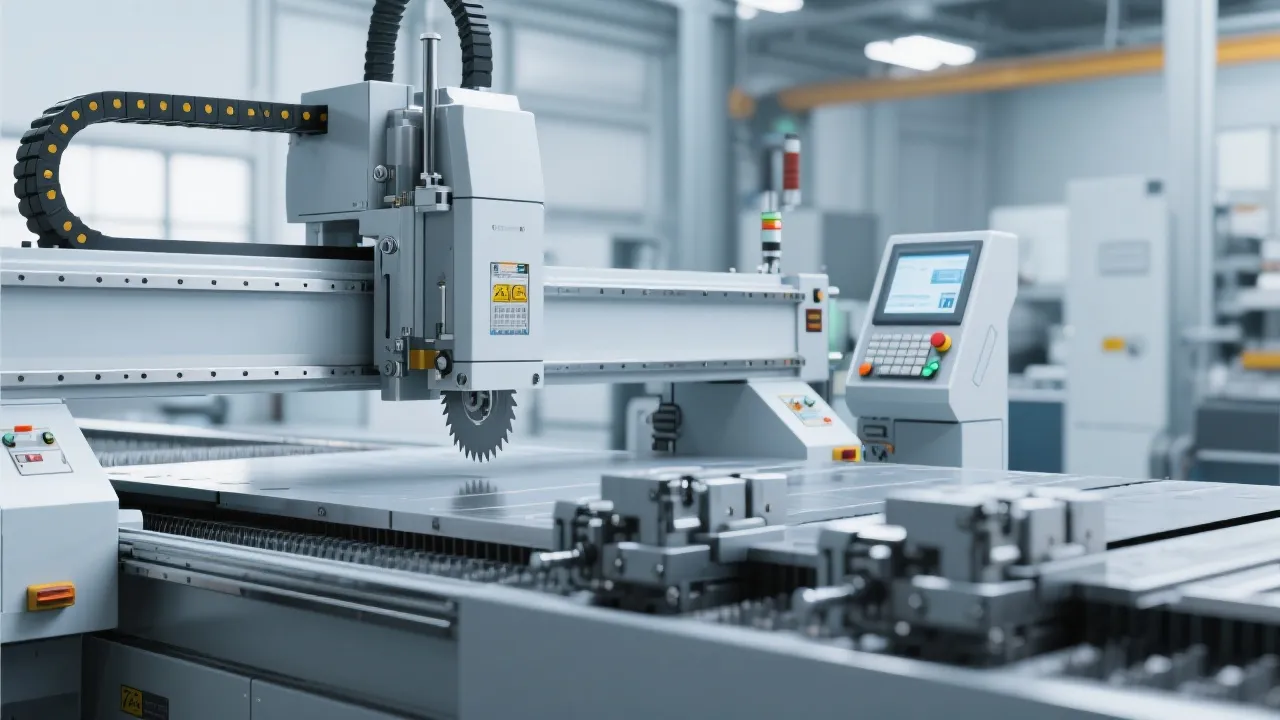
When it comes to purchasing a metallographic cutting machine, such as the Laizhou Jincheng Q - 2 manual metallographic cutting machine, it is crucial to select the appropriate model and accessories according to different materials and testing requirements. For metallic materials, which have different hardness and ductility, a more powerful cutting machine with a suitable blade is needed. For example, hard metals like stainless steel require a high - strength blade and a machine with sufficient power to ensure clean cuts. Non - metallic materials, on the other hand, may need different cutting techniques. Some non - metals are brittle, and a machine with gentle cutting force can prevent material breakage. By carefully considering these factors, users can choose a machine that meets their specific needs, which is the first step in ensuring efficient and high - quality cutting operations.
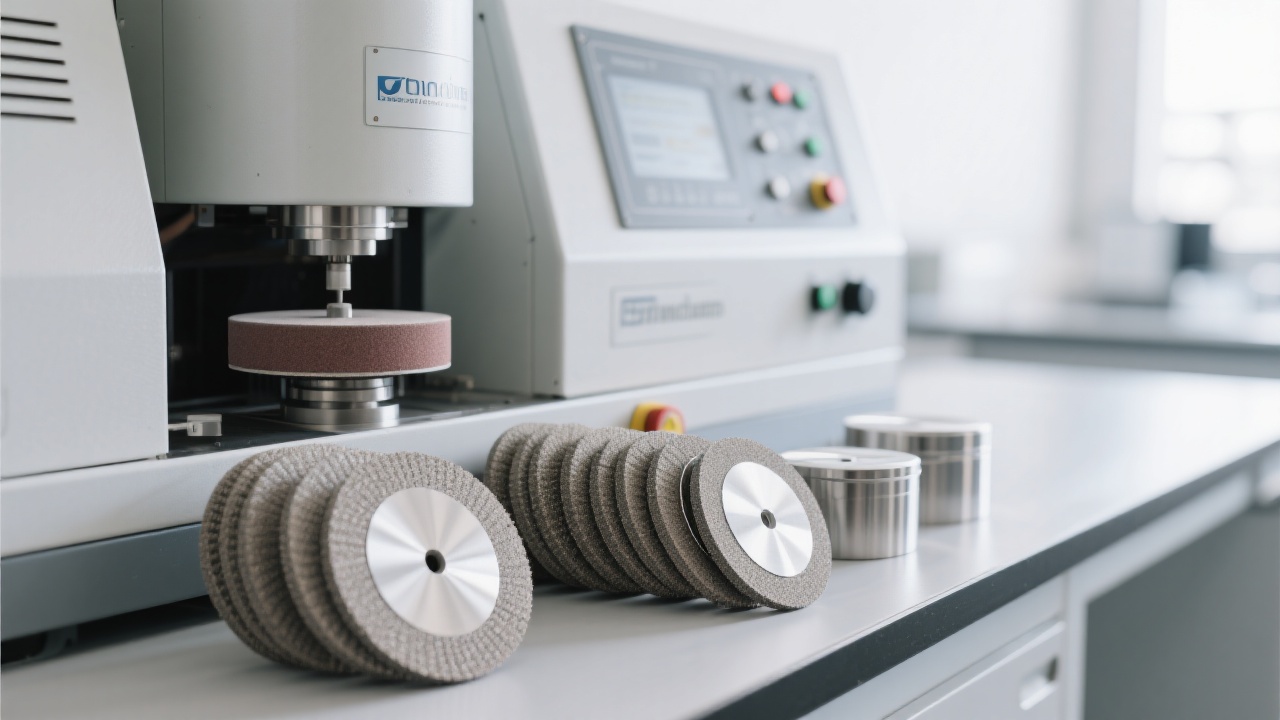
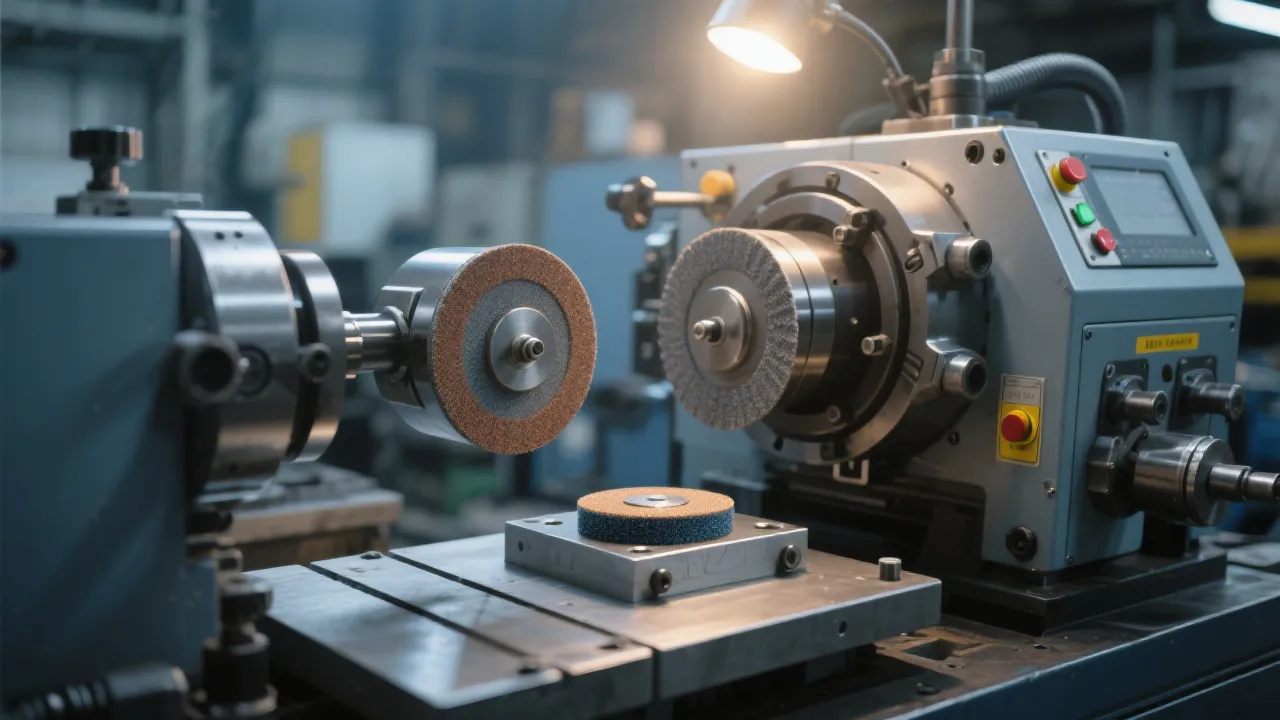
The performance indicators of reinforced grinding wheels have a significant impact on cutting efficiency and sample quality. The grain size of the grinding wheel affects the smoothness of the cut surface. A finer grain size can produce a smoother surface, which is crucial for accurate testing. The bond strength of the grinding wheel also matters. A strong bond can hold the abrasive grains firmly, ensuring stable cutting performance. For instance, in a laboratory where high - precision samples are required, using a grinding wheel with appropriate performance indicators can improve the cutting efficiency by up to 30% and significantly enhance the quality of the samples. Laizhou Jincheng pays great attention to the selection and research of grinding wheels, providing users with high - quality grinding wheels that can effectively meet different cutting requirements.
The cooling system of a metallographic cutting machine plays a vital role in reducing thermal damage to the equipment and extending its service life. The cooling system works by circulating coolant to absorb the heat generated during the cutting process. Regular maintenance of the cooling system is essential. First, the coolant level should be checked regularly, and it should be replaced in time when it becomes dirty. The filter of the cooling system also needs to be cleaned or replaced periodically to ensure smooth coolant flow. By following these maintenance steps, the service life of the cutting machine can be extended by up to 50%. Laizhou Jincheng provides detailed maintenance guides for its cooling systems, helping users to carry out proper maintenance easily.
Typical fault types of metallographic cutting machines include blade wear, coolant leakage, and electrical failures. To quickly diagnose and exclude these faults, a systematic process is needed. For blade wear, users can check the cutting performance and the appearance of the blade. If the cutting becomes slow or the cut surface is rough, the blade may need to be replaced. For coolant leakage, visual inspection of the coolant pipes and connections can help locate the problem. Electrical failures require more professional inspection tools, such as multimeters. By following these diagnostic processes, users can quickly identify and solve problems, reducing maintenance costs and equipment downtime. Laizhou Jincheng has rich experience in fault diagnosis and provides users with a detailed troubleshooting guide, which can effectively help users solve problems in a short time.
Laizhou Jincheng's products comply with international standards such as ASTM and ISO. This compliance not only enhances the authority of the products but also ensures that the products can be used in international testing and production environments. By following these standards, the company's products can meet the strict requirements of different industries, helping users to achieve their quality control goals more effectively.
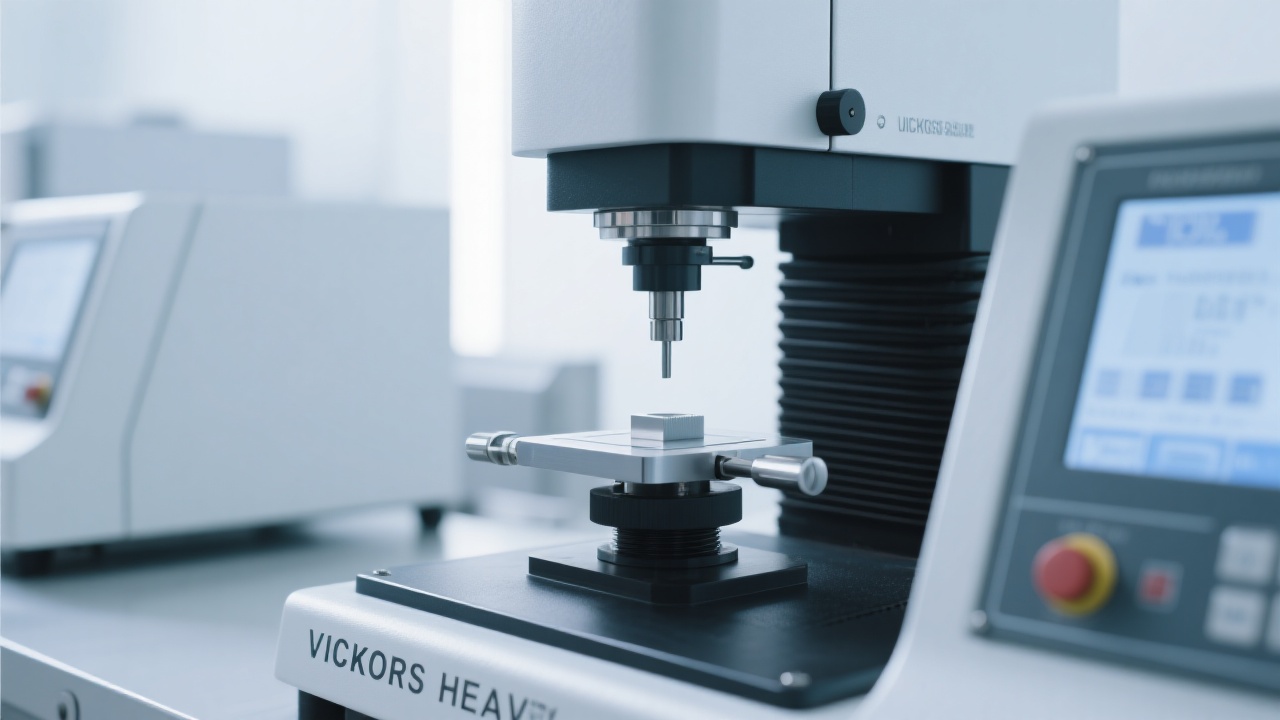
Discover More about Laizhou Jincheng's Metallographic Cutting Machines and Their Excellent Services
 metallographic grinding and polishing machine
material quality control
sample preparation optimization
grinding speed adjustment
technical training for quality inspection
Metallographic sample preparation
SQ-60 high efficiency metal cutting machine
Data stability
ASTM E3-11
Intelligent cooling system
Polishing machine enclosure material
Metallographic specimen polishing equipment durability
Laboratory equipment anti - corrosion solution
FRP enclosure maintenance
Industrial polishing machine corrosion resistance
P-2G high-speed double-disc polisher
standardized metal sample polishing
low-noise polishing equipment
ASTM ISO polishing standards
metal sample surface flatness
metallographic grinding machine operation guide
touchscreen metallographic equipment tutorial
four-level constant speed grinding techniques
metallographic sample preparation for beginners
sample grinding process
metallographic grinding and polishing machine
material quality control
sample preparation optimization
grinding speed adjustment
technical training for quality inspection
Metallographic sample preparation
SQ-60 high efficiency metal cutting machine
Data stability
ASTM E3-11
Intelligent cooling system
Polishing machine enclosure material
Metallographic specimen polishing equipment durability
Laboratory equipment anti - corrosion solution
FRP enclosure maintenance
Industrial polishing machine corrosion resistance
P-2G high-speed double-disc polisher
standardized metal sample polishing
low-noise polishing equipment
ASTM ISO polishing standards
metal sample surface flatness
metallographic grinding machine operation guide
touchscreen metallographic equipment tutorial
four-level constant speed grinding techniques
metallographic sample preparation for beginners
sample grinding process



-1.jpg?x-oss-process=image/resize,h_800,m_lfit/format,webp)
