Home > News > SQ-100 Metallographic Cutting Machine: Cooling System Tips | Laizhou Jincheng

How to Prevent Burn Marks on Metallographic Cut Surfaces with the SQ-100

Laizhou Jincheng Industrial Equipment Co.,Ltd
2026-11-25
Laizhou Jincheng explains common cooling system mistakes with the SQ-100 metallographic cutting machine and how to address cut-surface burns through proper setup, coolant use, and cutting parameter adjustments.

Burn marks on a metallographic cut surface can affect sample integrity and make subsequent preparation or examination more difficult. With the SQ-100 metallographic cutting machine, attention to coolant delivery, coolant condition, and cutting parameters can help reduce heat-related surface damage. The guidance below is intended for laboratory technicians and materials testing engineers; always follow the machine instructions and the requirements of your specific sample and procedure.

Key point: Before changing cutting conditions, check that coolant reaches the cutting zone continuously and that the blade, sample, and machine are set up correctly.

Check the cooling system first

Inadequate or interrupted cooling can allow heat to build up where the cutting wheel meets the sample. Inspect the cooling system before cutting and confirm that coolant is delivered to the actual cutting area rather than merely circulating in the tank.

  • Confirm coolant flow: Check for a steady flow and make sure the outlet is not blocked or directed away from the cut.
  • Check the coolant condition: Remove accumulated debris and replace or refresh coolant when its condition or contamination could interfere with effective cooling.
  • Keep the work area clear: Ensure that swarf or other residue does not obstruct coolant circulation around the cutting zone.
  • Verify before starting: Make sure the cooling system is operating as intended before the wheel engages the sample.

Review cutting setup and parameters

Cutting conditions should suit the material, sample dimensions, and cutting wheel. A setup that is too aggressive for the application may increase heat and stress at the cut. Use the SQ-100 according to its operating instructions, and make controlled adjustments rather than changing several variables at once.

What to review Practical check
Cutting feed Use a controlled feed appropriate to the sample and wheel; avoid forcing the cut.
Cutting wheel Confirm that the wheel is suitable for the material and is in usable condition.
Sample clamping Secure the sample correctly to limit movement during cutting.
Cutting approach Follow the equipment instructions and use a consistent approach suited to the sample geometry.

Common mistakes that may contribute to burn marks

  • Starting a cut without confirming coolant flow at the cutting point.
  • Continuing to use coolant that is visibly contaminated or no longer circulating effectively.
  • Applying excessive feed or pressure instead of allowing the cutting wheel to work under controlled conditions.
  • Using a wheel or setup that is not appropriate for the material being prepared.
  • Making multiple parameter changes at once, which makes it harder to identify the source of the problem.

A practical troubleshooting sequence

  1. Pause and inspect: Check the cut surface, sample restraint, wheel condition, and cutting area.
  2. Verify cooling: Confirm continuous coolant delivery to the point of contact and clear any obstruction.
  3. Review the setup: Check that the wheel and clamping arrangement suit the sample and that the machine is being operated as instructed.
  4. Adjust one condition at a time: Make a measured change to the cutting approach or feed, then assess the result on a suitable sample.
  5. Record the outcome: Note the material, wheel, coolant condition, and settings used so the laboratory can repeat a suitable procedure.

Keep sample requirements in view

The appropriate cutting procedure depends on the material and the purpose of the examination. When sample integrity is critical, assess the cut surface as part of the preparation workflow and follow the applicable laboratory procedure and relevant standards. ASTM and ISO references should be applied according to the specific method in use; the recommendations here do not replace those requirements or the SQ-100 operating manual.

Laizhou Jincheng Industrial Equipment Co., Ltd. focuses on metallographic testing and hardness testing equipment. For SQ-100 operation, a systematic check of coolant delivery, cutting setup, and parameter changes provides a practical starting point for investigating burn marks and improving consistency in sample preparation.

Name *
Email *
WhatsApp *
Message *

Recommended Products

Related Reading

Typical Fault Diagnosis and Quick Exclusion Schemes for Metallographic Cutters: Lowering Costs and Downtime, with Laizhou Jincheng's Expertise

2026-02-08 | SQ-100 Metallographic Cutting Machine: Cooling System Tips | Laizhou Jincheng Metallographic cutter selection Metallographic cutter maintenance Cutter fault diagnosis Reinforced grinding wheel specifications Cooling system maintenance

Fiberglass Enclosure for Polishing Machines: Corrosion Resistance & Longevity in Metallography Labs

2026-01-19 | SQ-100 Metallographic Cutting Machine: Cooling System Tips | Laizhou Jincheng polishing machine enclosure material metallography equipment durability fiberglass vs stainless steel lab equipment corrosion resistance industrial polishing machine materials

Common Misconceptions in Metal Hardness Testing: How Sample Surface Cleanliness Affects Results - Insights for Engineers

2026-03-04 | SQ-100 Metallographic Cutting Machine: Cooling System Tips | Laizhou Jincheng metal hardness testing misconceptions impact of sample surface cleanliness Rockwell hardness tester usage skills hardness testing standards GB/T 230.2 electric Rockwell hardness tester advantages

Guide to Troubleshooting Scratches in Metallographic Polishing: Common Causes, Solutions & MP - 1B Advantages

2026-02-26 | SQ-100 Metallographic Cutting Machine: Cooling System Tips | Laizhou Jincheng Metallographic polishing scratch troubleshooting Metallographic sample grinder - polisher usage tips MP - 1B polishing fault solutions Metallographic sample preparation common problems Polishing cloth replacement suggestions

ASTM & ISO Compliant Metallographic Cutting Machine Operation Guide | Precision Sample Prep Tips

2026-02-06 | SQ-100 Metallographic Cutting Machine: Cooling System Tips | Laizhou Jincheng metallographic cutting machine ASTM E3 standard ISO 14106 manual metallography cutter sample preparation technique

Hot Products

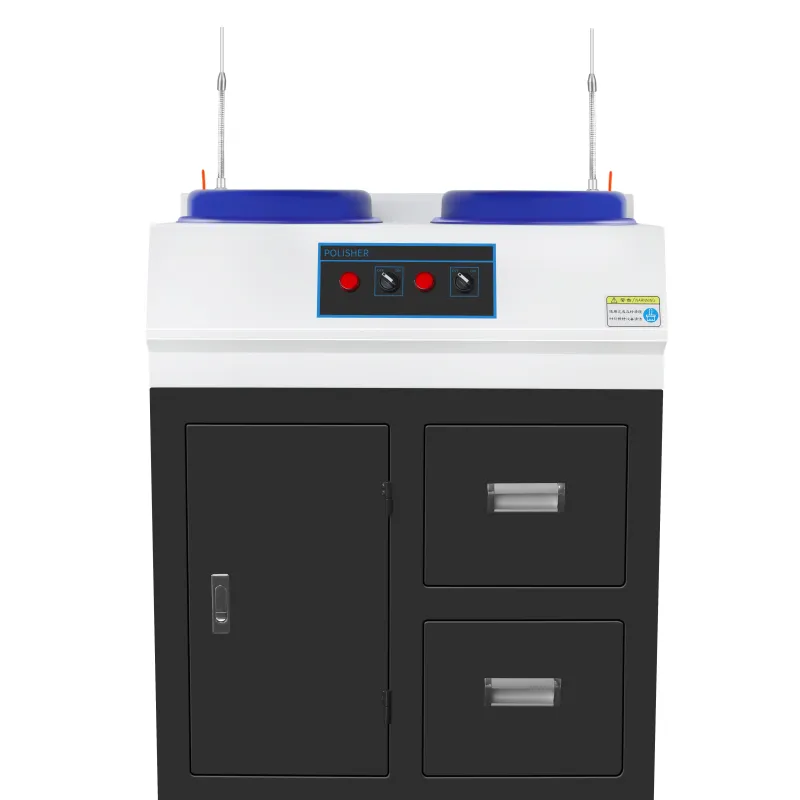
P-2G Dual-Plate Metallographic Polisher for Lab and Industrial Metal Sample Preparation
The P-2G is a purpose-built, dual-plate manual polisher designed by Laizhou Jincheng Industrial Equipment Co., Ltd. for rigorous metallographic sample preparation in both laboratory and industrial environments. It features two polishing disks with independently controlled performance, offering seamless transitions between coarse and fine grinding to optimize workflow and throughput. The unit operates at adjustable speeds from 900 to 1400 rpm, delivering stable rotation with low acoustic emissions for a comfortable working environment. The polishing discs provide a flat, uniform surface essential for reproducible, high-quality metallographic finishes that meet ASTM and ISO standards. Built with a robust, compact frame, the P-2G is suitable for daily, long-term use in mechanical manufacturing, metallurgy, and chemical processing facilities, as well as research institutions. The machine’s straightforward controls—turns, knobs, and quick-change functionality—enable rapid setup and repeatable results, reducing operator fatigue and downtime. The original factory quote and support come from Laizhou Jincheng Industrial Equipment Co., Ltd., and the Jincheng team provides comprehensive after-sales service and technical assistance to ensure customers experience a reliable procurement, deployment, and maintenance process. Whether you are preparing metal alloys, steel, aluminum, or other metallic samples for microstructure analysis, the P-2G delivers consistent, high-quality surfaces with minimal variability across batches.
Popular articles
SQ-100 Metallographic Cutting Machine: Cooling System Tips | Laizhou Jincheng
Recommended Reading
Contact us
Contact us
https://shmuker.oss-accelerate.aliyuncs.com/tmp/temporary/60ec5bd7f8d5a86c84ef79f2/60ec5bdcf8d5a86c84ef7a9a/thumb-prev.png