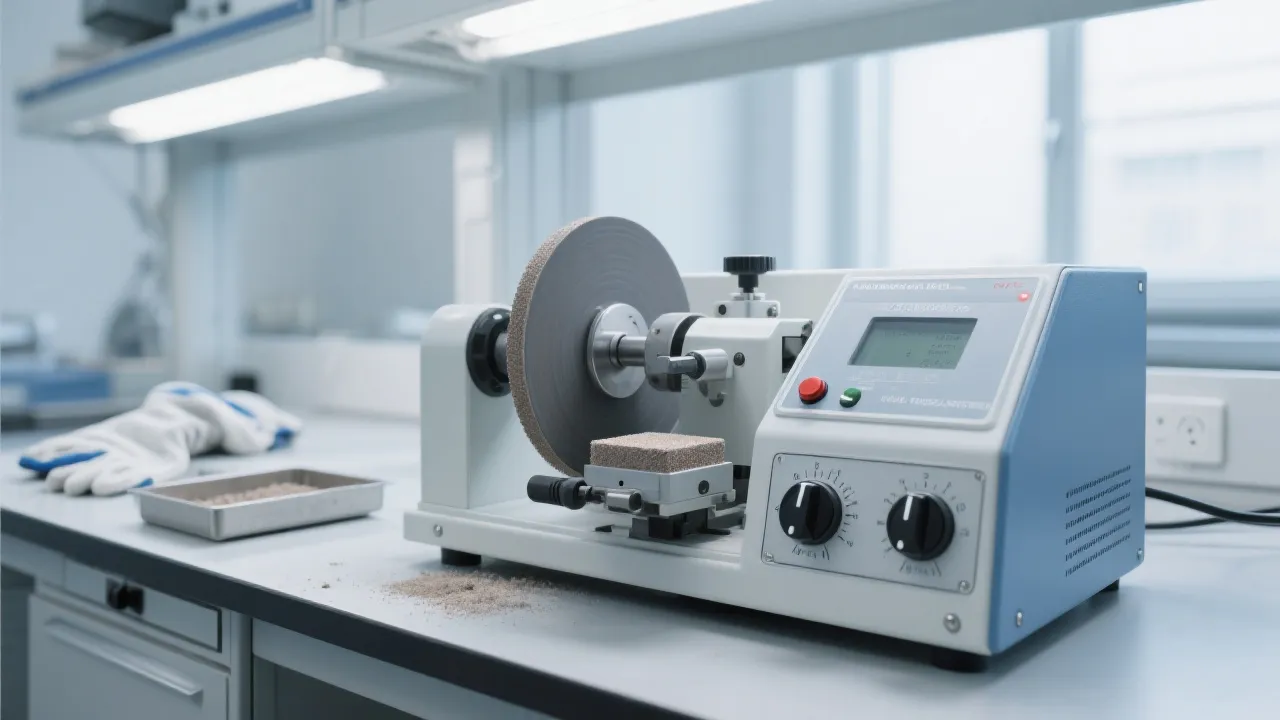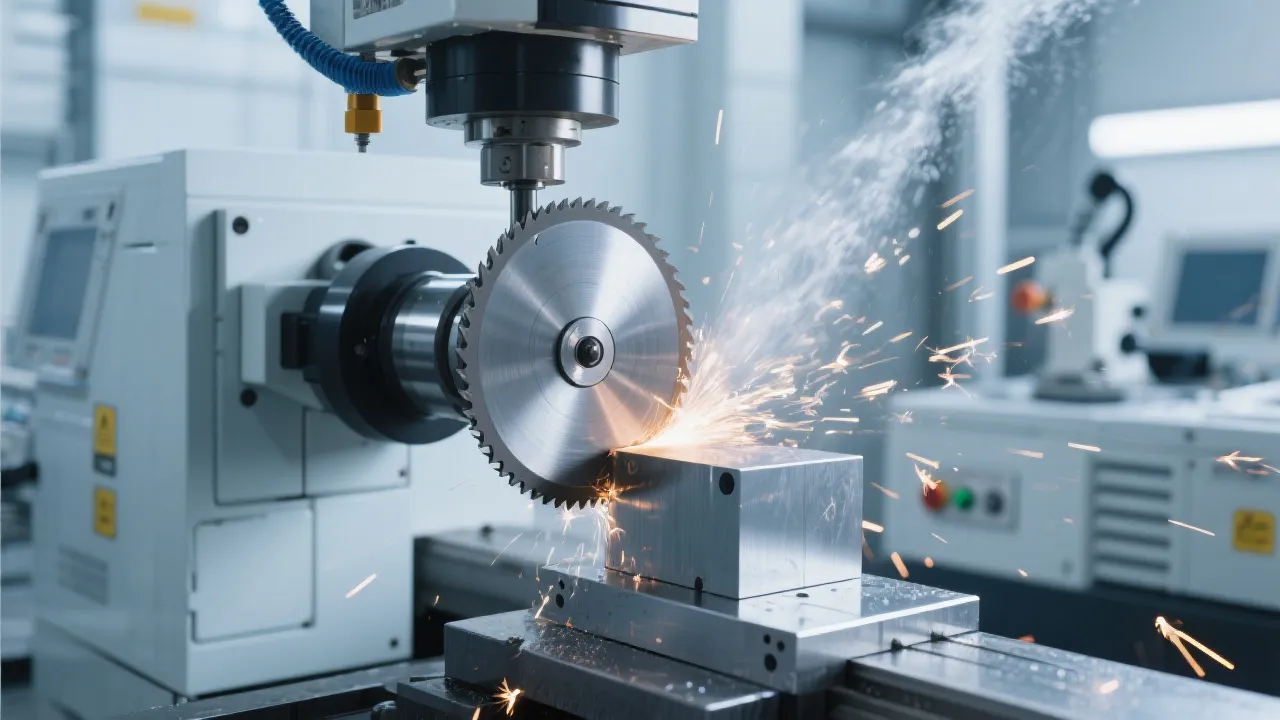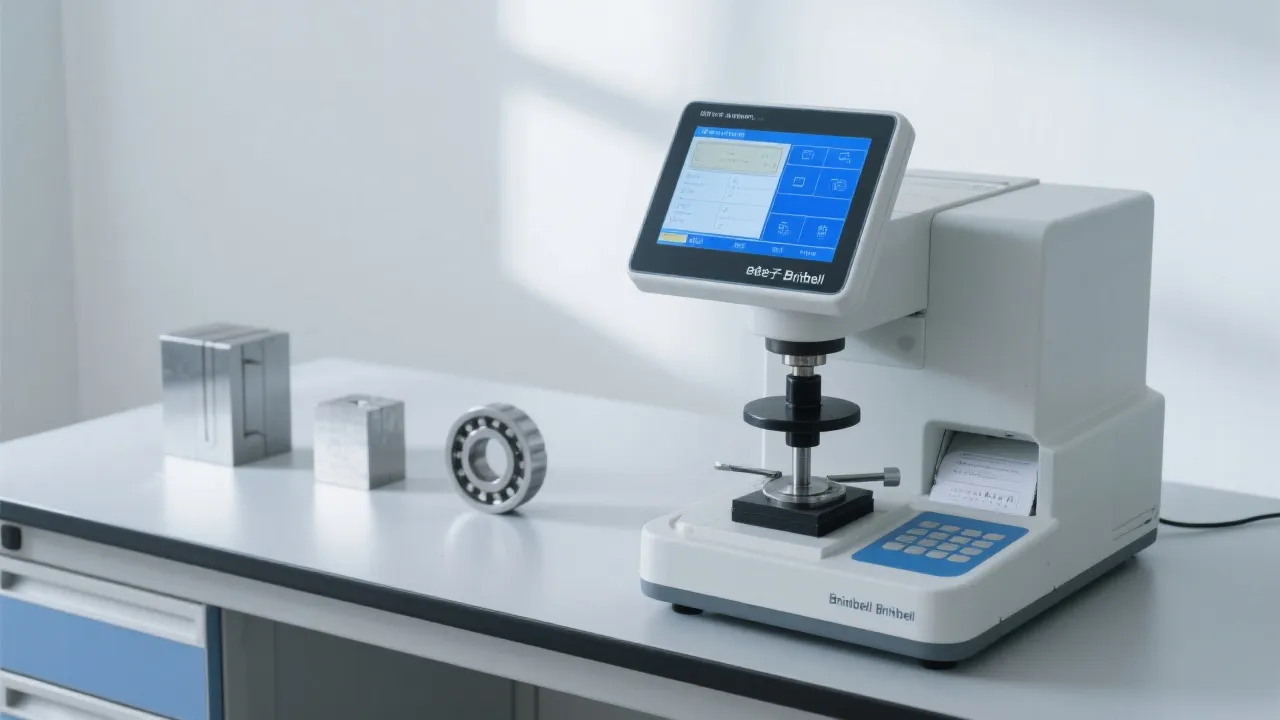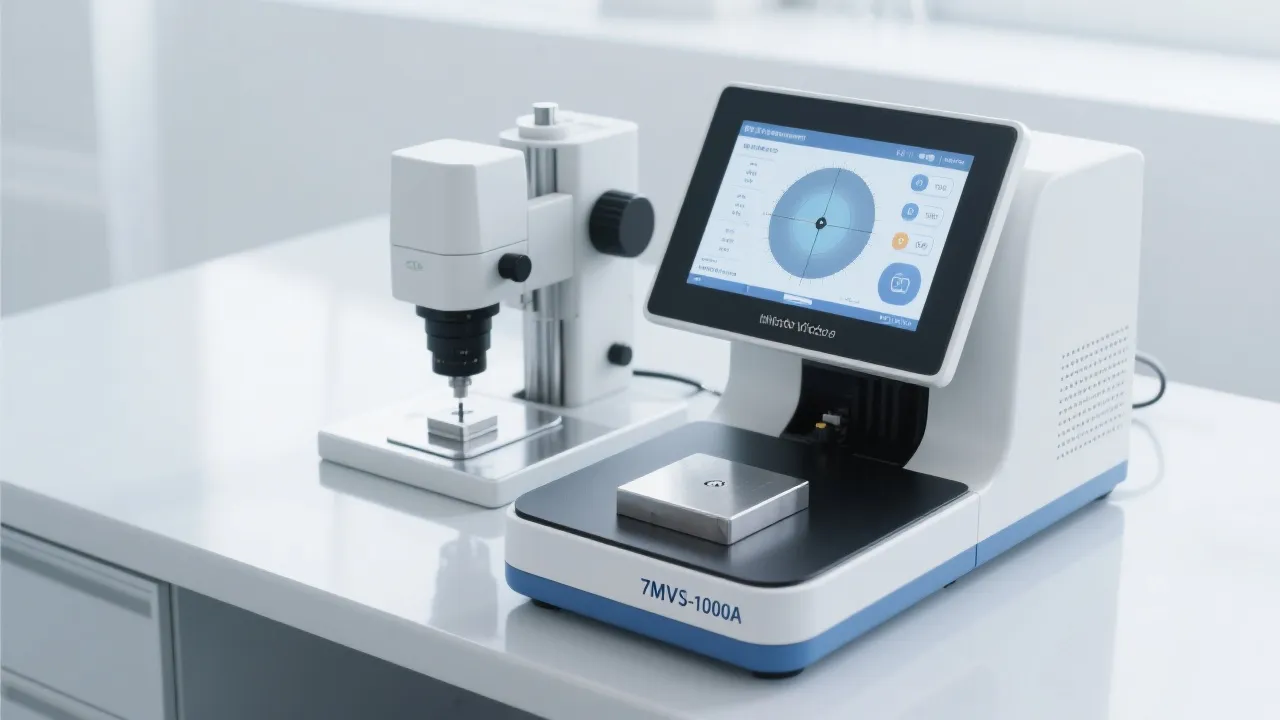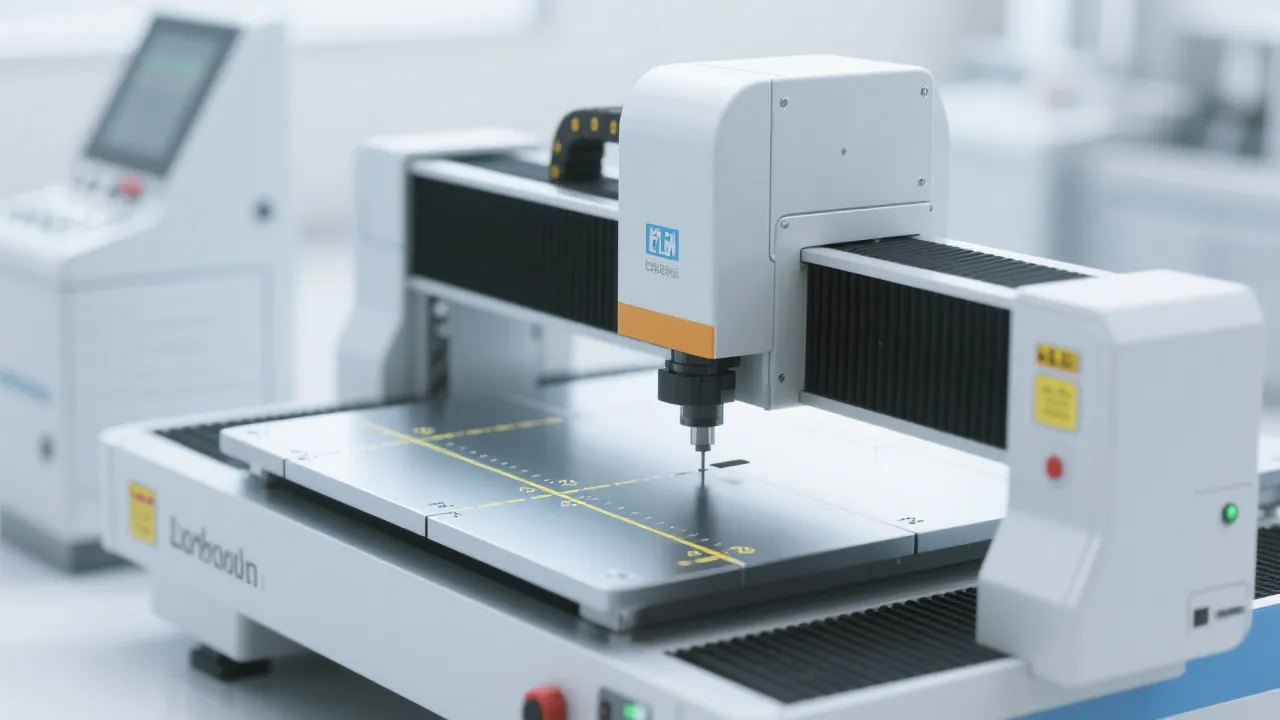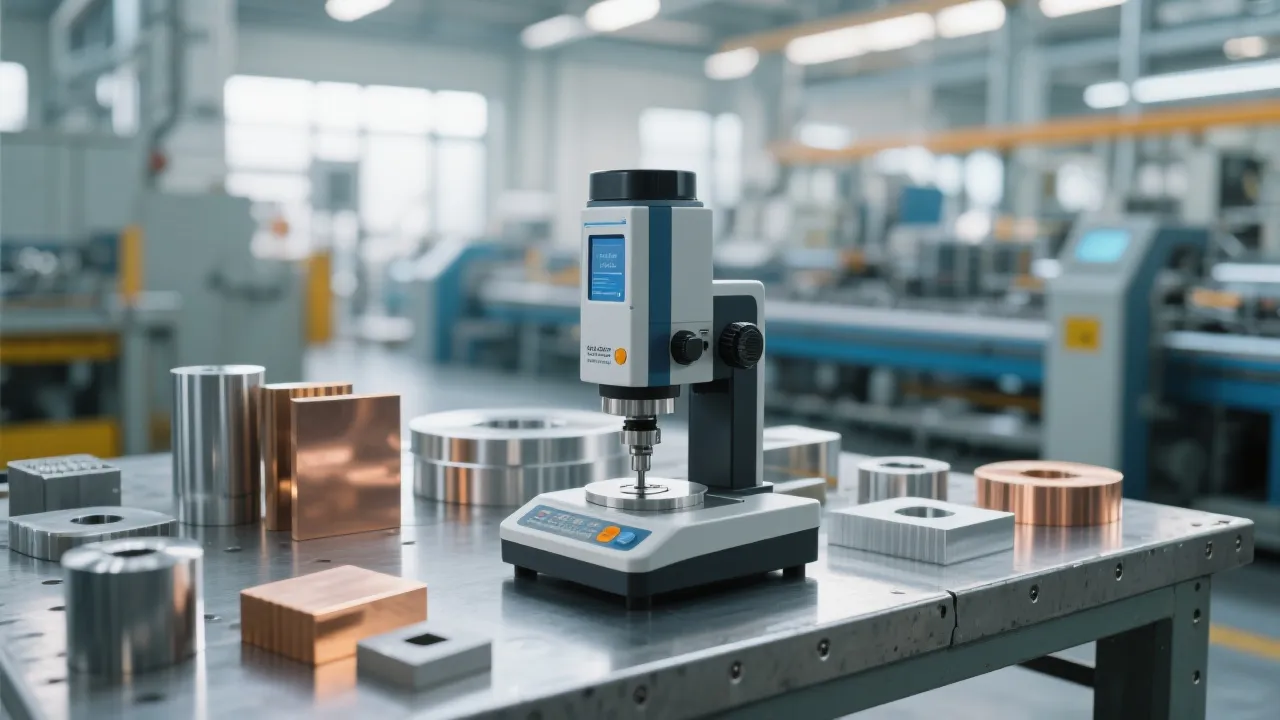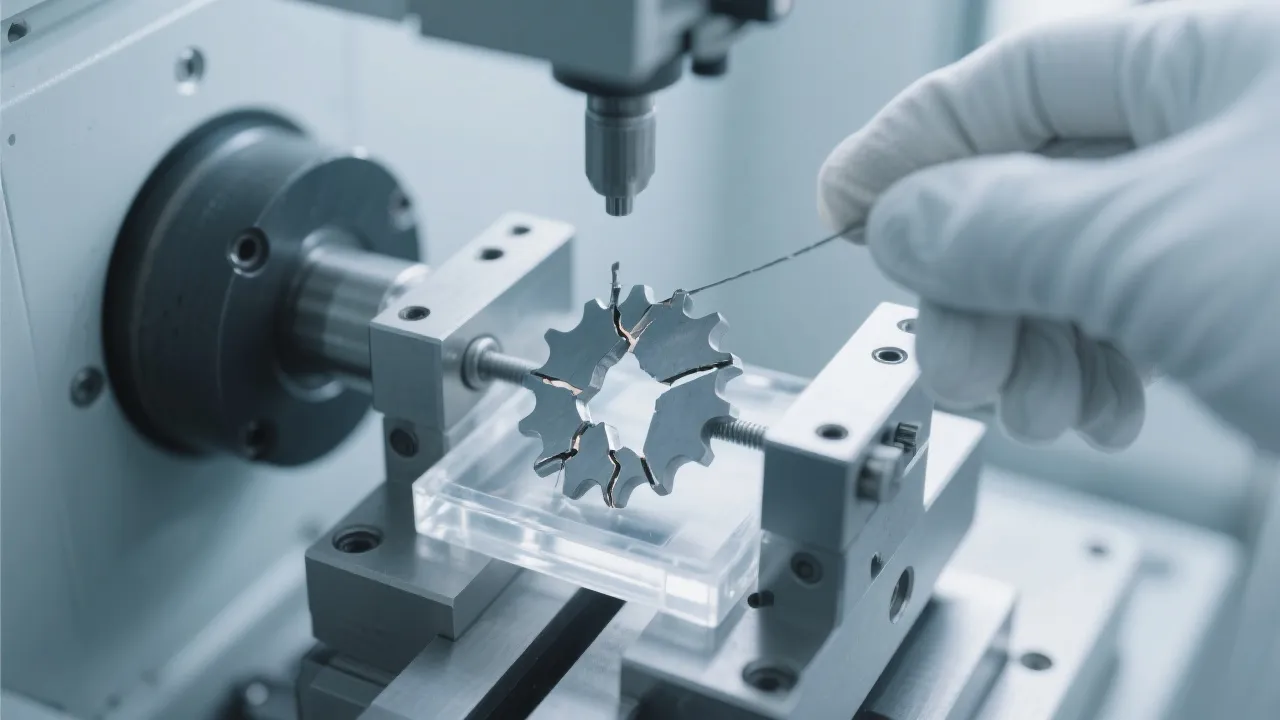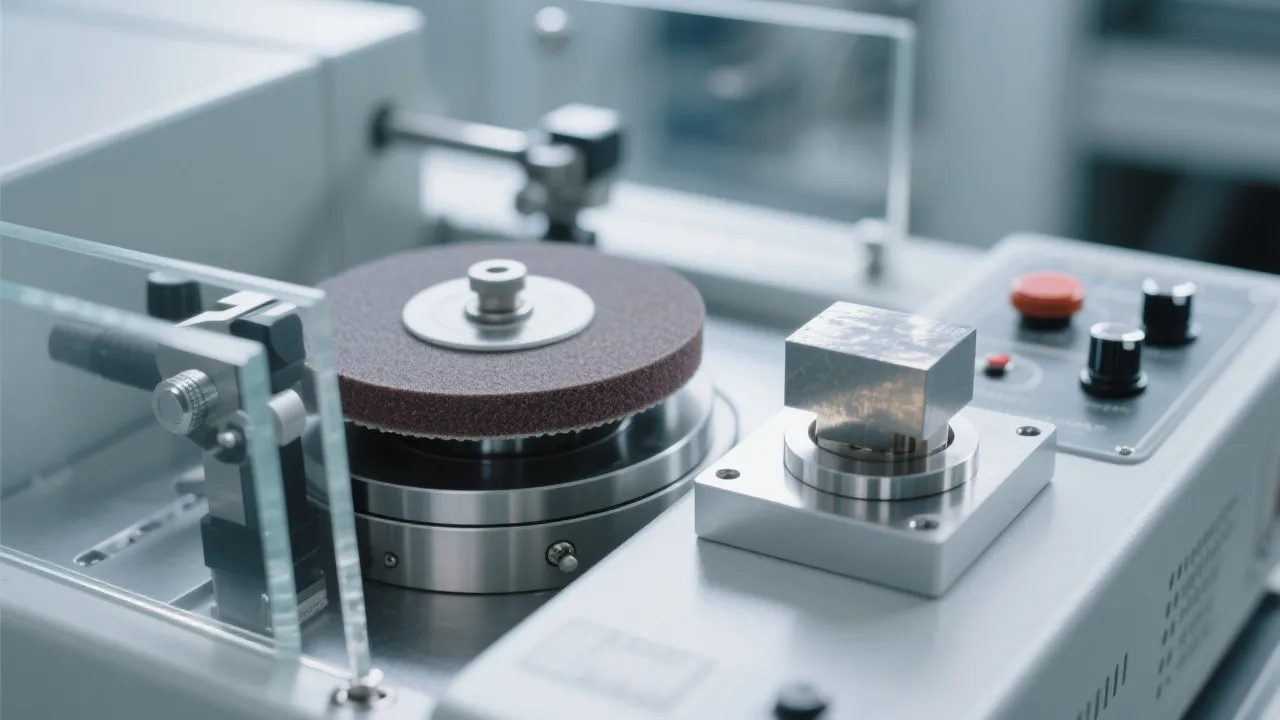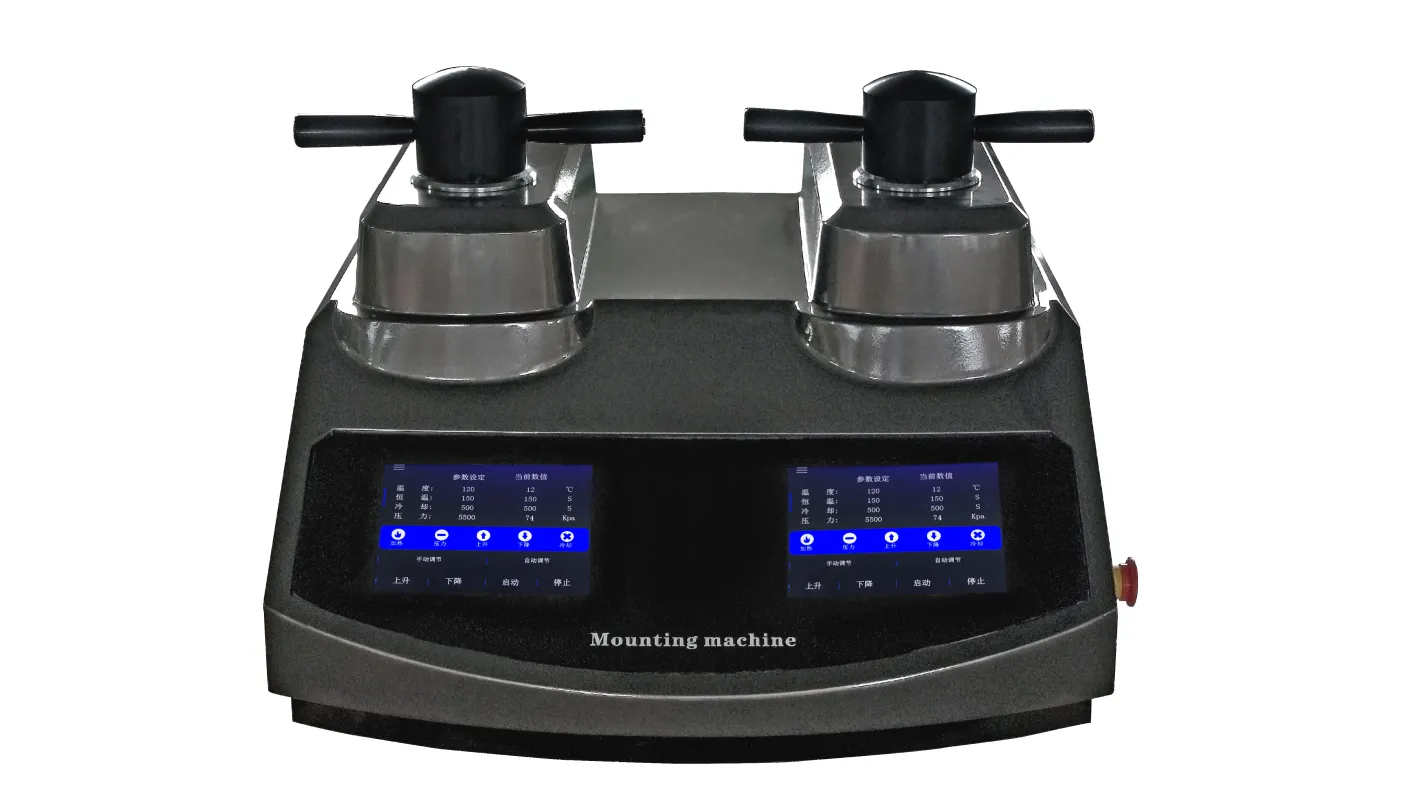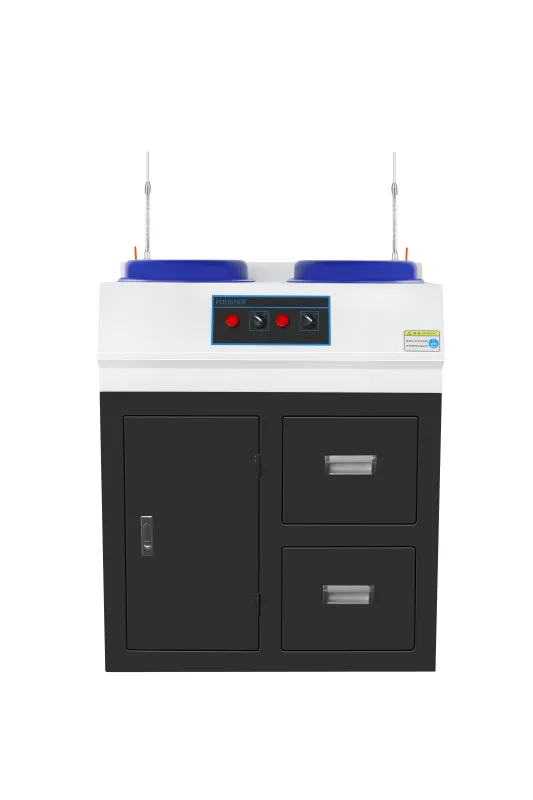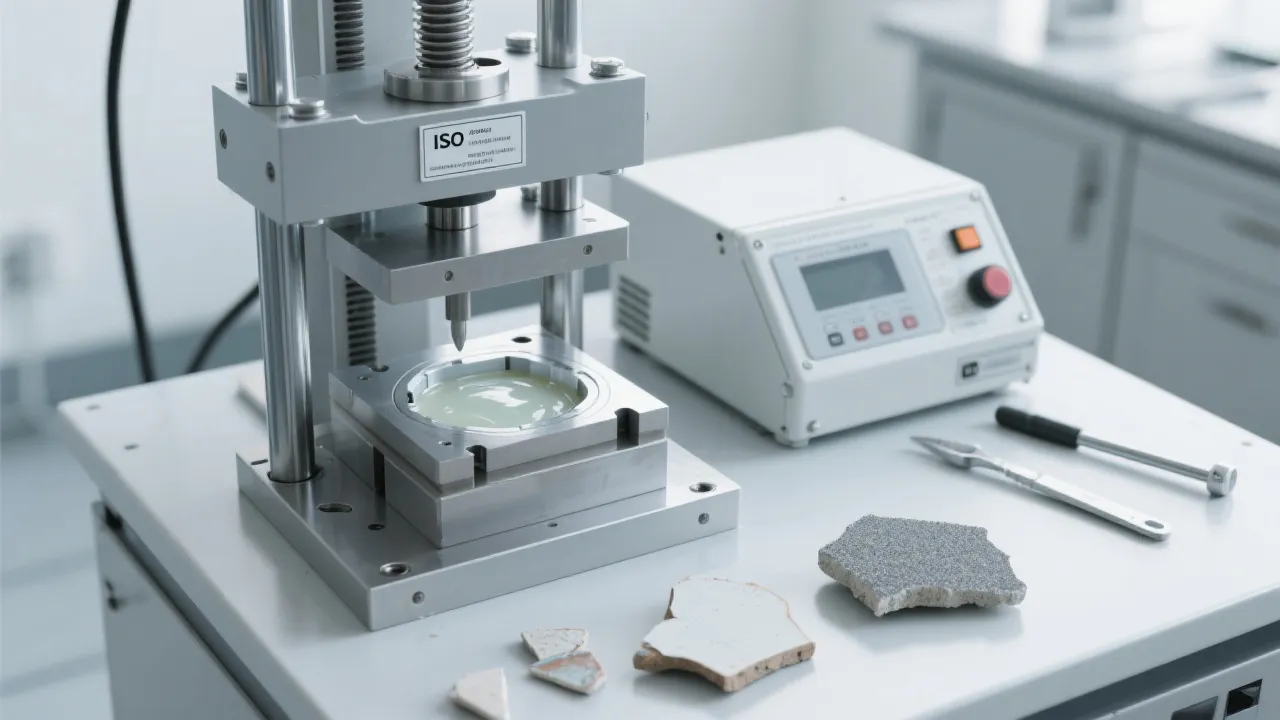
High-precision cutting of ceramics and other hard materials remains a key challenge in advanced manufacturing and scientific research. Burr formation and edge chipping frequently impair cut quality, hampering dimensional accuracy and surface finish. The DS-600 high-precision four-clamp cutting machine by Laizhou Jincheng Industrial Equipment Co., Ltd. offers innovative micro-adjustable feed controls designed to overcome these issues by enabling meticulous parameter tuning adapted to diverse materials.
The feed speed and initial positioning in cutting setups directly influence thermal stress and mechanical forces on the workpiece. Rapid feed rates can generate excessive frictional heat, triggering microcracks and surface burrs, especially in brittle ceramics and gemstones. Conversely, feed rates that are too slow may reduce throughput without effectively improving edge integrity.
For metals, which typically exhibit ductility, slightly higher feed speeds can be tolerated, but initial clamp positioning must prevent micro-slippage that leads to edge deformation. Ceramics require significantly lower feed velocities, often ranging between 20-50 mm/min depending on hardness and thickness, paired with precise clamp alignment to maintain consistent pressure distribution. Gemstones entail an even more delicate balance to avoid chipping, frequently necessitating micro-step feed increments under 10 mm/min.
The DS-600 integrates a four-clamp fixture configuration coupled with automatic limit switches, ensuring exact positioning before and during cuts. This setup reduces human error and maintains repeatability across batches while allowing operators to program feed increments with micron-level precision. The four clamps secure multi-faceted components firmly, minimizing vibrations and uneven clamping forces that typically cause burrs or edge fractures.
Additionally, the automated limit switch feature enhances operational safety and enables unattended processing, critical in high-volume or research environments where consistent quality with minimal supervision is paramount.
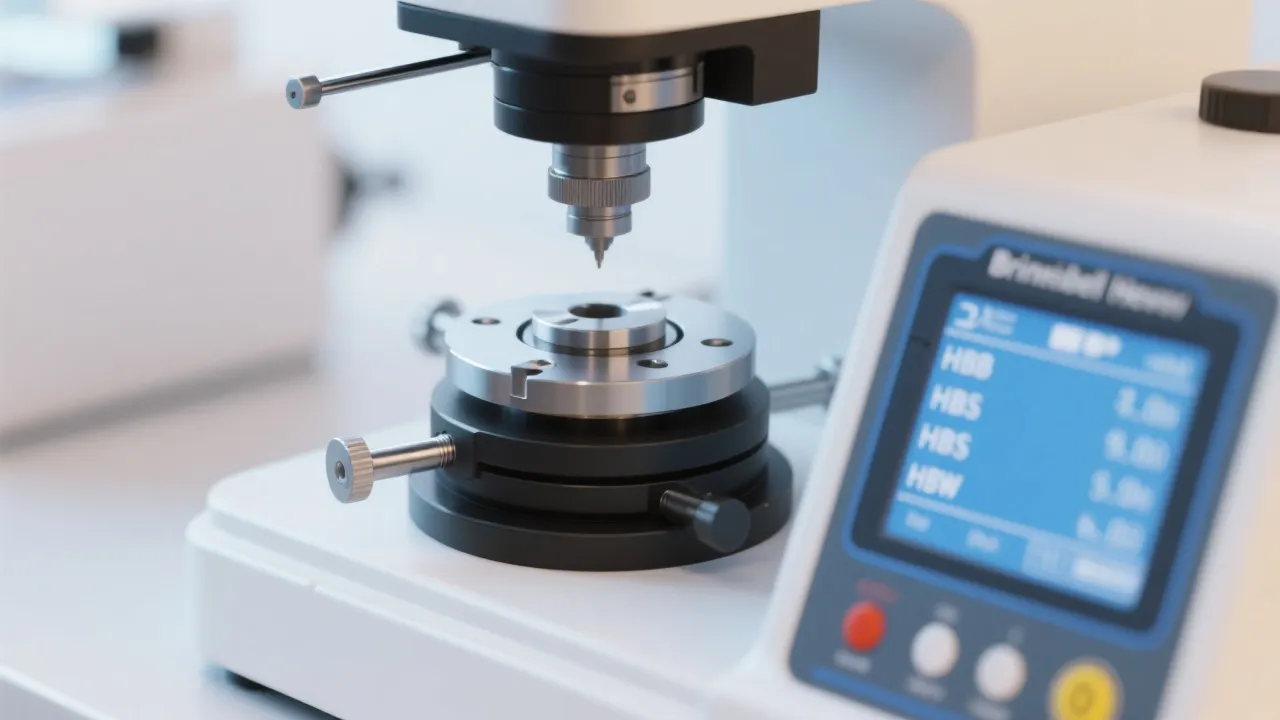
Effective micro-tuning involves iterative trial cuts supplemented by precise measurement and error mapping. Initial calibration begins with test cuts on sample pieces that replicate the thickness and hardness profiles of target materials. Operators can adjust feed speed increments in 5 mm/min steps and fine-tune the clamp’s initial positioning by as little as 0.01 mm. Data from these test runs inform parameter presets stored within the DS-600’s onboard templates.
Common errors such as burr size increase or edge chipping are diagnostic cues indicating excessive feed or insufficient clamp pressure. Systematic logging of these outcomes enables a feedback loop facilitating autonomous parameter optimization over time.
The capability to fine-tune valuable parameters extends the applicability of the DS-600 device beyond ceramics to the precision cutting of electronic components and gemstone crafting. Laboratories benefit from adaptable parameter libraries accommodating rapid experimentation on material composites. Jewelry manufacturers gain the ability to produce consistently flawless cuts on tough stones, while electronics producers enjoy enhanced throughput and edge reliability for sapphire substrates and ceramic insulators.
While precision is paramount, throughput cannot be neglected in production environments. The DS-600 offers configurable feeds enabling users to identify the optimal trade-off point where burr formation is minimized without disproportionately sacrificing output speed. Typically, operators report improvements in edge flatness and size consistency by over 30%, alongside a reduction in rework rates by up to 25%, after employing micro feed adjustments supported by the device’s automation features.
These gains contribute directly to lowering material waste and enhancing downstream processing reliability, critical metrics in industrial fabrication and experimental settings alike.
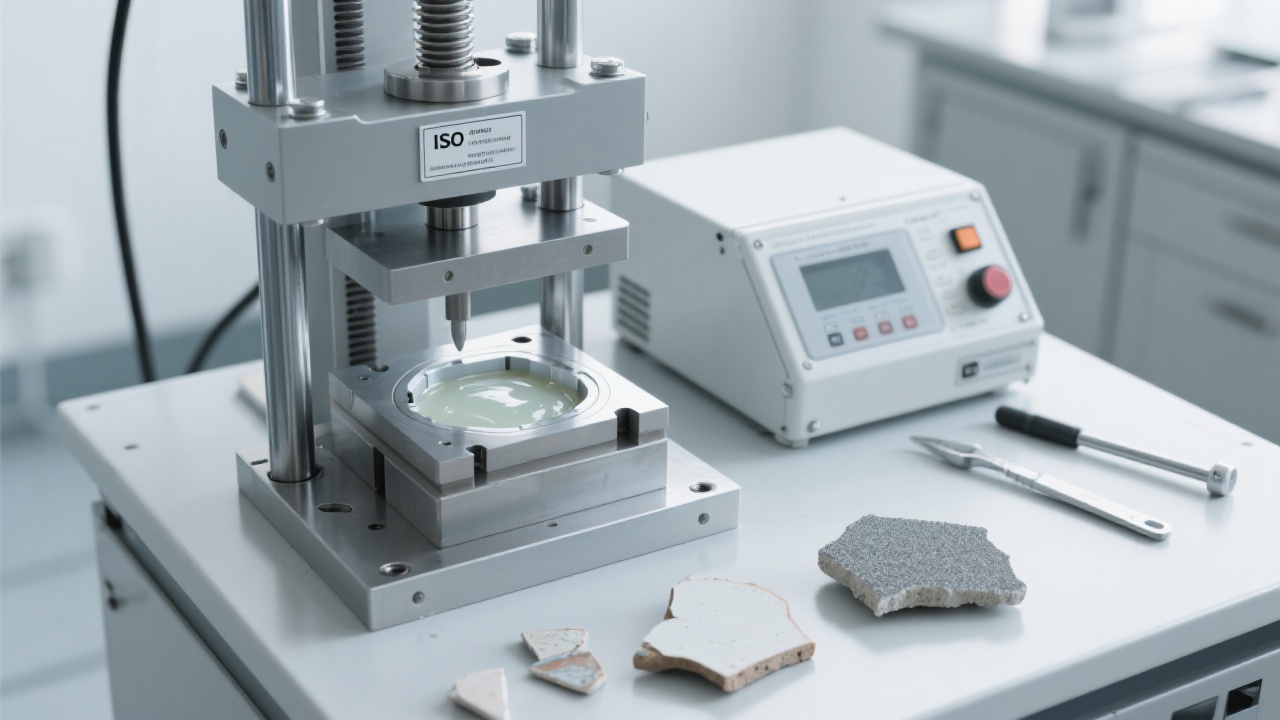
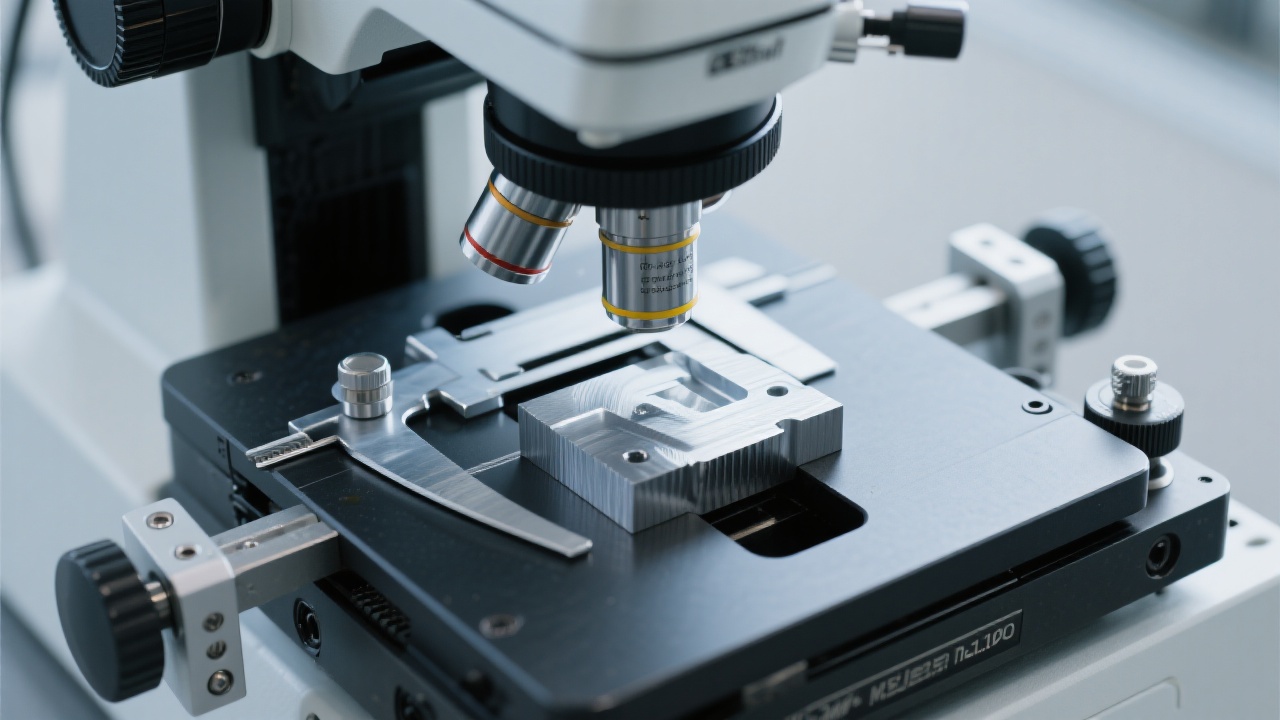
To facilitate rapid adoption of fine-tuning techniques, the inclusion of instructional videos and annotated diagrams is highly recommended. Visual demonstrations of clamp adjustments, feed parameter dialing, and live cutting footage provide tangible insights beyond textual descriptions. Such multimedia learning accelerates proficiency, reducing trial-and-error cycles for operators.
 industrial polishing machine enclosure
fiberglass durability
corrosion resistant equipment
laboratory polishing devices
industrial wear-resistant materials
metallographic grinding machine operation guide
touchscreen metallographic equipment tutorial
four-level constant speed grinding techniques
metallographic sample preparation for beginners
sample grinding process
metallographic polishing scratch troubleshooting
gold sample preparation
MP-1B polishing machine
lab sample quality control
polishing process optimization
metallographic cutting machine selection
metallographic sample preparation
cutting machine cooling system
metallography equipment maintenance
metallographic cutting machine troubleshooting
grinding polishing machine maintenance
laboratory equipment care
extend equipment lifespan
variable speed system calibration
durable polishing machine upkeep
industrial polishing machine enclosure
fiberglass durability
corrosion resistant equipment
laboratory polishing devices
industrial wear-resistant materials
metallographic grinding machine operation guide
touchscreen metallographic equipment tutorial
four-level constant speed grinding techniques
metallographic sample preparation for beginners
sample grinding process
metallographic polishing scratch troubleshooting
gold sample preparation
MP-1B polishing machine
lab sample quality control
polishing process optimization
metallographic cutting machine selection
metallographic sample preparation
cutting machine cooling system
metallography equipment maintenance
metallographic cutting machine troubleshooting
grinding polishing machine maintenance
laboratory equipment care
extend equipment lifespan
variable speed system calibration
durable polishing machine upkeep