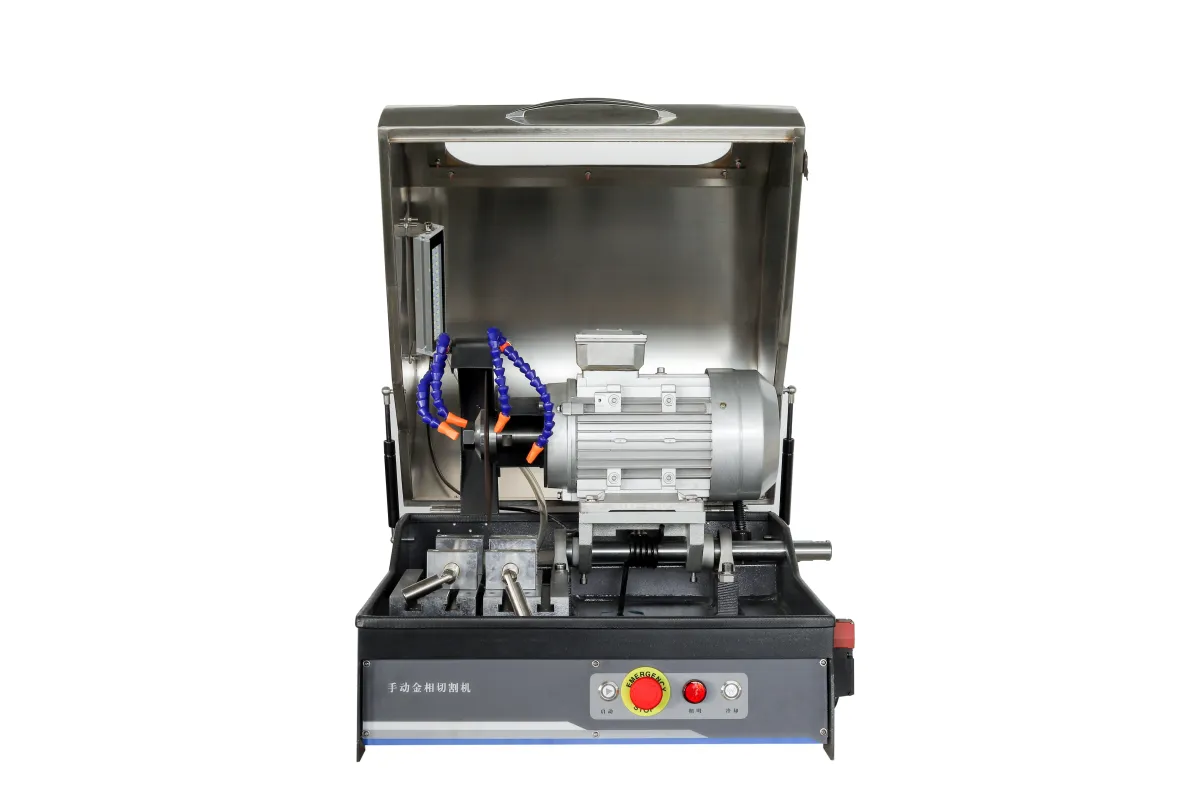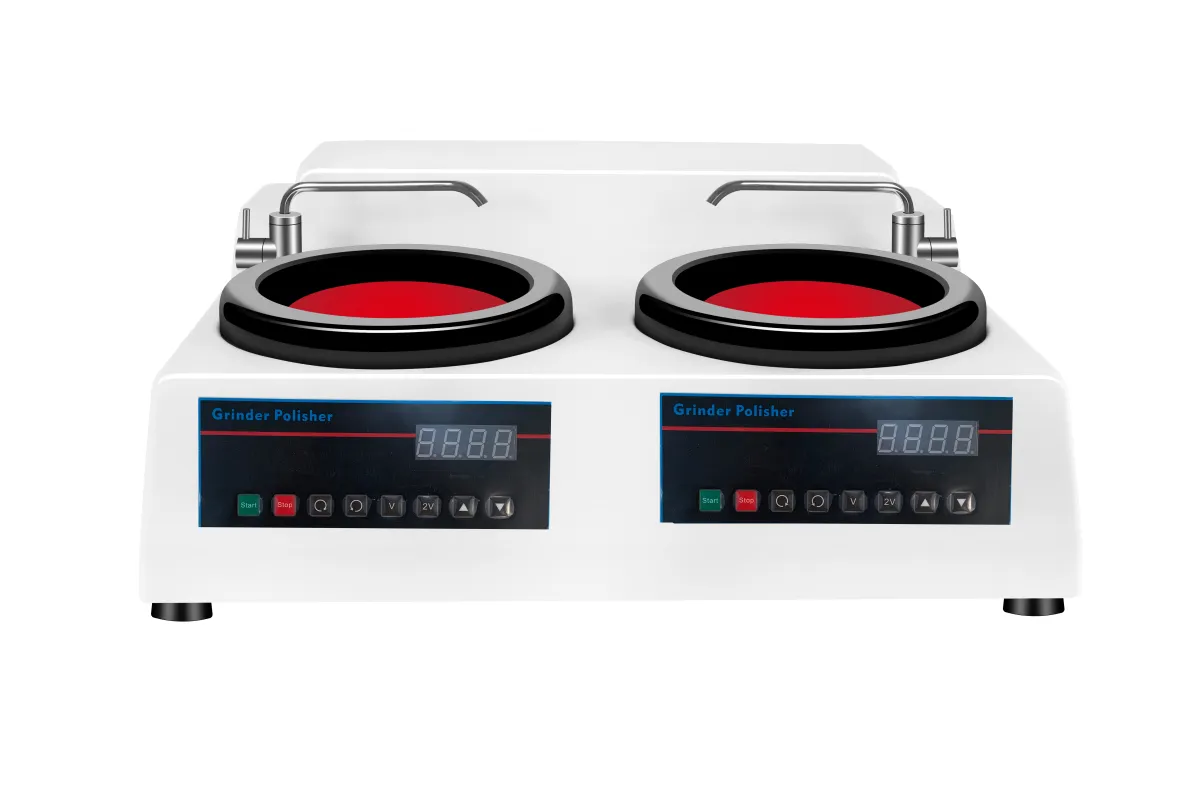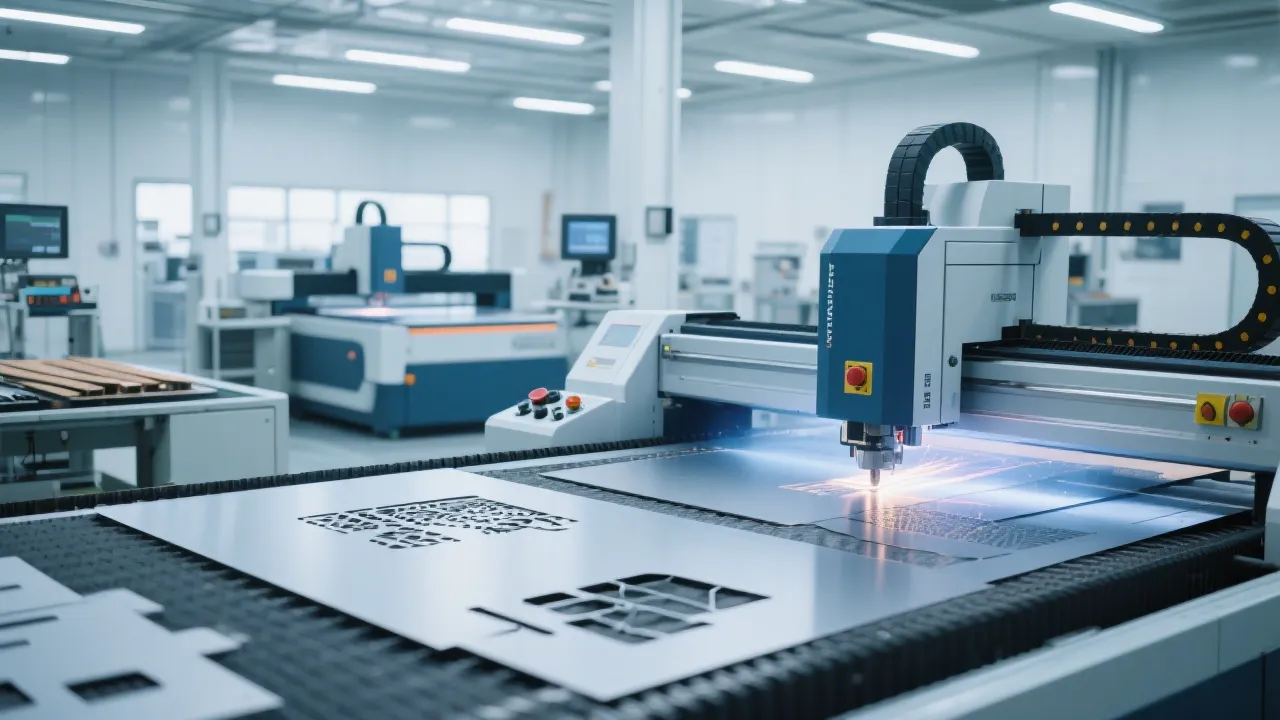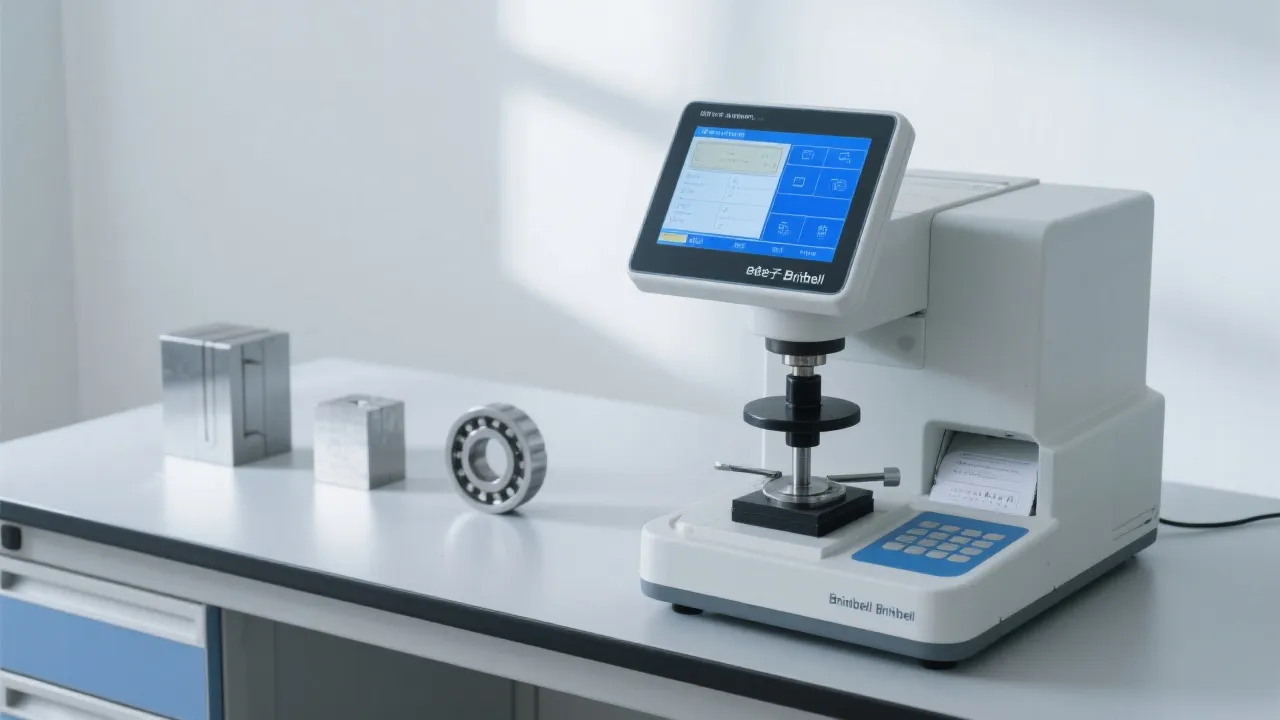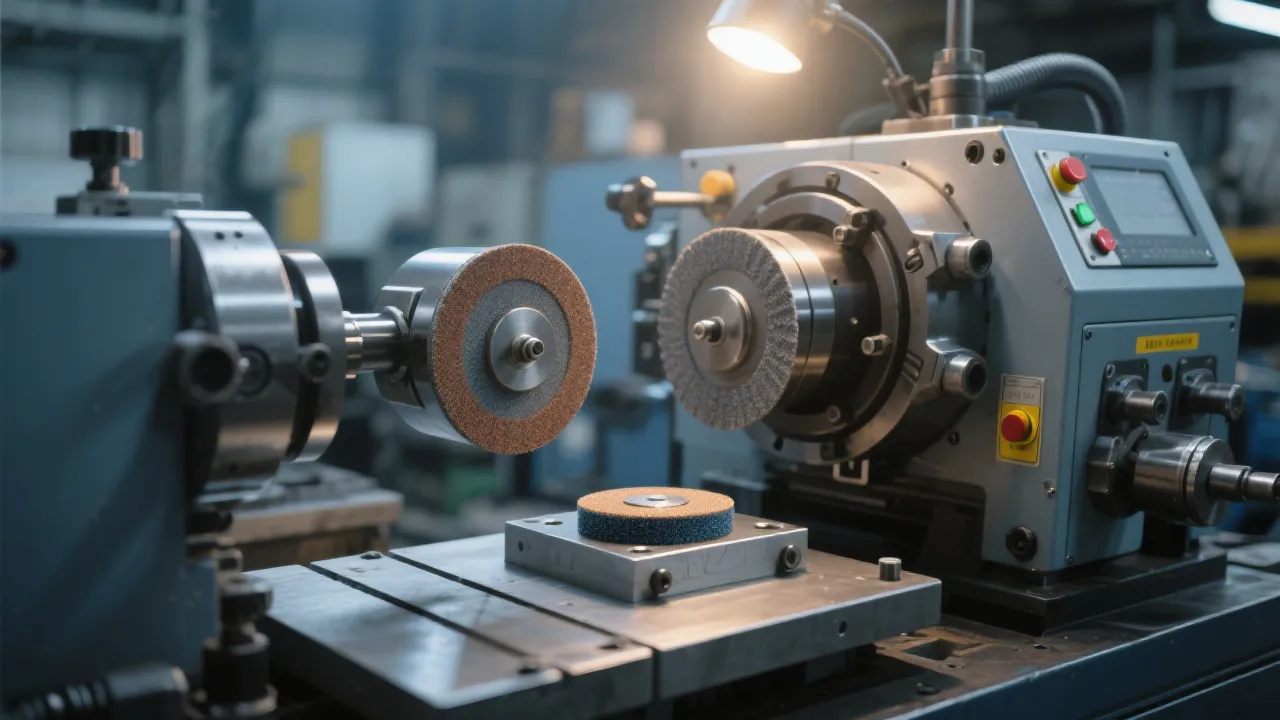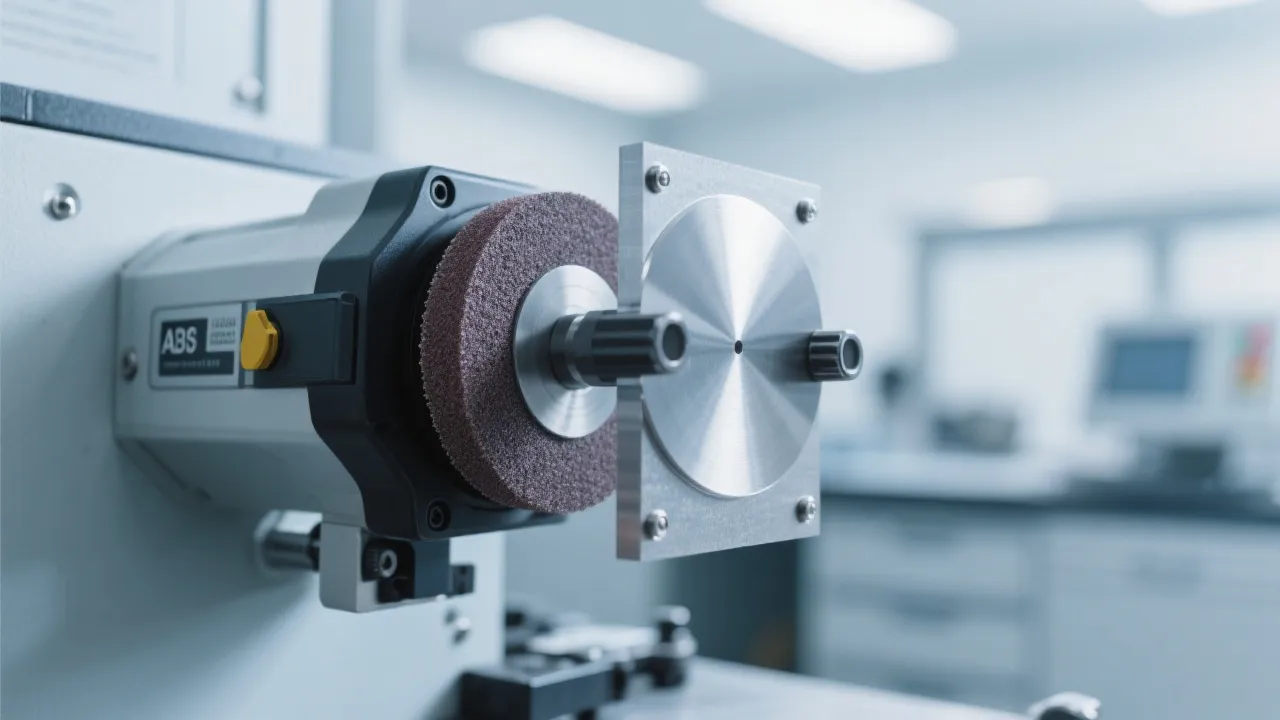
This article is a practical guide for laboratory technicians and industrial quality control departments on selecting metallographic cutters. It focuses on how to choose the right reinforced grinding wheel according to different material types to improve cutting efficiency and sample quality. The content also covers the important role and maintenance skills of the equipment's cooling system to ensure the stable and efficient operation of the metallographic cutter.
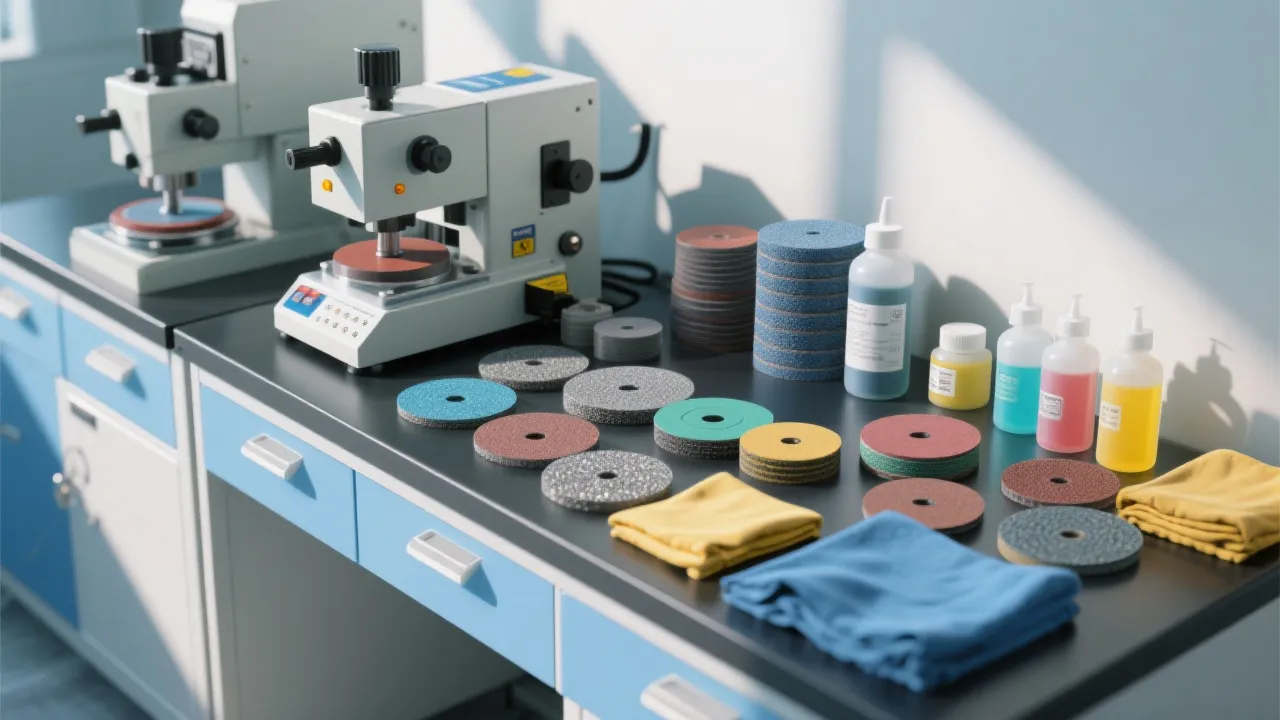
When choosing a metallographic cutter, the selection of the reinforced grinding wheel is crucial. Different materials require different types of grinding wheels. For example, for hard metals like steel, a grinding wheel with high hardness and wear - resistance is needed. According to industry data, using the right grinding wheel can increase cutting efficiency by up to 30%. The technical parameters and performance requirements of the grinding wheel should be carefully considered based on the material's hardness, toughness, and structure.
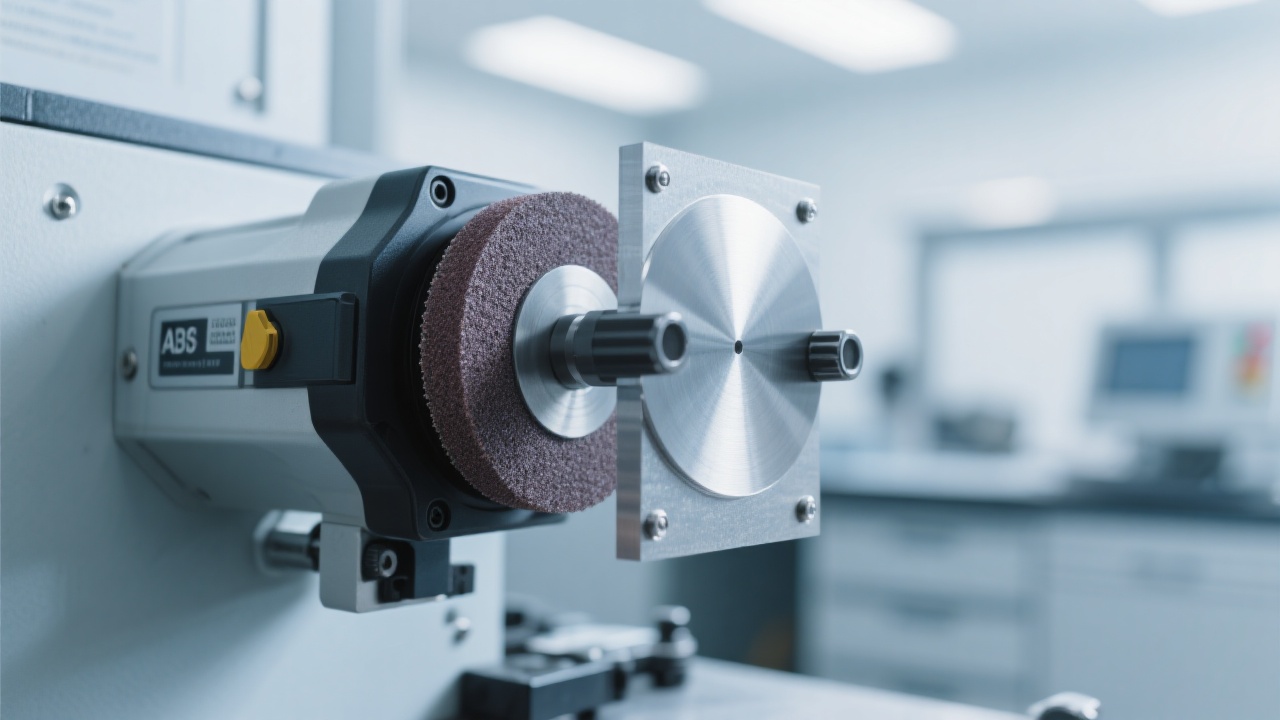
The built - in cooling system of the metallographic cutter plays a key role in preventing thermal damage to the sample and extending the equipment's service life. During the cutting process, a large amount of heat is generated. Without proper cooling, the sample may be affected by heat, leading to inaccurate test results. Regular maintenance of the cooling system, such as checking the coolant level and the condition of the cooling pipes, can reduce equipment failure rates by about 20%.
In laboratory and industrial settings, different operation and maintenance methods are required for metal and non - metal materials. For metal materials, a slower cutting speed may be needed to ensure the quality of the cut surface. For non - metal materials, attention should be paid to preventing chipping. Based on practical experience, following the correct operation procedures can improve the success rate of sample preparation by up to 40%.
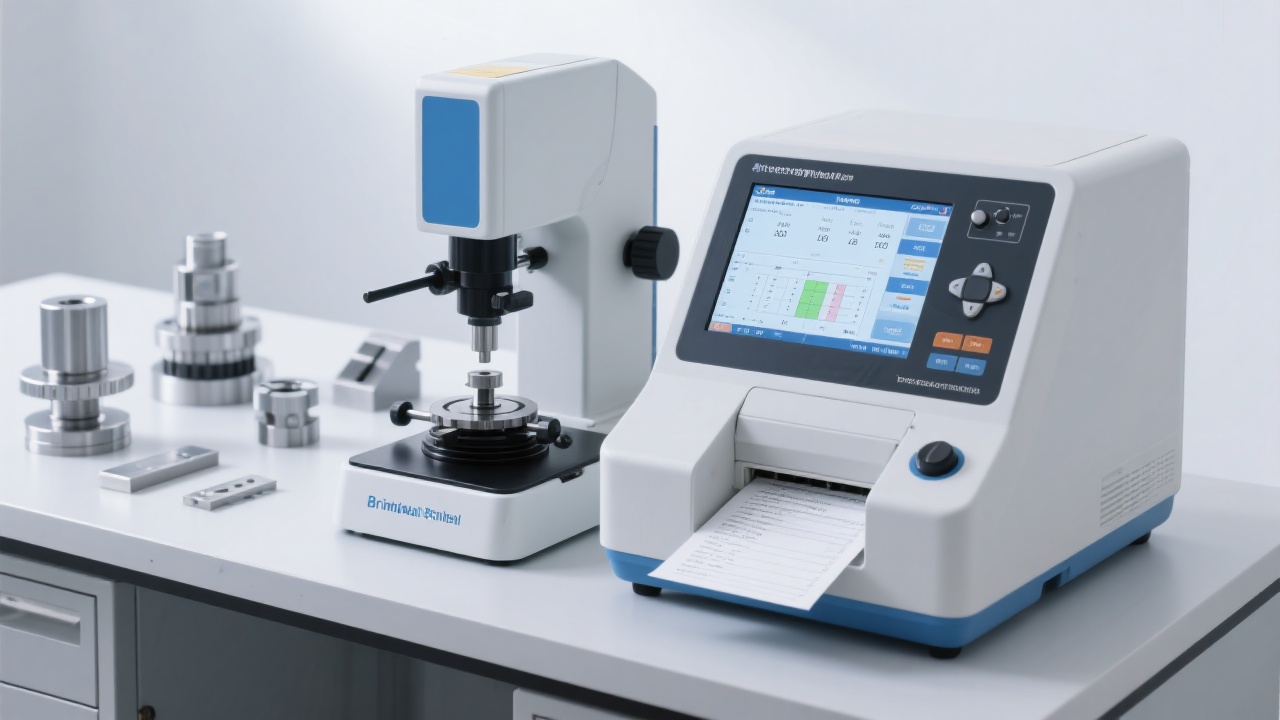
Common faults of metallographic cutters include abnormal noise, unstable cutting speed, etc. By analyzing the fault types and using a simple diagnostic flowchart, operators can quickly identify and solve problems, reducing equipment downtime. For example, if there is abnormal noise, it may be due to a loose grinding wheel or a problem with the bearing.
This article refers to international authoritative standards such as ASTM and ISO to ensure the standardization and professionalism of the content. Adhering to these standards can ensure that the cutting results are accurate and reliable, meeting the requirements of various industries.
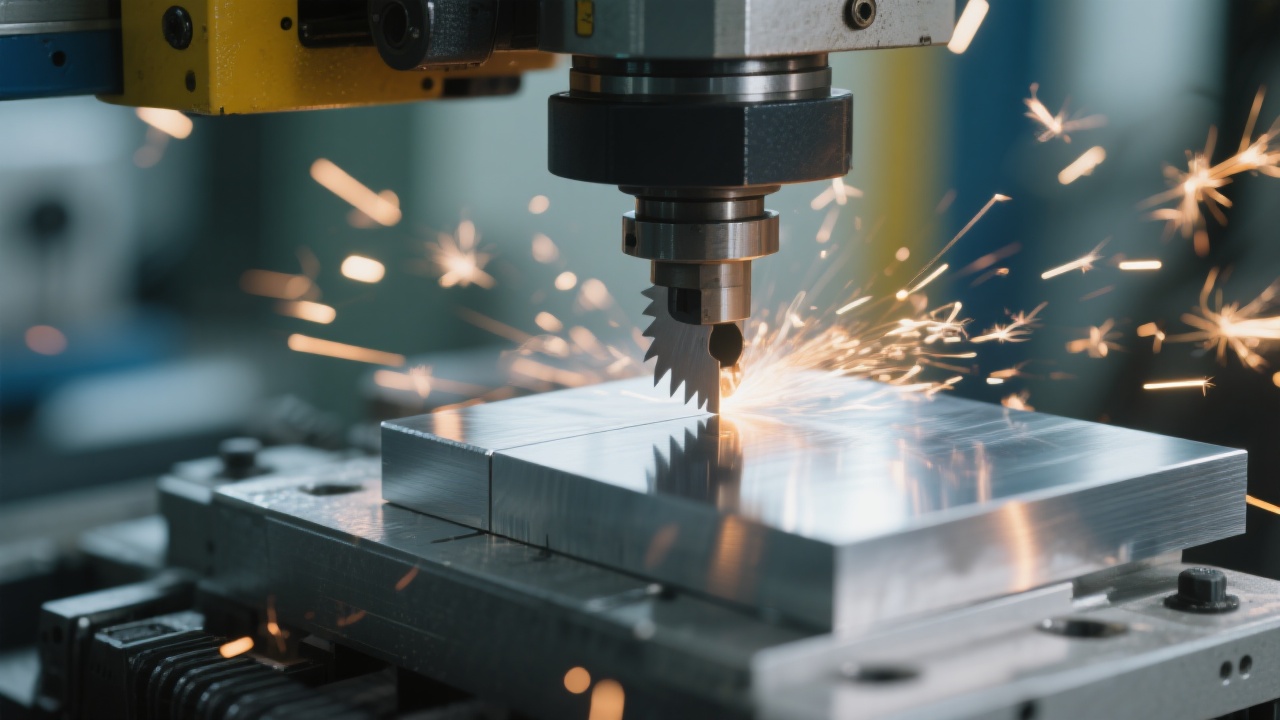
Through case sharing and a combination of text and pictures, the practicality of the content is enhanced. We also encourage users to leave feedback and ask questions in the comments section. This interaction can help users better understand and apply the knowledge in this guide.
If you are looking for a reliable metallographic cutter and professional technical support, Laizhou Jincheng Industrial Equipment Co., Ltd. is your best choice. Our products are designed to meet the highest standards and provide excellent performance. Don't miss out on the opportunity to improve your cutting efficiency and sample quality. Click here to learn more about our products!
 Polishing machine enclosure material
Metallographic specimen polishing equipment durability
Laboratory equipment anti - corrosion solution
FRP enclosure maintenance
Industrial polishing machine corrosion resistance
P-2G high-speed double-disc polisher
standardized metal sample polishing
low-noise polishing equipment
ASTM ISO polishing standards
metal sample surface flatness
industrial polishing machine enclosure
fiberglass durability
corrosion resistant equipment
laboratory polishing devices
industrial wear-resistant materials
metallographic cutting machine
reinforced grinding wheel
cooling system maintenance
lab cutting equipment
manual metallographic saw
Metallographic polishing scratch troubleshooting
Metallographic sample grinder - polisher usage skills
MP - 1B polishing fault solutions
Metallographic sample preparation
Polishing fluid contamination
Polishing machine enclosure material
Metallographic specimen polishing equipment durability
Laboratory equipment anti - corrosion solution
FRP enclosure maintenance
Industrial polishing machine corrosion resistance
P-2G high-speed double-disc polisher
standardized metal sample polishing
low-noise polishing equipment
ASTM ISO polishing standards
metal sample surface flatness
industrial polishing machine enclosure
fiberglass durability
corrosion resistant equipment
laboratory polishing devices
industrial wear-resistant materials
metallographic cutting machine
reinforced grinding wheel
cooling system maintenance
lab cutting equipment
manual metallographic saw
Metallographic polishing scratch troubleshooting
Metallographic sample grinder - polisher usage skills
MP - 1B polishing fault solutions
Metallographic sample preparation
Polishing fluid contamination