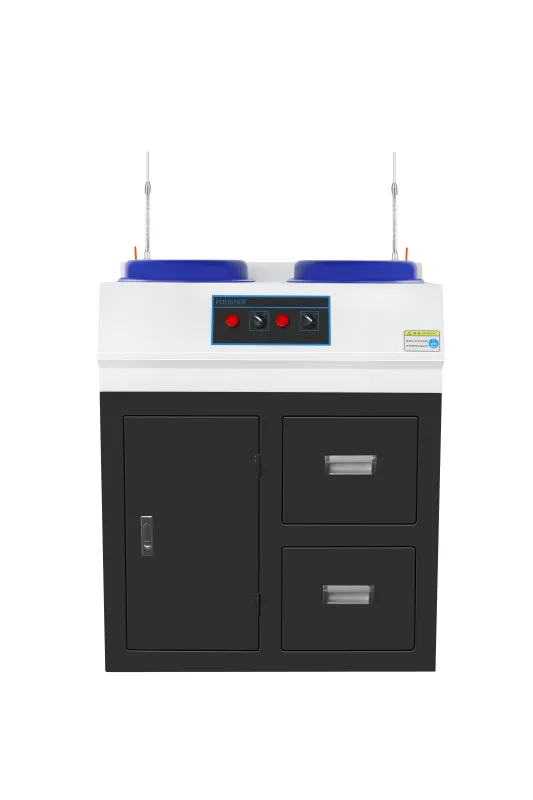
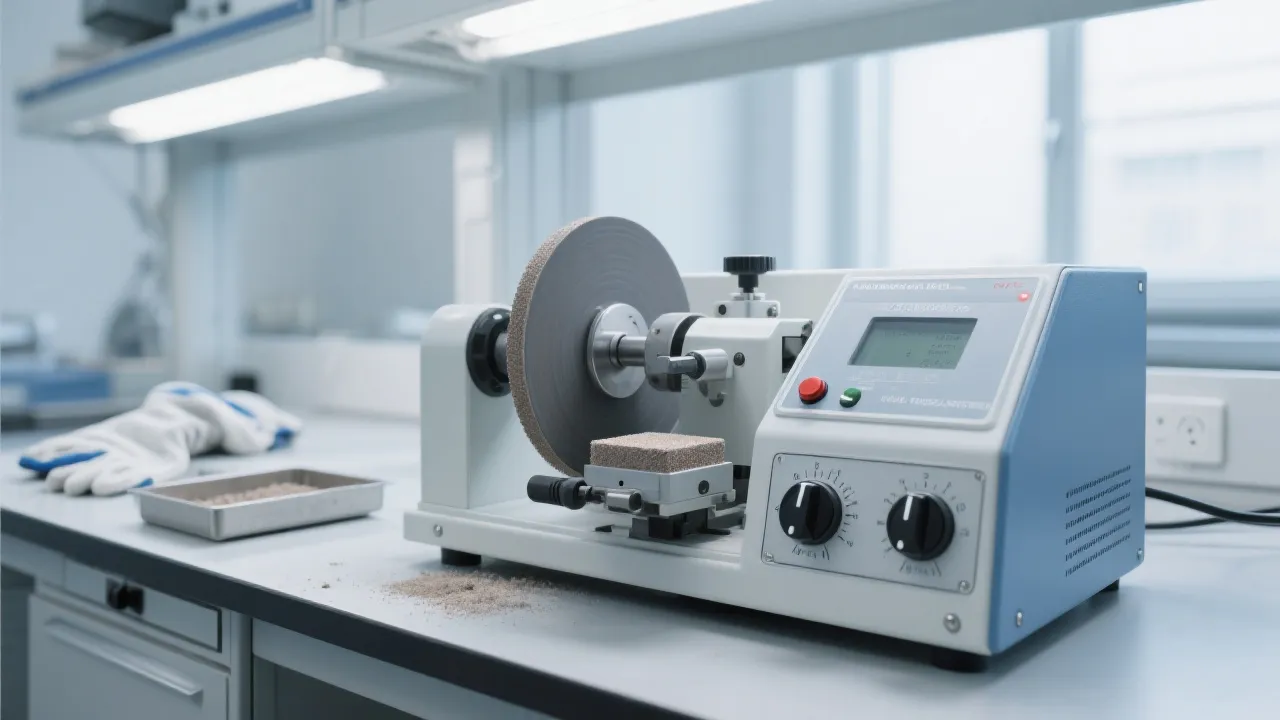
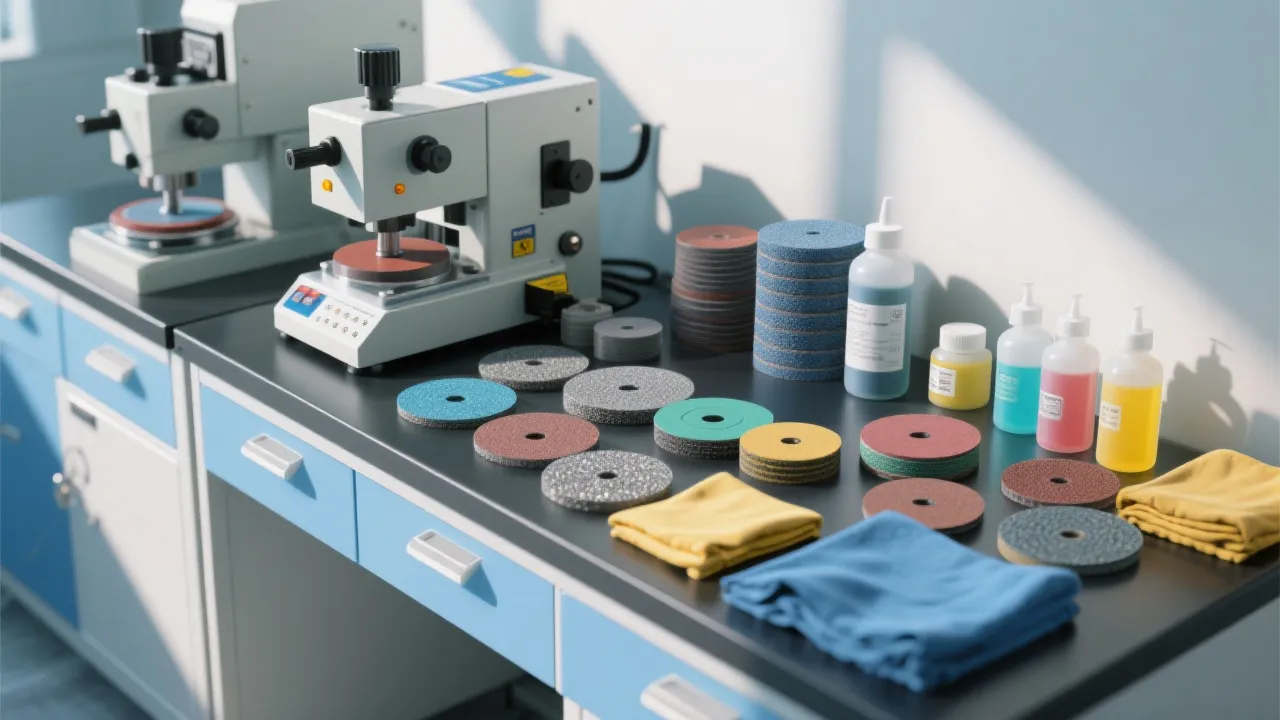
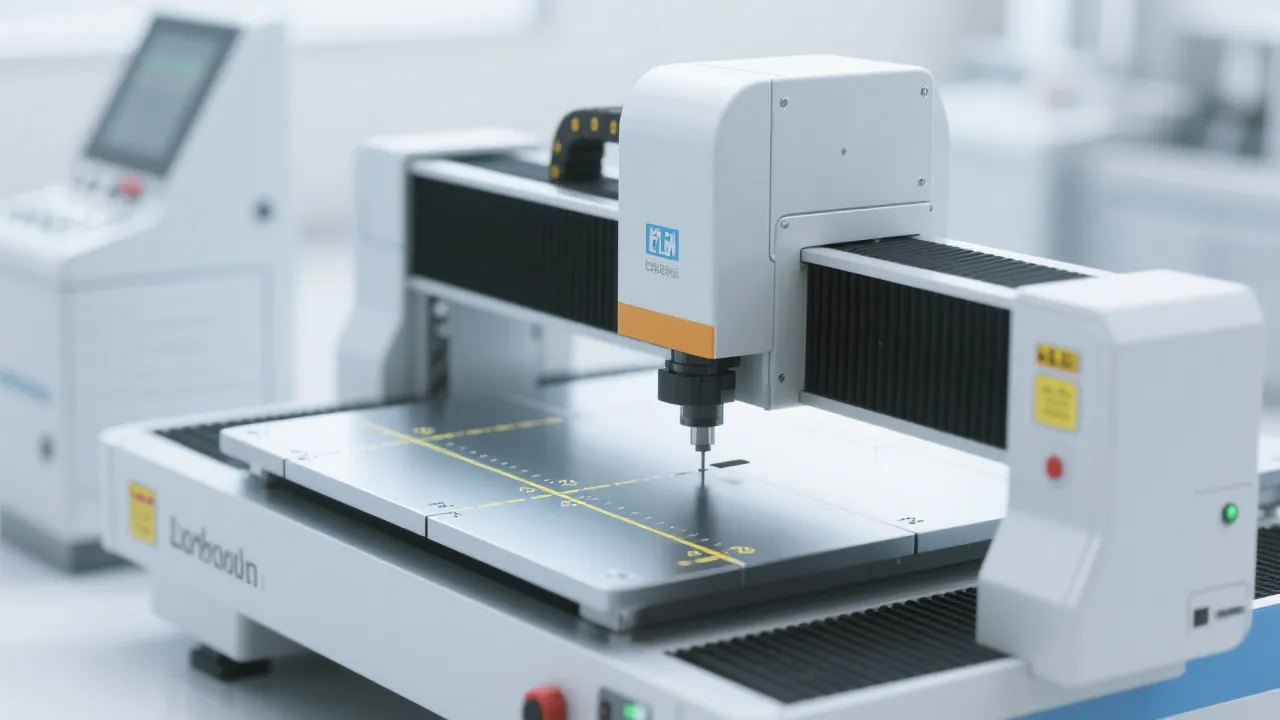
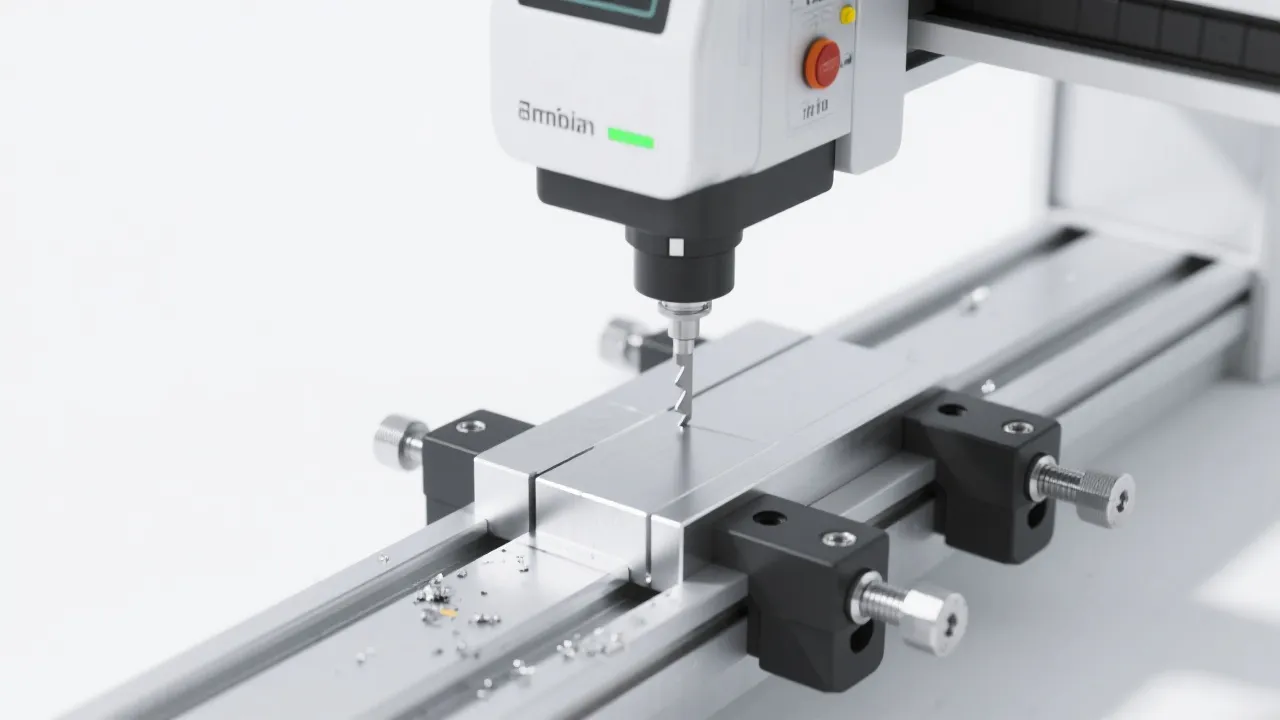
When it comes to metallographic cutting, choosing the appropriate grinding wheel is crucial for achieving efficient and accurate sample preparation. In this guide, we'll walk you through the process of selecting the right grinding wheel based on the material type, with a focus on the Jincheng Q-2 Manual Metallographic Cutter.
The key to selecting the right grinding wheel lies in understanding the properties of the material you're cutting. Different materials have unique cutting characteristics, which determine the type of grinding wheel that's best suited for the job. For example, hard and brittle materials like ceramics require a different approach than soft and ductile materials like aluminum.
Let's take a look at some common material categories and the requirements they place on the grinding wheel:
To help you visualize the relationship between material type and grinding wheel requirements, here's a handy table:
| Material Type | Grit Size | Bond Type |
|---|---|---|
| Cast Iron | 36-60 | Vitrified |
| Stainless Steel | 80-120 | Resinoid |
| Ceramics | 220-400 | Vitrified |
| Composites | Medium | Resinoid |
The Jincheng Q-2 Manual Metallographic Cutter is designed to accommodate a wide range of grinding wheels, making it a versatile choice for various material cutting applications. Its built-in cooling system and high-stability grinding wheel ensure that each sample is cut with precision and integrity, meeting the requirements of ASTM/ISO standards.

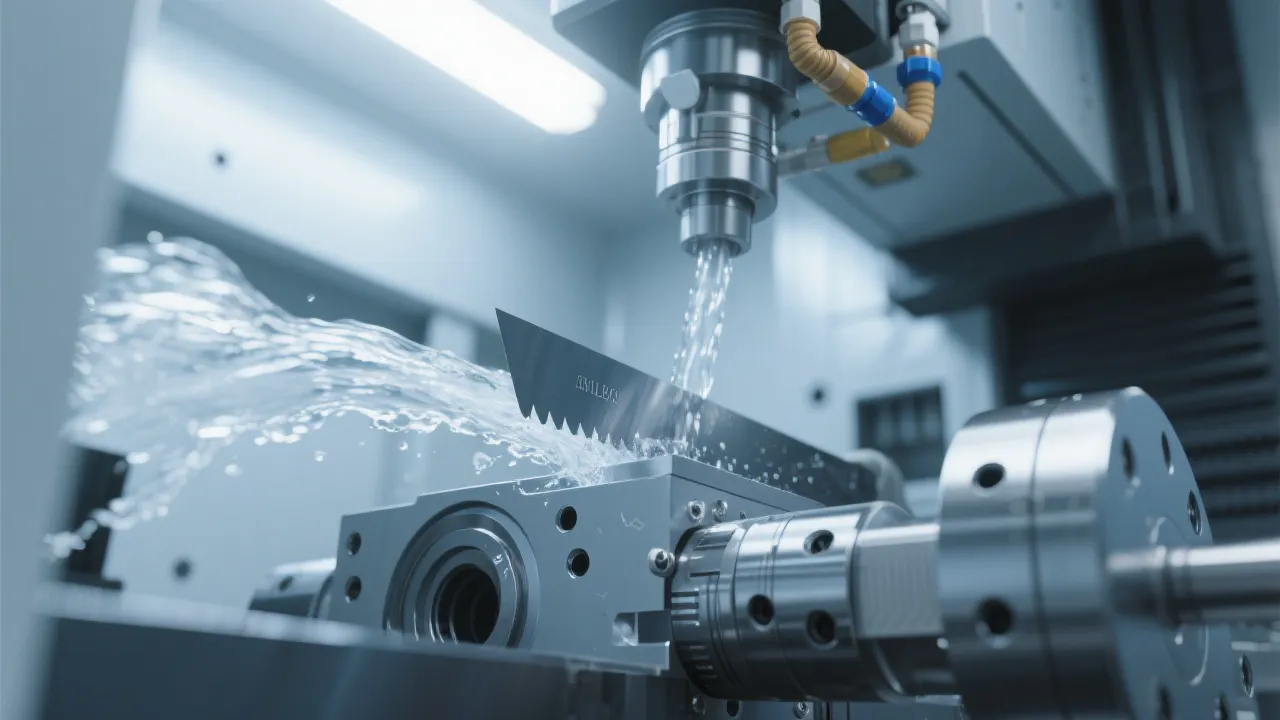
The cooling system plays a crucial role in the cutting process. It helps to reduce heat generation, prevent material deformation, and extend the life of the grinding wheel. The Q-2 model's built-in cooling system ensures that the cutting process is efficient and the sample quality is maintained.
When it comes to metallographic sample preparation, compliance with ASTM/ISO standards is essential. The Jincheng Q-2 Manual Metallographic Cutter, along with the appropriate grinding wheel selection, helps you meet these standards, ensuring the accuracy and reliability of your sample preparation.
According to ASTM E3-11 standard, proper grinding wheel selection and cutting techniques are critical for obtaining accurate and representative metallographic samples.
To ensure the longevity and performance of your grinding wheel, it's important to follow these maintenance tips:
In conclusion, selecting the right grinding wheel for your metallographic cutter is essential for achieving efficient and accurate sample preparation. By understanding the properties of the material you're cutting, choosing the appropriate grinding wheel, and following proper maintenance procedures, you can ensure that your cutting process is smooth and your samples are of high quality.
 metallographic cutting machine
ASTM E3 standard
ISO 14106
manual metallography cutter
sample preparation technique
Metallographic sample preparation
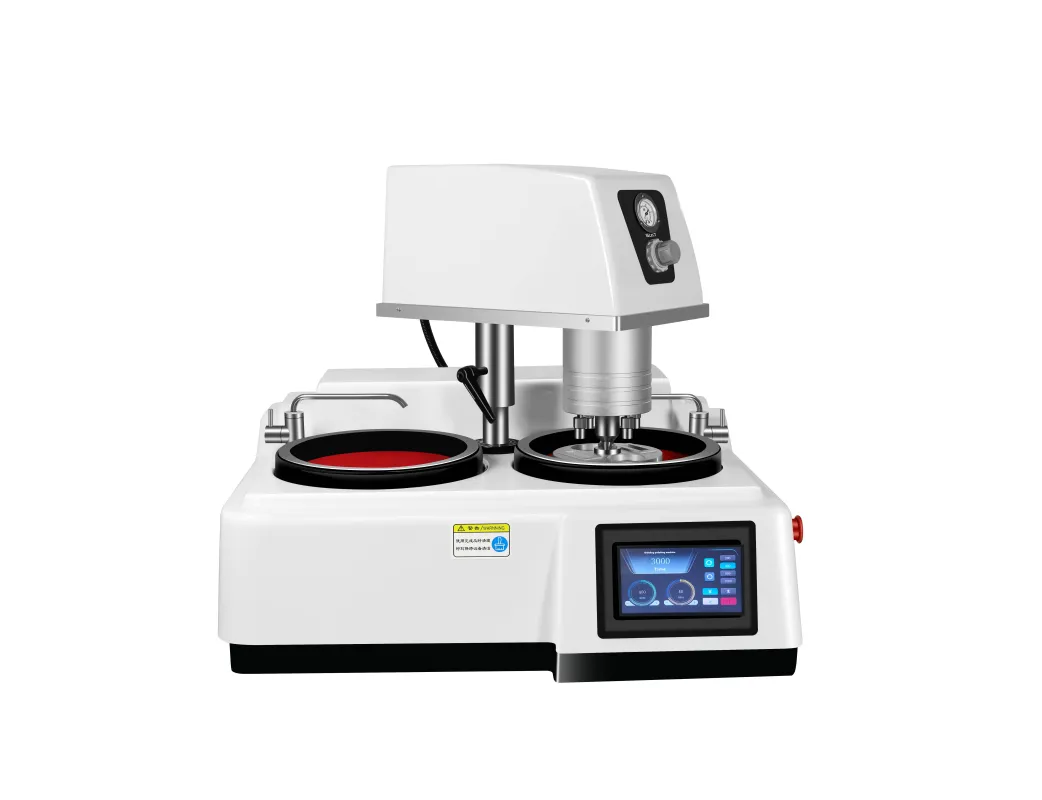
MP-2DE Metallographic Polishing Machine
Micro defect analysis
ASTM E3-11 standard
High-performance grinding and polishing
metallographic cutting technology
research data credibility
intelligent constant-temperature cooling
SQ-60 sample cutting machine
precise sample preparation
Metallographic polishing scratch troubleshooting
Metallographic sample grinder - polisher operation skills
MP - 1B polishing fault solutions
Metallographic sample polishing maintenance
Grinder - polisher fault exclusion
Stability of temperature control in metallographic preparation
Temperature control accuracy of automatic encrusting machine
Consistency of metallographic sample formation
Curing control of thermosetting resins
Metallographic sample preparation technology
metallographic cutting machine
ASTM E3 standard
ISO 14106
manual metallography cutter
sample preparation technique
Metallographic sample preparation
MP-2DE Metallographic Polishing Machine
Micro defect analysis
ASTM E3-11 standard
High-performance grinding and polishing
metallographic cutting technology
research data credibility
intelligent constant-temperature cooling
SQ-60 sample cutting machine
precise sample preparation
Metallographic polishing scratch troubleshooting
Metallographic sample grinder - polisher operation skills
MP - 1B polishing fault solutions
Metallographic sample polishing maintenance
Grinder - polisher fault exclusion
Stability of temperature control in metallographic preparation
Temperature control accuracy of automatic encrusting machine
Consistency of metallographic sample formation
Curing control of thermosetting resins
Metallographic sample preparation technology