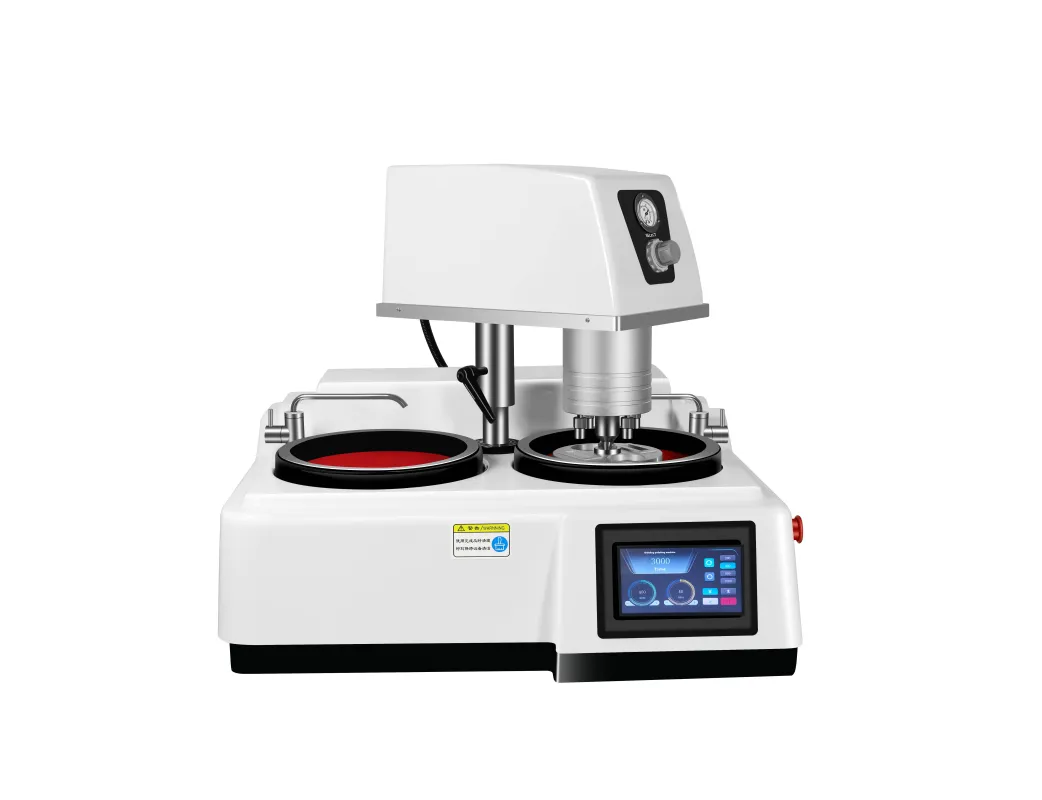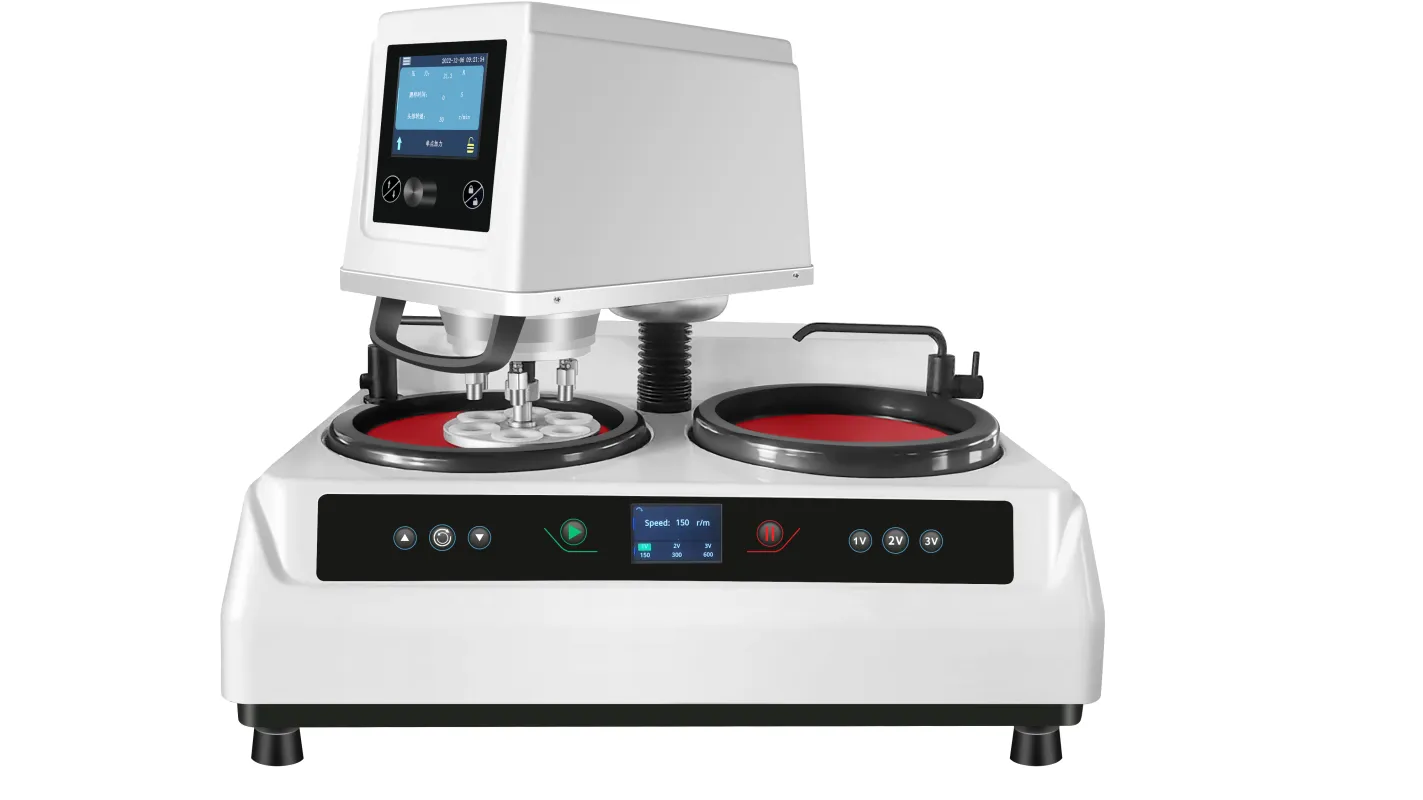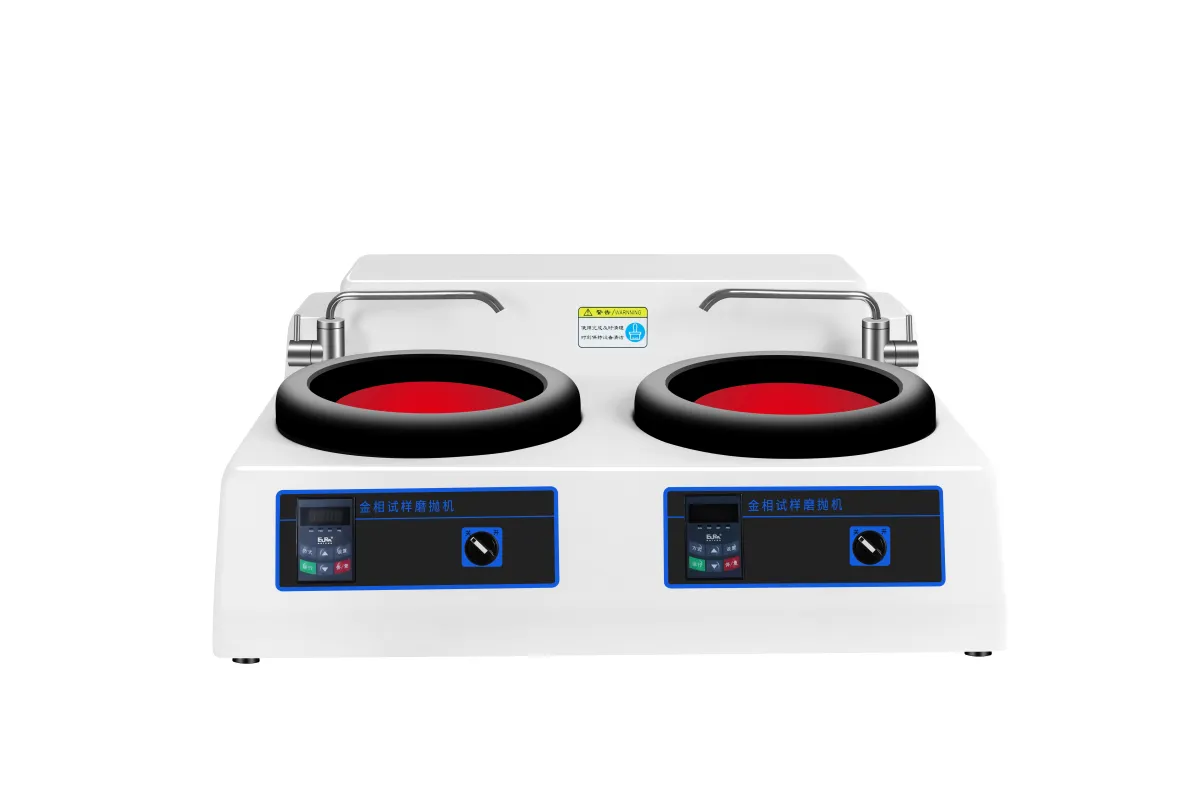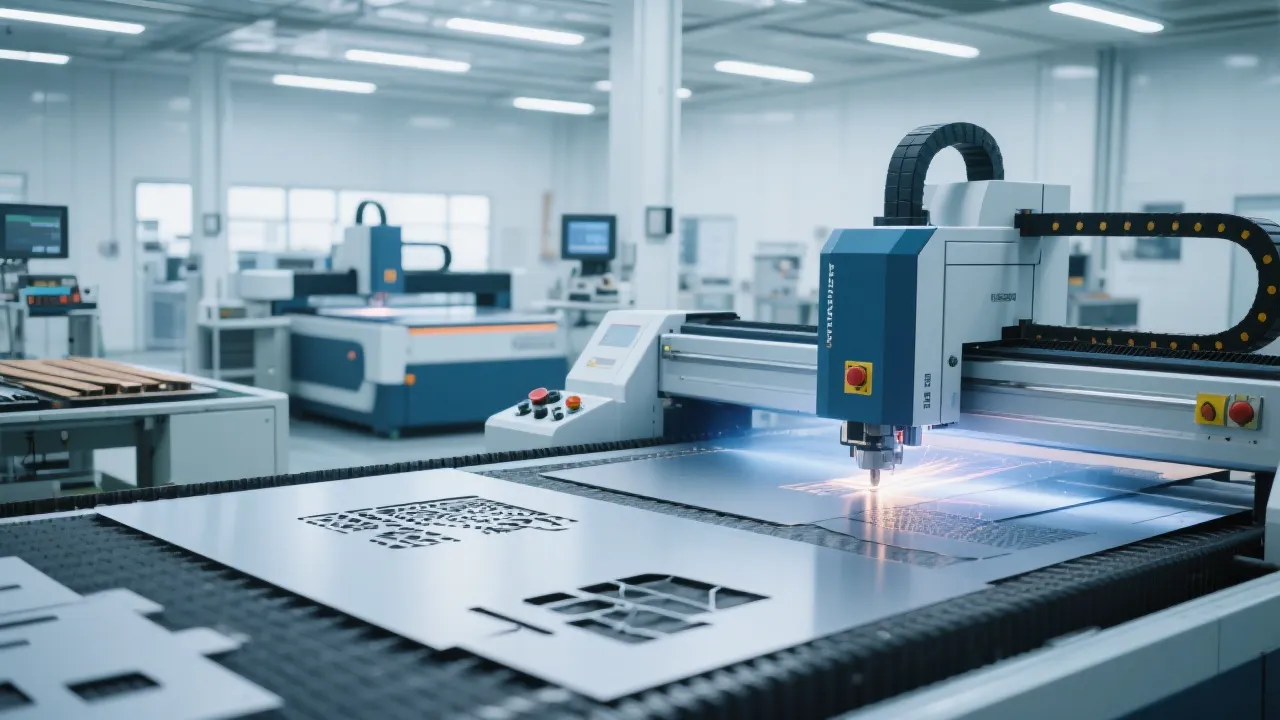
Selecting the optimal housing material for metallographic polishing machines in laboratory and industrial settings is crucial for ensuring equipment durability, safety, and long-term performance. This article systematically compares three popular materials—fiberglass (FRP), stainless steel, and plastic—considering factors such as corrosion resistance, mechanical strength, maintenance costs, and environmental adaptability. By diving into real-world usage scenarios and test data, the analysis uncovers why fiberglass often emerges as the superior choice for demanding polishing applications.
The housing serves as the frontline defense for polishing machines, protecting sensitive internal components from chemical exposure, dust ingress, and mechanical impacts. Notably, the choice of material directly affects the machine’s operational stability and user safety. Suboptimal materials can lead to frequent breakdowns, high maintenance costs, and hazardous working conditions, especially when exposed to harsh chemicals commonly used in metallographic sample preparation.
| Properties | Fiberglass (FRP) | Stainless Steel (304/316) | Plastic (ABS/Polypropylene) |
|---|---|---|---|
| Corrosion Resistance | Excellent against acids, alkalis & solvents | Very good but vulnerable to chlorides and strong acids | Good for mild chemicals; degrades under harsh agents |
| Mechanical Strength | High impact resistance & rigidity | Superior tensile & compression strength | Lower strength - prone to deformation under load |
| Environmental Adaptability | Resistant to UV, high humidity & temperature swings (up to 120°C) | Good thermal tolerance but susceptible to rust where scratched | Sensitive to UV exposure, may warp in heat |
| Maintenance Frequency | Low - easy to clean, corrosion-free | Moderate - requires anti-corrosion treatments | High - frequent replacement and cleaning needed |
| Average Service Life | 8 – 12 years | 5 – 10 years depending on environment | 2 – 5 years |
Fiberglass reinforced plastic (FRP) stands out for its remarkable resistance to harsh laboratory chemicals and industrial pollutants. Field tests reveal that FRP housings maintain structural integrity even after prolonged exposure to hydrochloric acid vapors and alkaline detergents routinely used in metallographic sample preparations. Furthermore, its lightweight nature reduces shipping and installation challenges, while its high impact toughness minimizes damage from accidental knocks in busy laboratory environments.
Stainless steel, often 304 or 316 grade, provides exceptional mechanical strength and a sleek, corrosion-resistant finish. However, chloride-rich environments common in laboratories can initiate pitting and crevice corrosion, especially when surface damage occurs. Maintenance involving passivation and polishing is necessary to preserve its longevity.
Plastic housings such as ABS or polypropylene are cost-effective and easy to mold into complex shapes. Yet, they are more vulnerable to deformation, discoloration under ultraviolet exposure, and chemical degradation from strong acids or solvents. Frequent replacement and higher cleaning intensity contribute to increased total cost of ownership over time.
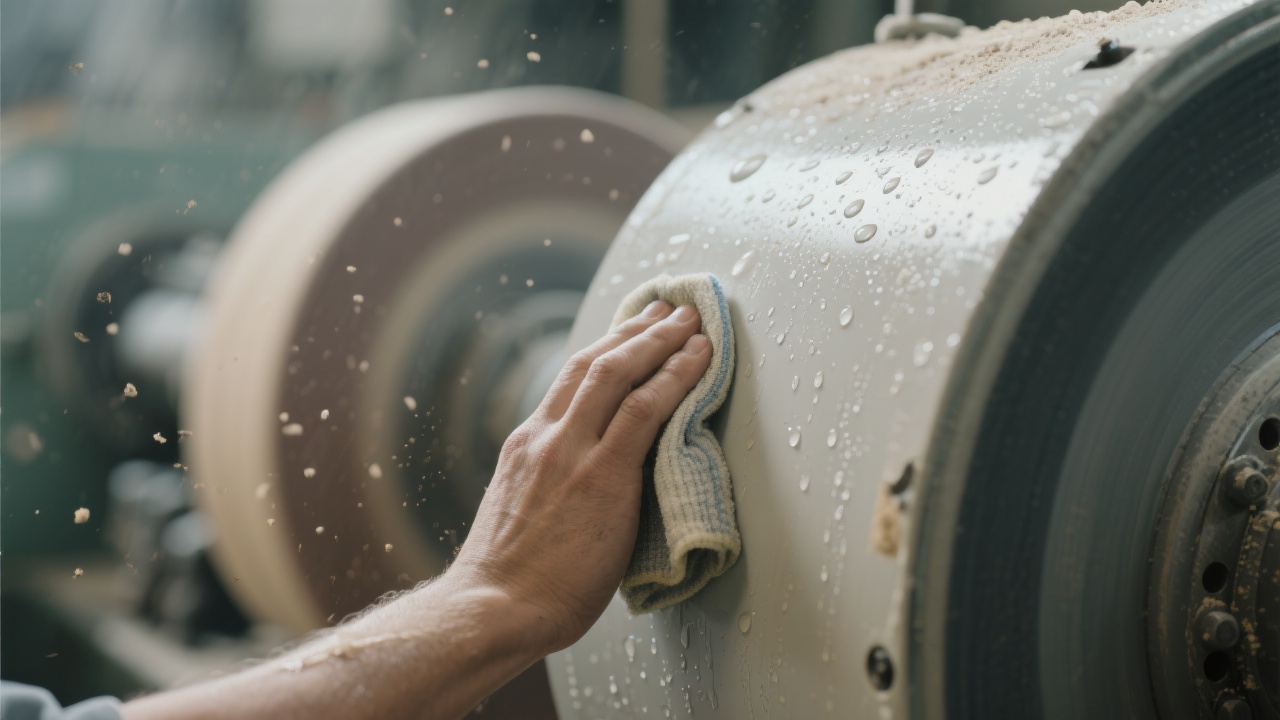
When choosing the best housing for your polishing machine, it’s crucial to assess:
Incorporating these factors ensures a resilient and cost-effective housing material choice, minimizing downtime and extending service life.
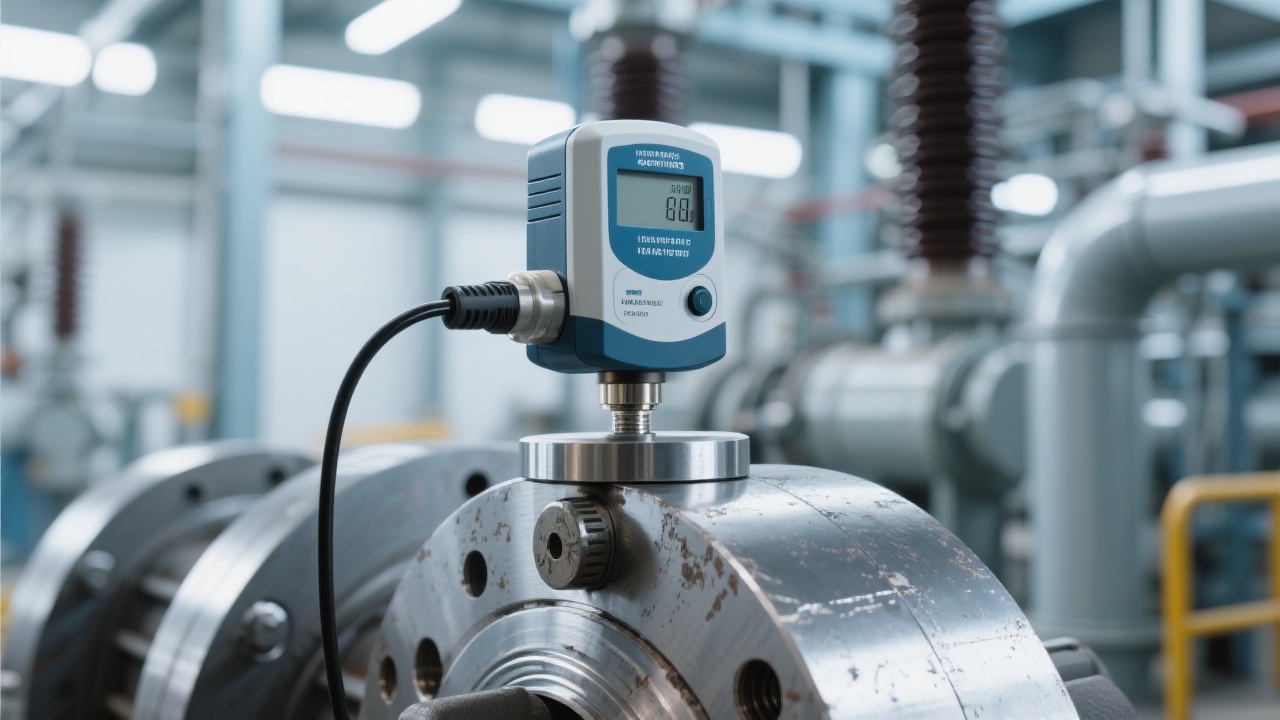
To maximize your equipment’s lifespan regardless of material:
What challenges have you faced with polishing machine housings in corrosive environments? Share your experiences or questions below to join a community striving for equipment excellence.
 industrial polishing machine enclosure
fiberglass durability
corrosion resistant equipment
laboratory polishing devices
industrial wear-resistant materials
metallographic cutting machine
reinforced grinding wheel
cooling system maintenance
lab cutting equipment
manual metallographic saw
metallographic cutting technology
research data credibility
intelligent constant-temperature cooling
SQ-60 sample cutting machine
precise sample preparation
metallographic polishing scratch troubleshooting
gold sample preparation
MP-1B polishing machine
lab sample quality control
polishing process optimization
hardness tester maintenance
laboratory hardness testing
Rockwell hardness tester care
hardness tester troubleshooting
hardness tester calibration
industrial polishing machine enclosure
fiberglass durability
corrosion resistant equipment
laboratory polishing devices
industrial wear-resistant materials
metallographic cutting machine
reinforced grinding wheel
cooling system maintenance
lab cutting equipment
manual metallographic saw
metallographic cutting technology
research data credibility
intelligent constant-temperature cooling
SQ-60 sample cutting machine
precise sample preparation
metallographic polishing scratch troubleshooting
gold sample preparation
MP-1B polishing machine
lab sample quality control
polishing process optimization
hardness tester maintenance
laboratory hardness testing
Rockwell hardness tester care
hardness tester troubleshooting
hardness tester calibration