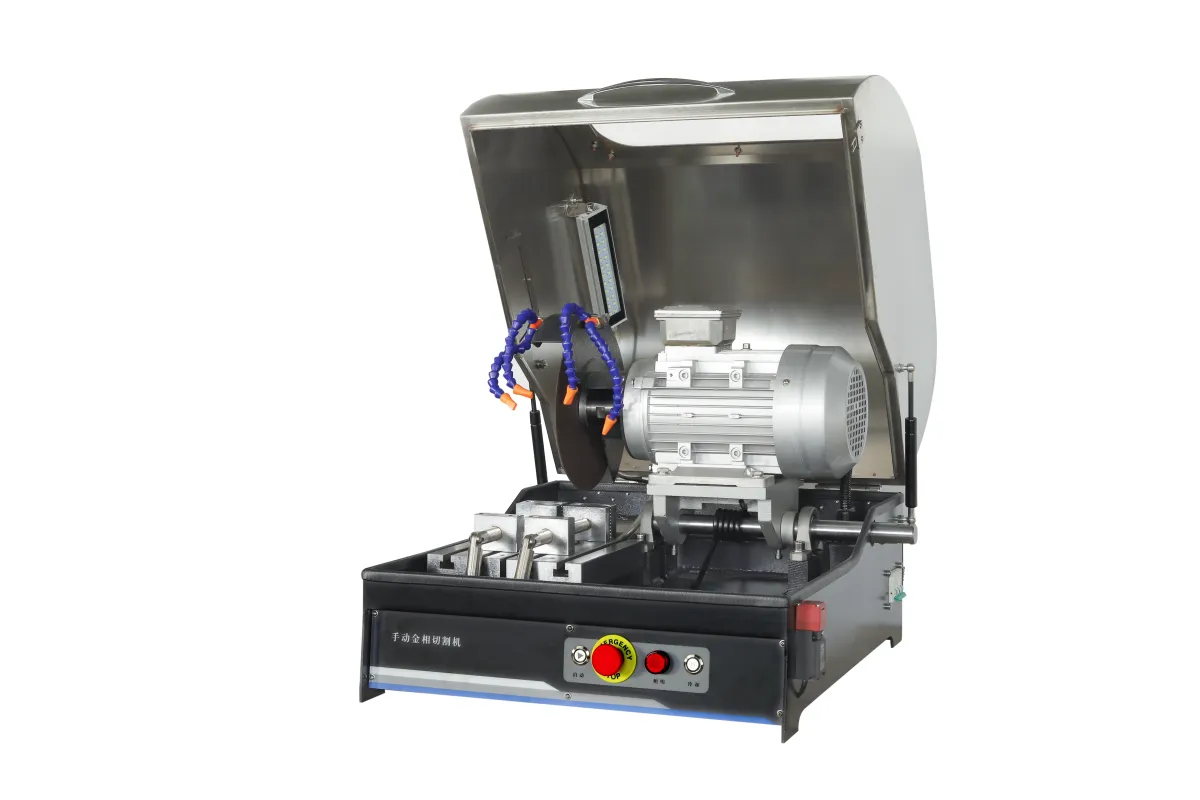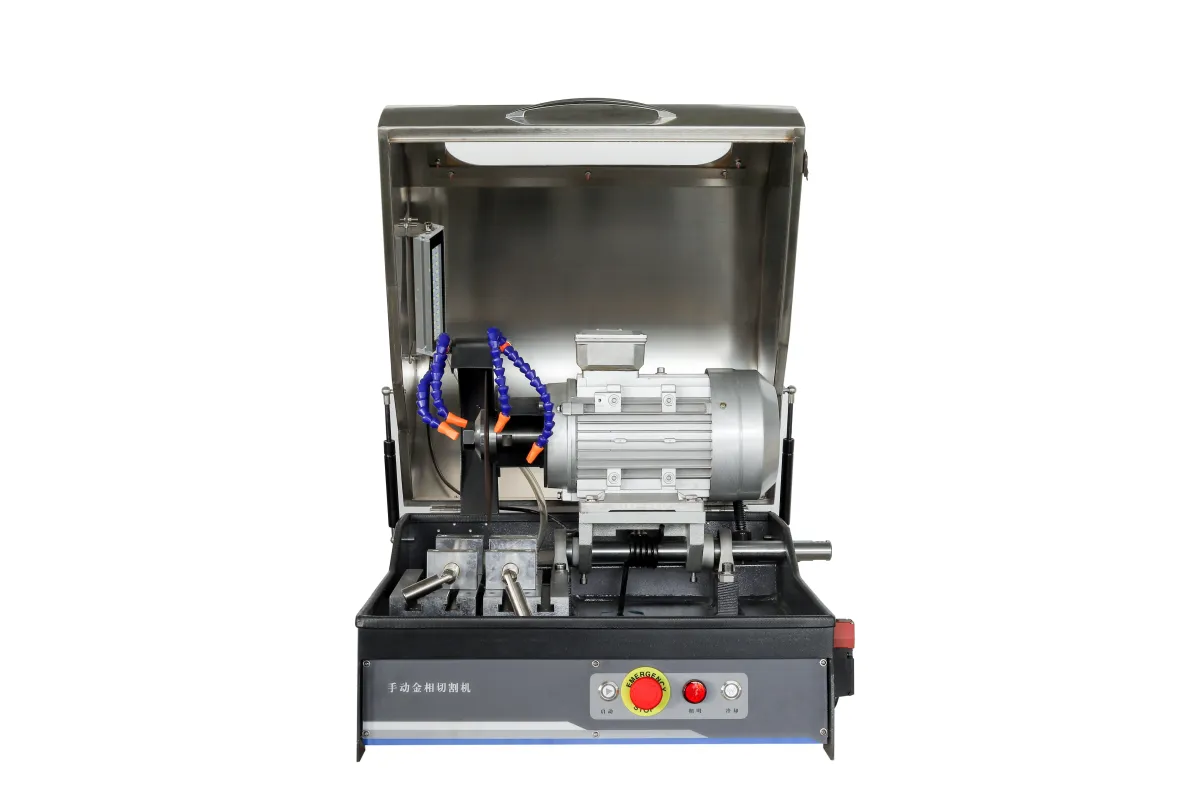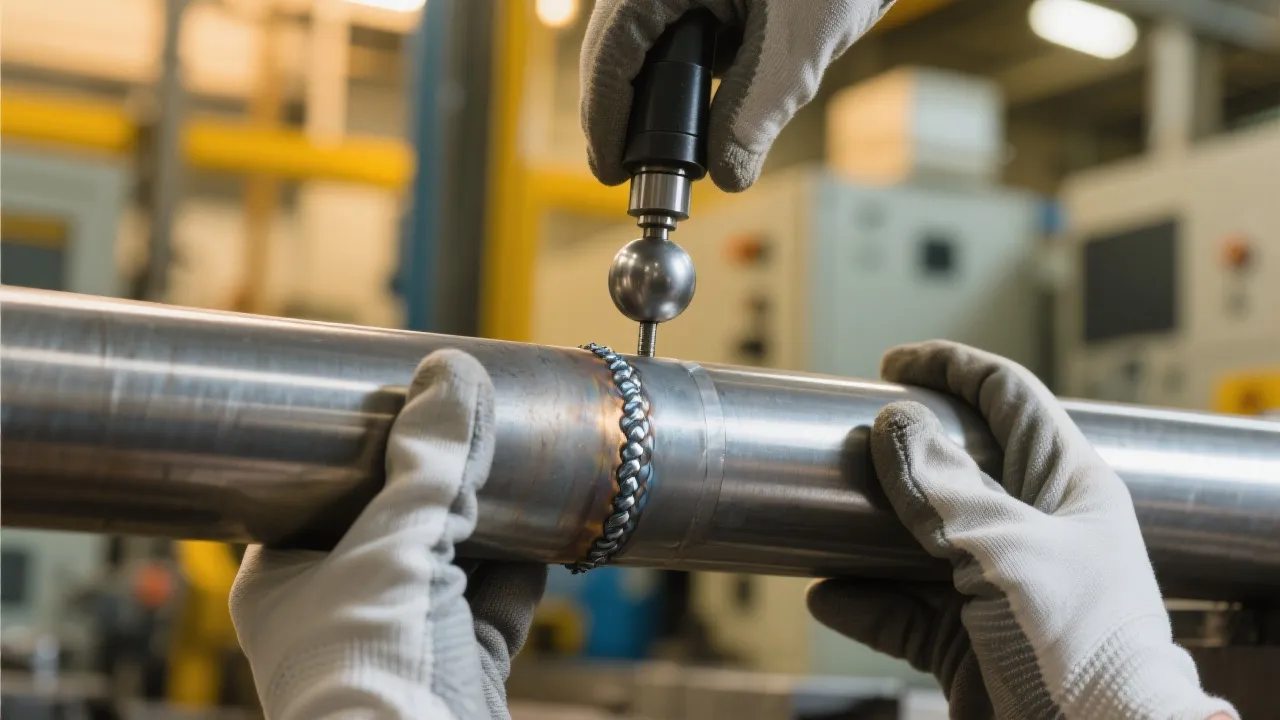
Every lab manager and quality control engineer faces a critical question when selecting polishing equipment: What material should the machine enclosure be made of? The answer directly impacts equipment lifespan, maintenance costs, and operational safety. In industrial and laboratory environments where chemical exposure, frequent cleaning, and mechanical stress are daily realities, the wrong choice can lead to premature equipment failure, safety hazards, and increased operational expenses.
Many purchasing decisions rely on outdated assumptions rather than performance data. A common misconception is that stainless steel offers universal protection against corrosion – an assumption that fails in environments with frequent exposure to acids, alkalis, or salt solutions. Similarly, plastic enclosures are often dismissed as "cheap" without considering modern engineering polymers that offer impressive durability.
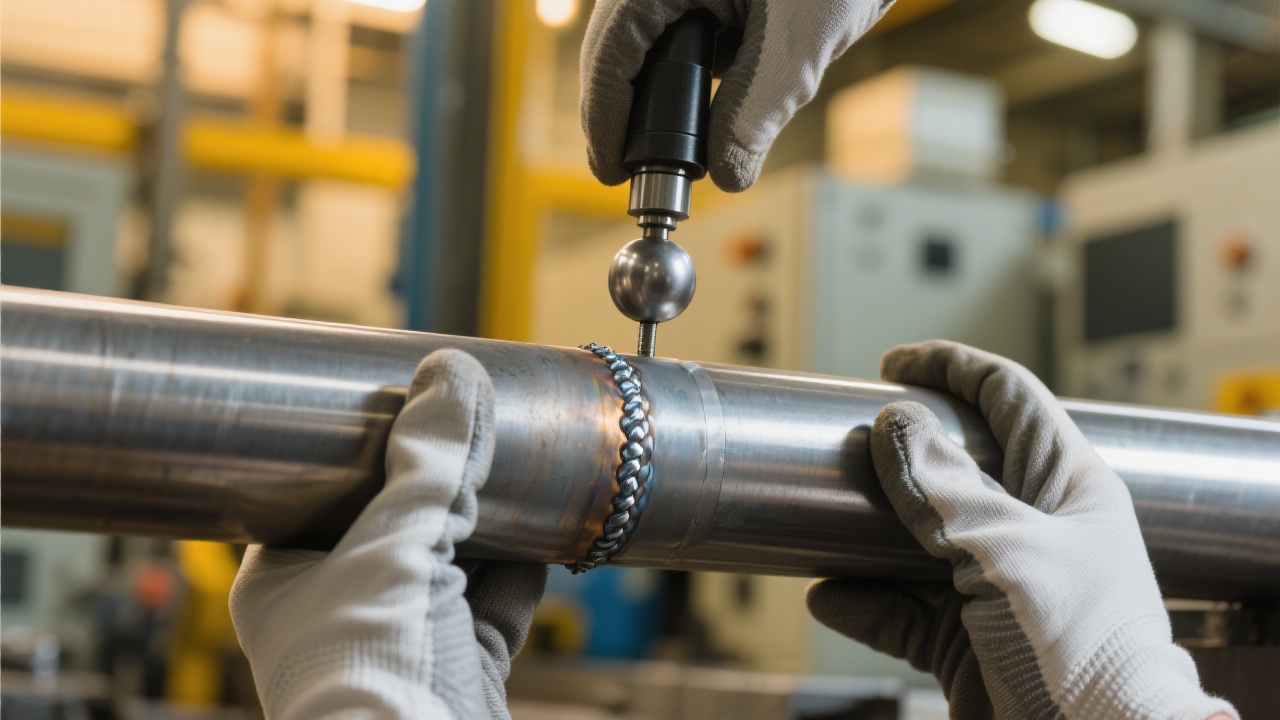
| Performance Metric | Fiberglass Reinforced Plastic (FRP) | Stainless Steel (304) | Engineered Plastic |
|---|---|---|---|
| Acid Resistance | Excellent (resists 98% sulfuric acid up to 60°C) | Limited (corrodes in 10% nitric acid after 500 hours) | Very Good (resists most organic acids) |
| Impact Resistance | High (15 ft-lb impact resistance) | High (20 ft-lb impact resistance) | Moderate (8 ft-lb impact resistance) |
| Maintenance Cost | Low ($0.12/sq ft/year) | High ($0.85/sq ft/year including polishing) | Low ($0.15/sq ft/year) |
| Service Life Expectancy | 15-20 years | 8-12 years (in corrosive environments) | 5-8 years (UV sensitive) |
Fiberglass Reinforced Plastic (FRP) has emerged as the material of choice for demanding laboratory and industrial environments. Its composite structure combines glass fibers for strength with resin matrices that provide exceptional chemical resistance. Unlike metal, FRP does not rust, corrode, or conduct electricity, making it ideal for environments where safety and durability are paramount.
"After replacing our stainless steel polishing equipment with FRP enclosures three years ago, we've eliminated corrosion-related downtime entirely. The acid etching solutions we use daily had previously required quarterly maintenance on our metal equipment. The FRP units show no signs of degradation despite constant exposure."
— Michael Chen, Lab Operations Manager
"In our cleanroom environment, particulate contamination is a critical concern. The non-porous surface of FRP enclosures has reduced cleaning time by 40% compared to our previous plastic units. Additionally, we've experienced zero static discharge issues, which was a persistent problem with our metal equipment."
— Sarah Lim, Quality Assurance Director
Regardless of material selection, proper maintenance significantly extends equipment life. For FRP enclosures, we recommend:
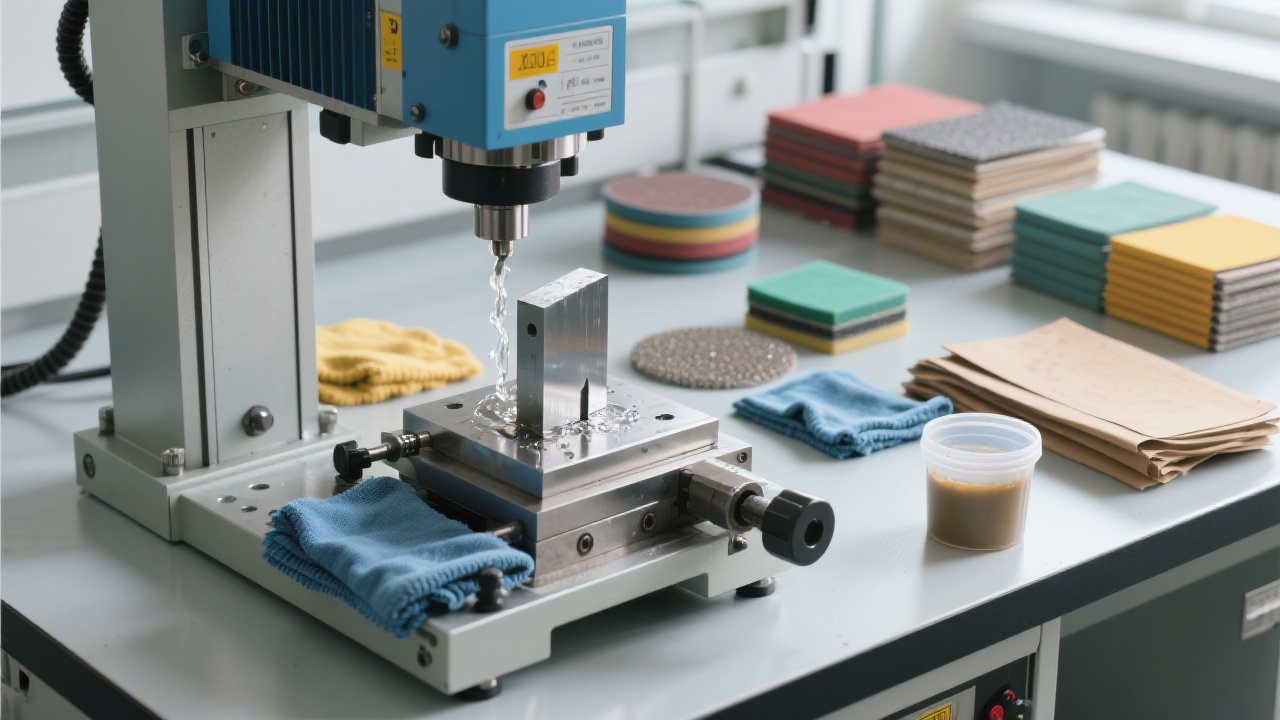
The optimal enclosure material depends on your specific operating conditions. While stainless steel may be suitable for dry, non-corrosive environments, FRP proves superior in settings involving chemical exposure, high humidity, or frequent cleaning. Plastic enclosures offer a budget-friendly option for light-duty applications but lack the longevity and durability of FRP in demanding conditions.
Discover how our FRP-enclosed polishing systems can reduce maintenance costs and extend equipment lifespan in your laboratory or production facility.
Explore Our FRP Polishing SolutionsWhat challenges have you faced with polishing equipment enclosures in your facility? Have you experienced the benefits of FRP in corrosive environments? Share your experiences and questions in the comments section below.
 Polishing machine enclosure material
Metallographic specimen polishing equipment durability
Laboratory equipment anti - corrosion solution
FRP enclosure maintenance
Industrial polishing machine corrosion resistance
precision cutting
micro-adjust feed
ceramic cutting techniques
multi-material parameter optimization
cutting accuracy control
MP-1B polishing machine troubleshooting
metallographic polishing scratch removal
polishing pad maintenance for metallurgical samples
variable speed polishing machine usage
gold standard metallography preparation
Stability of temperature control in metallographic preparation
Temperature control accuracy of automatic encrusting machine
Consistency of metallographic sample formation
Curing control of thermosetting resins
Metallographic sample preparation technology
polishing machine enclosure materials
metallographic polishing equipment durability
laboratory equipment corrosion protection
fiberglass enclosures
industrial polishing machine material selection
Polishing machine enclosure material
Metallographic specimen polishing equipment durability
Laboratory equipment anti - corrosion solution
FRP enclosure maintenance
Industrial polishing machine corrosion resistance
precision cutting
micro-adjust feed
ceramic cutting techniques
multi-material parameter optimization
cutting accuracy control
MP-1B polishing machine troubleshooting
metallographic polishing scratch removal
polishing pad maintenance for metallurgical samples
variable speed polishing machine usage
gold standard metallography preparation
Stability of temperature control in metallographic preparation
Temperature control accuracy of automatic encrusting machine
Consistency of metallographic sample formation
Curing control of thermosetting resins
Metallographic sample preparation technology
polishing machine enclosure materials
metallographic polishing equipment durability
laboratory equipment corrosion protection
fiberglass enclosures
industrial polishing machine material selection