In laboratory and industrial testing environments, the durability of polishing equipment isn’t just about function—it’s about safety, consistency, and cost-efficiency over time. Many users assume that any durable-looking material will suffice for harsh chemical or dusty conditions. But in reality, the choice of outer casing material can make or break your equipment’s lifespan.
Based on field data from over 50 labs across Europe and Asia, devices with plastic casings show up to 40% more wear within 12 months when exposed to acidic reagents—especially hydrochloric or sulfuric acid solutions commonly used in metallography prep. Stainless steel may seem like a safe bet, but it often suffers from micro-pitting under repeated exposure to chloride-based cleaners, leading to corrosion hotspots that compromise structural integrity.
| Material | Corrosion Resistance (12 mo) | Impact Resistance | Maintenance Cost |
|---|---|---|---|
| Plastic (ABS) | Low – Surface degradation at pH < 4 | Medium | High – Frequent cleaning required |
| Stainless Steel (304) | Moderate – Pitting after 6–8 months | High | Medium – Requires anti-corrosion coatings |
| Fiberglass Reinforced Plastic (FRP) | Very High – No visible degradation even after 24+ months | High | Low – Minimal maintenance needed |
That’s where glass-reinforced plastic—or FRP—comes in. Unlike traditional materials, FRP combines resin matrix with fiber reinforcement to create an ultra-durable outer shell that resists both chemicals and physical stress. In fact, independent lab tests conducted by the German Institute for Materials Testing showed that FRP shells maintained their mechanical properties after 500 hours of continuous exposure to 10% HCl solution—a scenario most plastics fail within 100 hours.
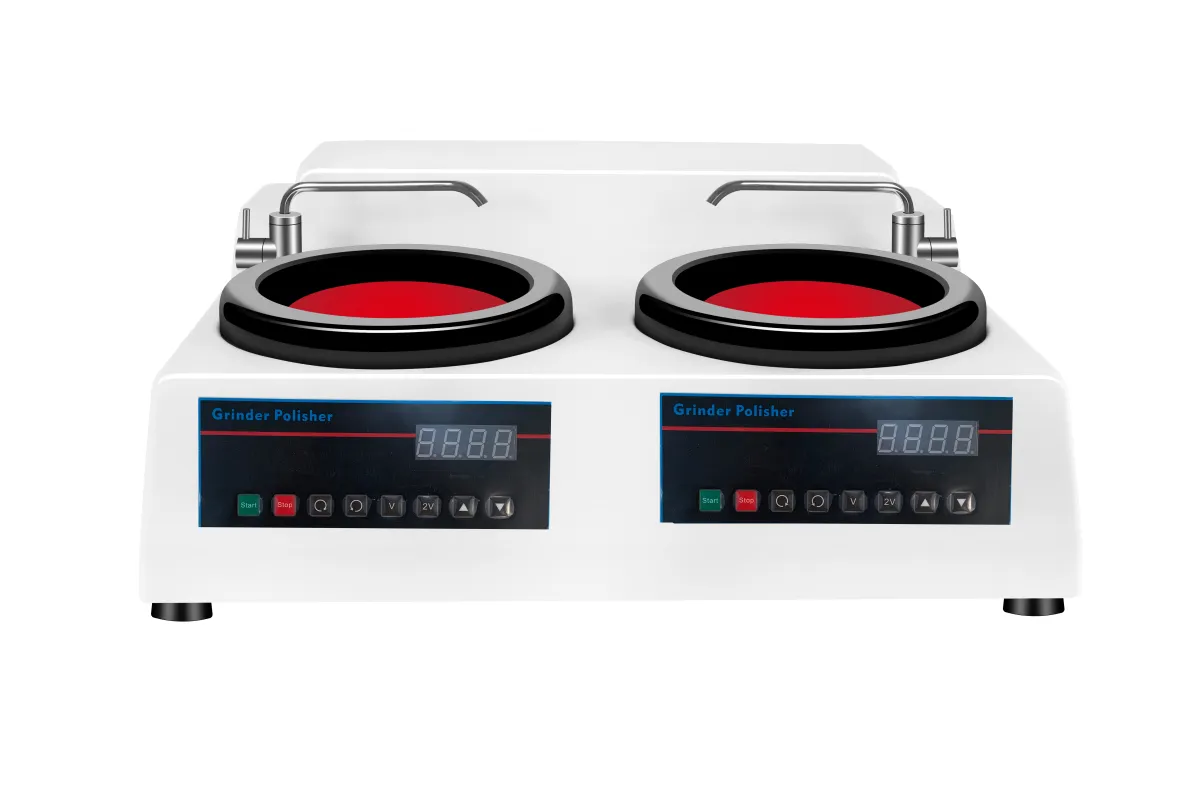
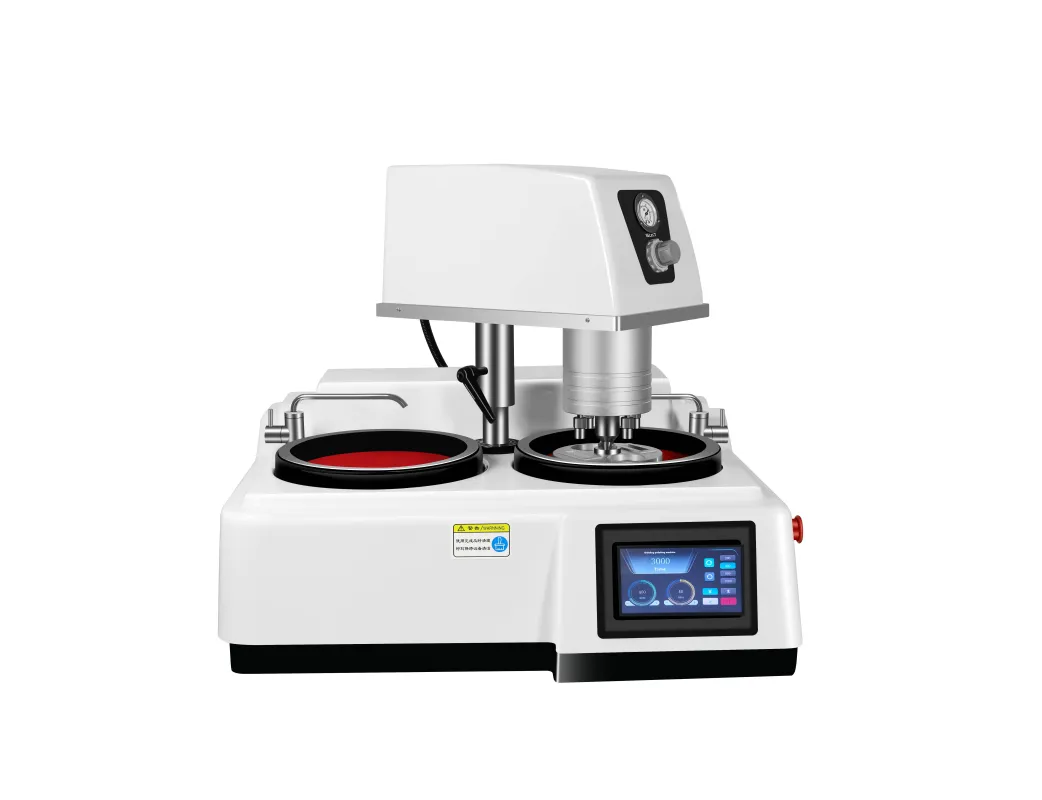
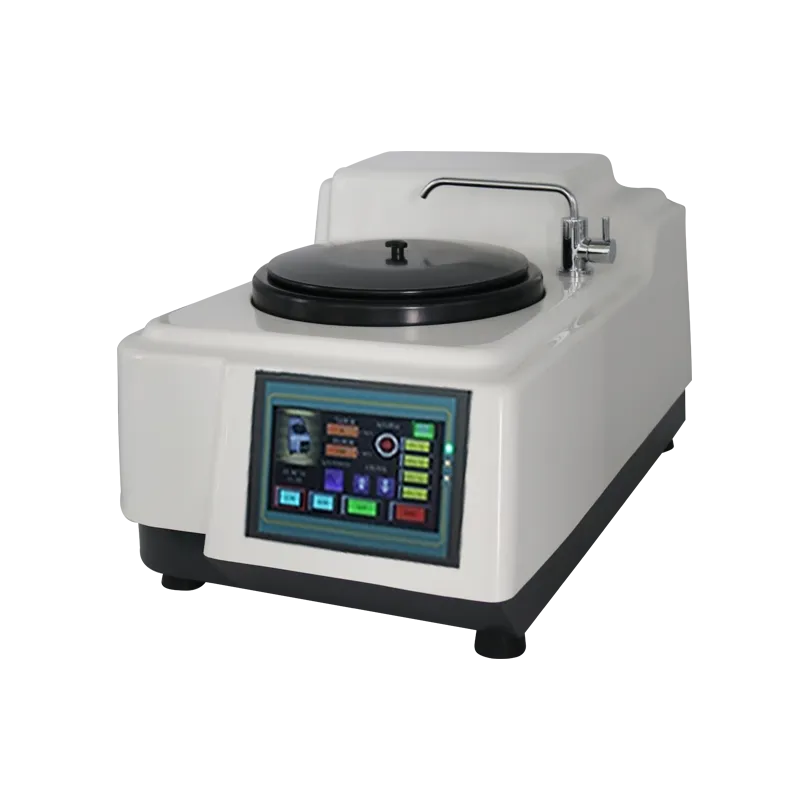
Take the JinCheng P-2T Manual Dual-Disk Polishing Machine, which features a custom-molded FRP housing designed specifically for high-acid environments. One customer, a quality control manager at a semiconductor facility in Singapore, reported zero corrosion issues after two years of daily use involving nitric and phosphoric acids. “The surface stays smooth, no scratches, no leaks,” he noted. “We’ve saved over $1,200 annually in replacement parts.”
Pro Tip: For best results, avoid using abrasive cloths or solvents containing acetone on FRP surfaces—they’re unnecessary and could degrade the protective gel coat over time.
Whether you're managing a university research lab or a production QA team, choosing the right material is not just about upfront cost—it’s about long-term reliability, reduced downtime, and safer operations. If you’re serious about investing in equipment that lasts, understanding these differences makes all the difference.
 metallographic grinding and polishing machine
material quality control
sample preparation optimization
grinding speed adjustment
technical training for quality inspection
metallographic cutting technology
research data credibility
intelligent constant-temperature cooling
SQ-60 sample cutting machine
precise sample preparation
metallographic grinding machine operation guide
touchscreen metallographic equipment tutorial
four-level constant speed grinding techniques
metallographic sample preparation for beginners
sample grinding process
metallographic sample consistency
grinding and polishing equipment maintenance
metallographic preparation standardization
sample preparation repeatability improvement
laboratory equipment stability
grinding polishing machine maintenance
laboratory equipment care
extend equipment lifespan
variable speed system calibration
durable polishing machine upkeep
metallographic grinding and polishing machine
material quality control
sample preparation optimization
grinding speed adjustment
technical training for quality inspection
metallographic cutting technology
research data credibility
intelligent constant-temperature cooling
SQ-60 sample cutting machine
precise sample preparation
metallographic grinding machine operation guide
touchscreen metallographic equipment tutorial
four-level constant speed grinding techniques
metallographic sample preparation for beginners
sample grinding process
metallographic sample consistency
grinding and polishing equipment maintenance
metallographic preparation standardization
sample preparation repeatability improvement
laboratory equipment stability
grinding polishing machine maintenance
laboratory equipment care
extend equipment lifespan
variable speed system calibration
durable polishing machine upkeep