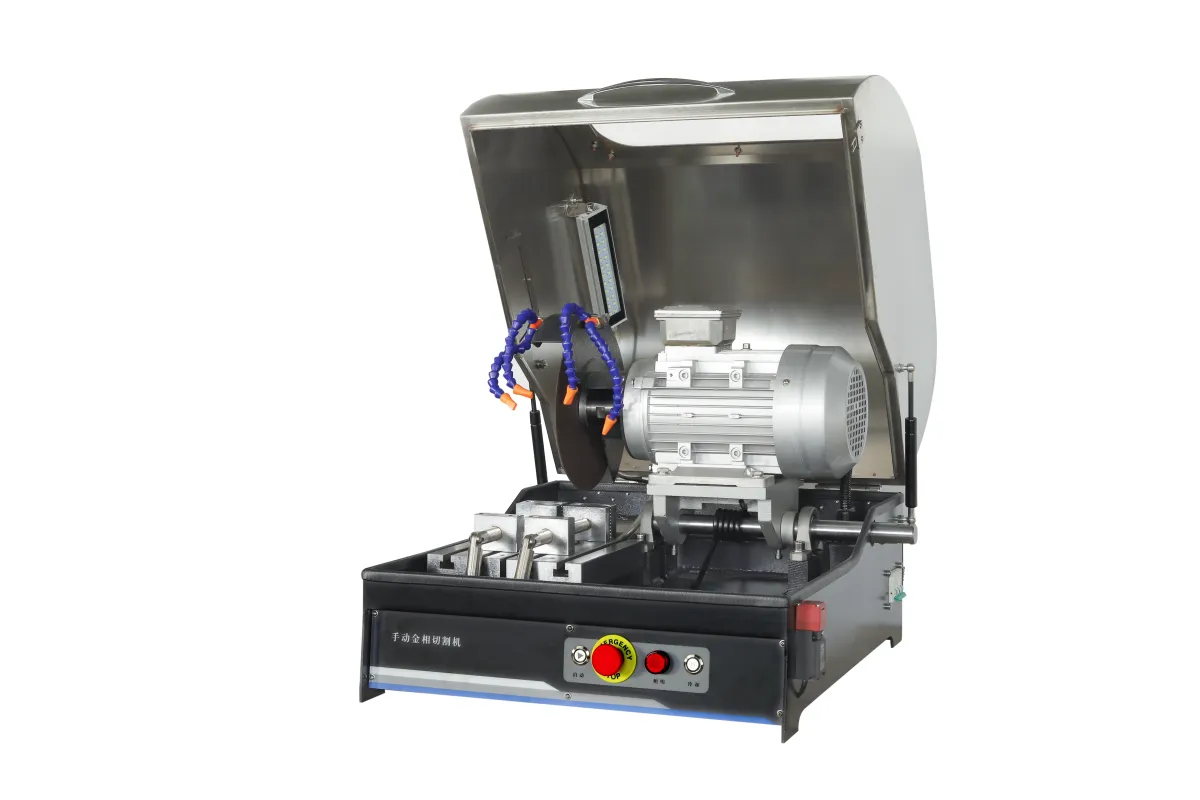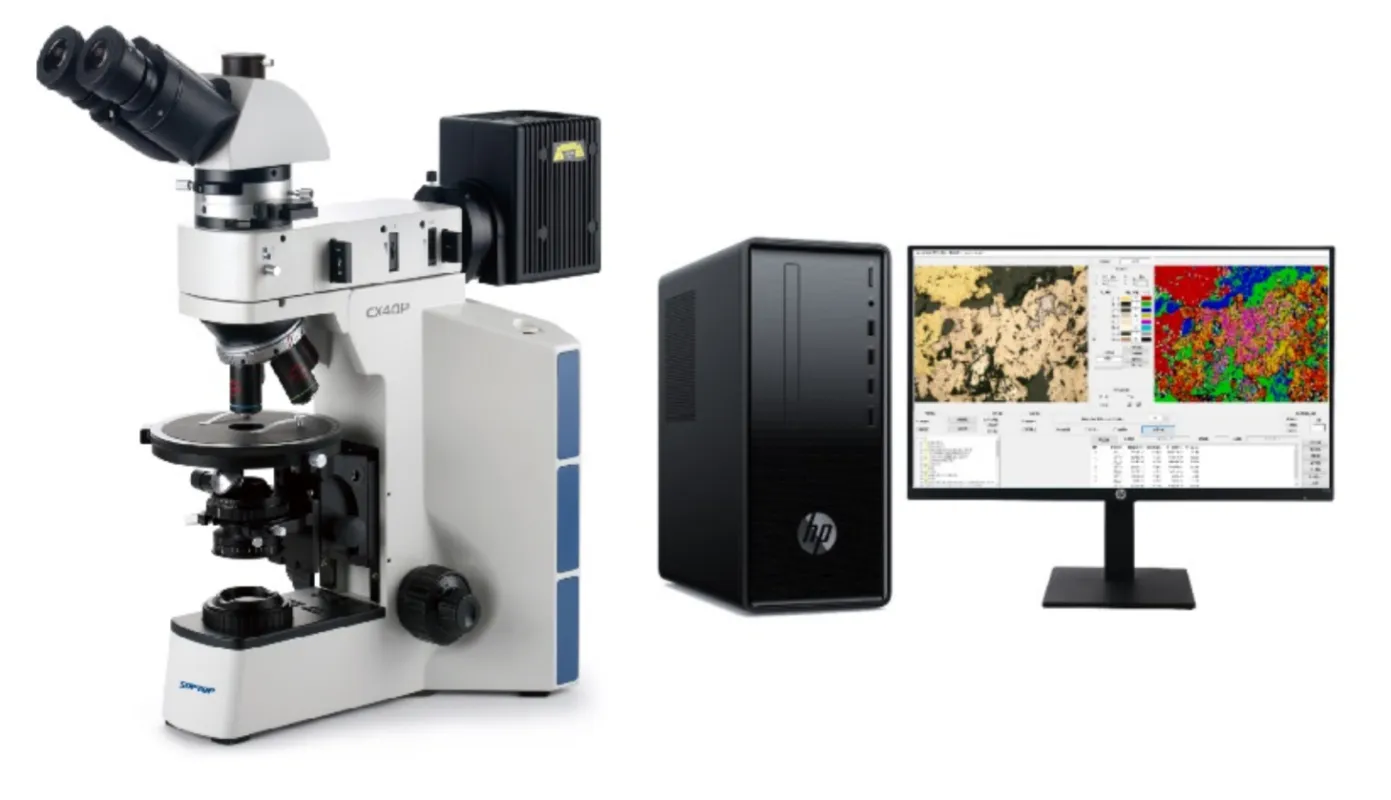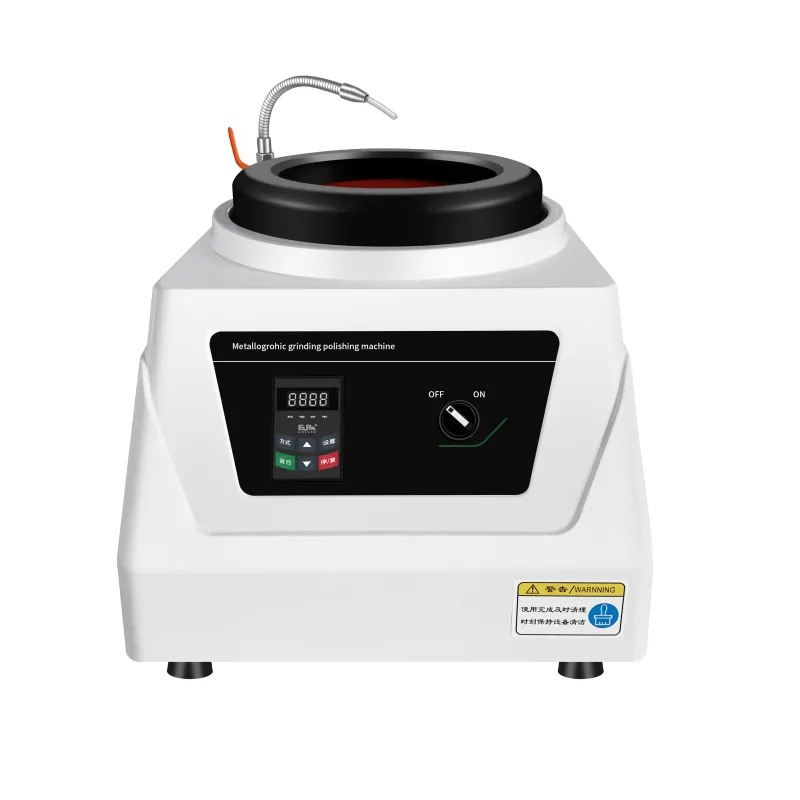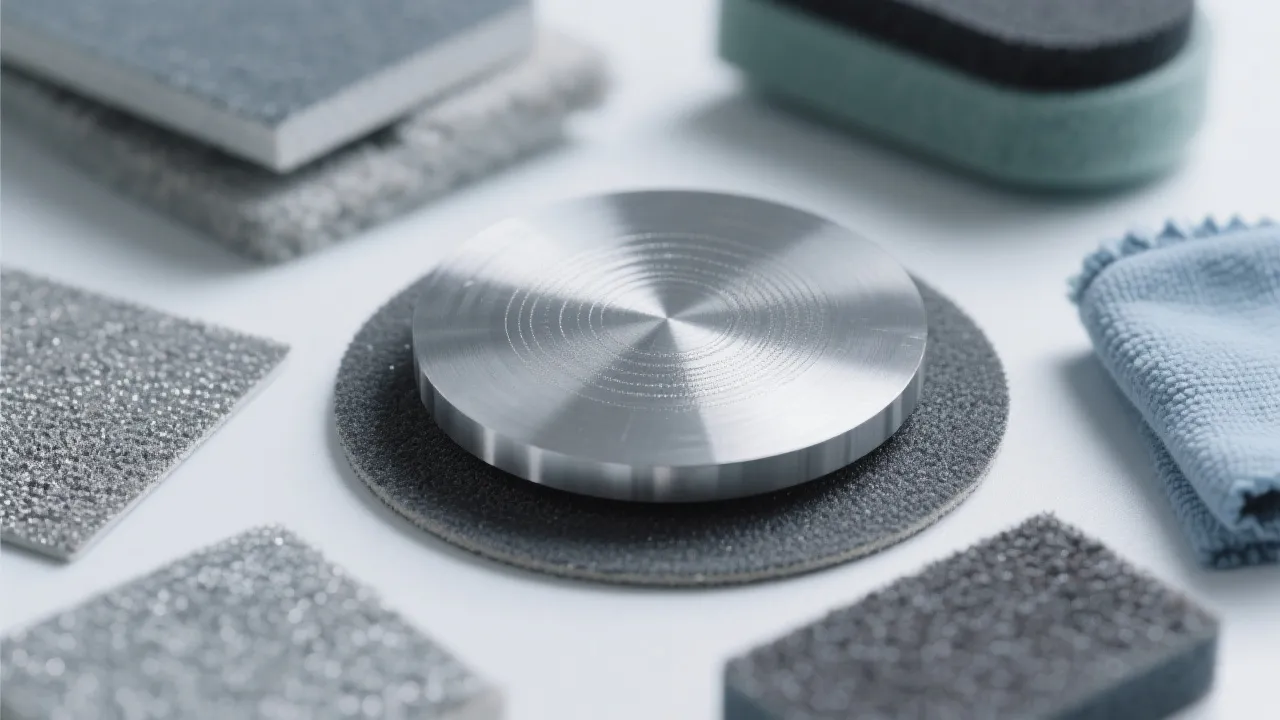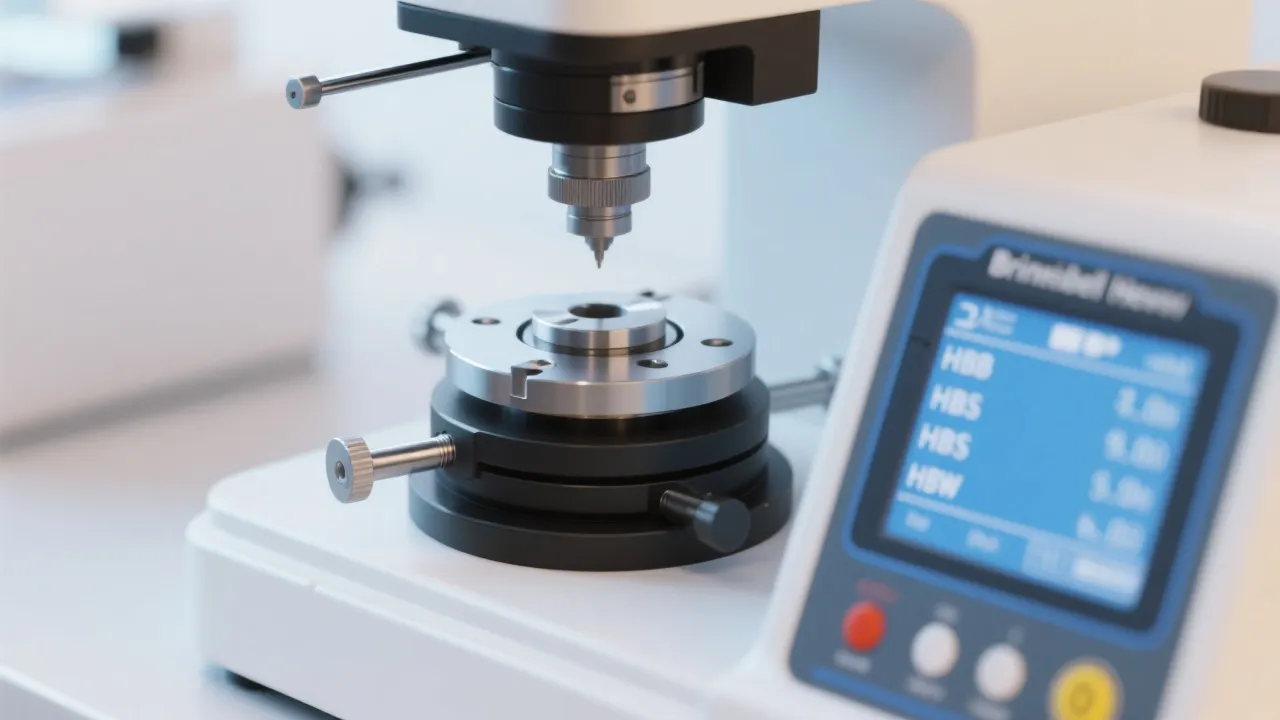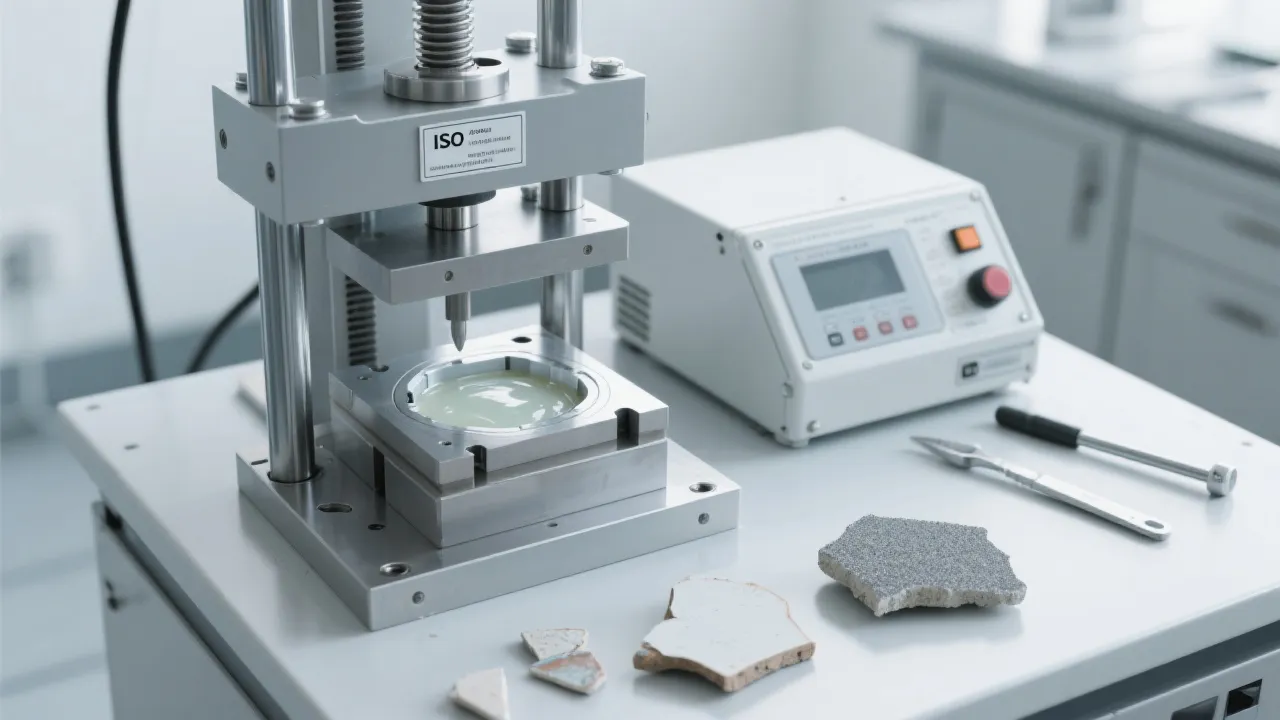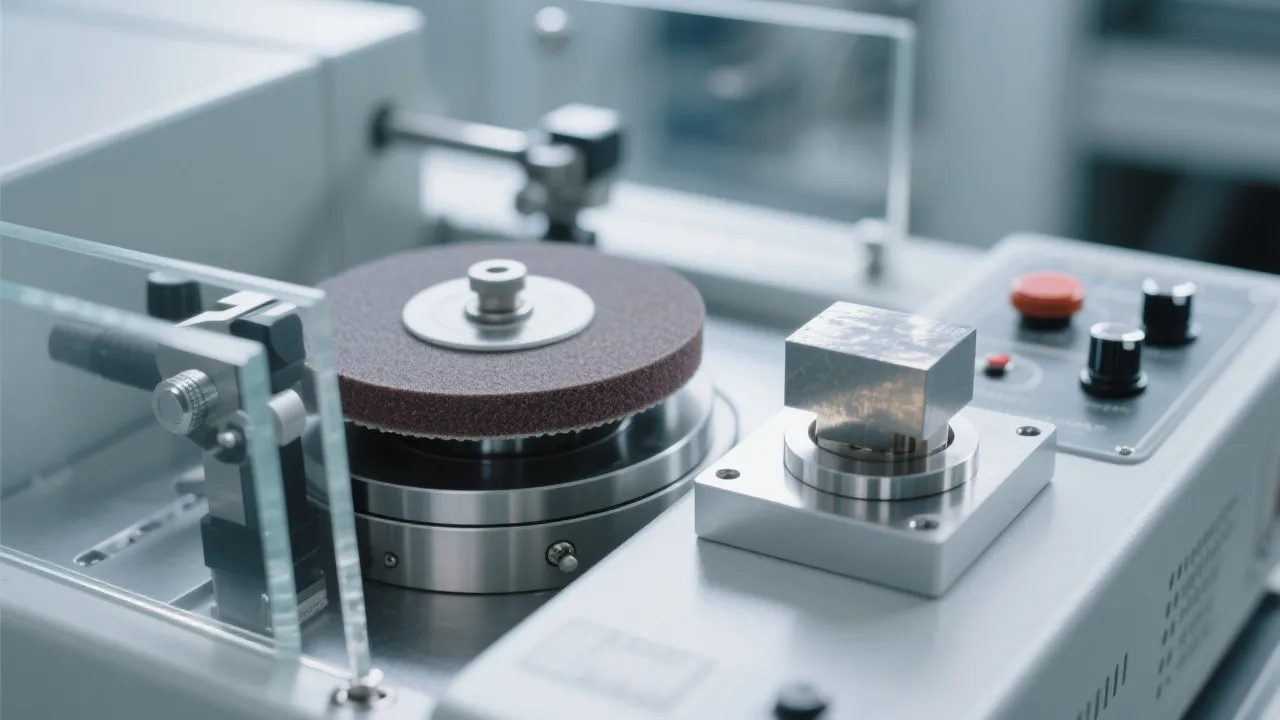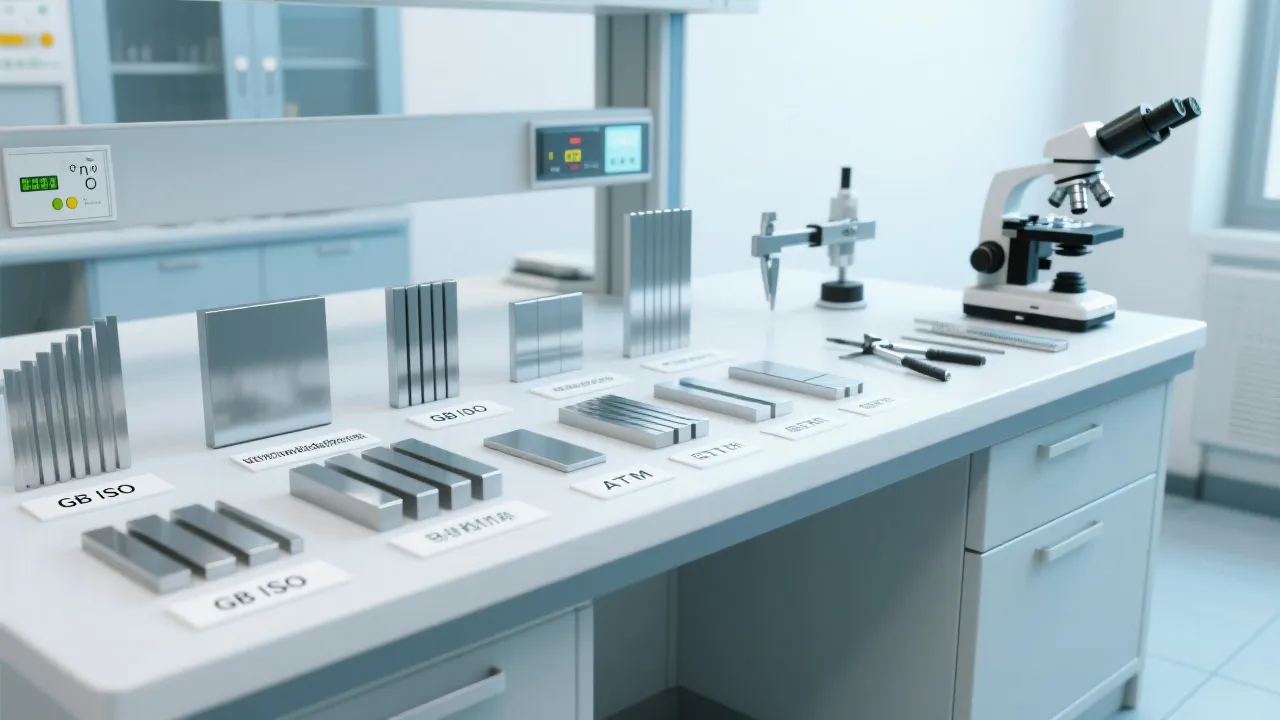
Metallographic sample preparation is a crucial process in material analysis and quality control. However, scratches on polished samples can distort the final results, leading to inaccurate interpretations. In this article, we will explore the common causes of scratches in metallographic polishing and provide a systematic troubleshooting process, combining with the technological advantages of the MP-1B Metallographic Sample Preparation Grinder-Polisher introduced by Laizhou Jincheng Industrial Equipment Co., Ltd.
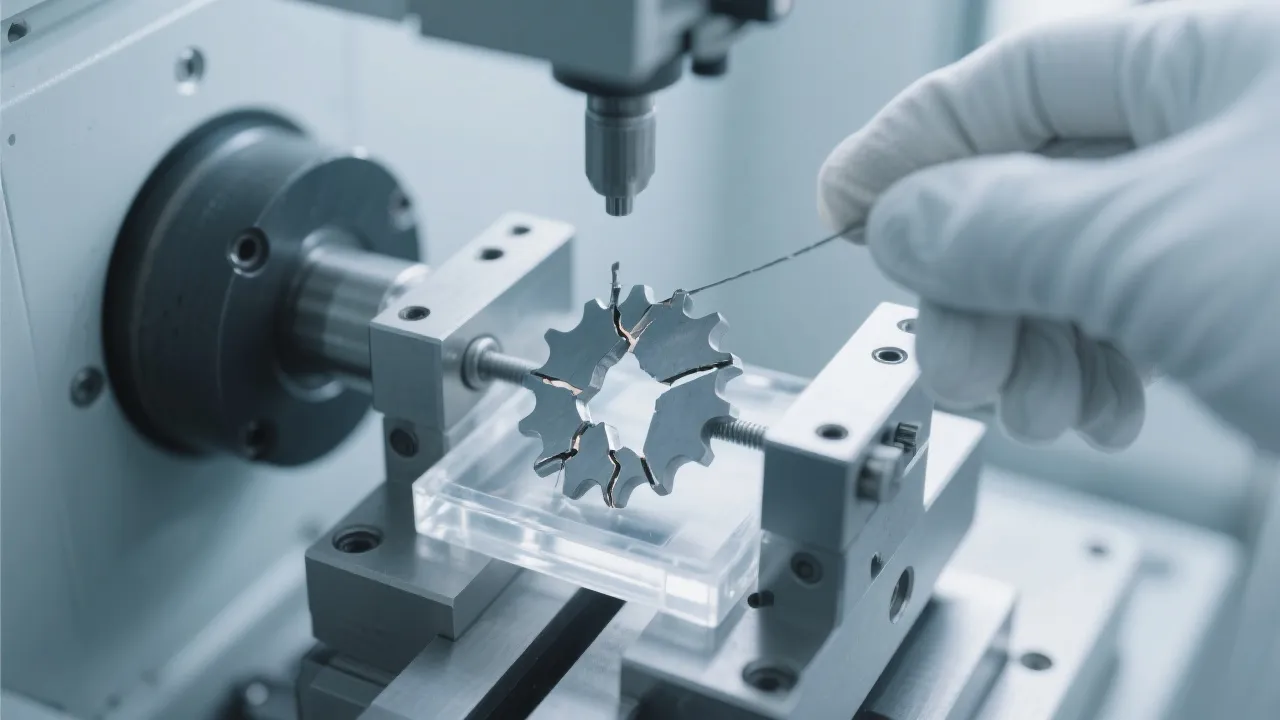
Scratches on metallographic samples can vary in size and depth. These can disrupt the microstructure visibility, making it difficult to accurately identify grain boundaries, phases, and other key features. For example, in a high-precision research project, even a minor scratch can lead to misinterpretation of the material's properties, causing significant setbacks in research progress.
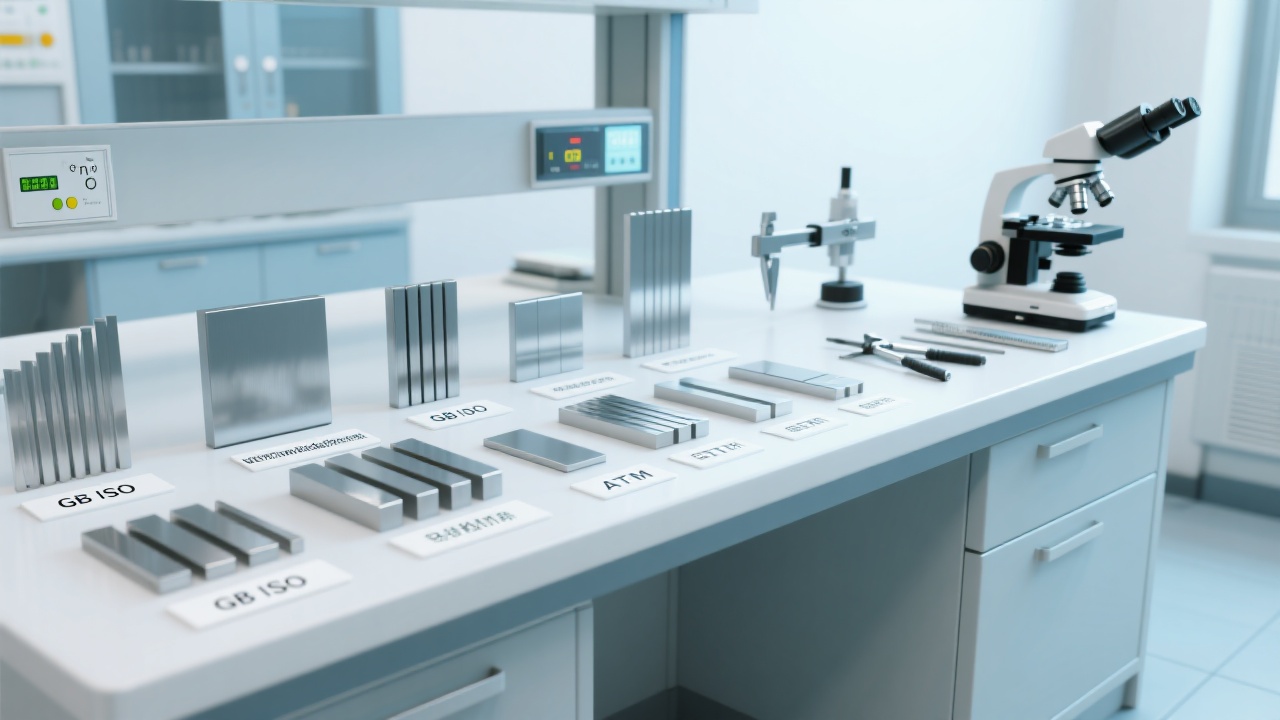
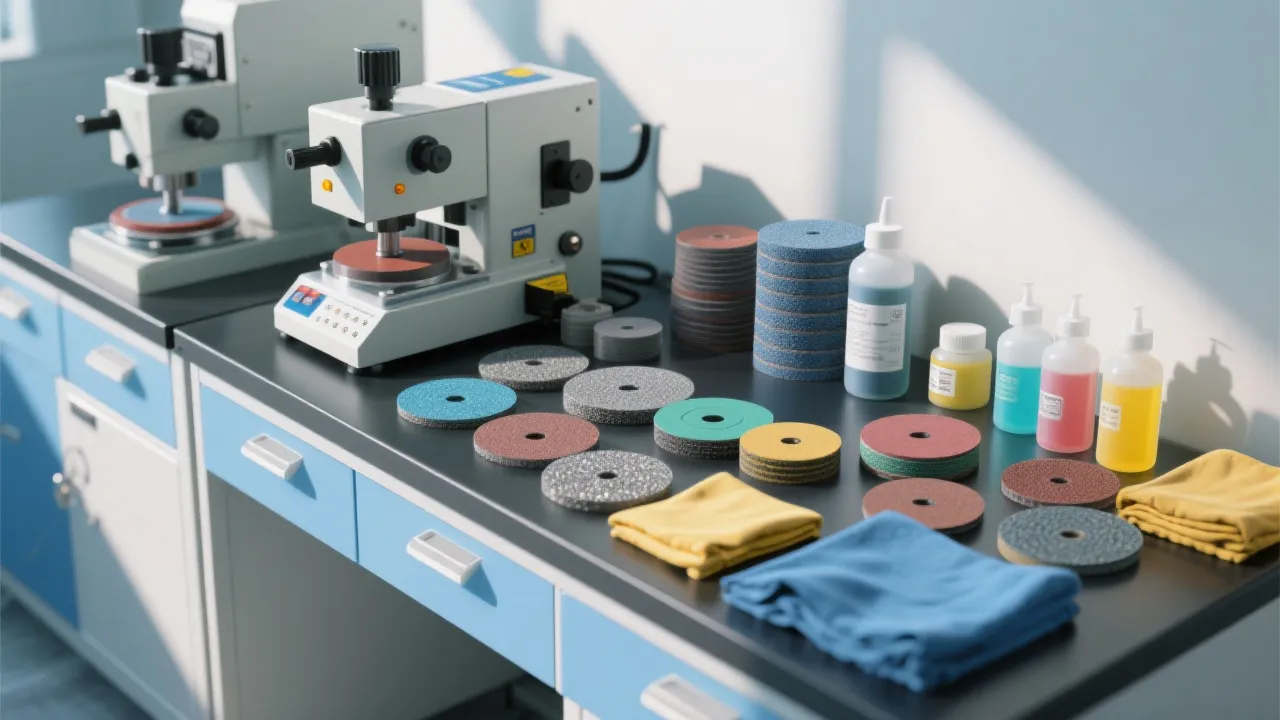
There are several factors that can cause scratches during the polishing process. One of the main culprits is the contamination of the polishing medium. If the polishing liquid contains abrasive particles larger than necessary or foreign contaminants, they can leave scratches on the sample surface. Another common issue is the wear of the polishing disc. Over time, the polishing disc can become uneven, leading to inconsistent pressure distribution and subsequent scratches.
Unstable equipment rotation speed is also a major factor. Fluctuations in speed can cause the polishing cloth to move irregularly, resulting in scratches. Additionally, the aging of the polishing cloth can reduce its effectiveness in holding abrasive particles, increasing the risk of scratches.
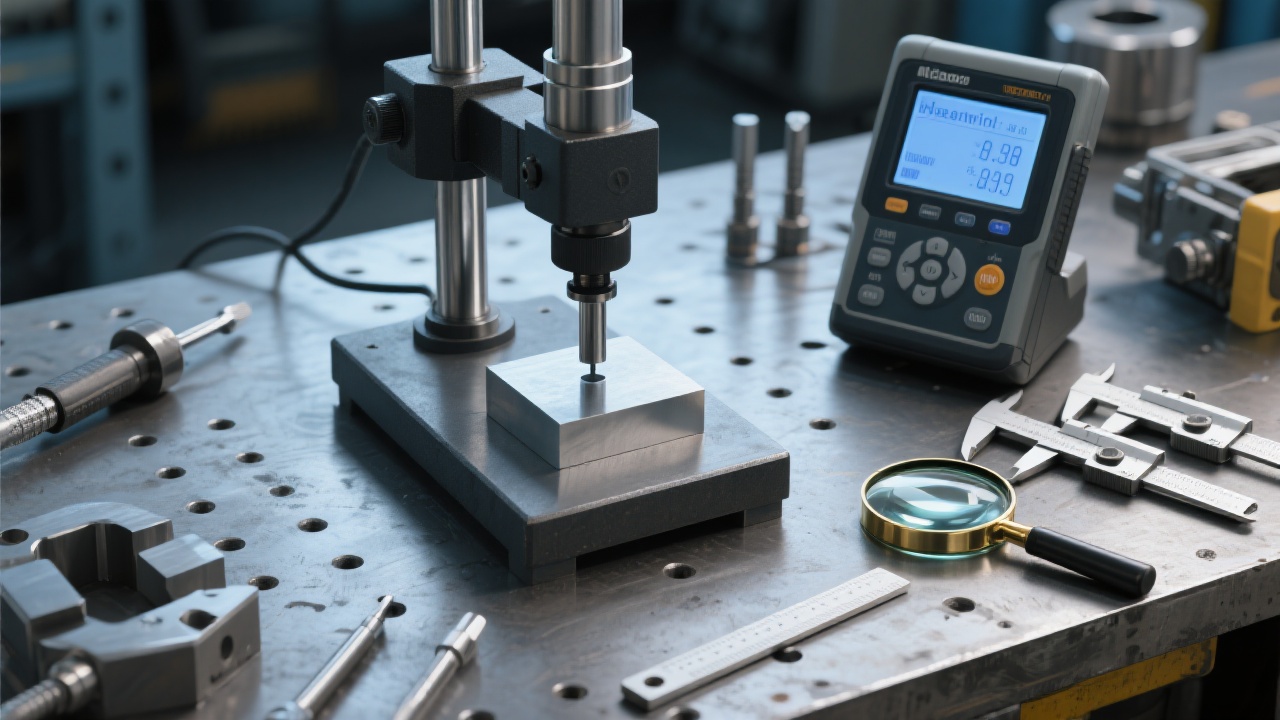
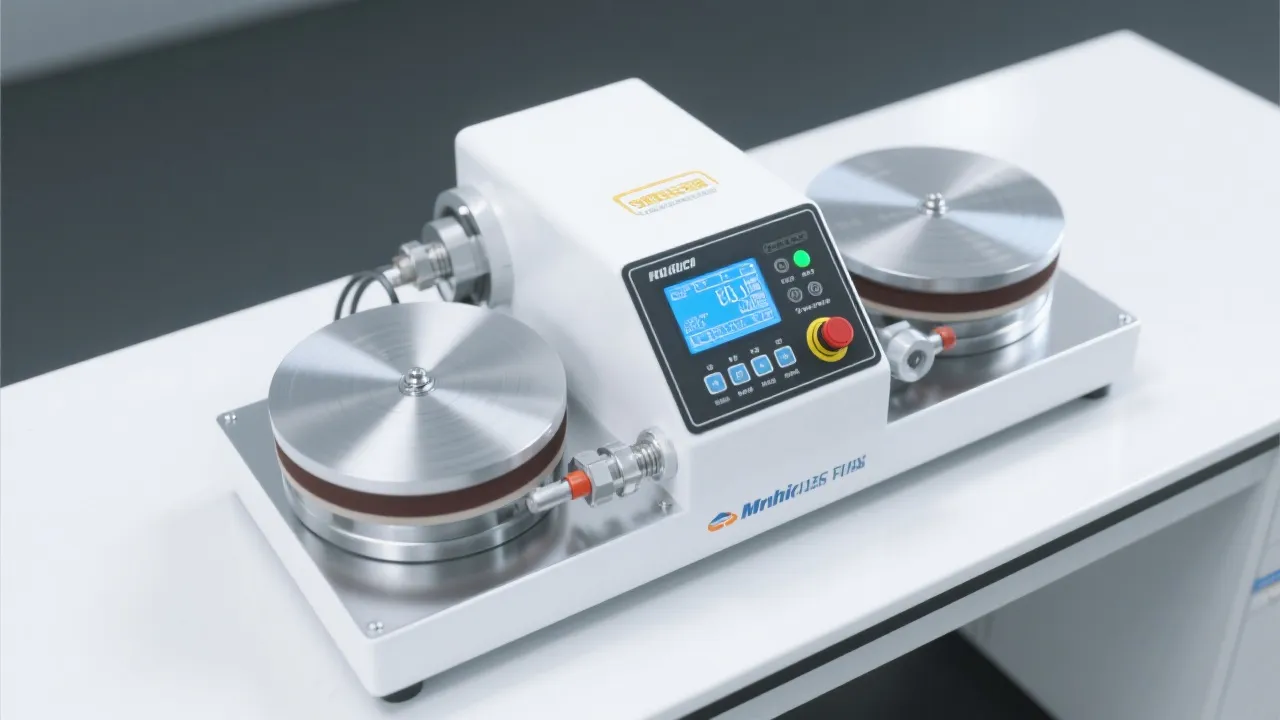
The MP-1B Metallographic Sample Preparation Grinder-Polisher from Laizhou Jincheng offers several unique features that address these issues. With its stepless speed regulation function, the MP-1B can maintain a stable rotation speed, ensuring consistent polishing results. This is particularly important for achieving high-quality samples, especially in applications where precision is critical. Moreover, the low-noise design of the MP-1B provides a more comfortable working environment for technicians.
To effectively solve the problem of scratches, a systematic troubleshooting process is required. First, check the polishing medium for contamination. Replace the polishing liquid regularly and ensure that the storage environment is clean. Second, inspect the polishing disc for wear. If the disc shows signs of unevenness or excessive wear, it should be replaced immediately.
For the equipment rotation speed, use the MP-1B's stepless speed regulation function to set and maintain a stable speed. Regularly calibrate the equipment to ensure its accuracy. Regarding the polishing cloth, replace it periodically to maintain its optimal performance.
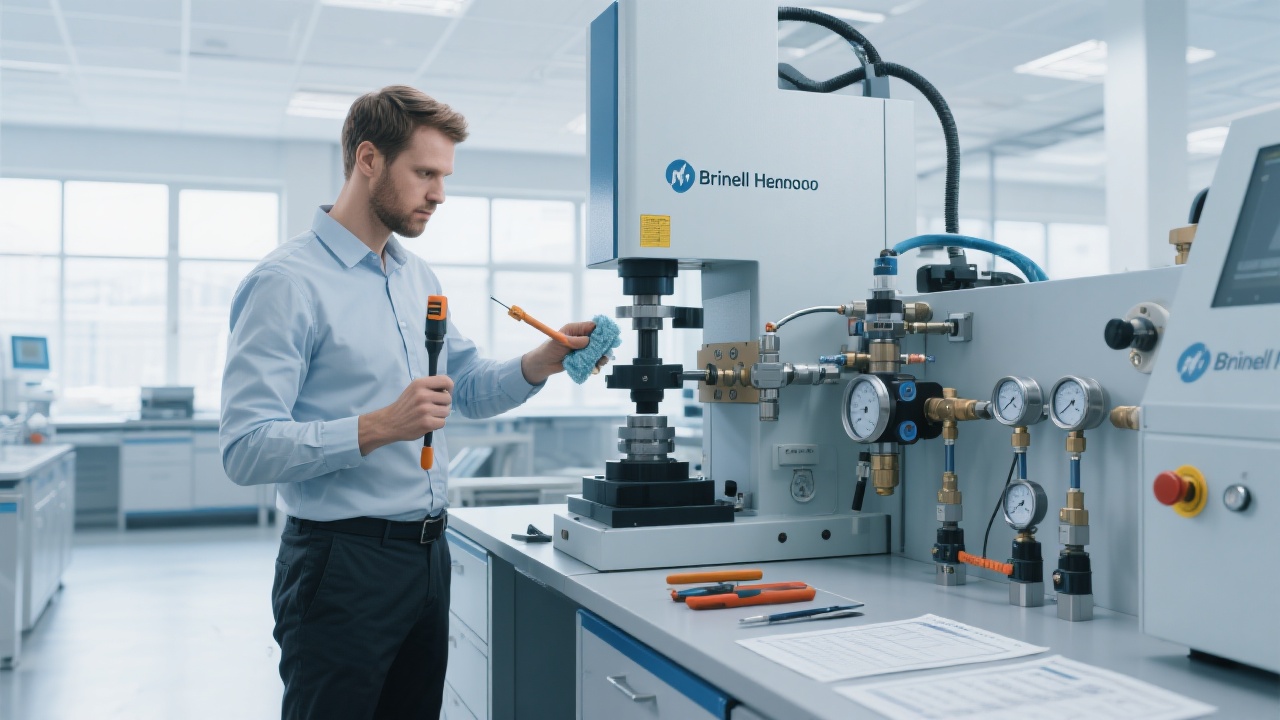
Regular equipment maintenance is crucial for preventing scratches and ensuring the long - term stability of the polishing process. This includes cleaning the equipment after each use, lubricating moving parts, and performing regular inspections. By following a strict maintenance schedule, the lifespan of the MP-1B can be significantly extended, and the quality of the metallographic samples can be consistently maintained.
In conclusion, understanding the causes of scratches in metallographic polishing and implementing effective troubleshooting and preventive measures is essential for achieving high - quality samples. The MP-1B Metallographic Sample Preparation Grinder-Polisher from Laizhou Jincheng provides a reliable solution with its advanced features. We encourage you to share your experiences and ask any questions about metallographic polishing in the comments below. If you want to learn more about the MP-1B and how it can improve your metallographic sample preparation process, click here.
 metallographic cutting machine
ASTM E3 standard
ISO 14106
manual metallography cutter
sample preparation technique
metallographic cutting machine maintenance
metallographic cutting machine保养指南
metallographic cutting machine常见故障处理
metallographic cutting machine operation guide
metallographic cutting machine使用教程
precision cutting
micro-adjust feed
ceramic cutting techniques
multi-material parameter optimization
cutting accuracy control
Metallographic polishing scratch troubleshooting
MP - 1B polishing fault solutions
Metallographic sample polishing machine usage skills
Common problems in metallographic sample preparation
Laboratory sample preparation equipment
Metallographic cutter selection
Metallographic cutter maintenance
Cutter fault diagnosis
Reinforced grinding wheel specifications
Cooling system maintenance
metallographic cutting machine
ASTM E3 standard
ISO 14106
manual metallography cutter
sample preparation technique
metallographic cutting machine maintenance
metallographic cutting machine保养指南
metallographic cutting machine常见故障处理
metallographic cutting machine operation guide
metallographic cutting machine使用教程
precision cutting
micro-adjust feed
ceramic cutting techniques
multi-material parameter optimization
cutting accuracy control
Metallographic polishing scratch troubleshooting
MP - 1B polishing fault solutions
Metallographic sample polishing machine usage skills
Common problems in metallographic sample preparation
Laboratory sample preparation equipment
Metallographic cutter selection
Metallographic cutter maintenance
Cutter fault diagnosis
Reinforced grinding wheel specifications
Cooling system maintenance