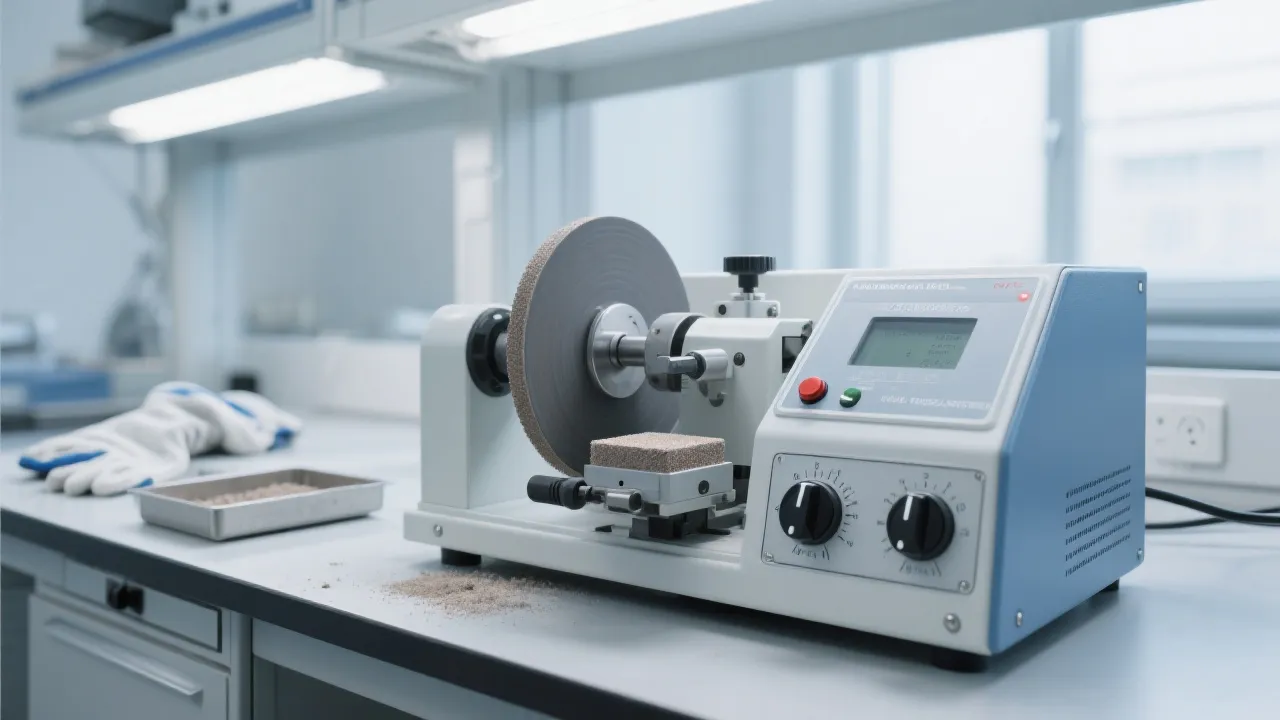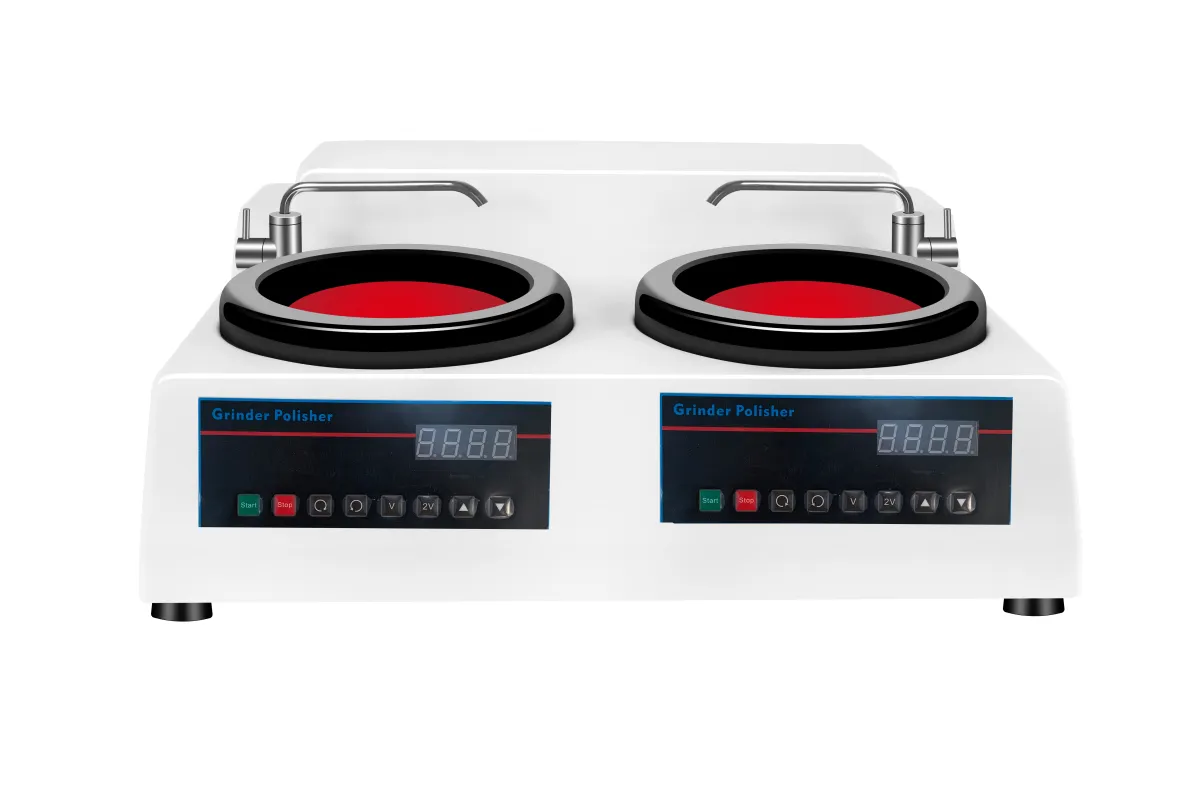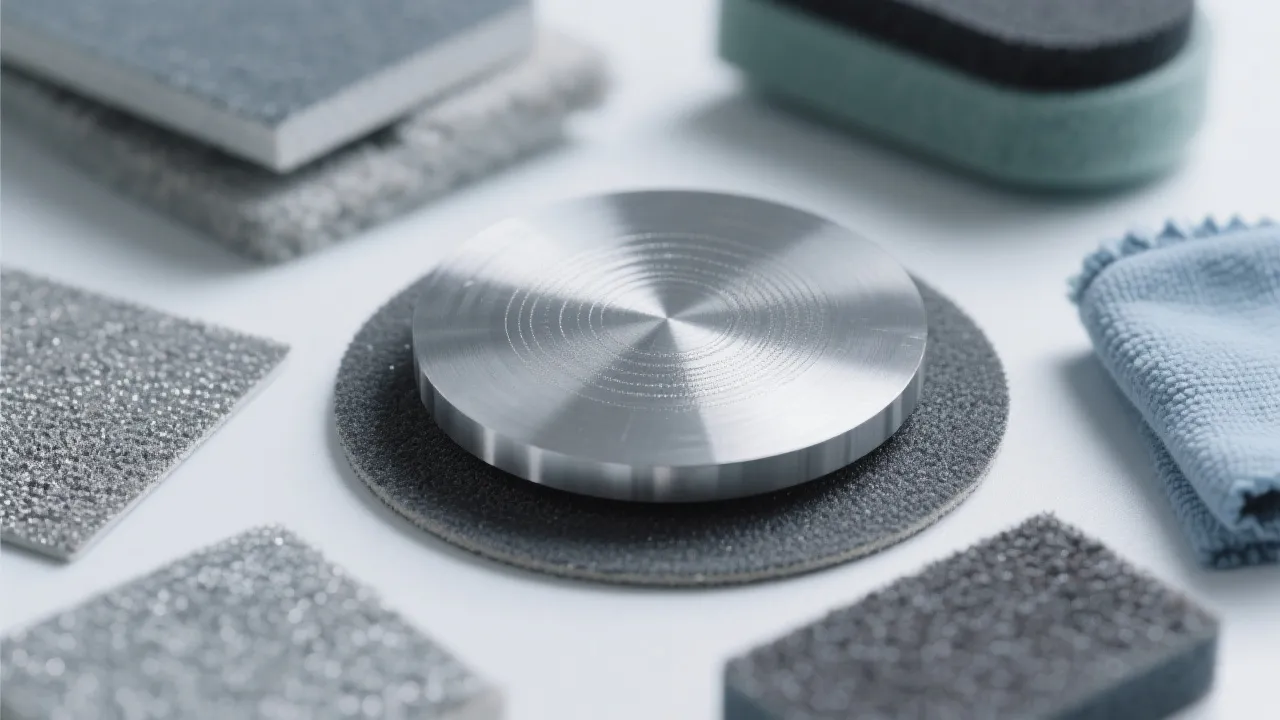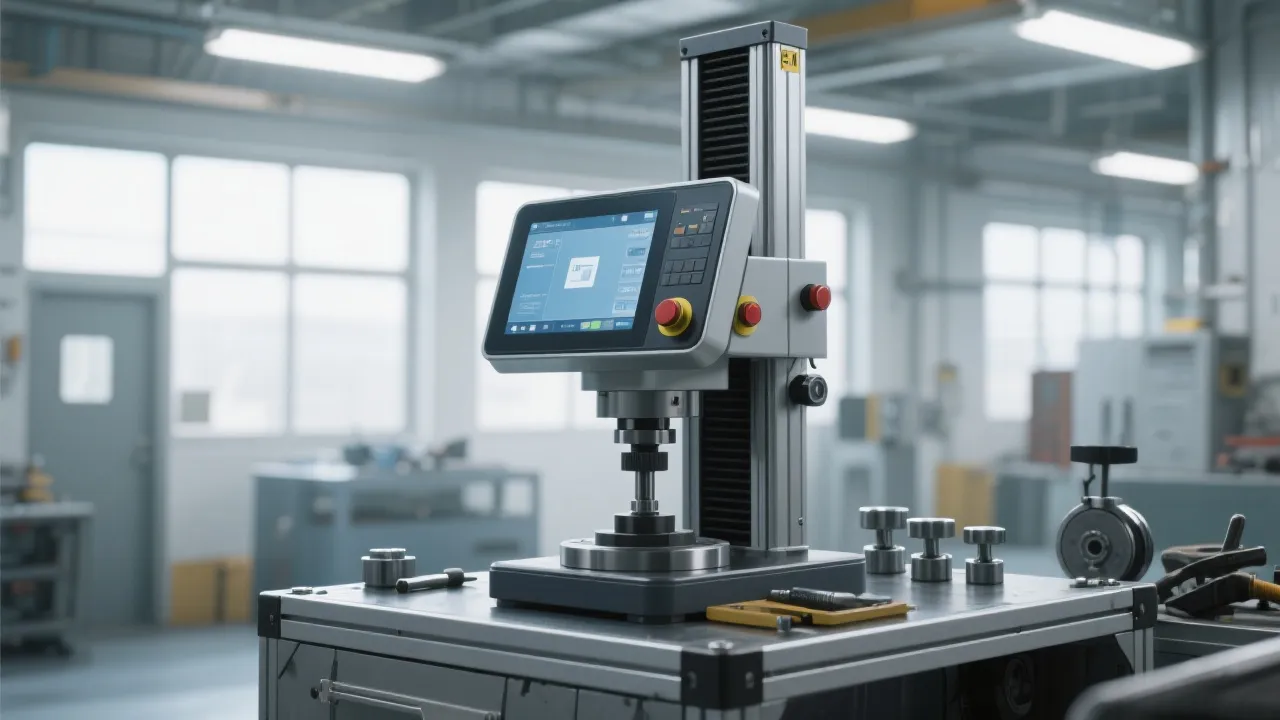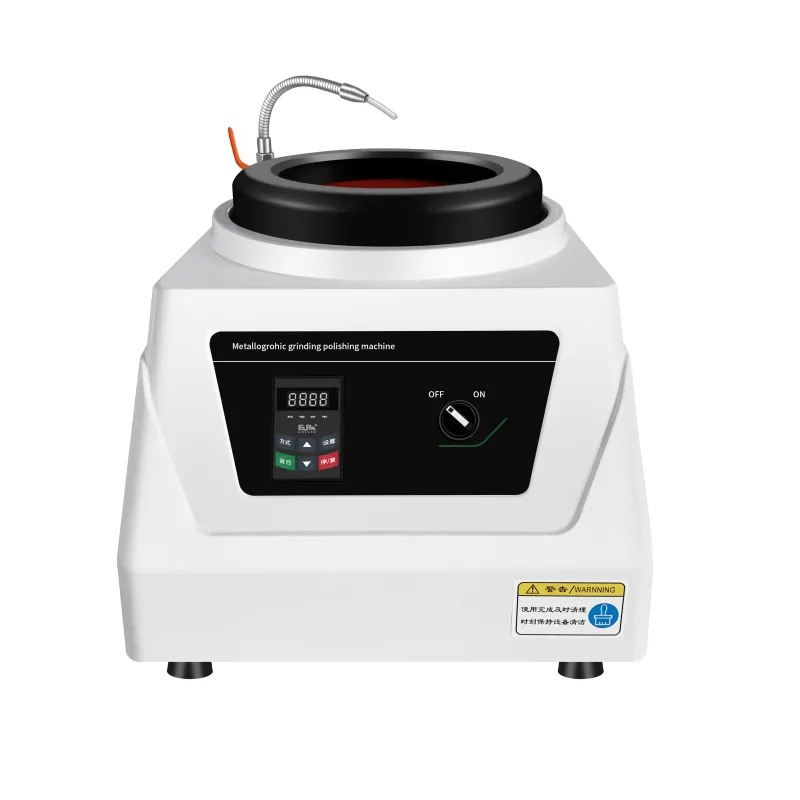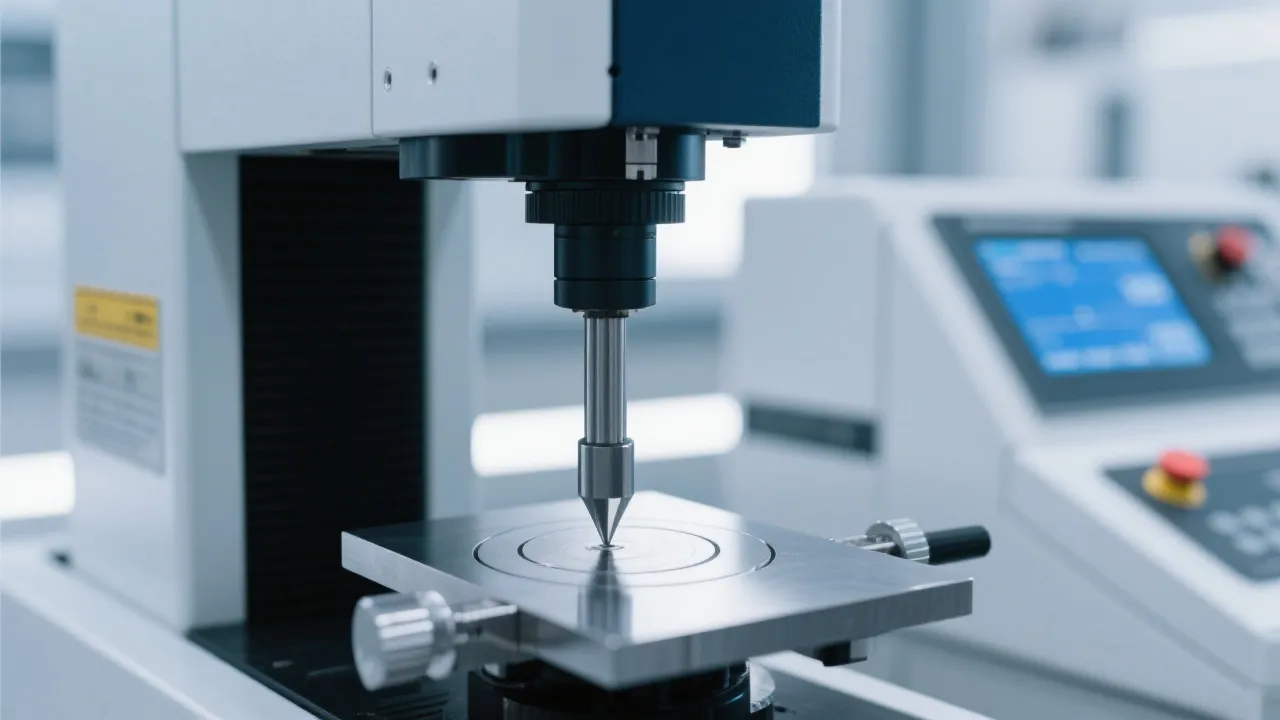
Are you facing the issue of scratches on your metallographic samples after polishing? Don't worry! This guide will delve into the common causes, from contamination of grinding media to aging of polishing cloth and unstable rotation speed. We'll provide you with a clear and executable troubleshooting flowchart and solutions. With the stepless speed regulation advantage and single - disc multi - function design of the MP - 1B metallographic grinder - polisher, you'll be able to quickly locate the root cause of the problem, improve sample preparation efficiency and image quality, and easily tackle the high - frequency pain points in laboratory and quality inspection scenarios.
You may be wondering why there are still scratches on your polished samples. These scratches can significantly affect your scientific research or quality inspection results. The presence of scratches can lead to inaccurate analysis and misinterpretation of the microstructure of the samples, causing delays in your projects and potentially leading to incorrect decisions.
1. Grinding fluid contamination: Contaminated grinding fluid can introduce foreign particles onto the sample surface, causing scratches during the polishing process. 2. Polishing cloth wear: Over time, the polishing cloth can wear out, losing its ability to provide a smooth polishing surface. 3. Improper pressure: Applying too much or too little pressure during polishing can result in uneven polishing and scratches. 4. Rotation speed fluctuations: Unstable rotation speed can cause inconsistent polishing, leading to scratches. 5. Incorrect operating habits: For example, improper handling of the sample or incorrect use of the polishing equipment can also cause scratches.
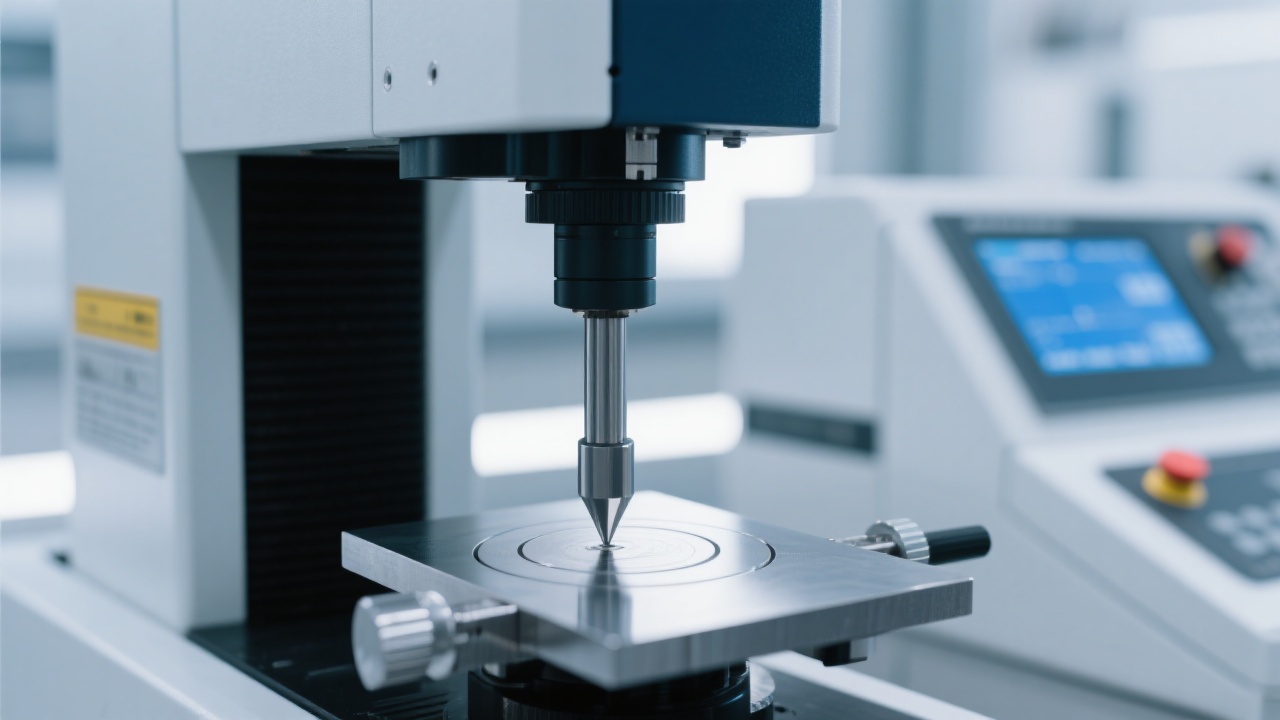
To effectively troubleshoot the scratches, you need to follow a structured process. First, check the equipment status, including the rotation speed stability and the functionality of the MP - 1B's stepless speed regulation system. Then, examine the condition of the consumables, such as the polishing cloth and the grinding fluid. Finally, review the process parameters, such as the pressure and the rotation speed settings. By following this process, you can quickly identify the root cause of the scratches.
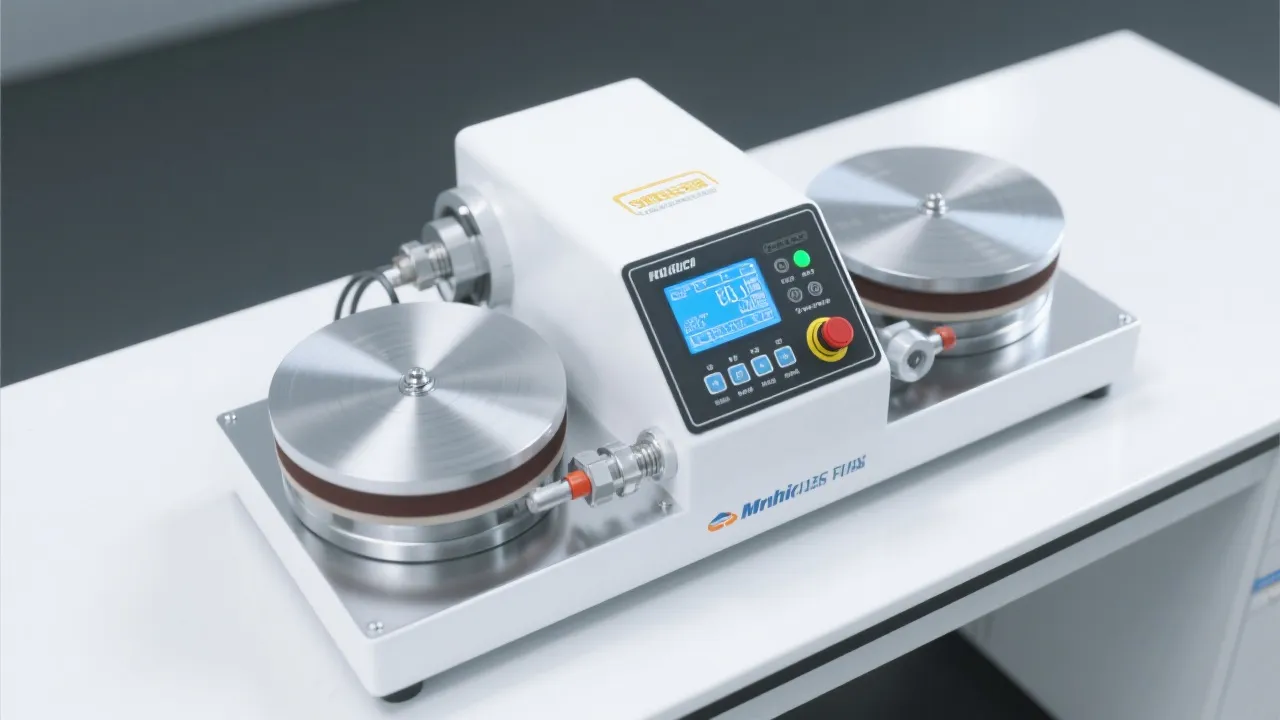
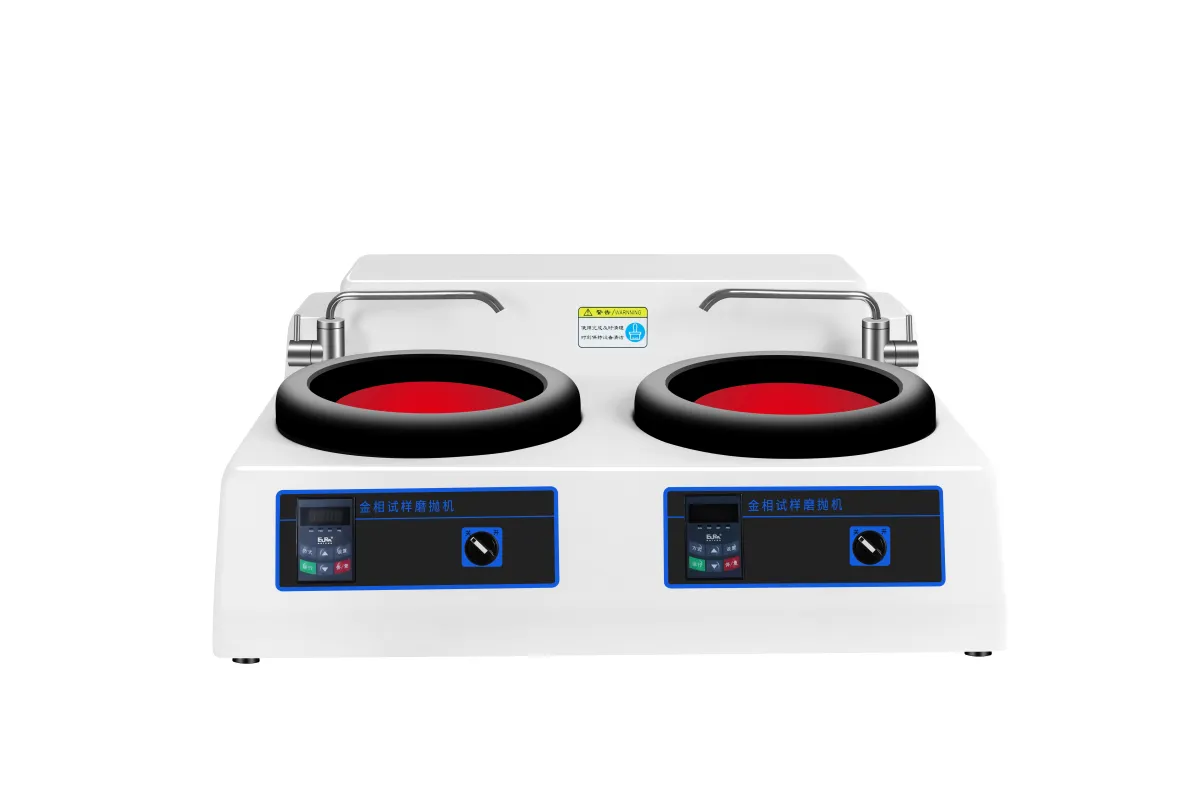
The MP - 1B metallographic grinder - polisher is equipped with a stepless speed regulation system that allows for precise speed adjustment from 50 to 1000 rpm. This precise control ensures the stability of the polishing process, effectively avoiding scratches caused by rotation speed fluctuations, especially in the low - speed range. With its single - disc multi - function design, the MP - 1B can meet various polishing requirements, improving your work efficiency.
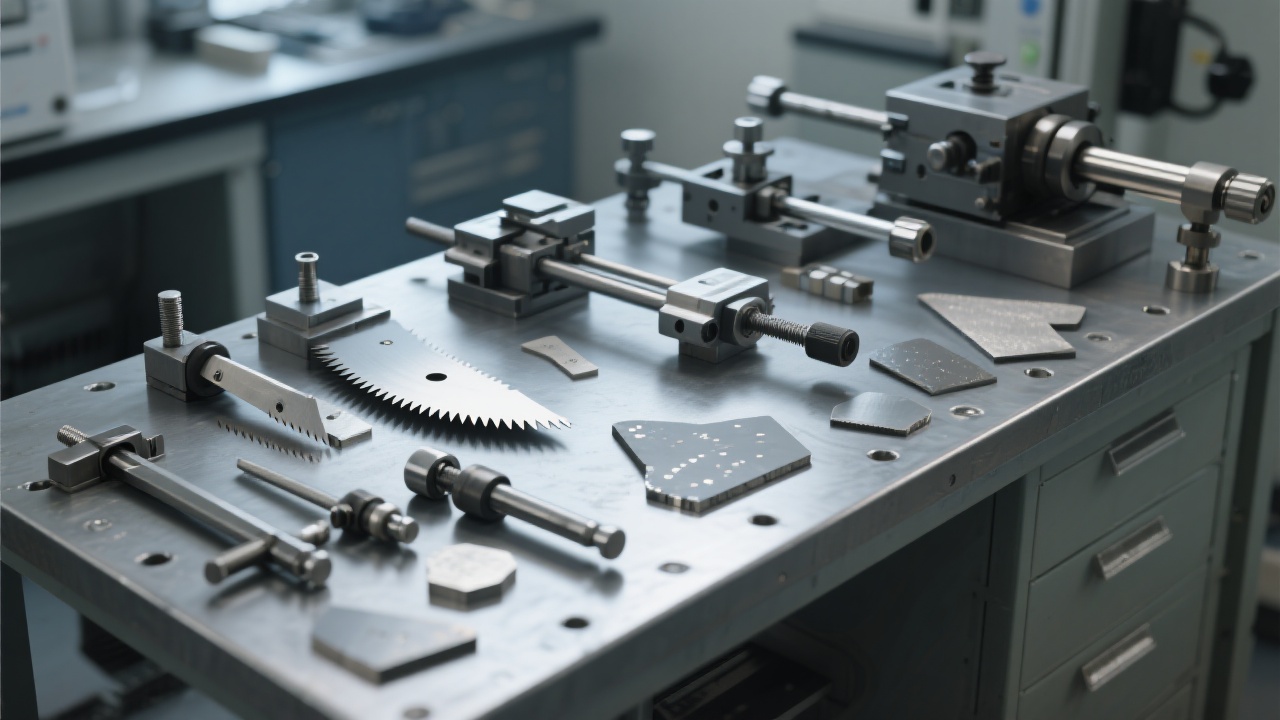
To prevent scratches from occurring in the first place, regular maintenance is crucial. Here are some practical suggestions:
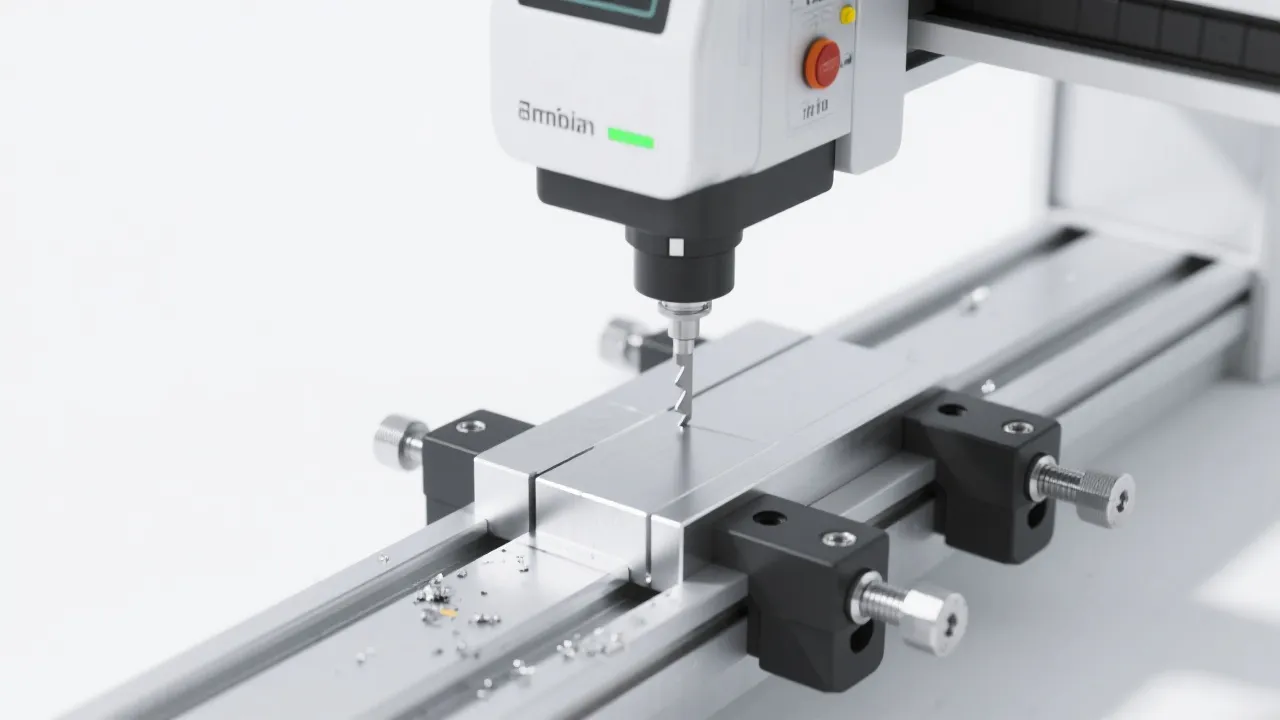
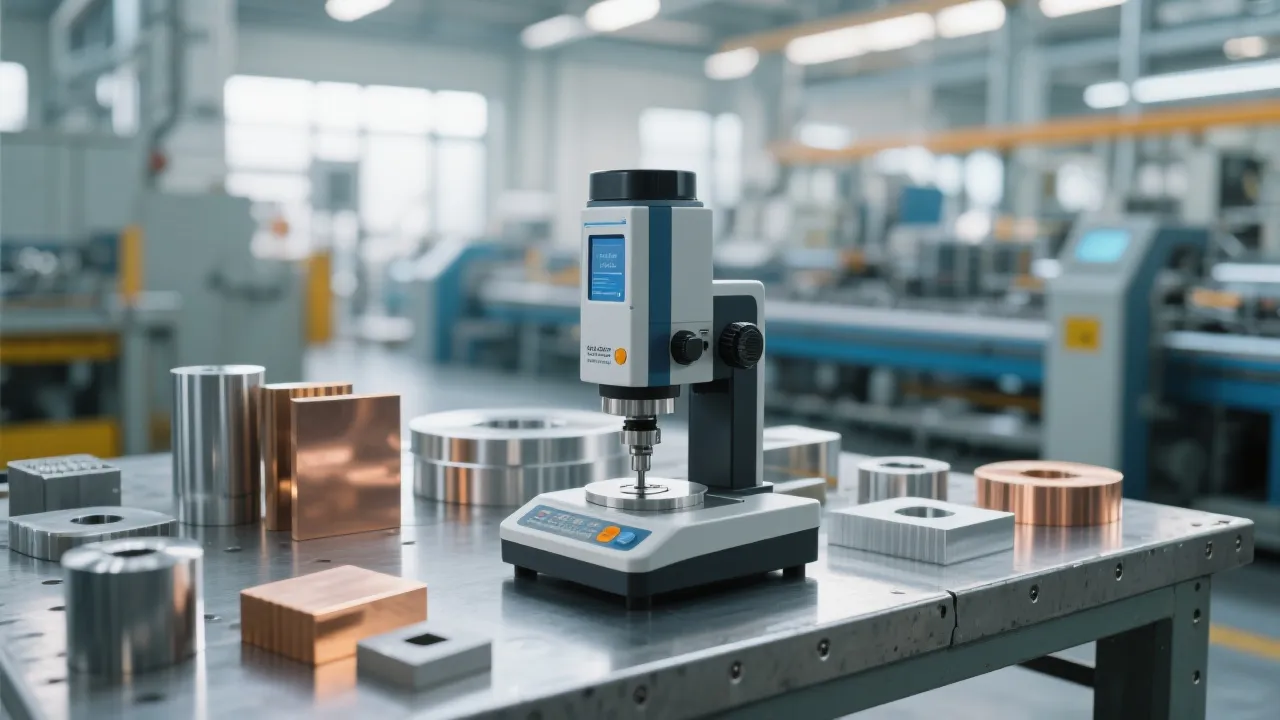
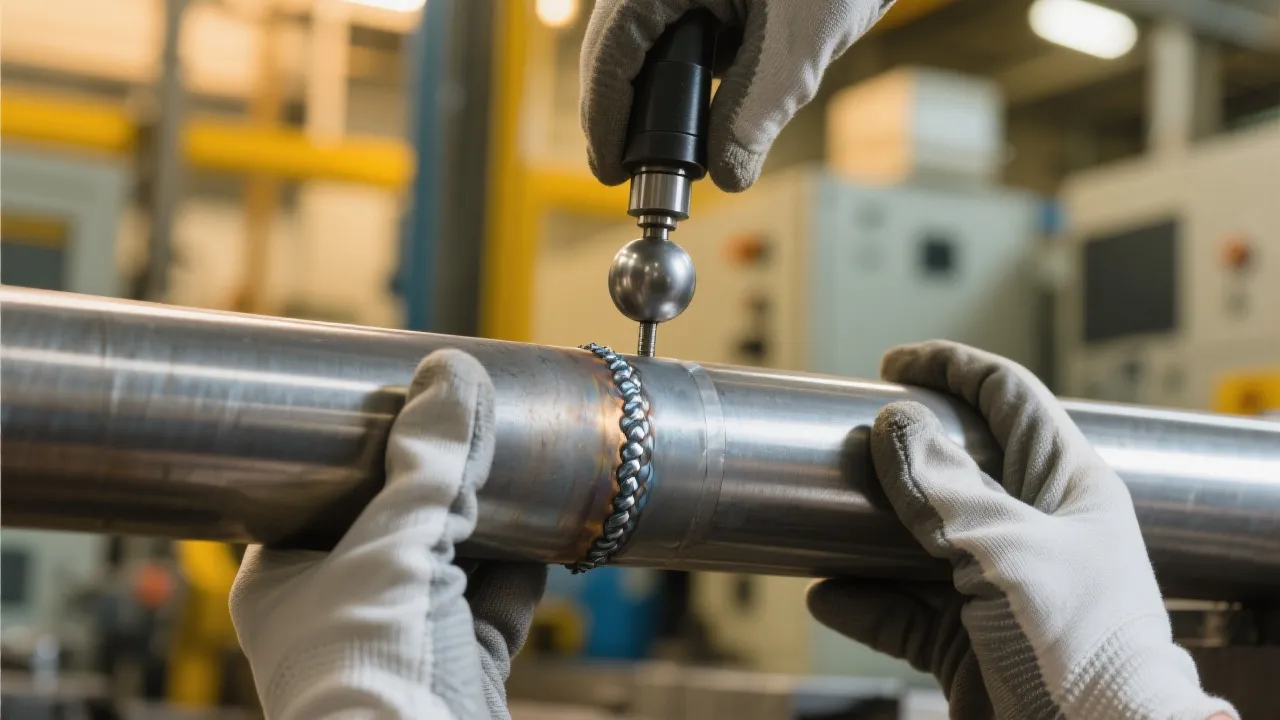
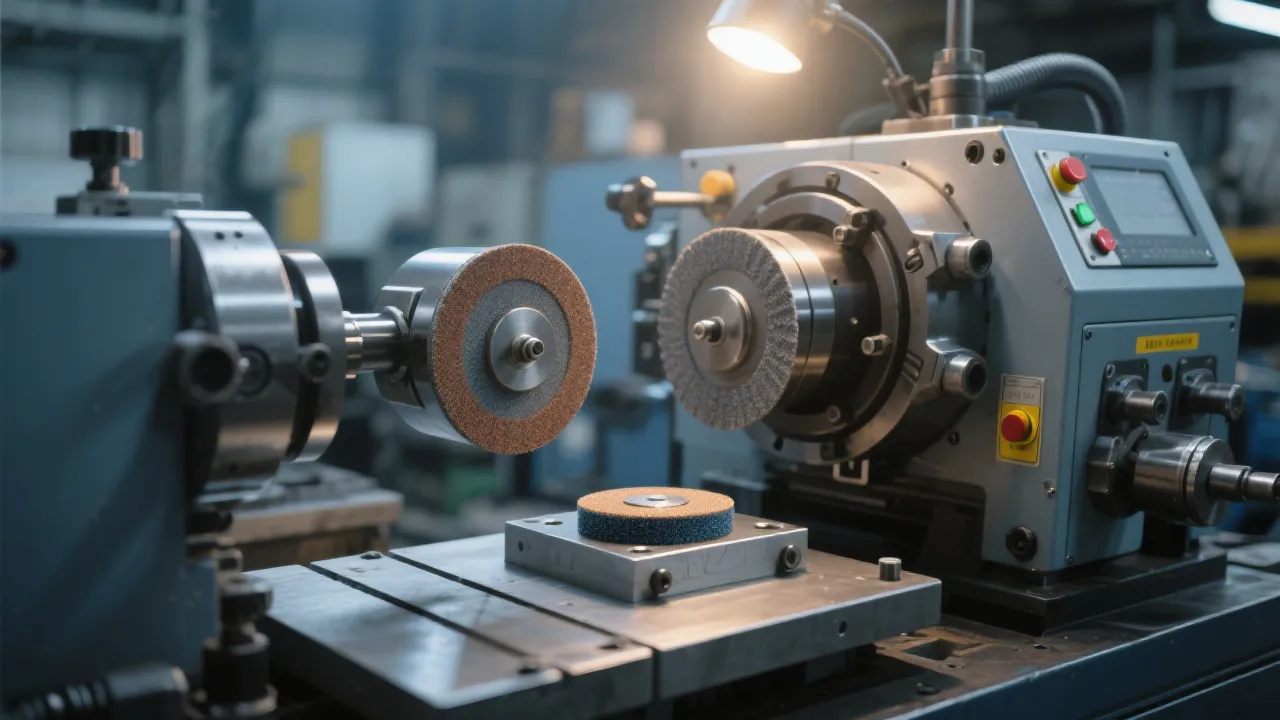
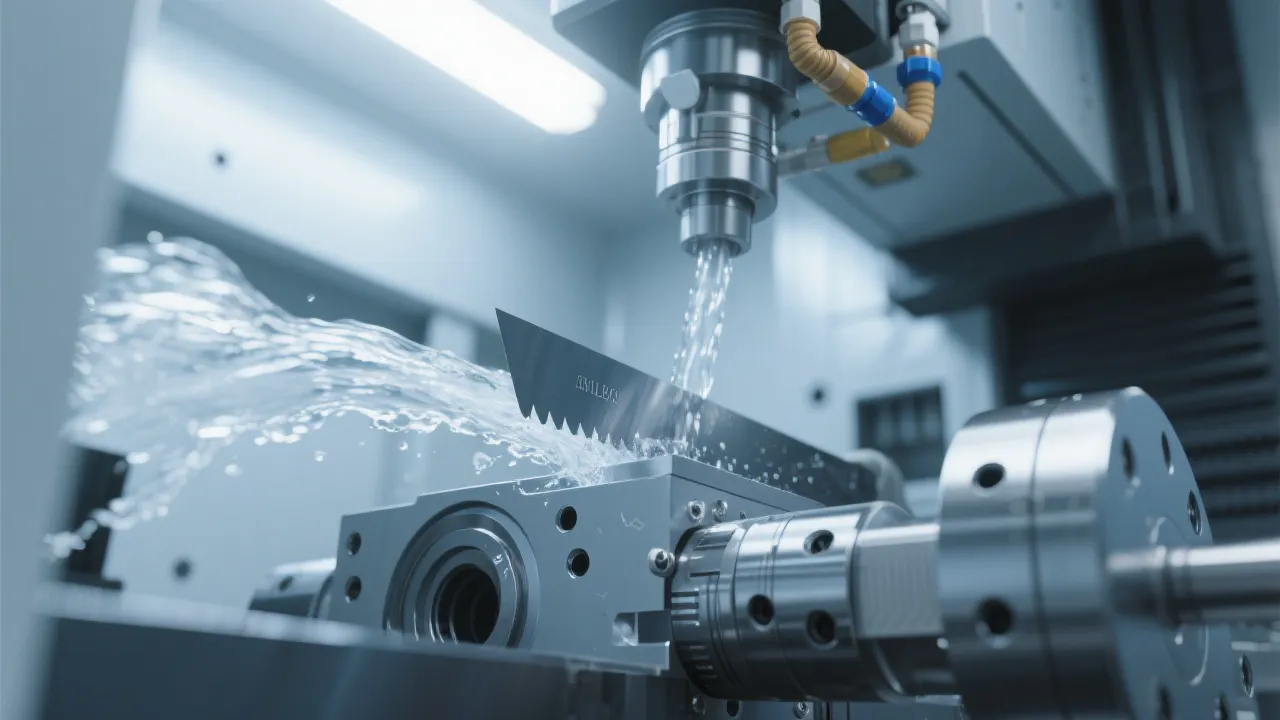
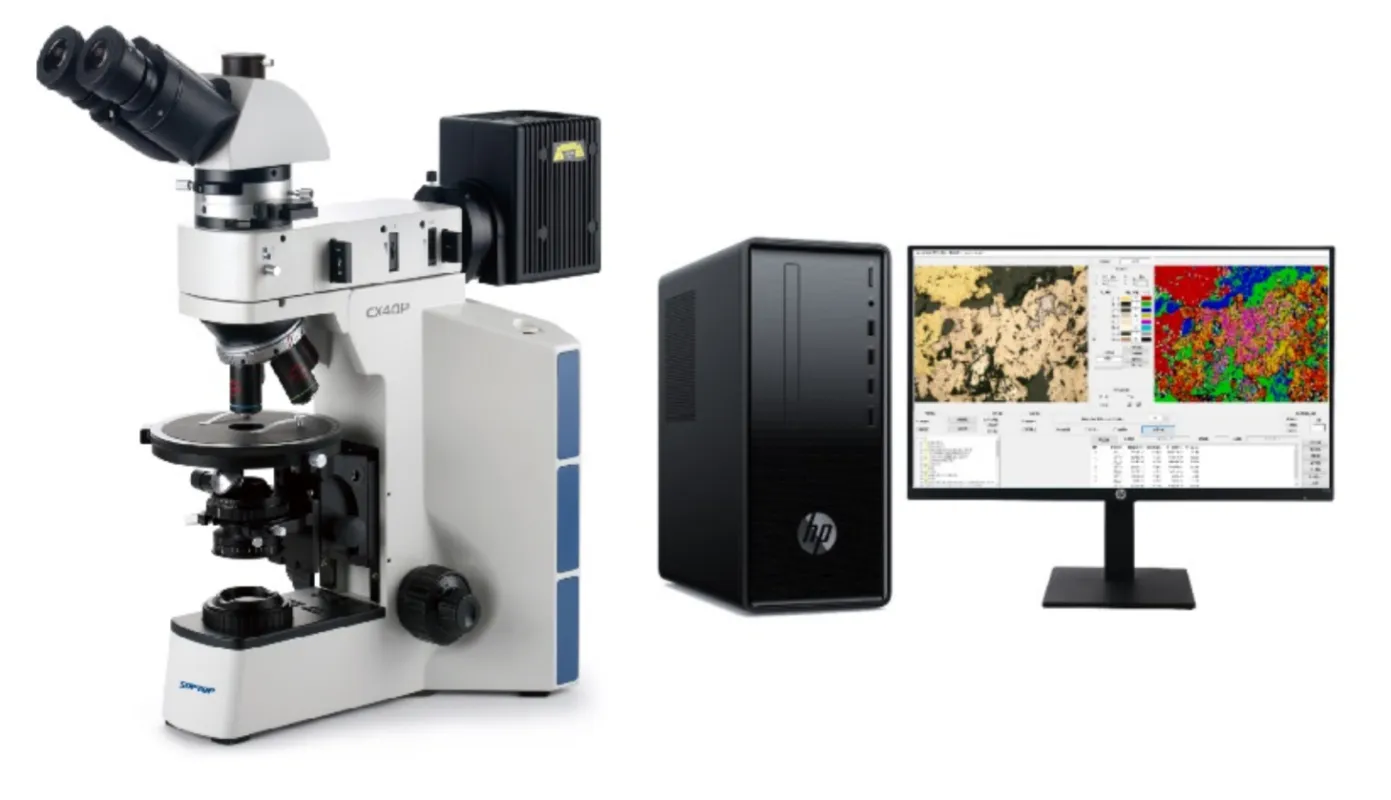
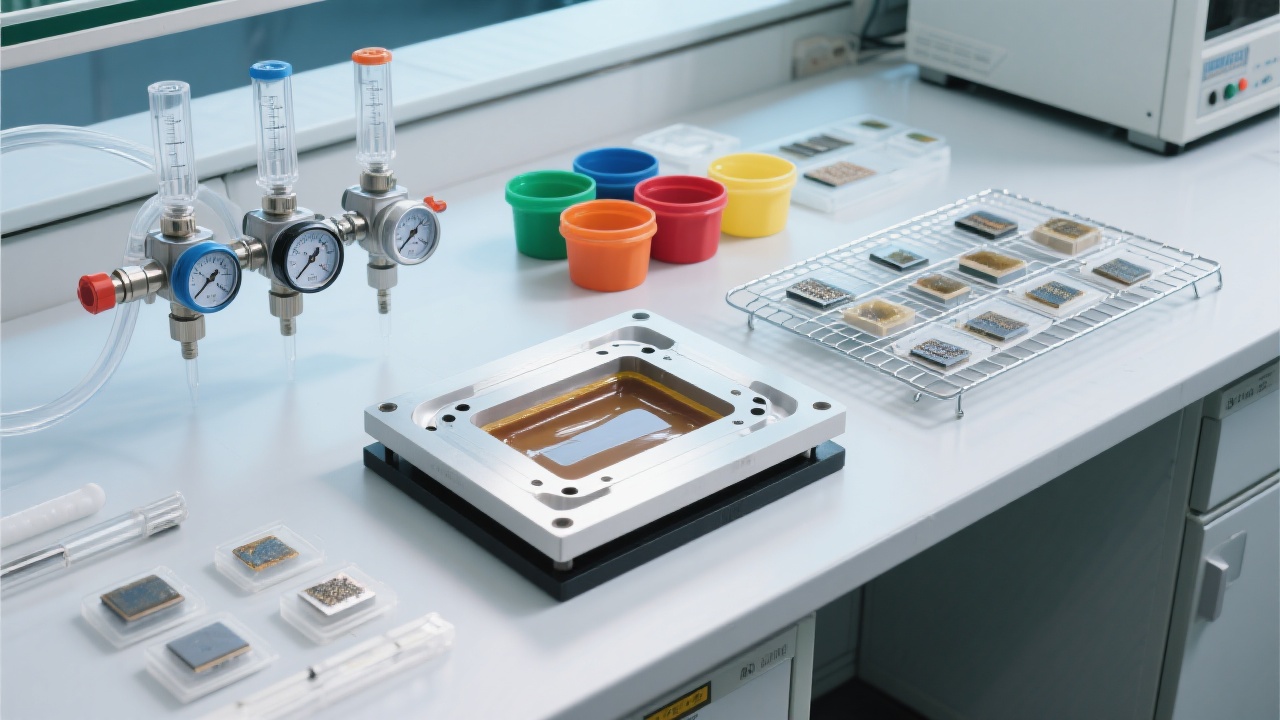
To help you better understand the troubleshooting process, we've included a flowchart and schematic diagrams. These visual aids will enhance your comprehension and provide practical guidance for your work.
Ready to solve your metallographic polishing scratch problems? Click here to learn more about the MP - 1B metallographic grinder - polisher and how it can help you achieve high - quality sample preparation!
 metallographic grinding and polishing machine
material quality control
sample preparation optimization
grinding speed adjustment
technical training for quality inspection
Metallographic sample preparation
SQ-60 high efficiency metal cutting machine
Data stability
ASTM E3-11
Intelligent cooling system
P-2G high-speed double-disc polisher
standardized metal sample polishing
low-noise polishing equipment
ASTM ISO polishing standards
metal sample surface flatness
Metallographic polishing scratch troubleshooting
Metallographic sample grinder - polisher operation skills
MP - 1B polishing fault solutions
Metallographic sample polishing maintenance
Grinder - polisher fault exclusion
polishing machine enclosure material
metallography equipment durability
fiberglass vs stainless steel
lab equipment corrosion resistance
industrial polishing machine materials
metallographic grinding and polishing machine
material quality control
sample preparation optimization
grinding speed adjustment
technical training for quality inspection
Metallographic sample preparation
SQ-60 high efficiency metal cutting machine
Data stability
ASTM E3-11
Intelligent cooling system
P-2G high-speed double-disc polisher
standardized metal sample polishing
low-noise polishing equipment
ASTM ISO polishing standards
metal sample surface flatness
Metallographic polishing scratch troubleshooting
Metallographic sample grinder - polisher operation skills
MP - 1B polishing fault solutions
Metallographic sample polishing maintenance
Grinder - polisher fault exclusion
polishing machine enclosure material
metallography equipment durability
fiberglass vs stainless steel
lab equipment corrosion resistance
industrial polishing machine materials