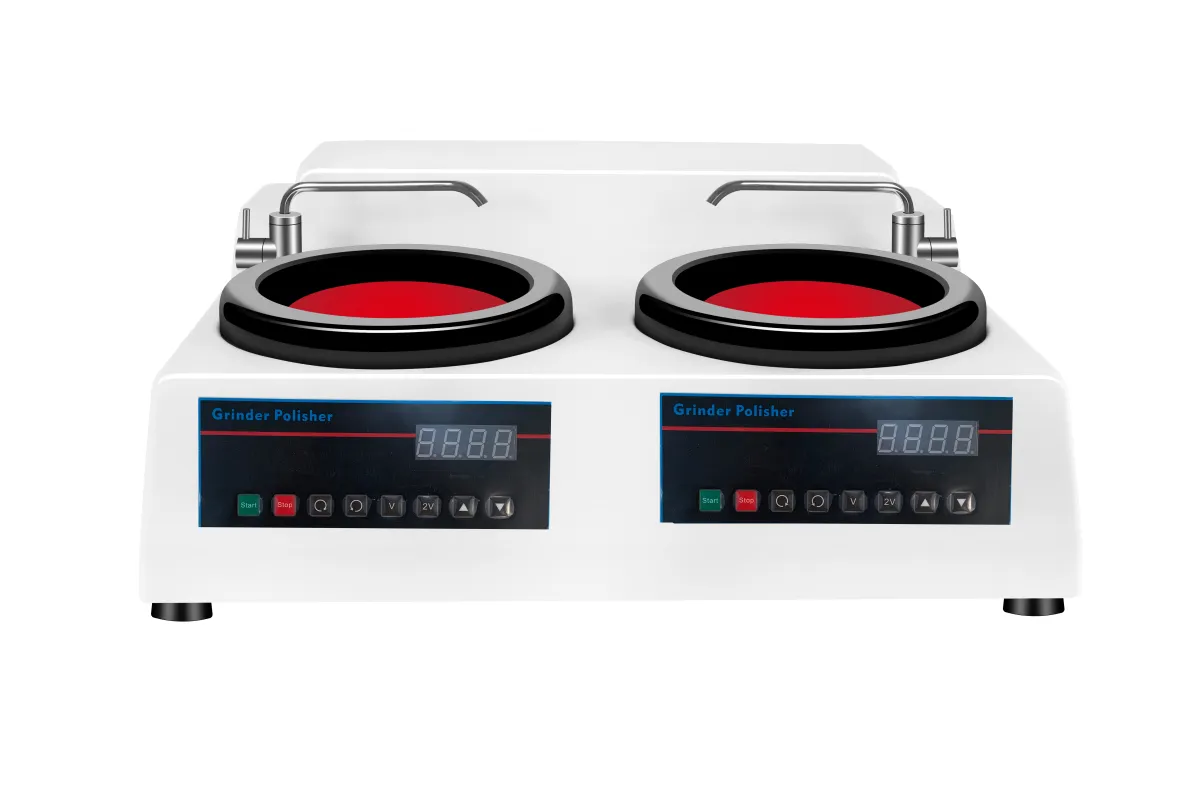
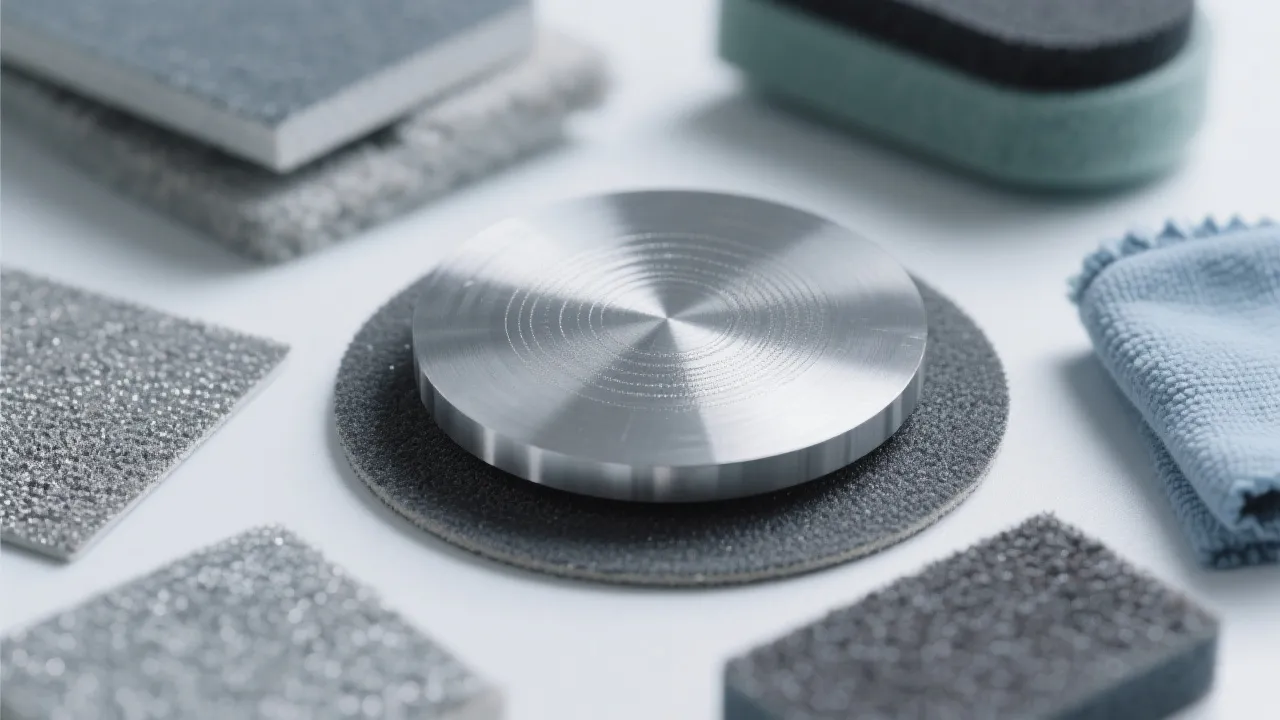
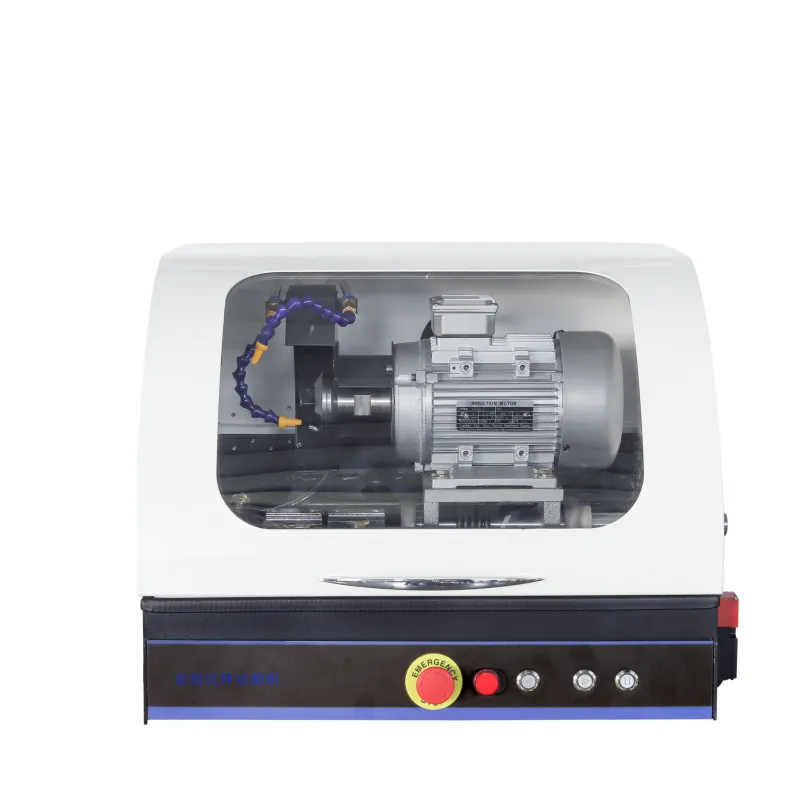
The integrity of data in scientific research is paramount, particularly when microscopy and material analysis are involved. Metallographic cutting technology plays a crucial role in preparing high-quality samples, directly affecting the reproducibility and reliability of research findings. From an academic journal editor's vantage point, the precision and stability provided by advanced cutting systems enhance the credibility of published data, thereby elevating the competitiveness of scientific papers.
Scientific experiments, especially those involving microstructural analysis, depend on accurately prepared specimens. Any deviation during the cutting process can introduce artifacts or structural damage, which ultimately compromises data fidelity. Academic reviewers increasingly emphasize methodological rigor, making sample preparation a critical checkpoint for data validation in manuscripts.
Editor’s Note: Studies indicate that improper cutting can reduce data reliability by 15-25%, impacting peer review outcomes and publication success rates.
The LaiZhou JinCheng SQ-60 model integrates cutting-edge features designed to address common challenges in metallographic preparation. Key among these is the intelligent constant temperature cooling system, which stabilizes specimen temperature throughout the cutting process and minimizes thermal deformation.
Additionally, the SQ-60 offers high-precision cutting capabilities with micrometer-level accuracy, ensuring clean, distortion-free sections. This is particularly beneficial for heterogeneous materials where microstructural preservation is paramount.
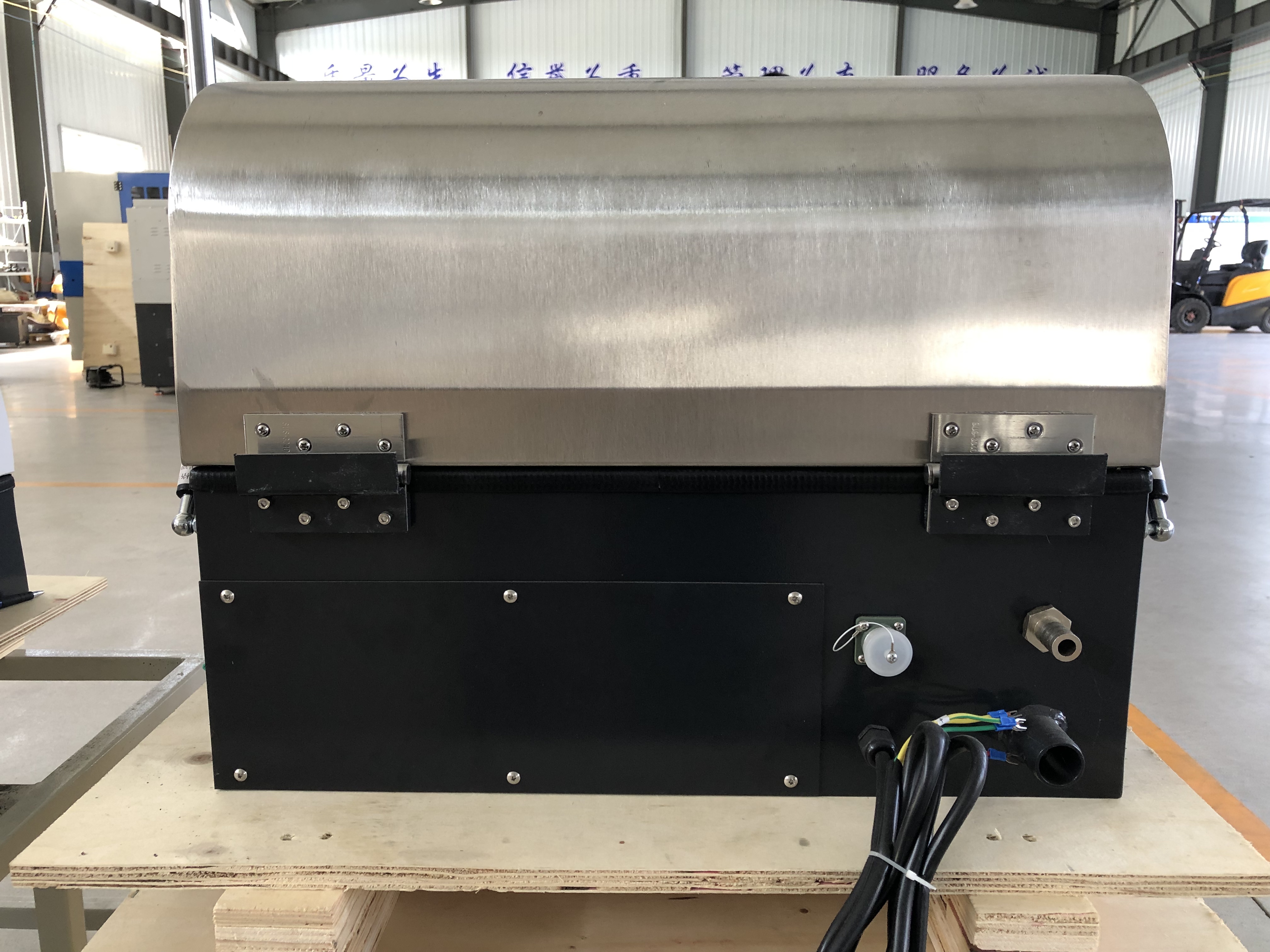
In metallographic sample preparation, typical issues include overheating, edge deformation, and uneven cutting depth. These factors deteriorate the sample's structural integrity and skew micrographic analysis. Utilizing a system like SQ-60, with its automated cooling and precise control, addresses these directly by reducing thermal stress and maintaining uniform cutting thickness.
Furthermore, implementing strict standard operating procedures and routine calibration complements the technology, substantially improving experiment reproducibility — an essential metric for peer-reviewed publications.
Journal editors consistently highlight the need for transparent and replicable methods sections. Detailed documentation of metallographic preparation, including the equipment used and its parameters, fosters trust and facilitates experimental replication by other researchers.
Integrating advanced equipment such as the SQ-60 into sample prep workflows aligns well with these editorial standards, streamlining the pathway from raw specimen to validated data. The resultant increase in data stability and experimental consistency directly correlates with higher manuscript acceptance likelihood.
Beyond technical excellence, cultivating professional trust through carefully crafted content strategies is vital. Scientific communities benefit from exclusive, high-value resources such as technical whitepapers, usage tutorials, and live Q&A sessions.
Implementing private traffic channels—dedicated communication platforms allowing meaningful dialogue between suppliers and research institutions—enables an information-rich environment. This organic engagement encourages potential users to actively seek detailed product insights, boosting confidence without overt sales pressure.
Interactive Tip: Researchers and lab managers are invited to contact customer service to request free trial applications and access in-depth technical materials tailored to enhance sample preparation protocols.
The advancement of metallographic cutting technology, exemplified by the SQ-60’s intelligent cooling and precision cutting capabilities, marks a significant step toward elevating research quality. Editorial evaluations underscore that meticulous sample preparation contributes decisively to data reliability and peer-reviewed success.
By fostering private traffic ecosystems and sharing authoritative content, suppliers and researchers together nurture a culture of trust and continuous improvement. This synergy ultimately enhances scientific communication and the global advancement of material sciences.
 Metallographic sample preparation
SQ-60 high efficiency metal cutting machine
Data stability
ASTM E3-11
Intelligent cooling system
metallographic grinding and polishing machine
material quality control
sample preparation optimization
grinding speed adjustment
technical training for quality inspection
Metallographic sample preparation
MP-2DE Metallographic Polishing Machine
Micro defect analysis
ASTM E3-11 standard
High-performance grinding and polishing
Stability of temperature control in metallographic preparation
Temperature control accuracy of automatic encrusting machine
Consistency of metallographic sample formation
Curing control of thermosetting resins
Metallographic sample preparation technology
grinding polishing machine maintenance
laboratory equipment care
extend equipment lifespan
variable speed system calibration
durable polishing machine upkeep
Metallographic sample preparation
SQ-60 high efficiency metal cutting machine
Data stability
ASTM E3-11
Intelligent cooling system
metallographic grinding and polishing machine
material quality control
sample preparation optimization
grinding speed adjustment
technical training for quality inspection
Metallographic sample preparation
MP-2DE Metallographic Polishing Machine
Micro defect analysis
ASTM E3-11 standard
High-performance grinding and polishing
Stability of temperature control in metallographic preparation
Temperature control accuracy of automatic encrusting machine
Consistency of metallographic sample formation
Curing control of thermosetting resins
Metallographic sample preparation technology
grinding polishing machine maintenance
laboratory equipment care
extend equipment lifespan
variable speed system calibration
durable polishing machine upkeep