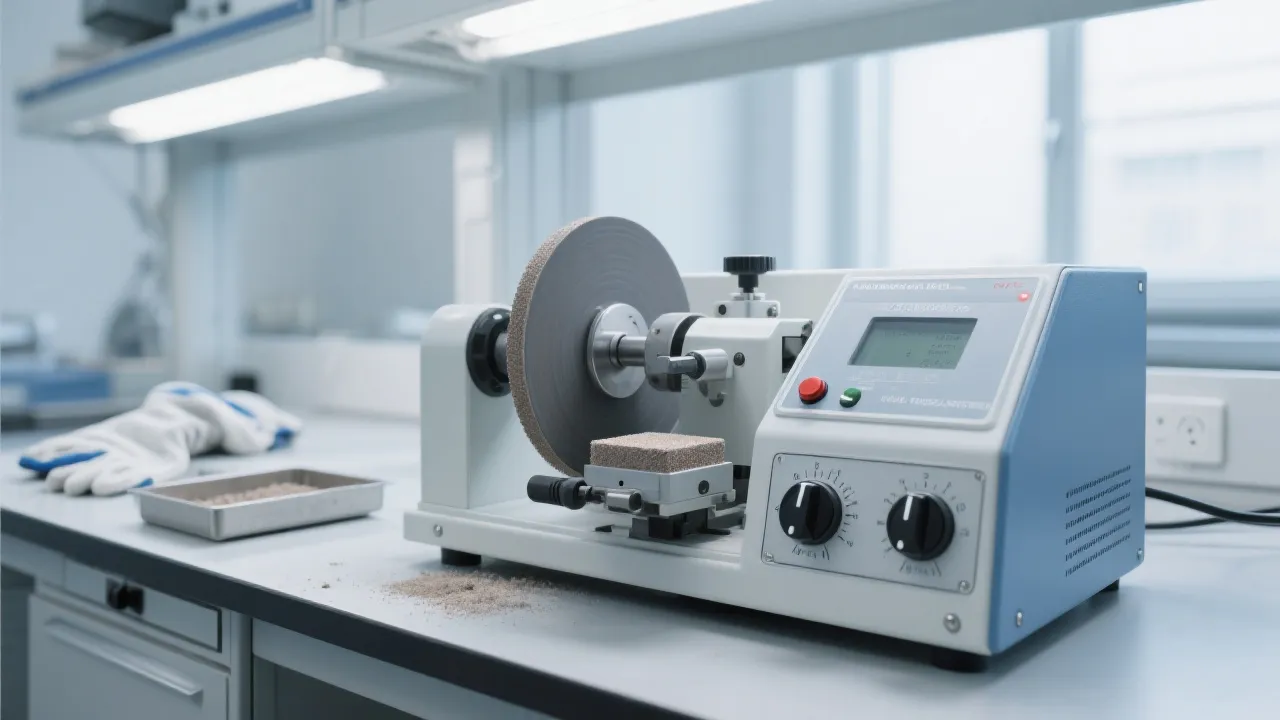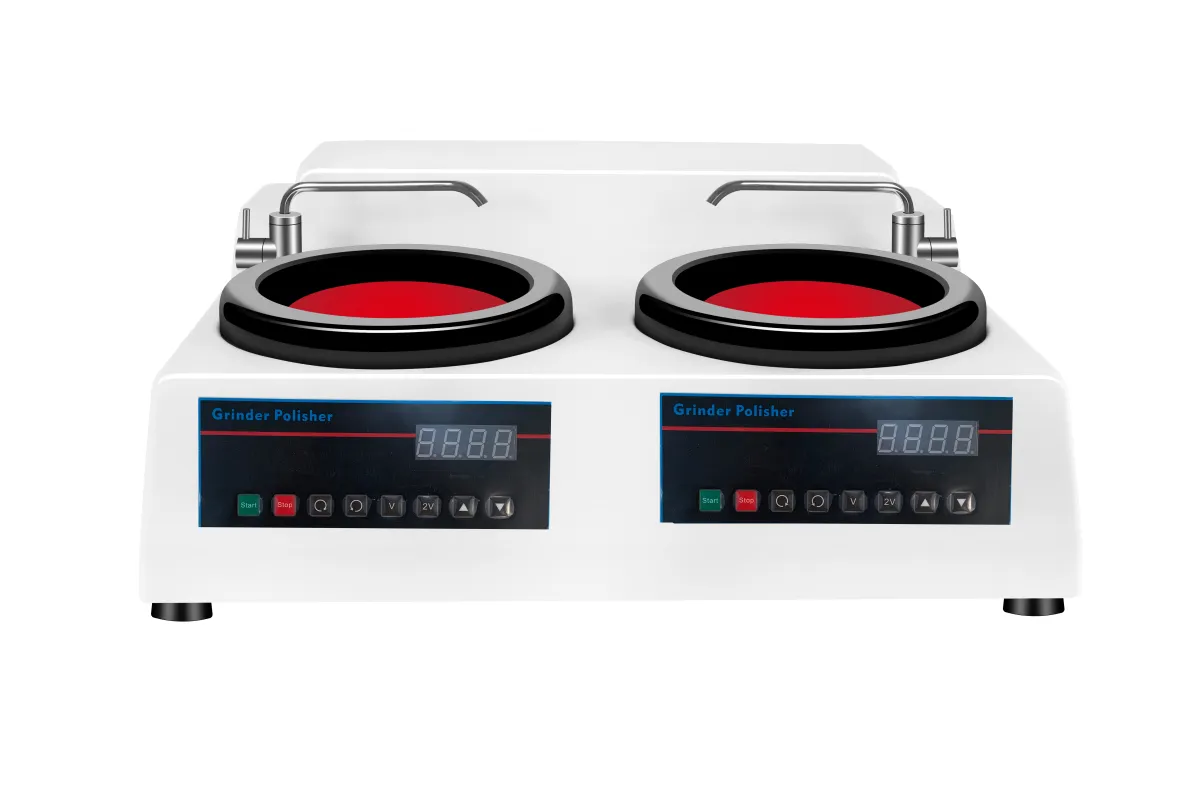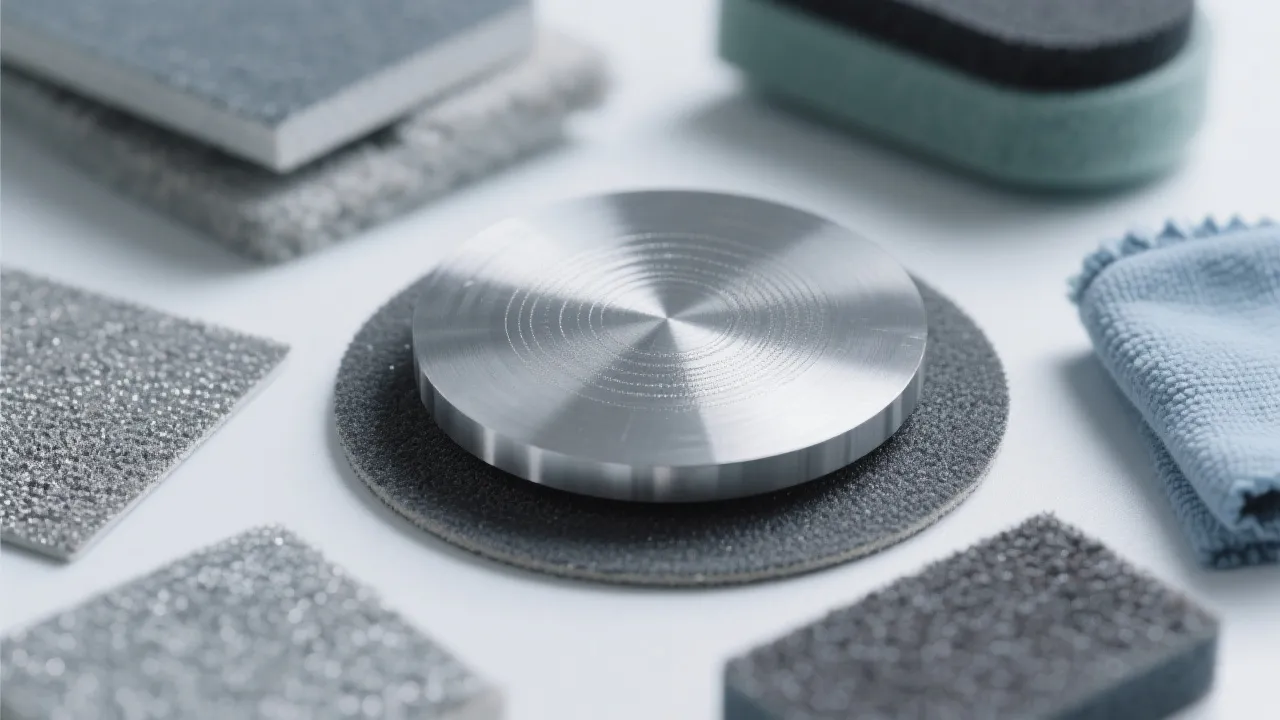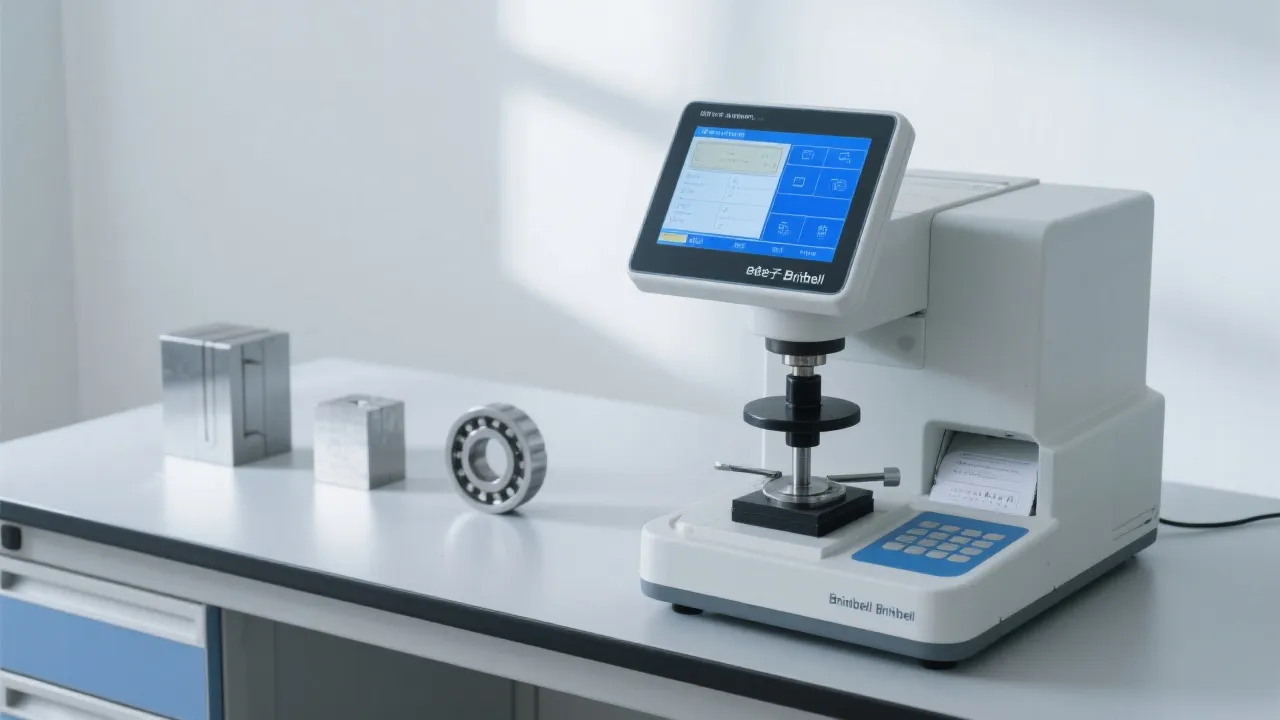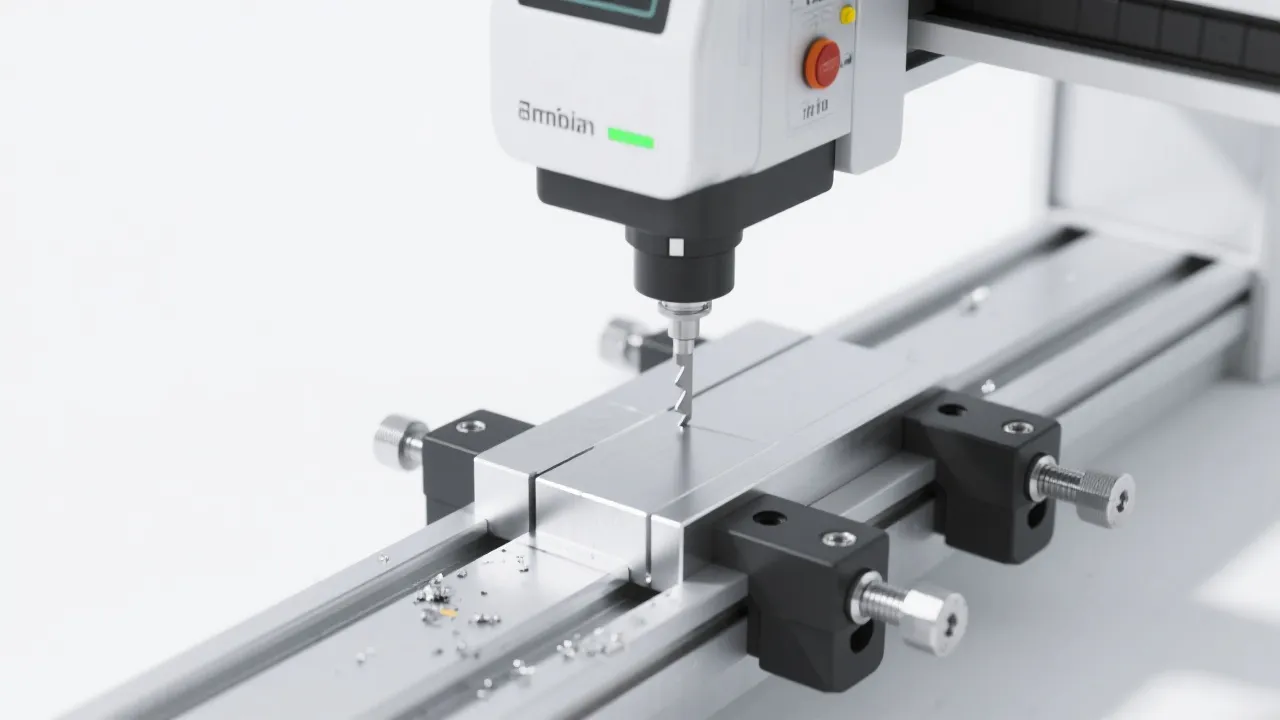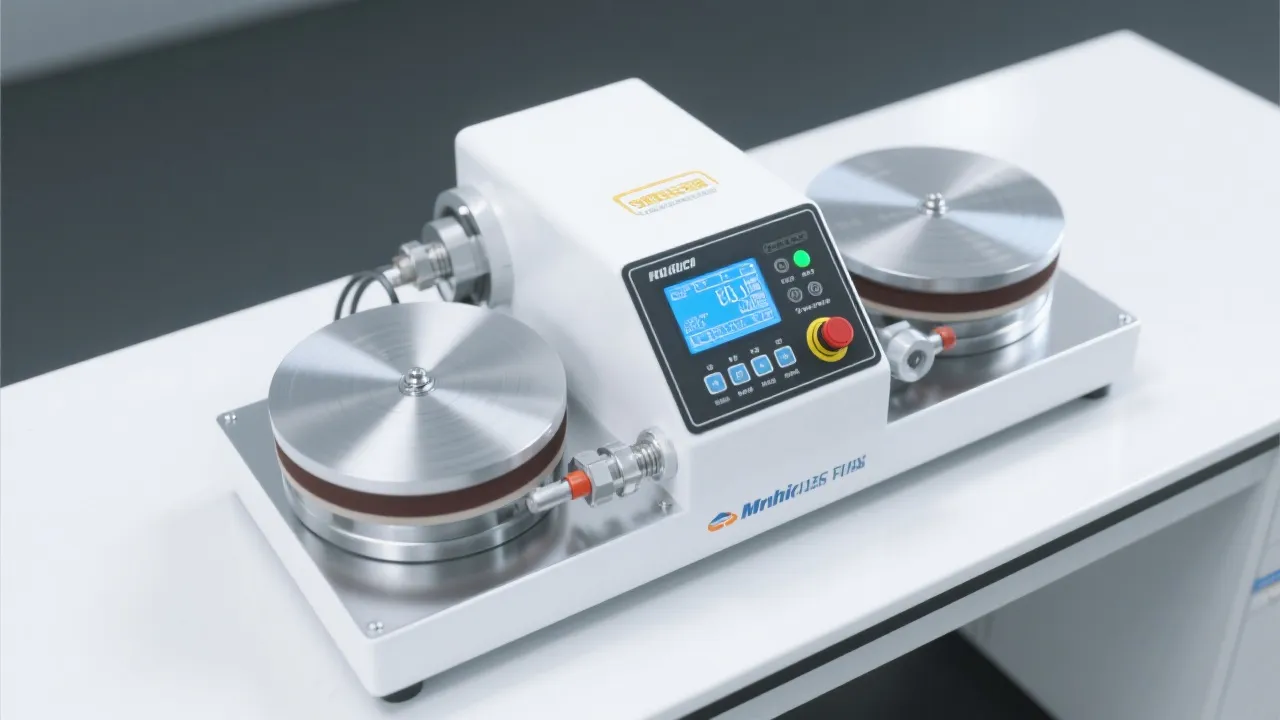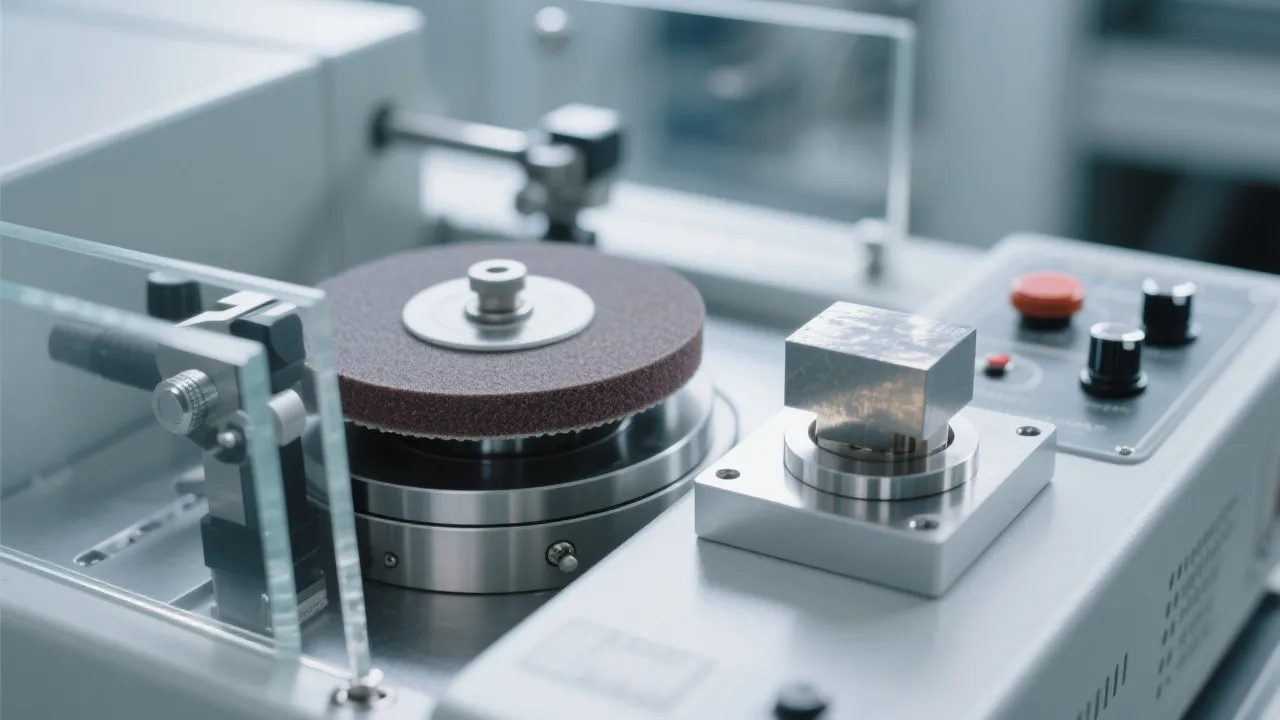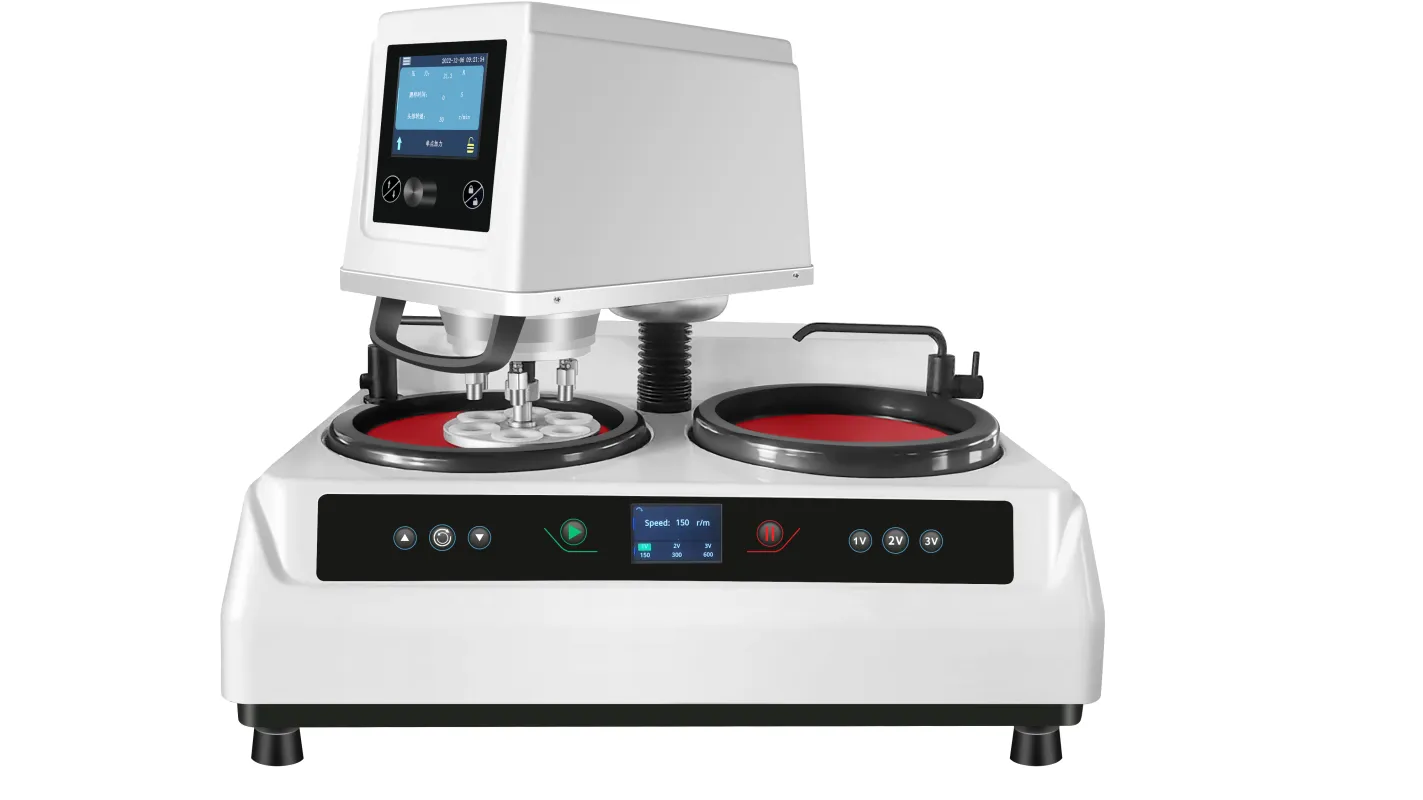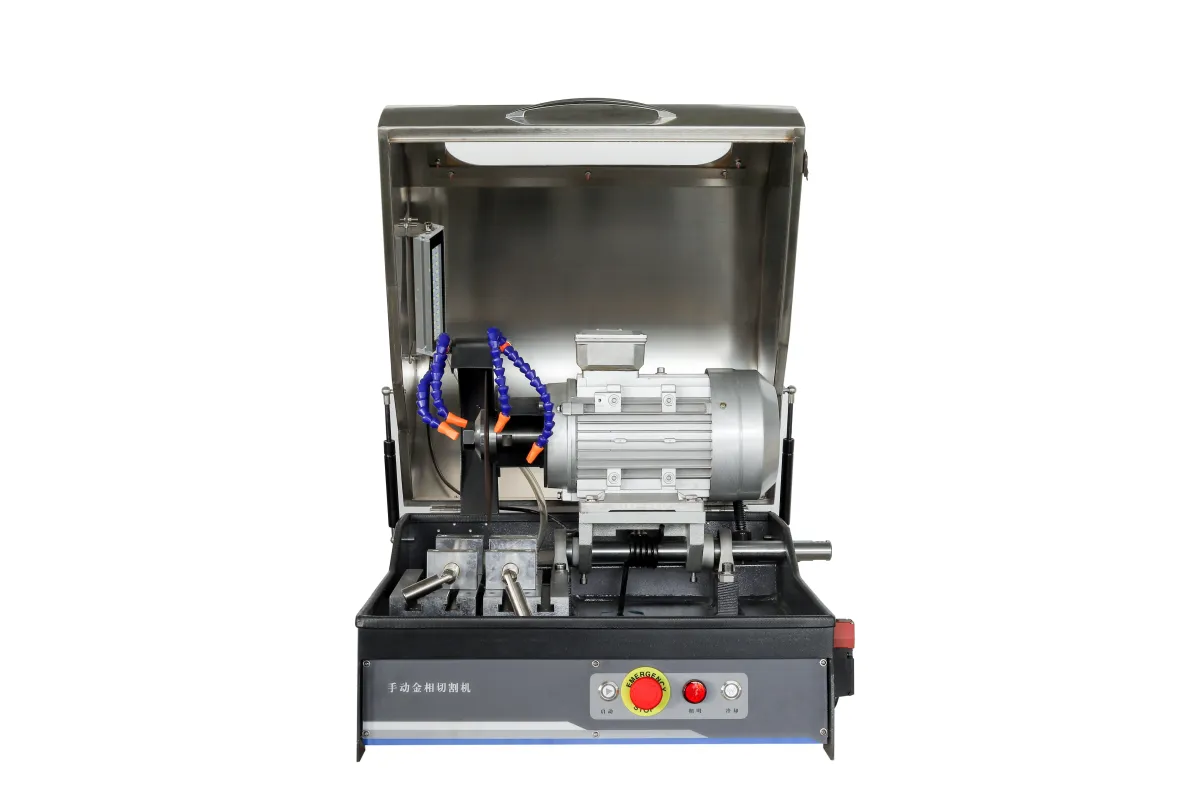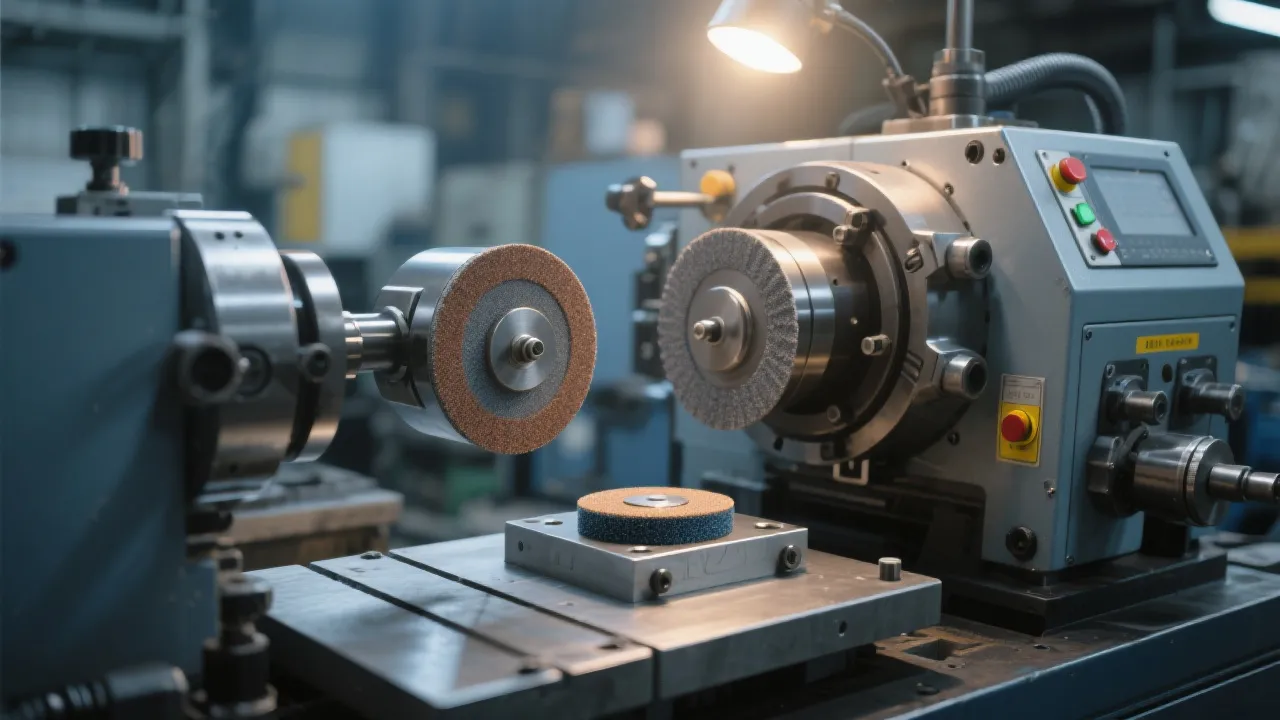
When it comes to precision metallography, selecting the correct cutting machine isn’t just about buying equipment—it’s about optimizing your entire sample preparation process. Whether you're working with hardened steel, aluminum alloys, ceramics, or composites, choosing a machine that matches your material type and cutting needs can significantly improve both efficiency and result consistency.
For soft metals like copper or aluminum, a low-speed, water-cooled rotary saw (typically 100–500 RPM) is ideal to prevent overheating and deformation. Harder materials such as tool steels or carbides require higher torque and diamond-impregnated blades—often at 600–1,200 RPM—with optimized coolant flow to reduce thermal stress.
According to ASTM E3/ISO 14175 standards, improper cutting parameters can introduce artifacts like microcracks or smearing, which directly affect microscopy analysis accuracy. In fact, studies show that up to 30% of failed metallurgical tests are due to poor initial sample preparation—not faulty testing itself.
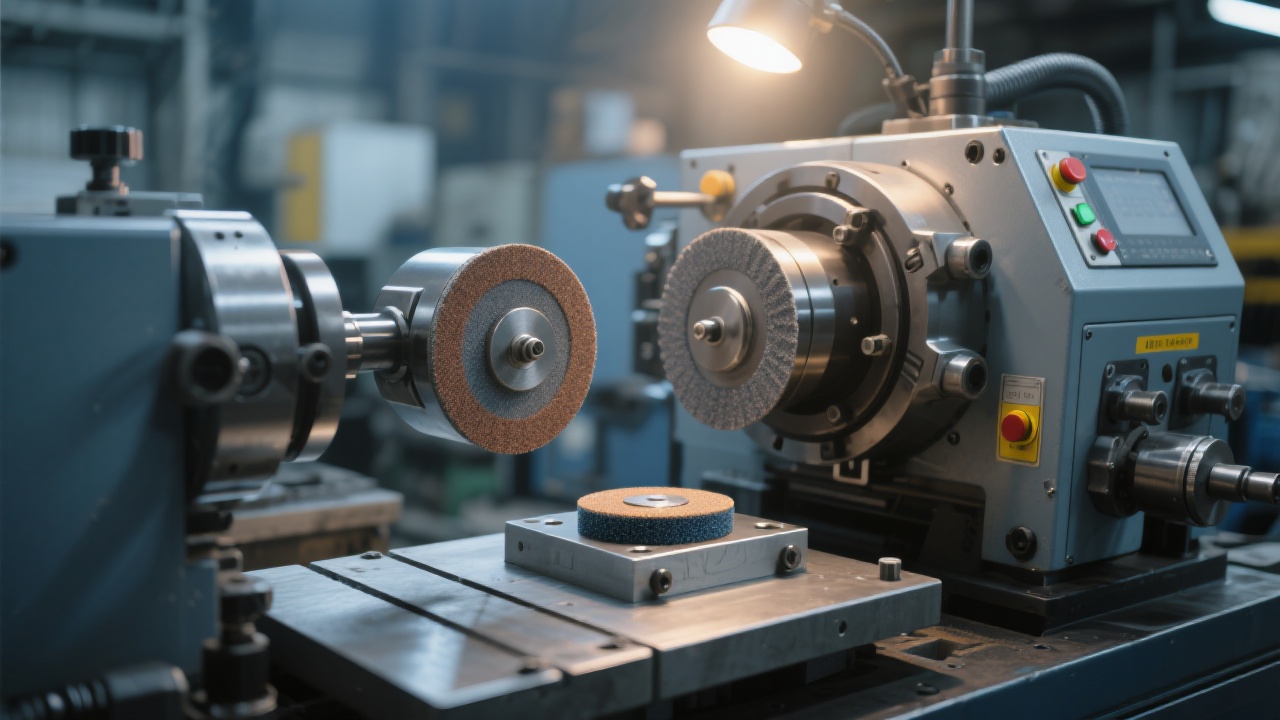
A well-maintained cooling system isn't optional—it's critical. Poorly managed heat leads to phase changes in the material surface, especially in heat-sensitive alloys. For example, titanium alloys must be cooled continuously during cutting to avoid oxidation and distortion.
Industry best practices recommend checking coolant flow rate monthly: a typical effective range is 1–3 liters per minute for benchtop units. Use ISO-compliant distilled water or specialized metalworking fluids to prevent mineral deposits on the blade and spindle.
Pro tip: If you notice increased vibration or discoloration on cut surfaces, it’s often a sign of inadequate cooling—not bad blades. Regular maintenance reduces downtime by up to 40%, according to a 2023 survey of lab managers across Europe and North America.
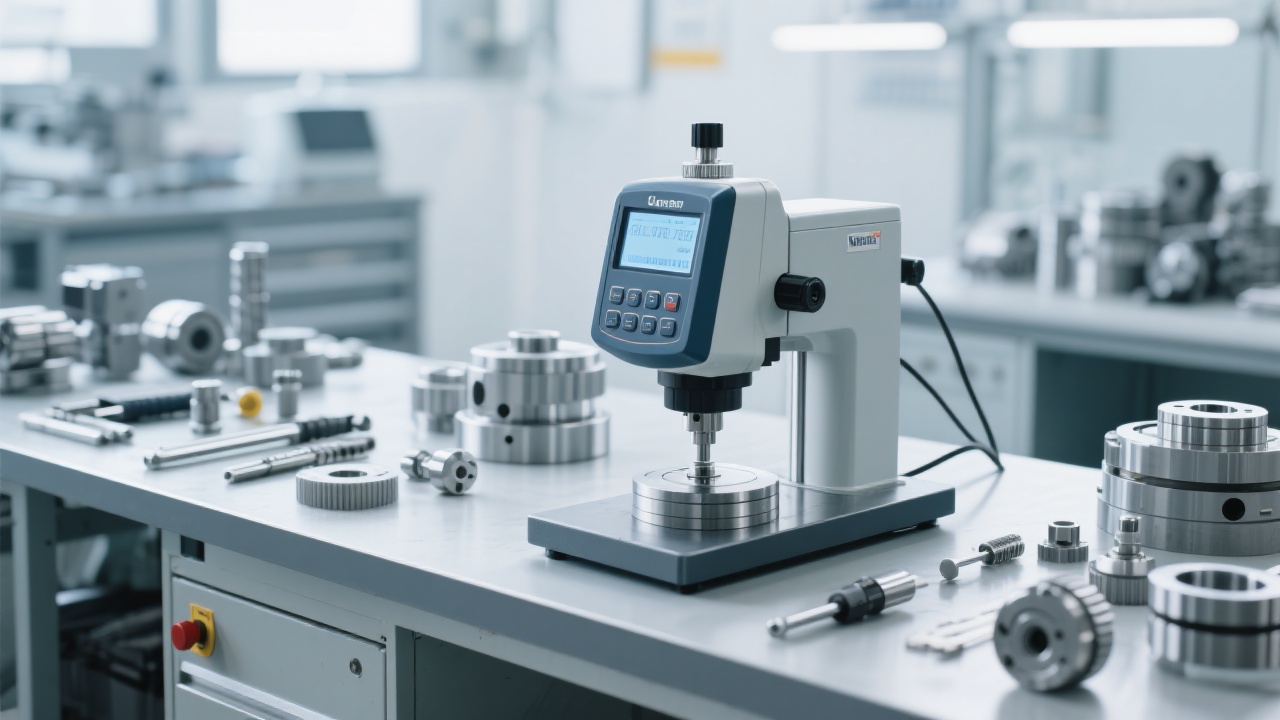
If your machine starts producing uneven cuts or excessive noise, first inspect the blade alignment and wear. A misaligned blade can cause inconsistent depth and increase cycle time by up to 25%. Also, check the drive belt tension—loose belts lead to speed fluctuations, particularly under load.
Remember: consistent results start with consistent setup. Many labs overlook simple things like securing specimens properly or using the right fixture for irregular shapes. These small oversights account for nearly 20% of rework cases reported in industrial quality control departments.
Our precision metallographic cutting machines meet ASTM and ISO standards, ensuring reliable performance across all material types—from aerospace-grade alloys to advanced ceramics.
Explore Our High-Precision Cutting Solutions
 metallographic cutting technology
research data credibility
intelligent constant-temperature cooling
SQ-60 sample cutting machine
precise sample preparation
metallographic sample consistency
grinding and polishing equipment maintenance
metallographic preparation standardization
sample preparation repeatability improvement
laboratory equipment stability
Polishing machine enclosure material
Durability of metallographic specimen polishing equipment
Laboratory equipment anti - corrosion solutions
FRP polishing machine enclosure
Durability of industrial testing equipment
polishing machine enclosure material
metallography equipment durability
fiberglass vs stainless steel
lab equipment corrosion resistance
industrial polishing machine materials
metallographic polishing scratch troubleshooting
gold sample preparation
MP-1B polishing machine
lab sample quality control
polishing process optimization
metallographic cutting technology
research data credibility
intelligent constant-temperature cooling
SQ-60 sample cutting machine
precise sample preparation
metallographic sample consistency
grinding and polishing equipment maintenance
metallographic preparation standardization
sample preparation repeatability improvement
laboratory equipment stability
Polishing machine enclosure material
Durability of metallographic specimen polishing equipment
Laboratory equipment anti - corrosion solutions
FRP polishing machine enclosure
Durability of industrial testing equipment
polishing machine enclosure material
metallography equipment durability
fiberglass vs stainless steel
lab equipment corrosion resistance
industrial polishing machine materials
metallographic polishing scratch troubleshooting
gold sample preparation
MP-1B polishing machine
lab sample quality control
polishing process optimization