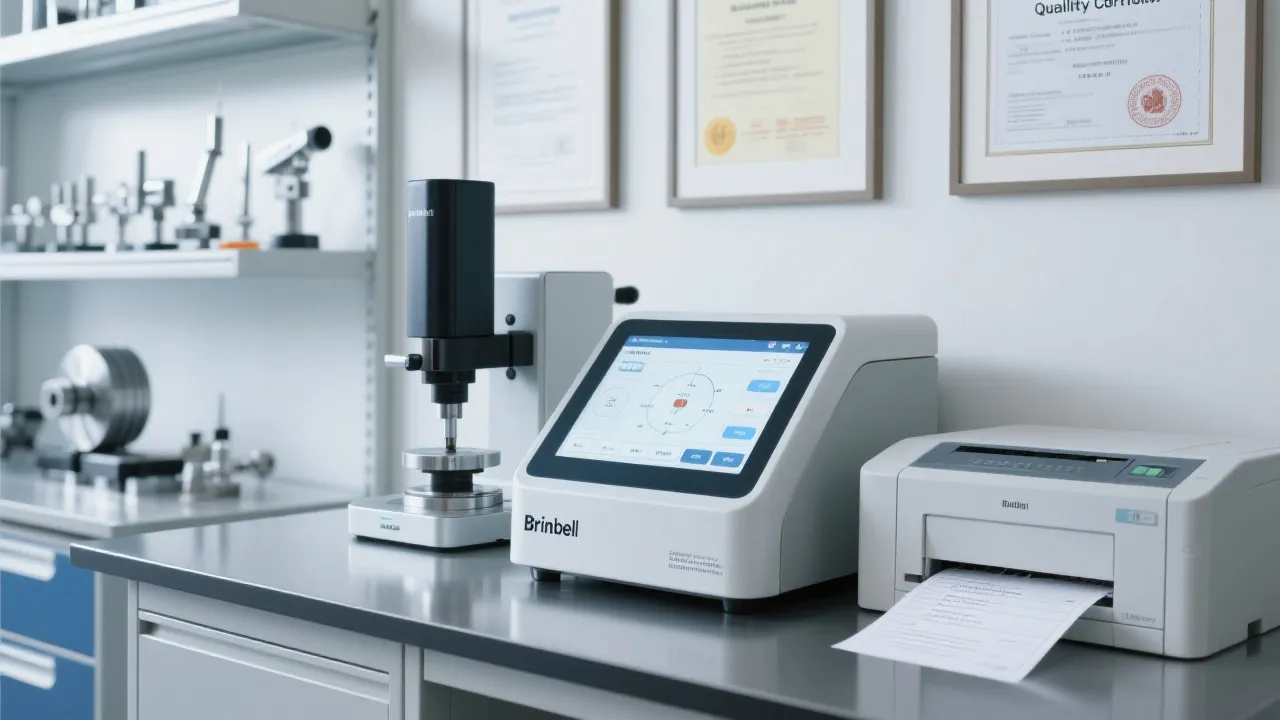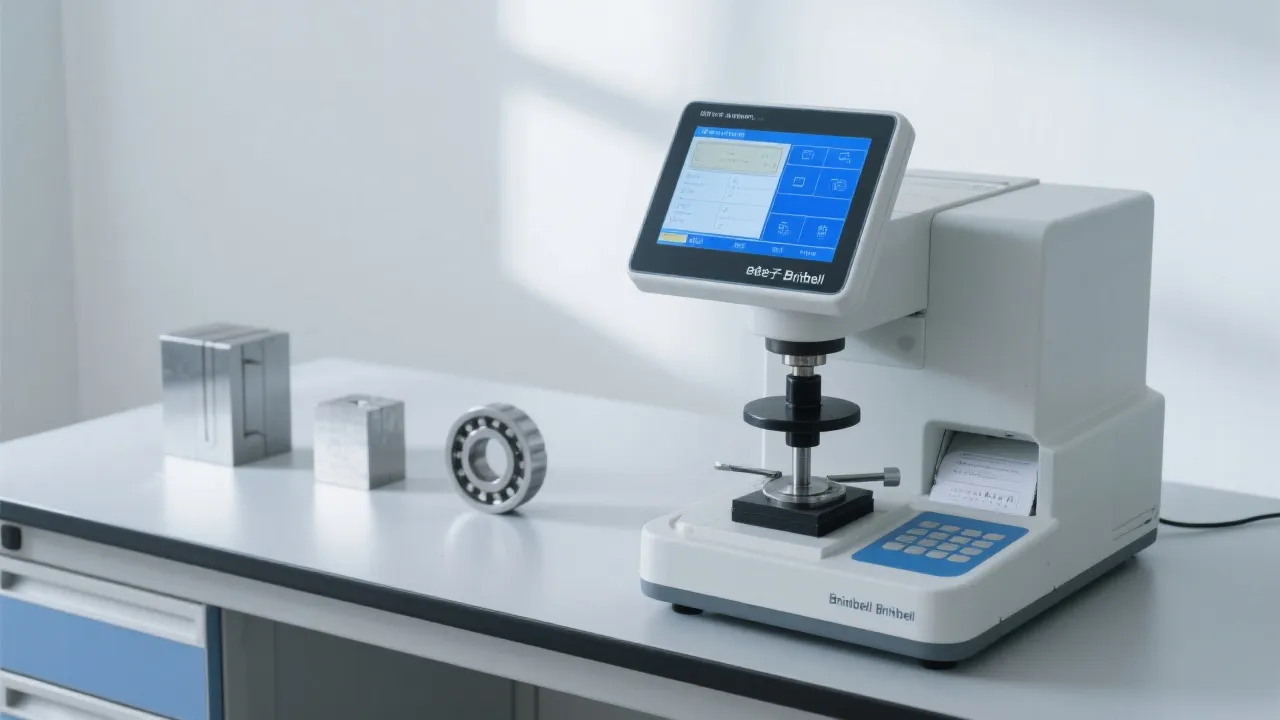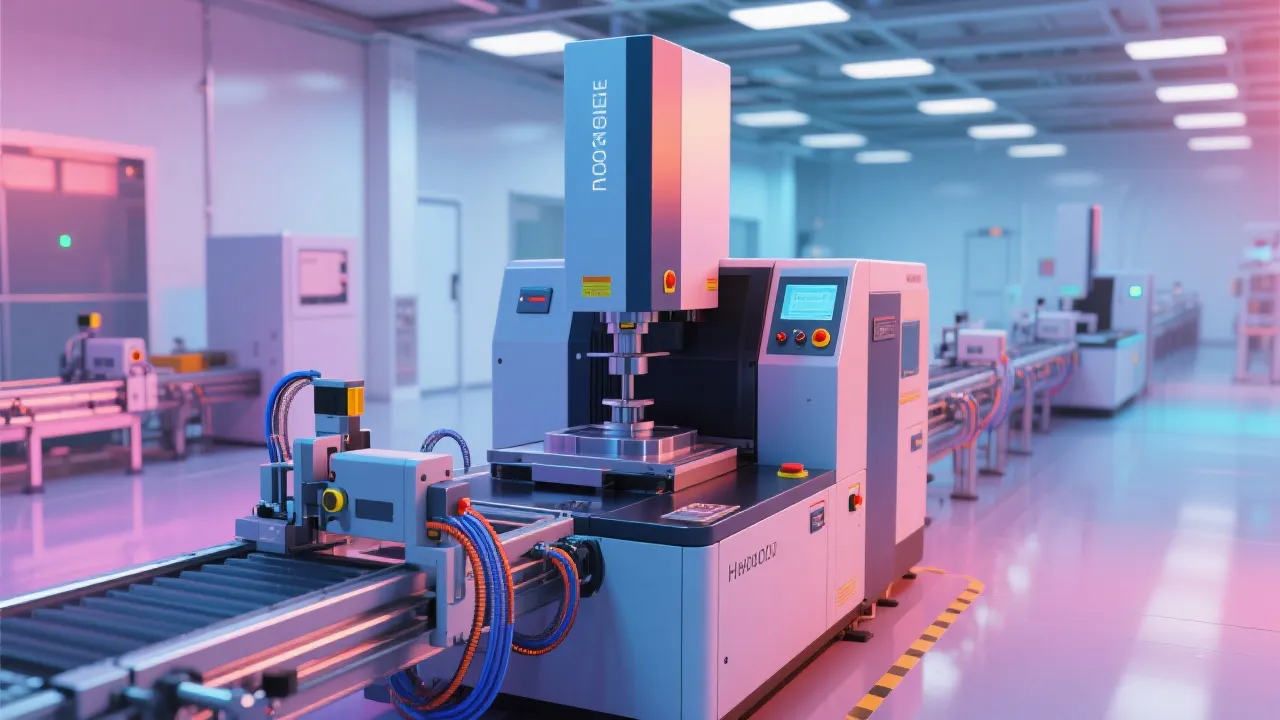
Mastering the daily maintenance and troubleshooting skills of laboratory hardness testers is crucial for ensuring the accuracy of test data and the long - term stable operation of the equipment. This article starts from basic steps such as indenter cleaning, lubrication of the loading mechanism, and calibration frequency setting. It also combines the attribution analysis and solution strategies for common problems (such as reading drift and unstable loading) to provide an executable operation list and diagnostic logic map.
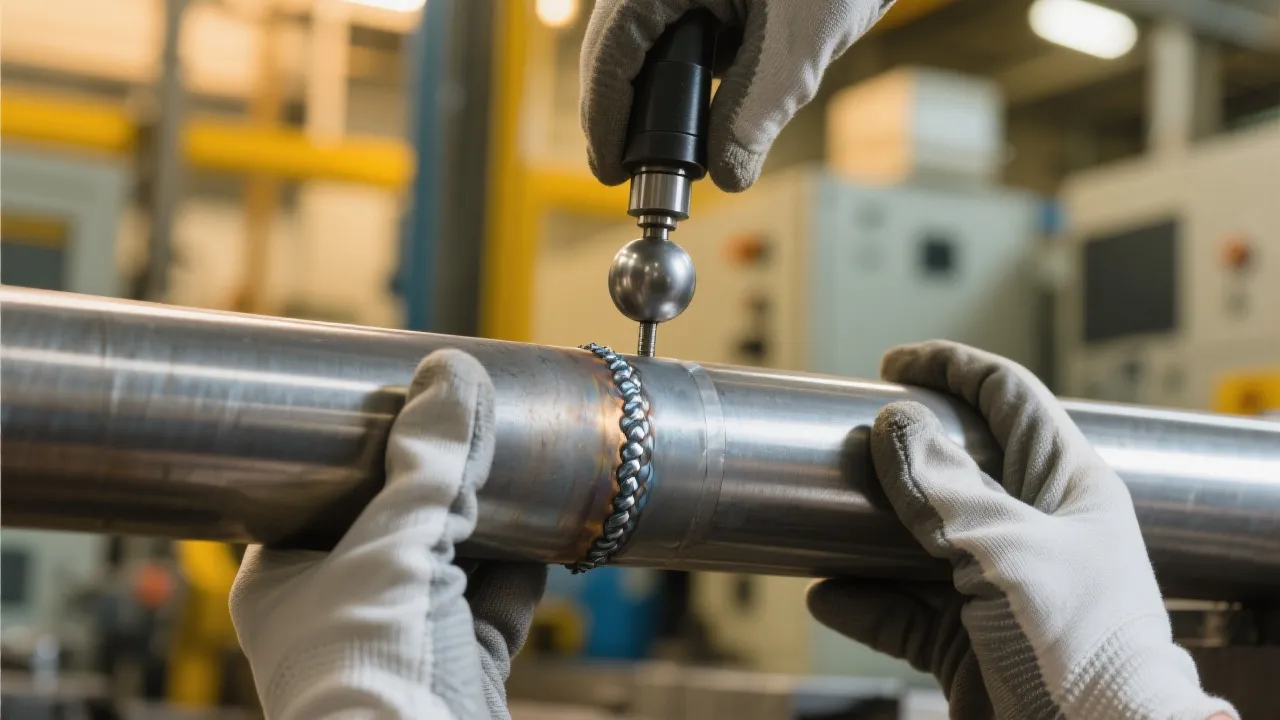
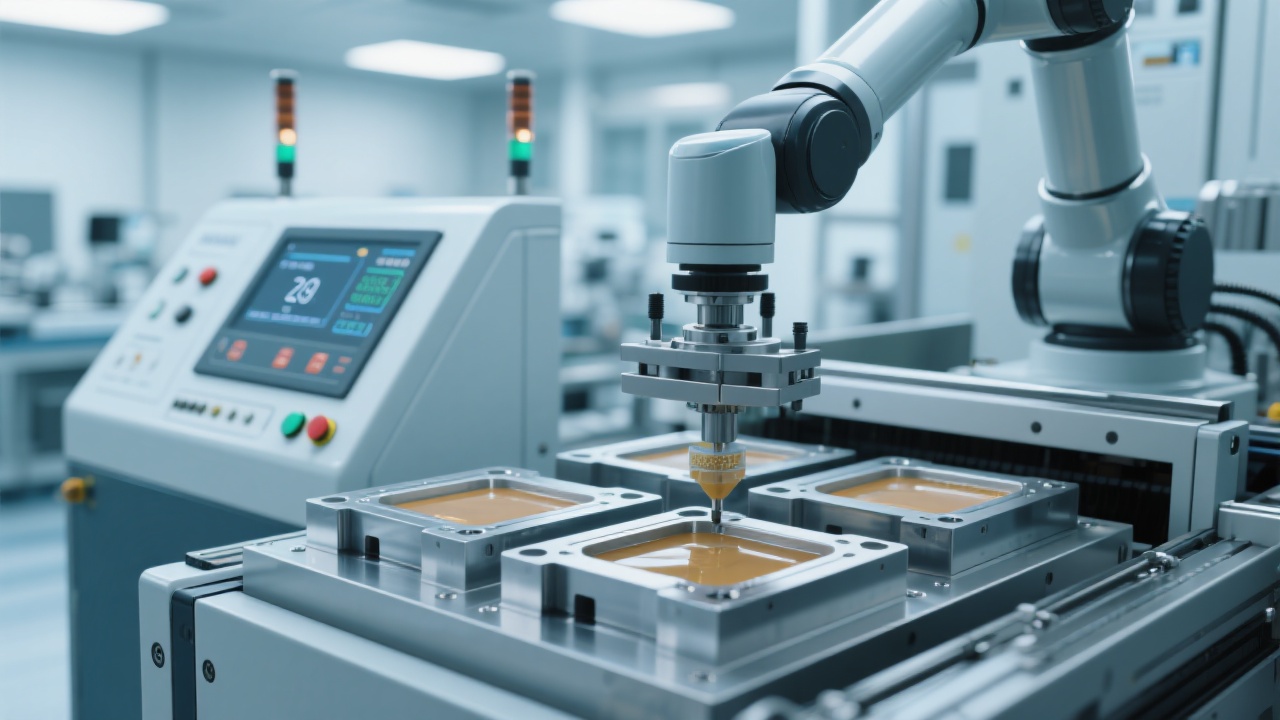
The frequency of indenter cleaning is a fundamental aspect of hardness tester maintenance. It is recommended to clean the indenter at least once a week to prevent debris from affecting the test results. The lubrication cycle of the loading mechanism is also vital. Generally, lubrication should be carried out every three months to ensure smooth operation. Additionally, controlling the environmental temperature and humidity is essential for the accuracy of the hardness tester. The ideal temperature range is between 20 - 25°C, and the relative humidity should be maintained at around 40 - 60%.
Reading drift, unstable loading, and interface freezing are common problems in hardness testers. Reading drift may be caused by sensor failure or improper calibration. If the reading drifts, first check the sensor connection and then recalibrate the hardness tester. Unstable loading could be due to a lack of lubrication in the loading mechanism or mechanical damage. In this case, lubricate the loading mechanism or replace the damaged parts. Interface freezing may be related to software glitches or insufficient system resources. Restart the device or update the software to solve this problem.
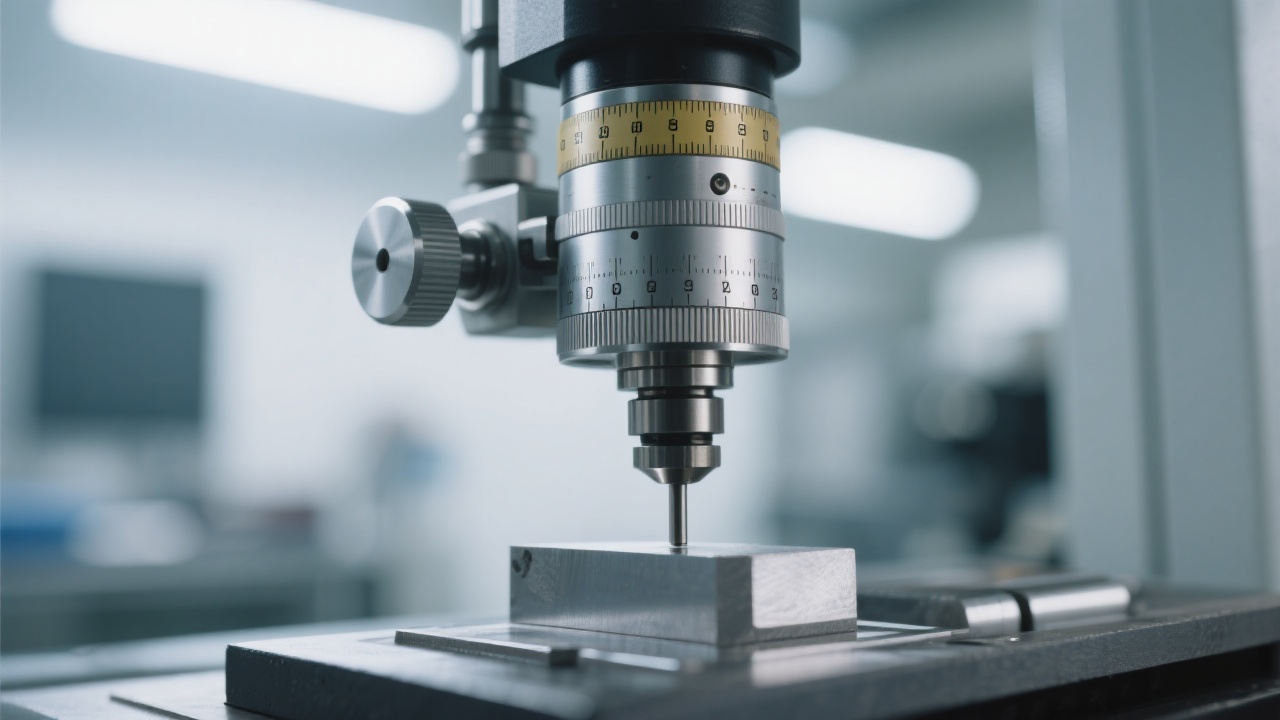
Optimizing the calibration interval can improve the accuracy of the hardness tester. It is recommended to calibrate the hardness tester at least once every six months. Monitoring the sensor status regularly can help detect potential problems in advance. Designing a standardized maintenance record form can help technicians keep track of the maintenance history and ensure that all maintenance tasks are carried out on time.
Industry standards such as ASTM E18 play a crucial role in hardness tester maintenance.
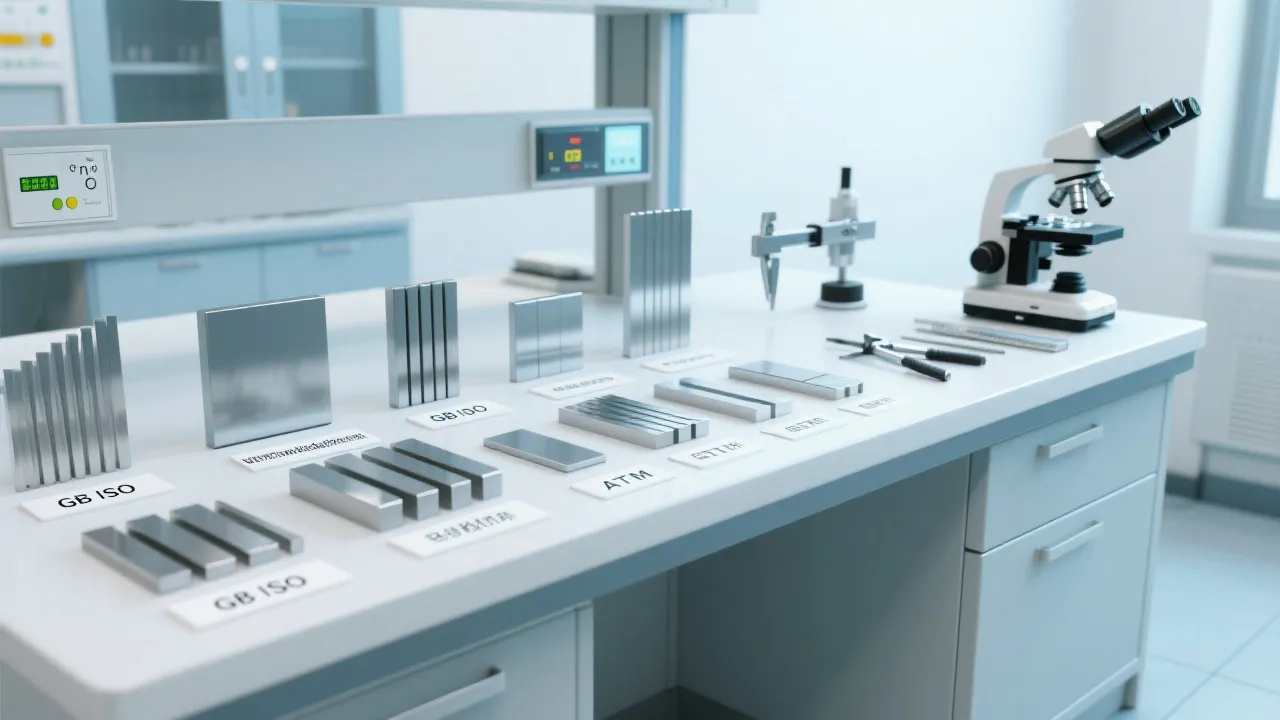
According to ASTM E18, certain key steps in hardness testing and equipment maintenance cannot be skipped. These steps are designed to ensure the accuracy and reliability of test results.Adhering to these standards can enhance the compliance of the laboratory and improve the quality of test data.
| Maintenance Task | Risk Level | Priority |
|---|---|---|
| Indenter Cleaning | High | High |
| Loading Mechanism Lubrication | Medium | Medium |
| Calibration | High | High |
| Sensor Monitoring | Medium | Medium |
This table provides a clear overview of the risk levels and priorities of different maintenance tasks, helping technicians to allocate their time and resources more effectively.
By following the guidelines in this article, laboratories can build a standardized maintenance process, improve laboratory efficiency, and ensure the long - term stable operation of hardness testers. 立即获取完整维护检查表PDF版 (Get the full maintenance checklist PDF now) and 加入我们的技术交流群,获取更多实操案例 (Join our technical exchange group to get more practical cases).
 P-2G high-speed double-disc polisher
standardized metal sample polishing
low-noise polishing equipment
ASTM ISO polishing standards
metal sample surface flatness
metallographic cutting machine
reinforced grinding wheel
cooling system maintenance
lab cutting equipment
manual metallographic saw
Metallographic polishing scratch troubleshooting
MP - 1B polishing fault solutions
Metallographic sample polishing machine usage skills
Common problems in metallographic sample preparation
Laboratory sample preparation equipment
Polishing machine enclosure material
Durability of metallographic specimen polishing equipment
Laboratory equipment anti - corrosion solutions
FRP polishing machine enclosure
Durability of industrial testing equipment
polishing machine enclosure material
metallography equipment durability
fiberglass vs stainless steel
lab equipment corrosion resistance
industrial polishing machine materials
P-2G high-speed double-disc polisher
standardized metal sample polishing
low-noise polishing equipment
ASTM ISO polishing standards
metal sample surface flatness
metallographic cutting machine
reinforced grinding wheel
cooling system maintenance
lab cutting equipment
manual metallographic saw
Metallographic polishing scratch troubleshooting
MP - 1B polishing fault solutions
Metallographic sample polishing machine usage skills
Common problems in metallographic sample preparation
Laboratory sample preparation equipment
Polishing machine enclosure material
Durability of metallographic specimen polishing equipment
Laboratory equipment anti - corrosion solutions
FRP polishing machine enclosure
Durability of industrial testing equipment
polishing machine enclosure material
metallography equipment durability
fiberglass vs stainless steel
lab equipment corrosion resistance
industrial polishing machine materials