In the precision-driven world of materials testing, your hardness testing equipment is the cornerstone of reliable quality control. A well-maintained Rockwell, Brinell, or Vickers hardness tester doesn't just provide accurate measurements—it safeguards your product quality, ensures regulatory compliance, and maximizes your equipment investment. Studies show that laboratories implementing structured maintenance programs experience up to 47% fewer measurement errors and extend equipment lifespan by an average of 3.2 years compared to those with ad-hoc maintenance practices.
Hardness testers operate under extreme precision requirements, with measurement tolerances often as tight as ±0.5 HRC. Even minor misalignments or contamination can lead to measurement deviations that compromise product acceptance criteria. ASTM E18 standards explicitly require regular maintenance to ensure measurement traceability and reliability.
Establishing a consistent daily maintenance routine forms the foundation of equipment reliability. These simple yet critical steps prevent 60% of common hardness tester issues:
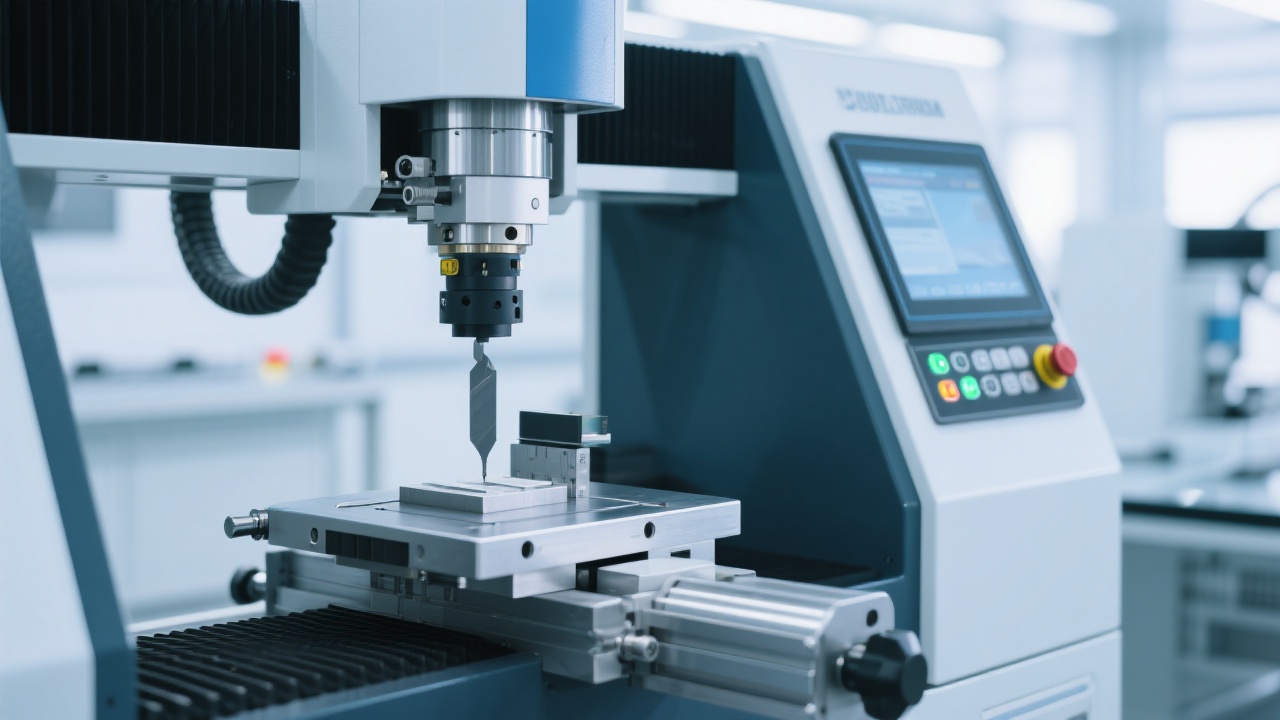
Beyond daily checks, implementing a structured preventive maintenance program addresses wear and tear before it affects performance. The following schedule is based on industry best practices and equipment manufacturer recommendations:
| Maintenance Task | Frequency | Key Steps |
|---|---|---|
| Lubrication of moving parts | Monthly | Use manufacturer-recommended lubricant on lead screws and guide rails |
| Calibration verification | Quarterly | Test using certified reference blocks across 3 hardness levels |
| Electrical connection inspection | Semi-annually | Check for loose connections and cable damage |
| Comprehensive calibration | Annually | Performed by accredited calibration service per ISO 17025 |
Even with meticulous maintenance, issues can arise. The following diagnostic guide addresses the most frequent problems encountered by laboratory technicians:
Possible Causes: Contaminated indenter, worn anvil, incorrect load application, or environmental fluctuations
Solution: Clean indenter with alcohol, inspect anvil for damage, verify load cell calibration, and ensure testing environment stability. Research indicates that temperature variations greater than 3°C within a testing session can cause measurement variations up to 1.2 HRC.
Possible Causes: Hydraulic system leaks, worn seals, or motor malfunction
Solution: Check hydraulic fluid levels, inspect for leaks, and verify proper functioning of pressure relief valves. Approximately 73% of load issues stem from inadequate hydraulic maintenance.
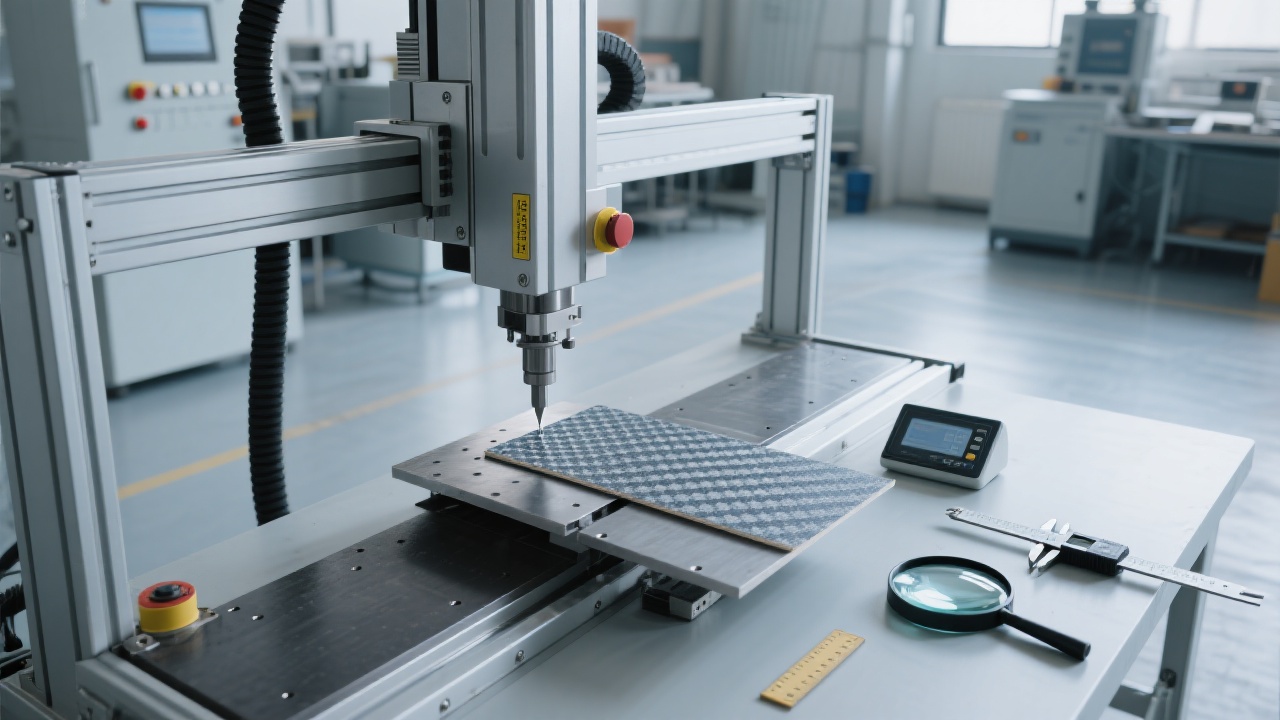
For experienced technicians and quality managers, implementing advanced maintenance practices can further enhance measurement reliability and equipment performance:
Installing dedicated environmental control systems for your testing area can reduce measurement variability by up to 40%. Key parameters to monitor include temperature stability, vibration levels, and air currents that can affect sensitive measuring equipment.
By tracking maintenance records and measurement data over time, laboratories can identify patterns that predict potential failures. For example, increasing frequency of indenter cleaning needs may indicate wear that requires replacement before catastrophic failure occurs.
Maintaining compliance with ASTM E18 standards requires thorough documentation of all maintenance activities. A proper documentation system should include:
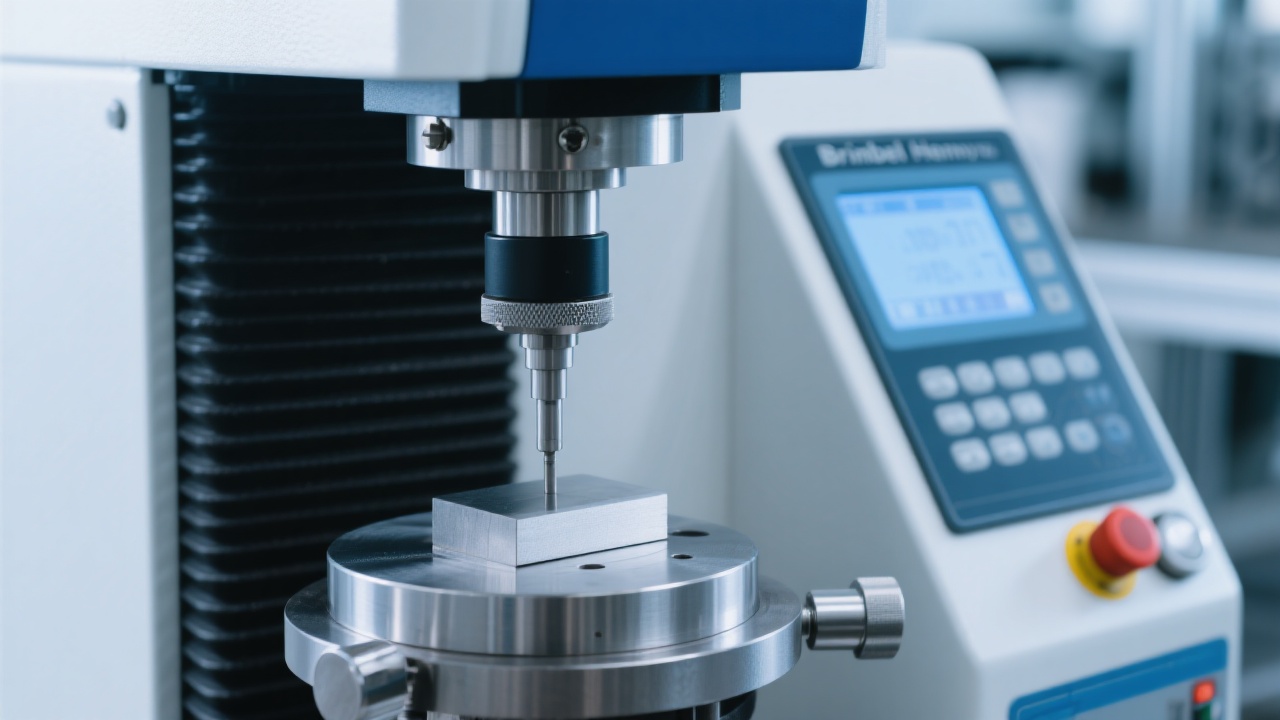
Download our comprehensive Hardness Tester Maintenance Checklist to implement a professional maintenance program that reduces errors and extends equipment life.
Get Your Free Maintenance ChecklistJoin thousands of quality control professionals who have improved their measurement accuracy by 35% through structured maintenance.
Remember that effective hardness tester maintenance is not just about preventing breakdowns—it's about ensuring consistent, reliable measurements that form the foundation of quality control decisions. By implementing the practices outlined in this guide, your laboratory can achieve measurement confidence, regulatory compliance, and maximum return on your equipment investment.
Regular maintenance also provides an opportunity to identify operator training needs and process improvements that further enhance your quality control program. When combined with proper operator technique and environmental controls, a structured maintenance program becomes the backbone of a world-class materials testing laboratory.
 metallographic cutting machine
ASTM E3 standard
ISO 14106
manual metallography cutter
sample preparation technique
Metallographic sample preparation
MP-2DE Metallographic Polishing Machine
Micro defect analysis
ASTM E3-11 standard
High-performance grinding and polishing
polishing machine housing material
corrosion-resistant lab equipment
fiberglass reinforced plastic for industrial machines
metallographic polishing equipment durability
lab equipment maintenance best practices
metallographic cutting technology
research data credibility
intelligent constant-temperature cooling
SQ-60 sample cutting machine
precise sample preparation
Polishing machine enclosure material
Durability of metallographic specimen polishing equipment
Laboratory equipment anti - corrosion solutions
FRP polishing machine enclosure
Durability of industrial testing equipment
metallographic cutting machine
ASTM E3 standard
ISO 14106
manual metallography cutter
sample preparation technique
Metallographic sample preparation
MP-2DE Metallographic Polishing Machine
Micro defect analysis
ASTM E3-11 standard
High-performance grinding and polishing
polishing machine housing material
corrosion-resistant lab equipment
fiberglass reinforced plastic for industrial machines
metallographic polishing equipment durability
lab equipment maintenance best practices
metallographic cutting technology
research data credibility
intelligent constant-temperature cooling
SQ-60 sample cutting machine
precise sample preparation
Polishing machine enclosure material
Durability of metallographic specimen polishing equipment
Laboratory equipment anti - corrosion solutions
FRP polishing machine enclosure
Durability of industrial testing equipment