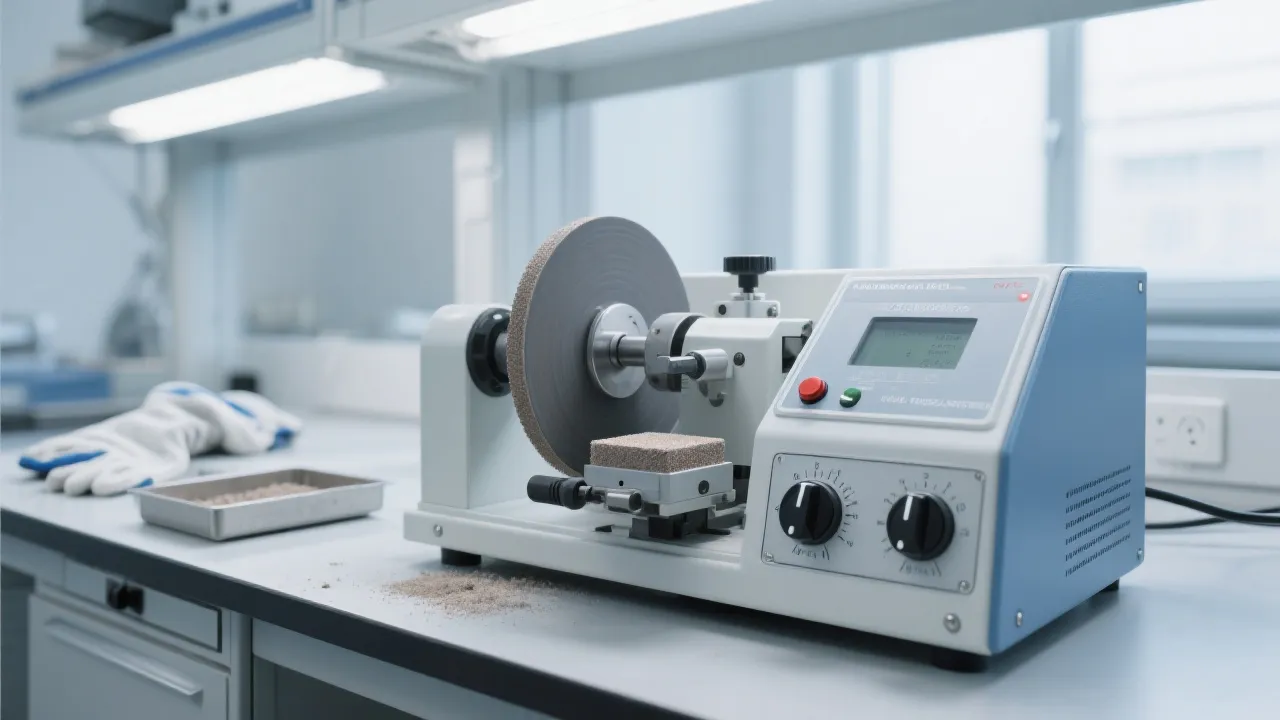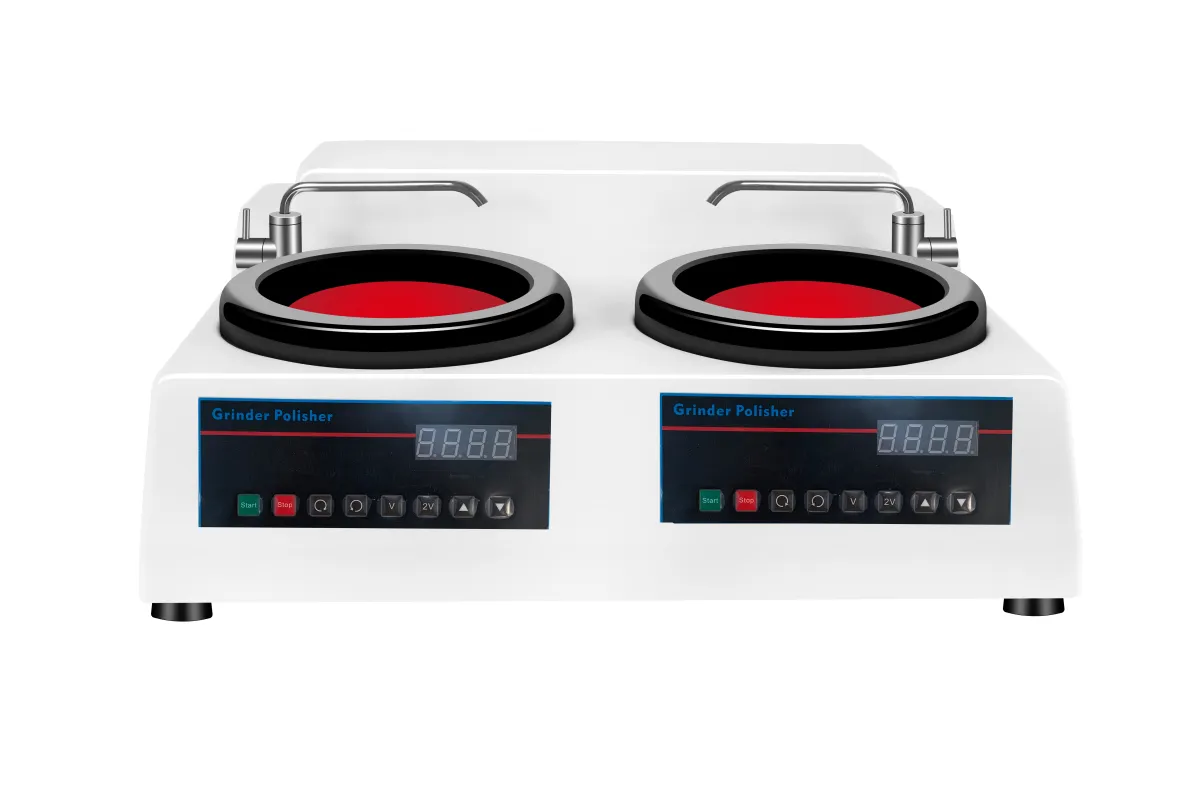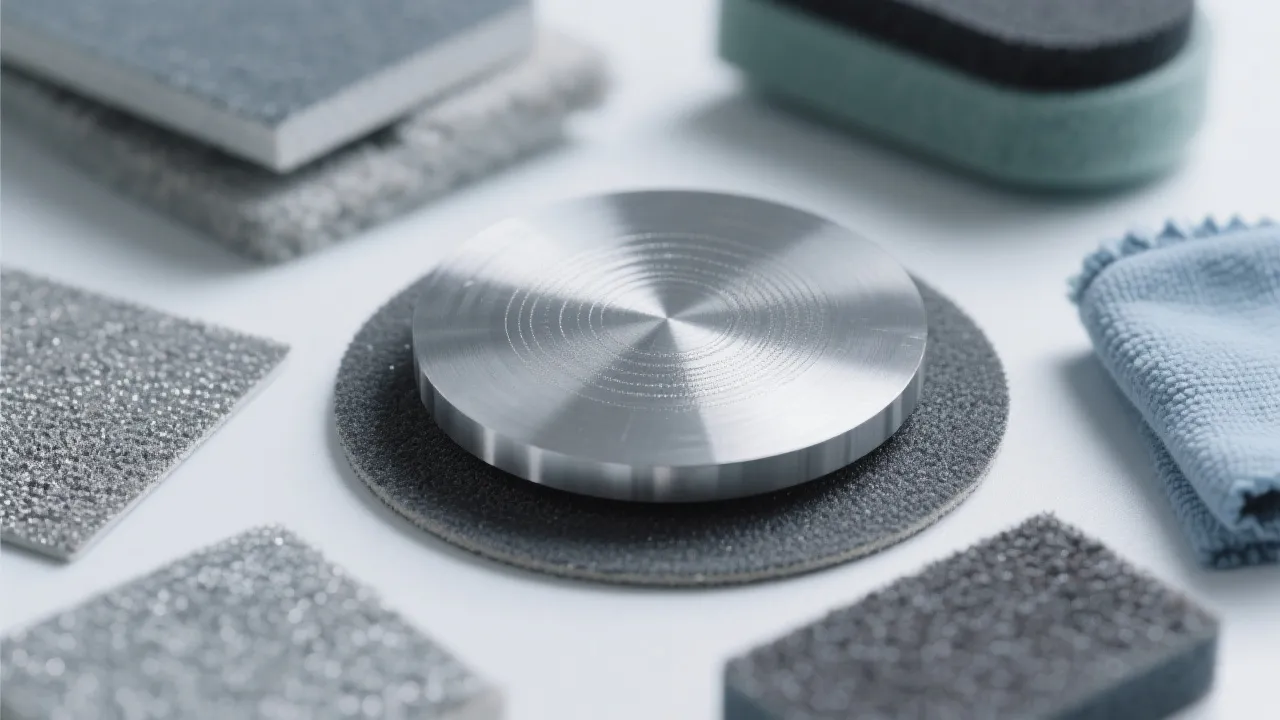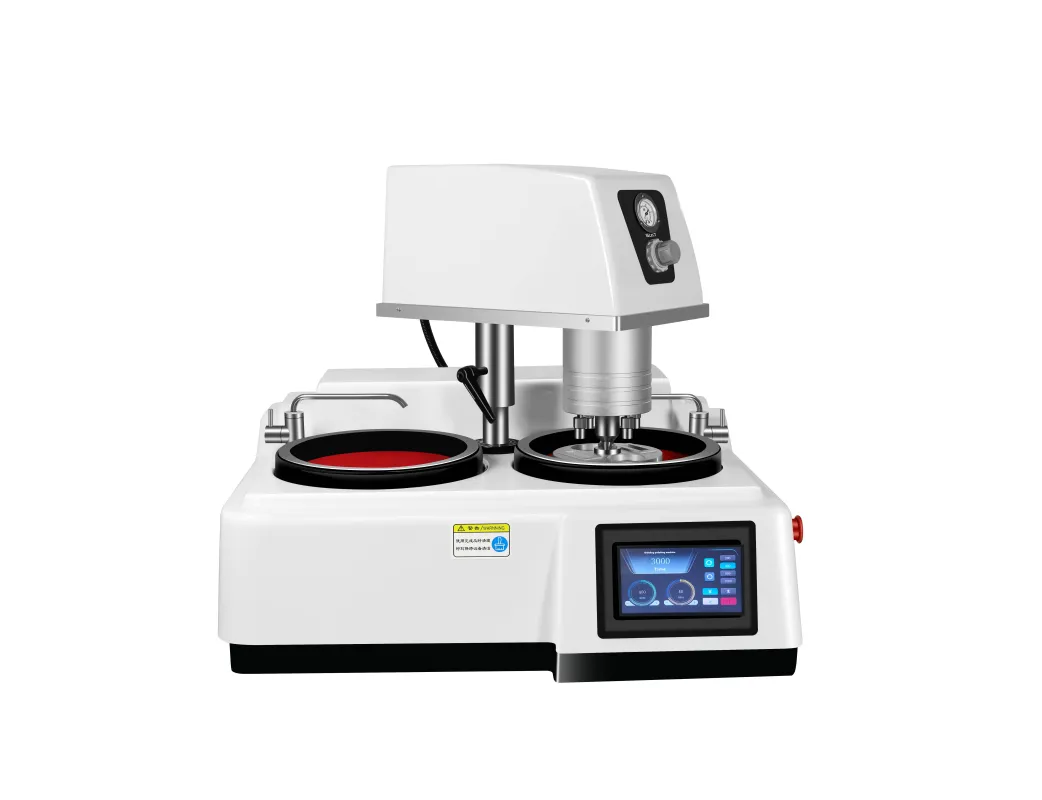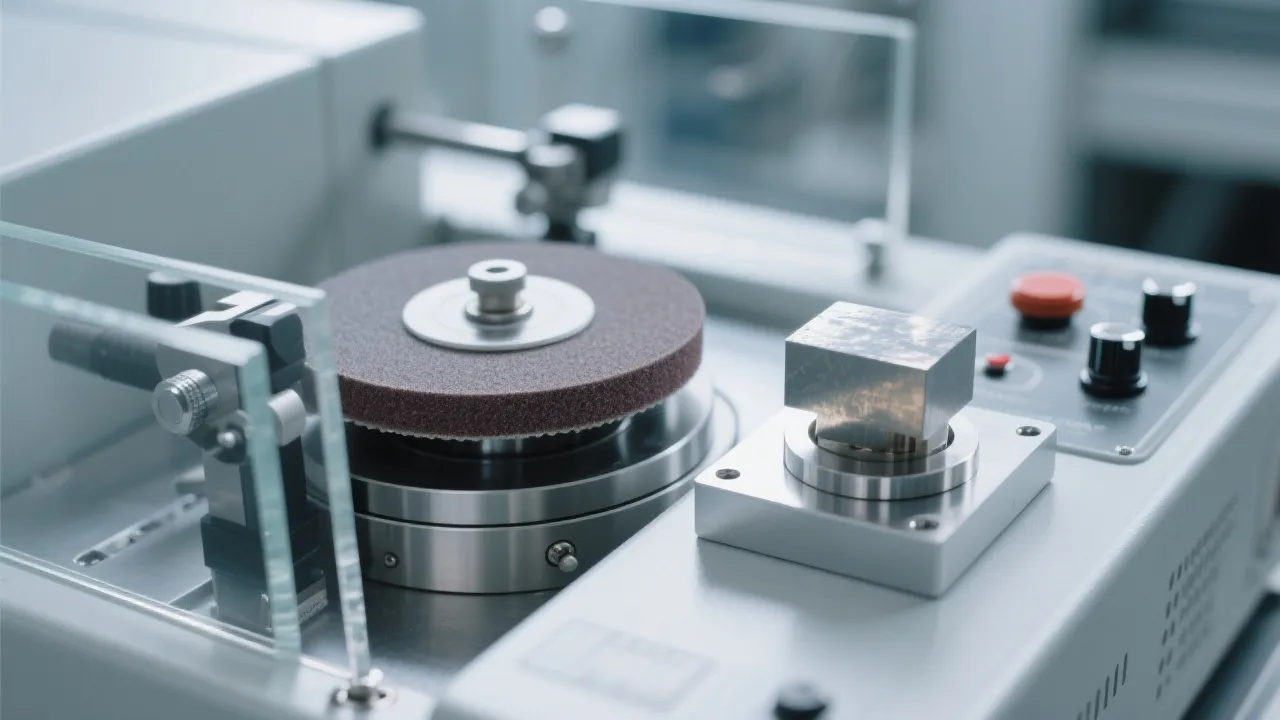
In the realm of laboratory and industrial testing, the choice of materials for the outer casing of polishing equipment is of utmost importance. It not only affects the durability and performance of the equipment but also has a significant impact on the overall cost - effectiveness and efficiency of the testing process.
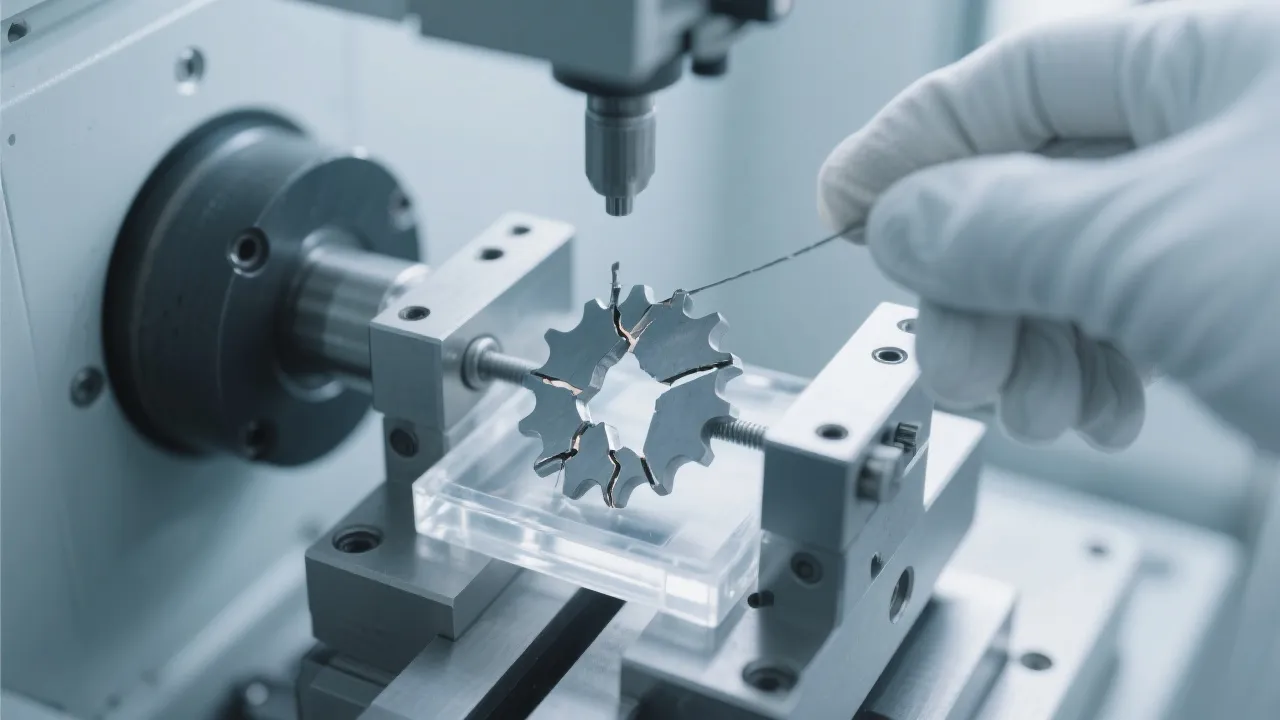
Many laboratories and industrial facilities often fall into common misconceptions when choosing the shell material for their polishing equipment. Some may simply opt for the cheapest material without considering its long - term performance, while others may rely on traditional materials without exploring new options. However, in complex laboratory and industrial environments, such as those with acid - base reagents, high dust levels, and frequent cleaning requirements, the wrong choice of material can lead to premature corrosion, damage, and increased maintenance costs.
Plastic is a commonly used material for equipment casings due to its low cost and ease of molding. However, it has several limitations in terms of corrosion resistance and impact resistance. In a study of 100 plastic - cased polishing machines in a chemical laboratory environment, it was found that approximately 30% showed signs of corrosion and cracking within 1 year. The maintenance cost for these machines, including replacement parts and labor, was estimated to be around $500 per machine over a 3 - year period.
Stainless steel is known for its high strength and relatively good corrosion resistance. But it is also more expensive than plastic. In the same chemical laboratory environment test, 100 stainless - steel cased polishing machines showed a lower corrosion rate, with only about 10% showing minor surface corrosion after 3 years. However, the initial purchase cost of stainless - steel cased machines is about 50% higher than plastic ones, and the maintenance cost is still around $300 per machine over a 3 - year period due to potential scratches and surface damage.
FRP has emerged as a superior choice for the outer casing of industrial polishing equipment. In a comprehensive multi - environment test involving 200 FRP - cased polishing machines, including chemical laboratories, high - dust workshops, and areas with frequent cleaning, only 2% showed any signs of corrosion or damage after 5 years. The maintenance cost for these machines was estimated to be as low as $100 per machine over a 5 - year period.
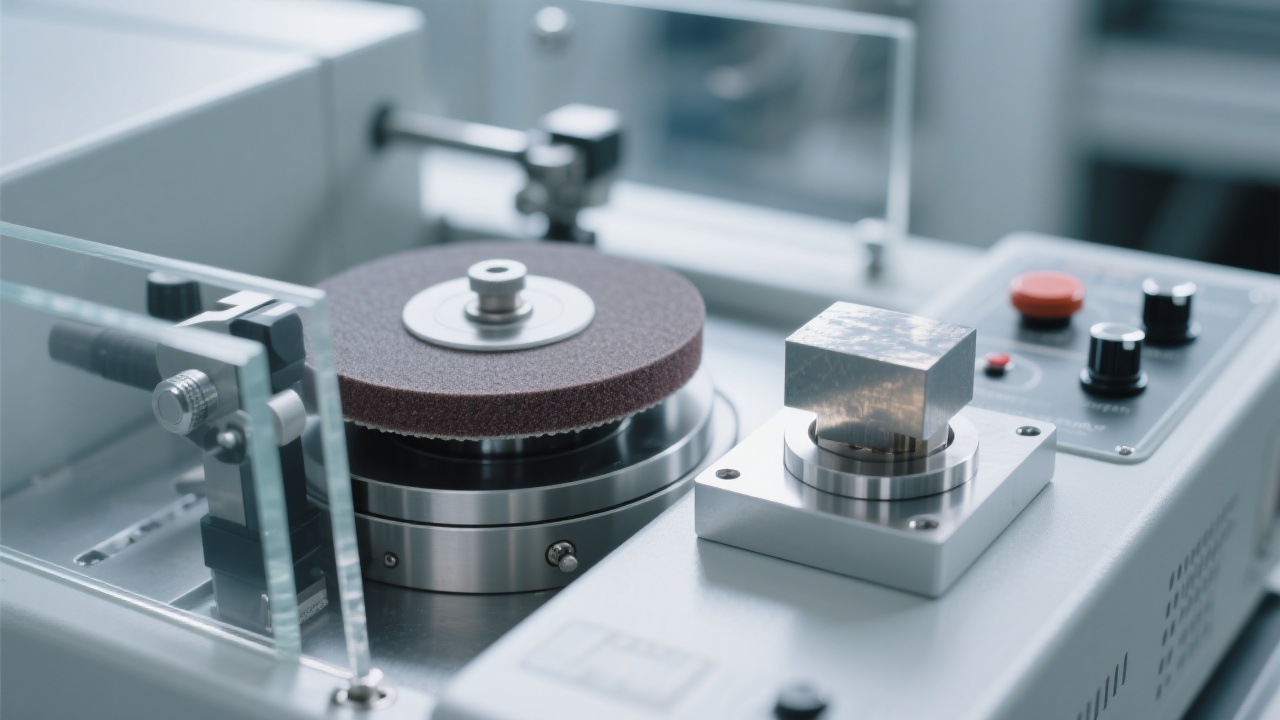
Based on typical customer feedback and test data, FRP shells have shown excellent stability in various harsh environments. In a chemical laboratory where acid - base reagents are frequently used, FRP - cased polishing machines have maintained their structural integrity and appearance for a long time. In high - dust workshops, the smooth surface of FRP shells makes them easy to clean, reducing the impact of dust on equipment performance. And in areas with frequent cleaning, FRP shells are not prone to scratches or corrosion caused by cleaning agents.
To further extend the service life and improve the stability of equipment with FRP shells, here are some maintenance and care suggestions:
It is recommended to clean the FRP shell at least once a week. Use a soft cloth and a mild cleaning agent to gently wipe the surface to remove dust and stains. Avoid using abrasive cleaners or hard brushes, which may scratch the surface.
When moving or installing the equipment, take precautions to avoid scratching the FRP shell. You can use protective pads or covers to reduce the risk of scratches.
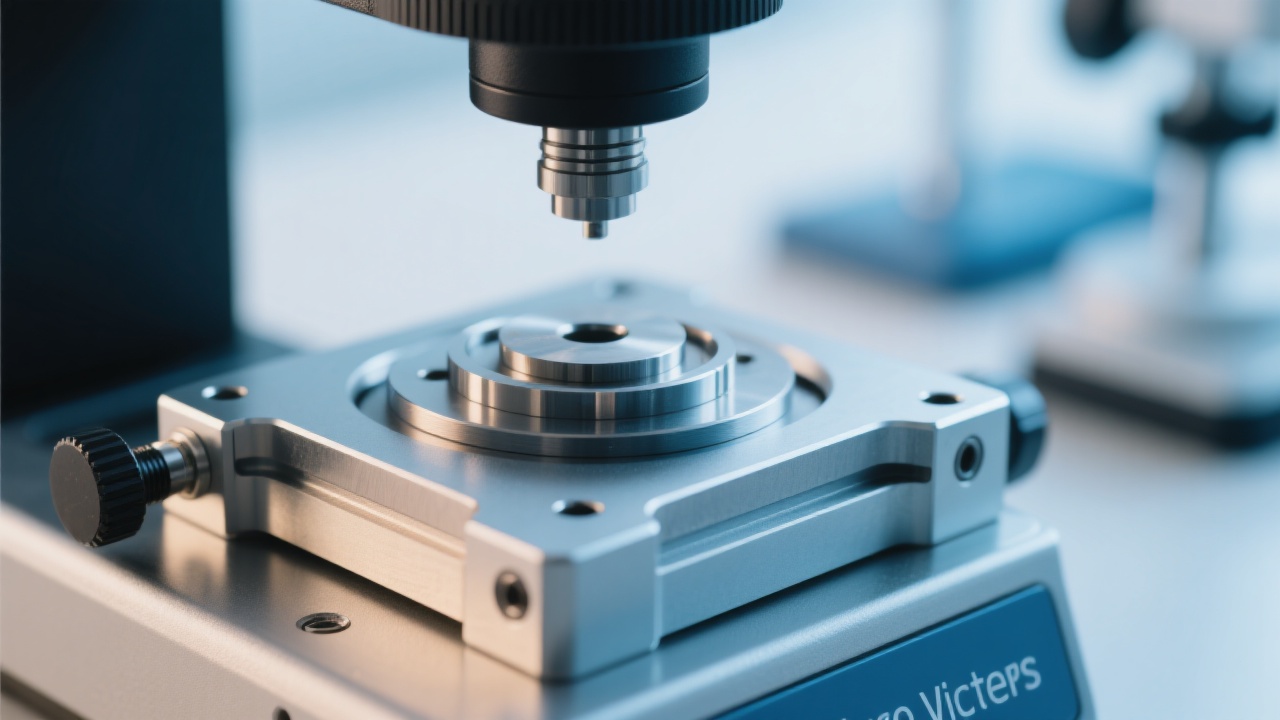
To make the content more intuitive and help readers better understand, we have included data charts and micro - structure diagrams in this article. These visual aids not only show the performance differences between different materials more clearly but also enhance readers' trust in the analysis and conclusions.
We invite you to share your experiences and questions regarding corrosion issues in laboratories. By participating in this discussion, you can contribute to a more corrosion - resistant laboratory and industrial environment.
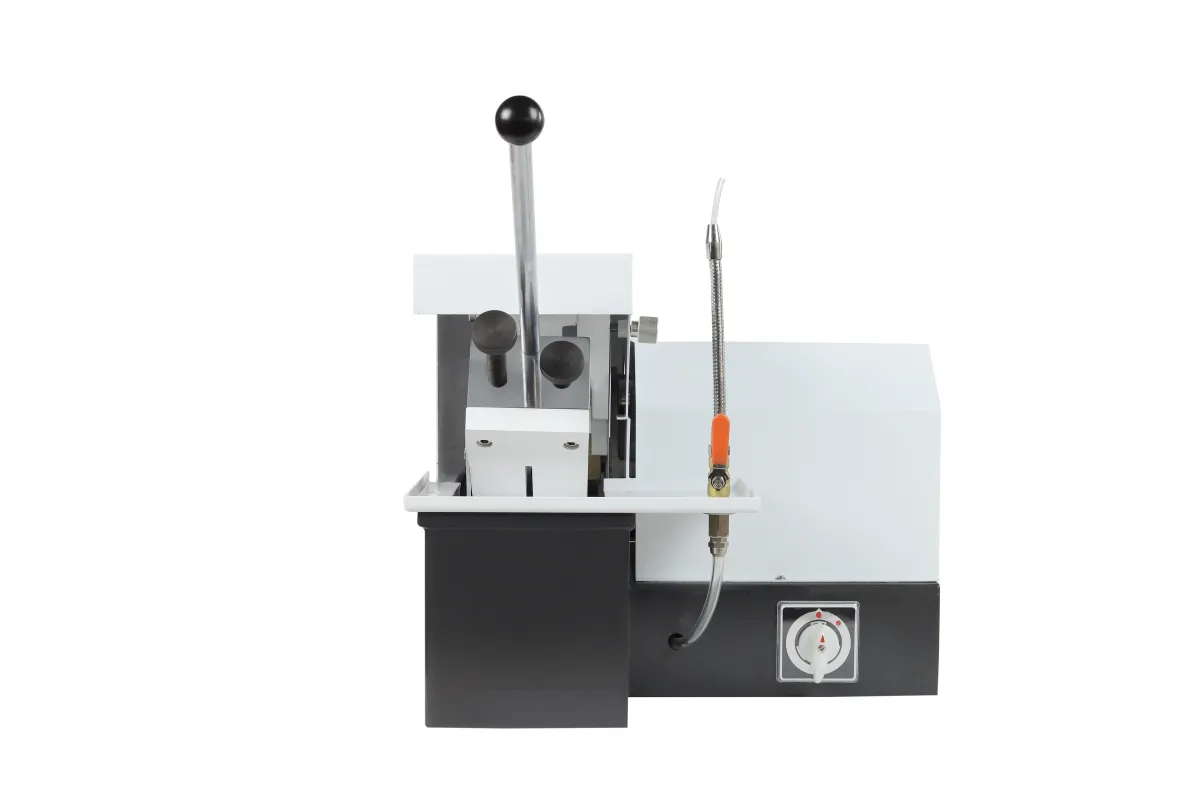
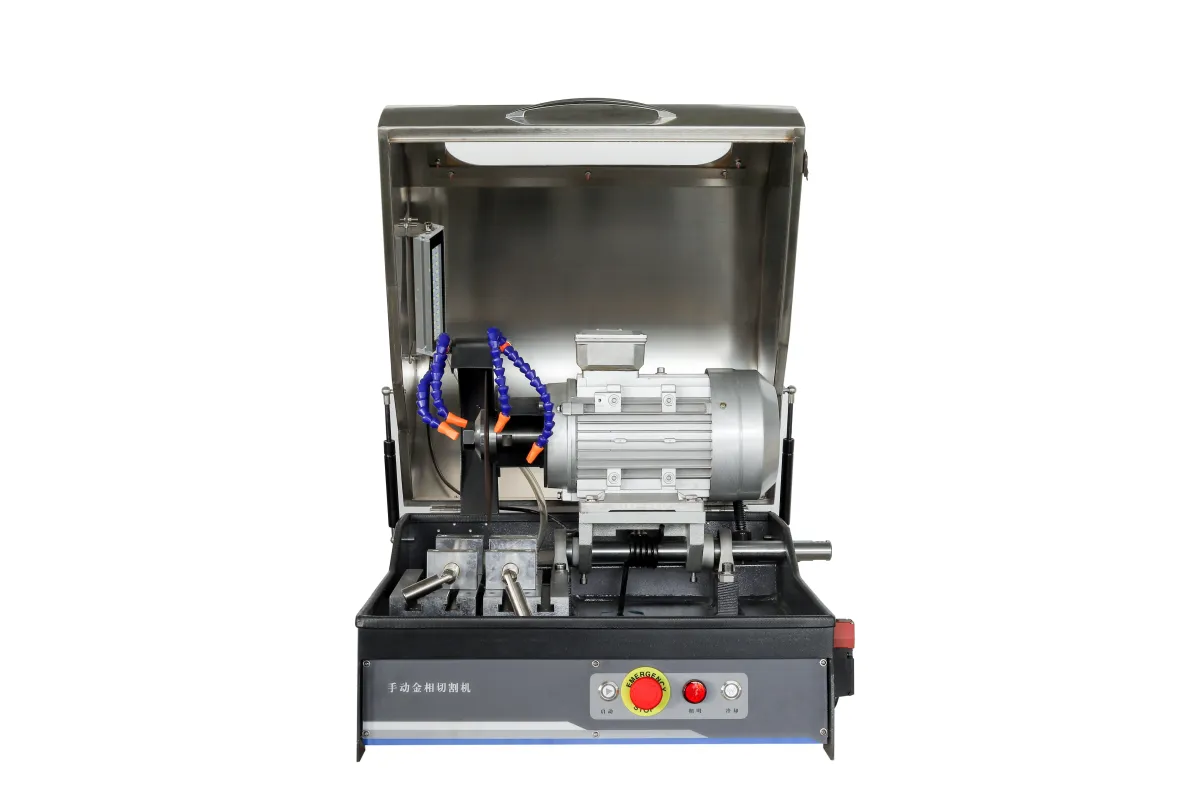
Explore Our Jincheng Brand FRP - Cased Polishing Machines Metallographic sample preparation
MP-2DE Metallographic Polishing Machine
Micro defect analysis
ASTM E3-11 standard
High-performance grinding and polishing
industrial polishing machine enclosure
fiberglass durability
corrosion resistant equipment
laboratory polishing devices
industrial wear-resistant materials
metallographic cutting technology
research data credibility
intelligent constant-temperature cooling
SQ-60 sample cutting machine
precise sample preparation
metallographic sample consistency
grinding and polishing equipment maintenance
metallographic preparation standardization
sample preparation repeatability improvement
laboratory equipment stability
grinding polishing machine maintenance
laboratory equipment care
extend equipment lifespan
variable speed system calibration
durable polishing machine upkeep
Metallographic sample preparation
MP-2DE Metallographic Polishing Machine
Micro defect analysis
ASTM E3-11 standard
High-performance grinding and polishing
industrial polishing machine enclosure
fiberglass durability
corrosion resistant equipment
laboratory polishing devices
industrial wear-resistant materials
metallographic cutting technology
research data credibility
intelligent constant-temperature cooling
SQ-60 sample cutting machine
precise sample preparation
metallographic sample consistency
grinding and polishing equipment maintenance
metallographic preparation standardization
sample preparation repeatability improvement
laboratory equipment stability
grinding polishing machine maintenance
laboratory equipment care
extend equipment lifespan
variable speed system calibration
durable polishing machine upkeep