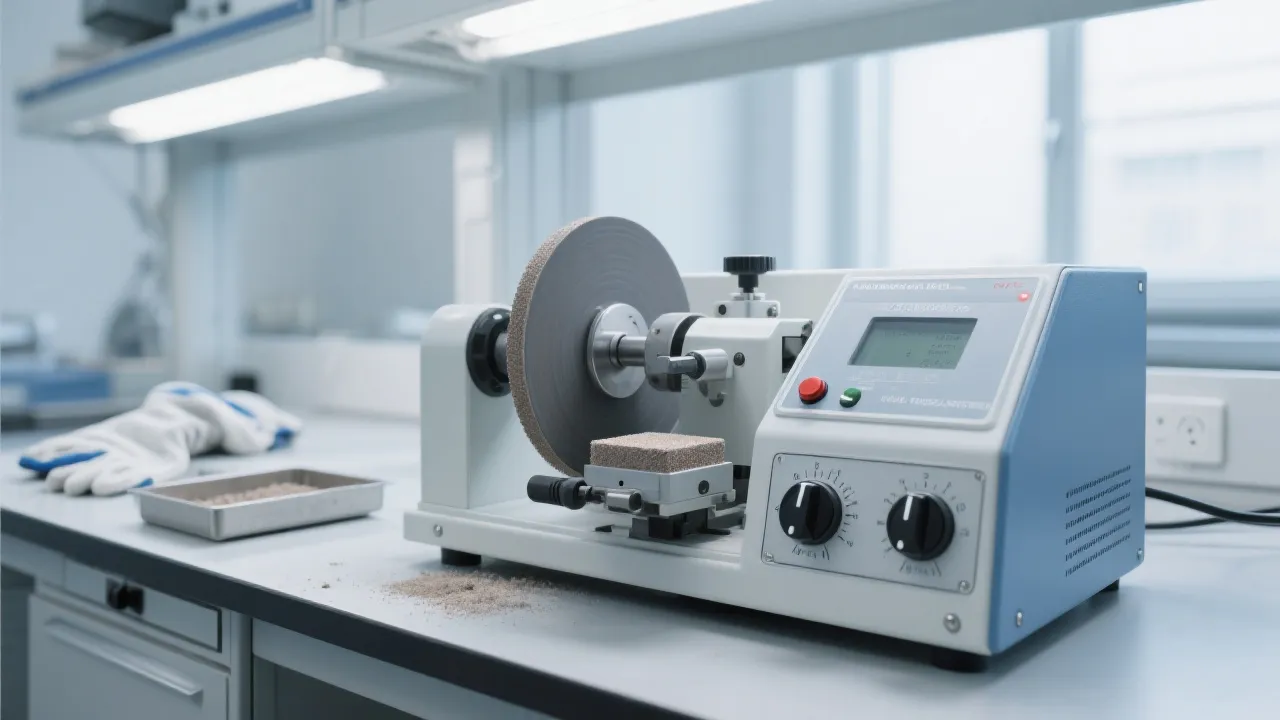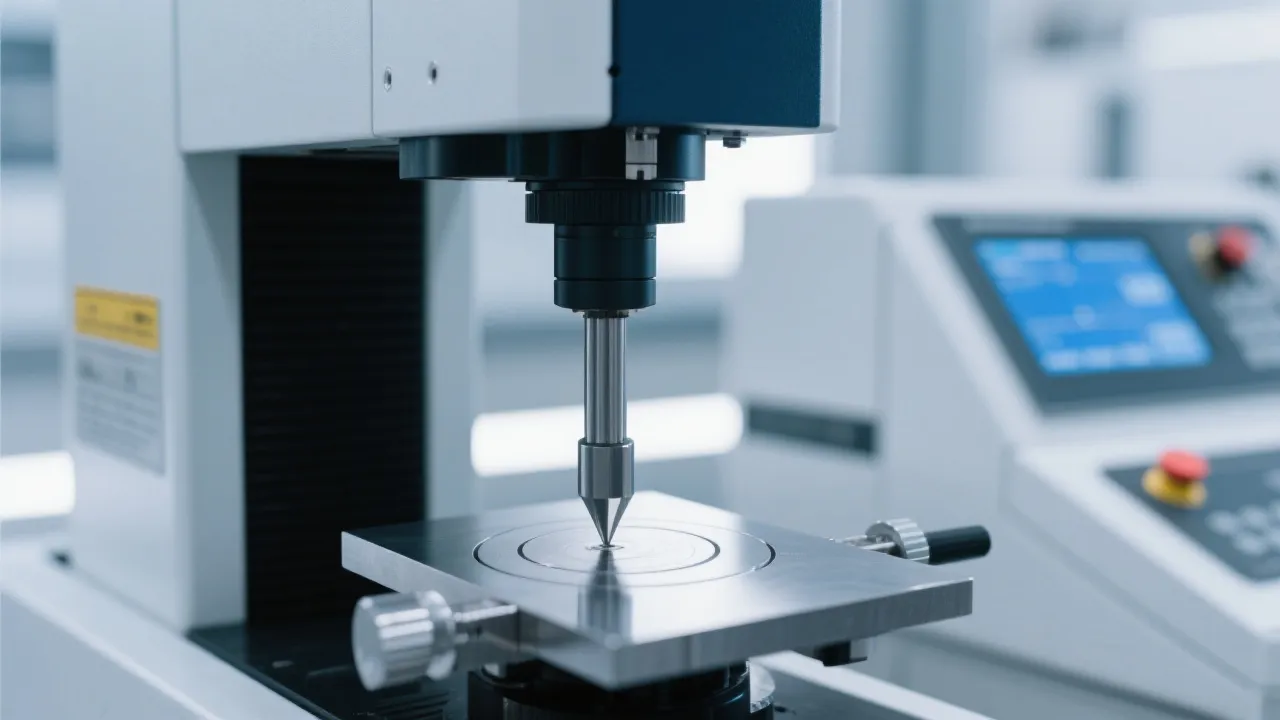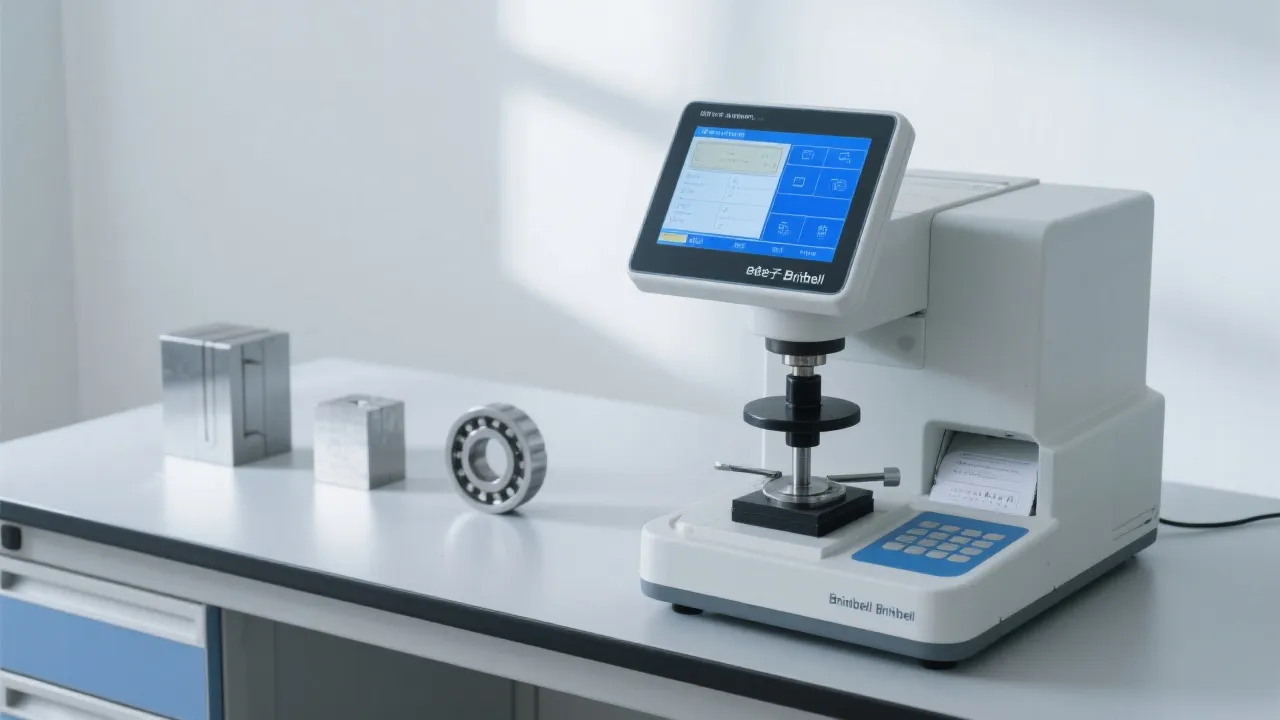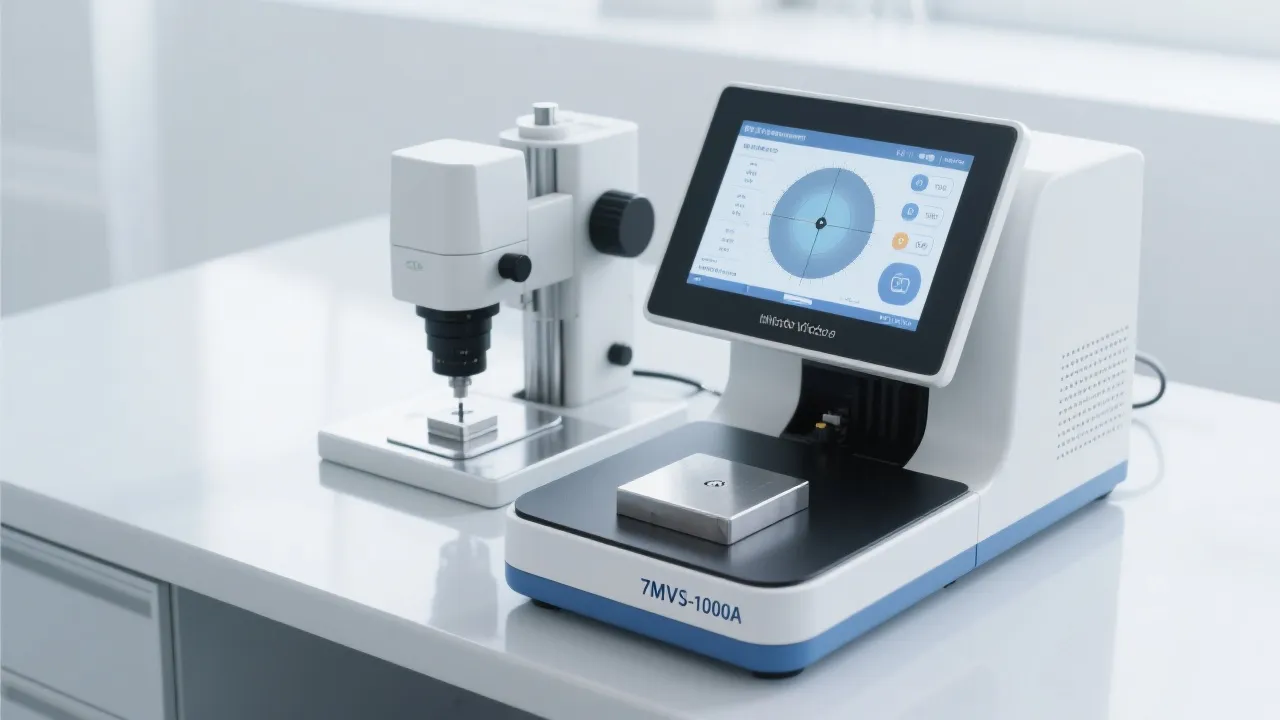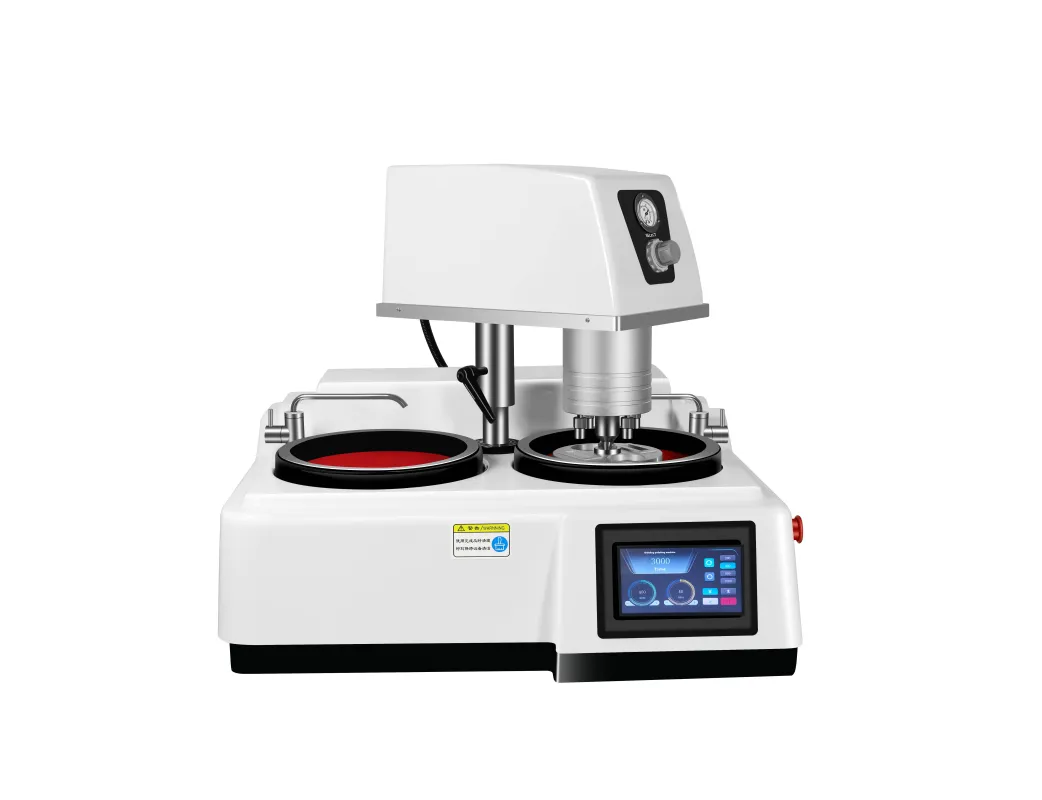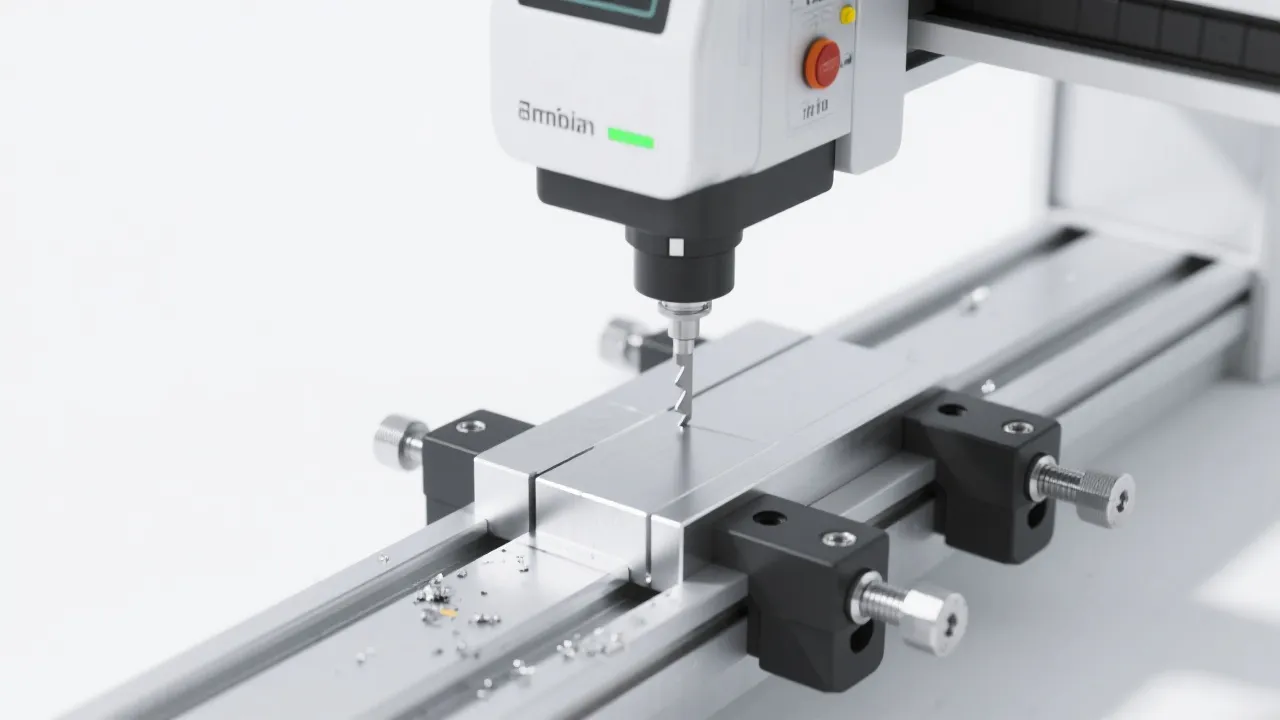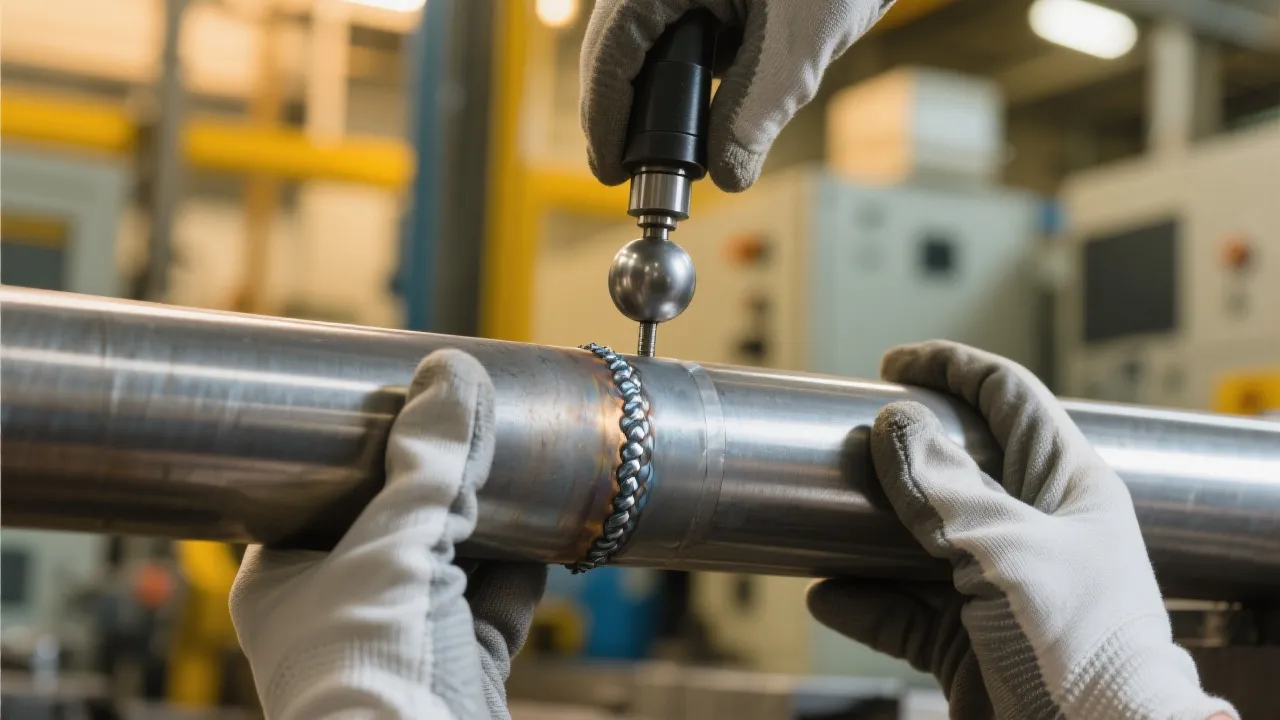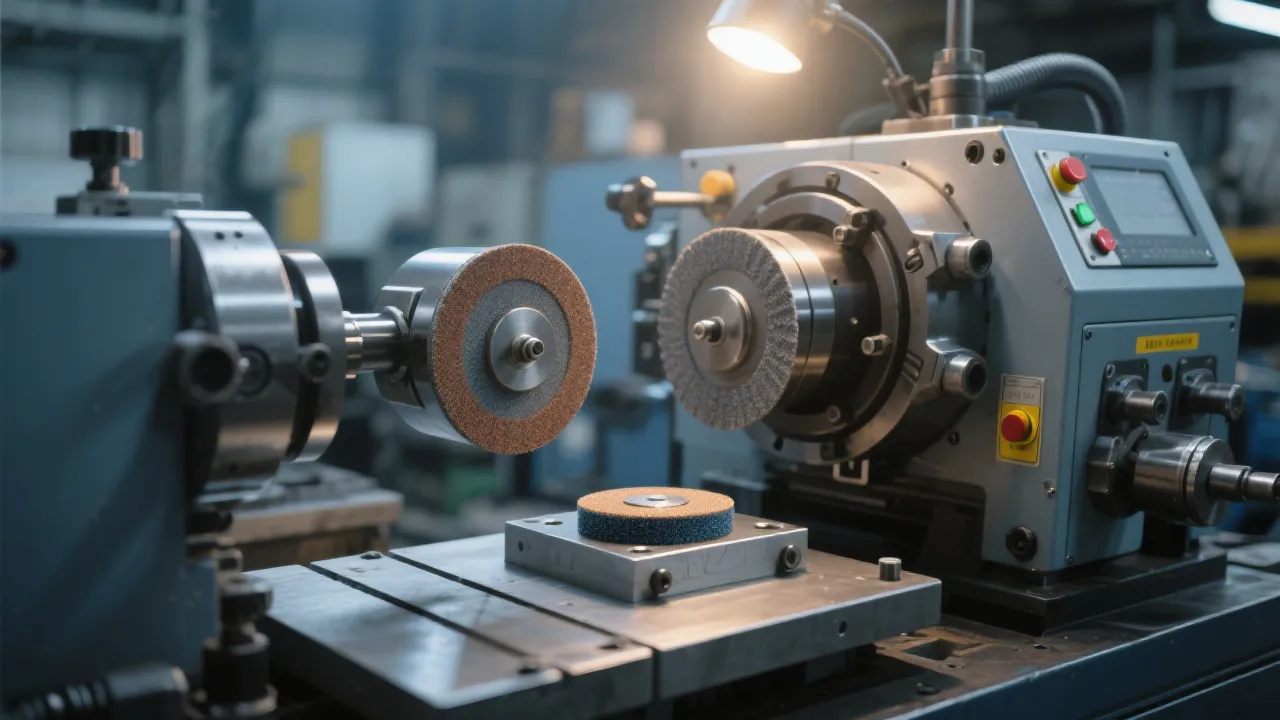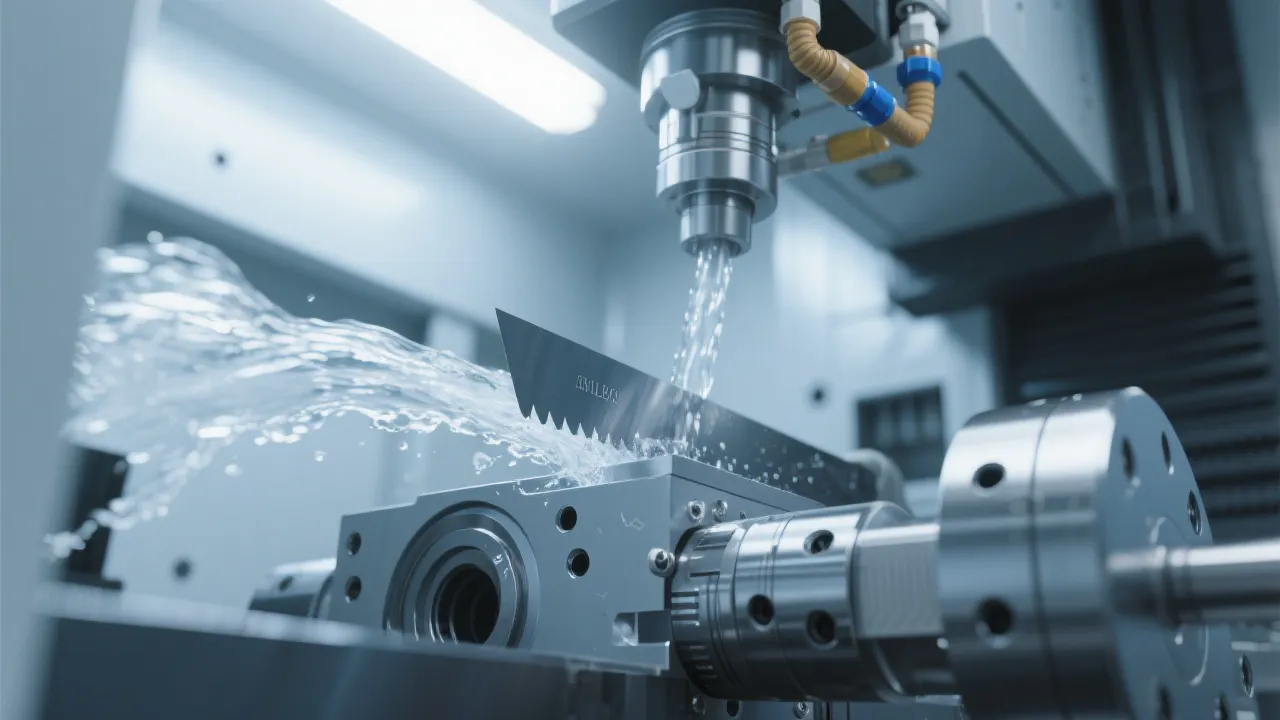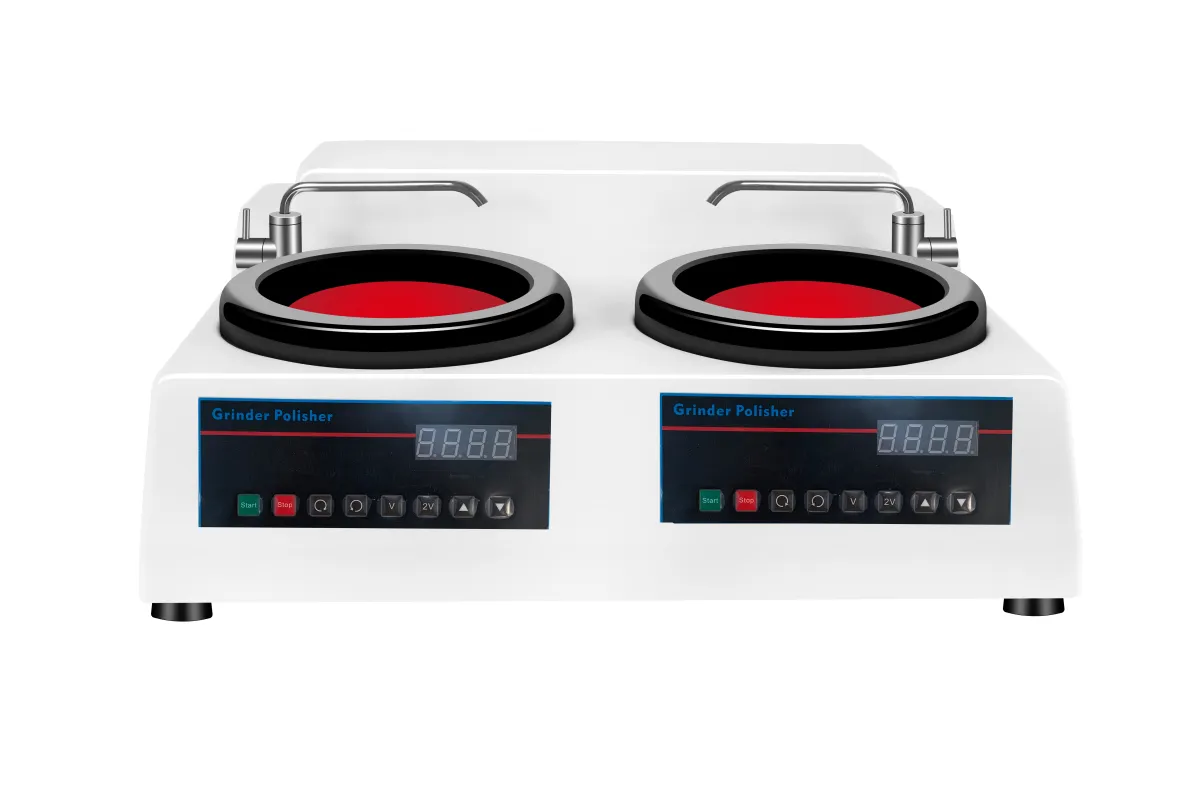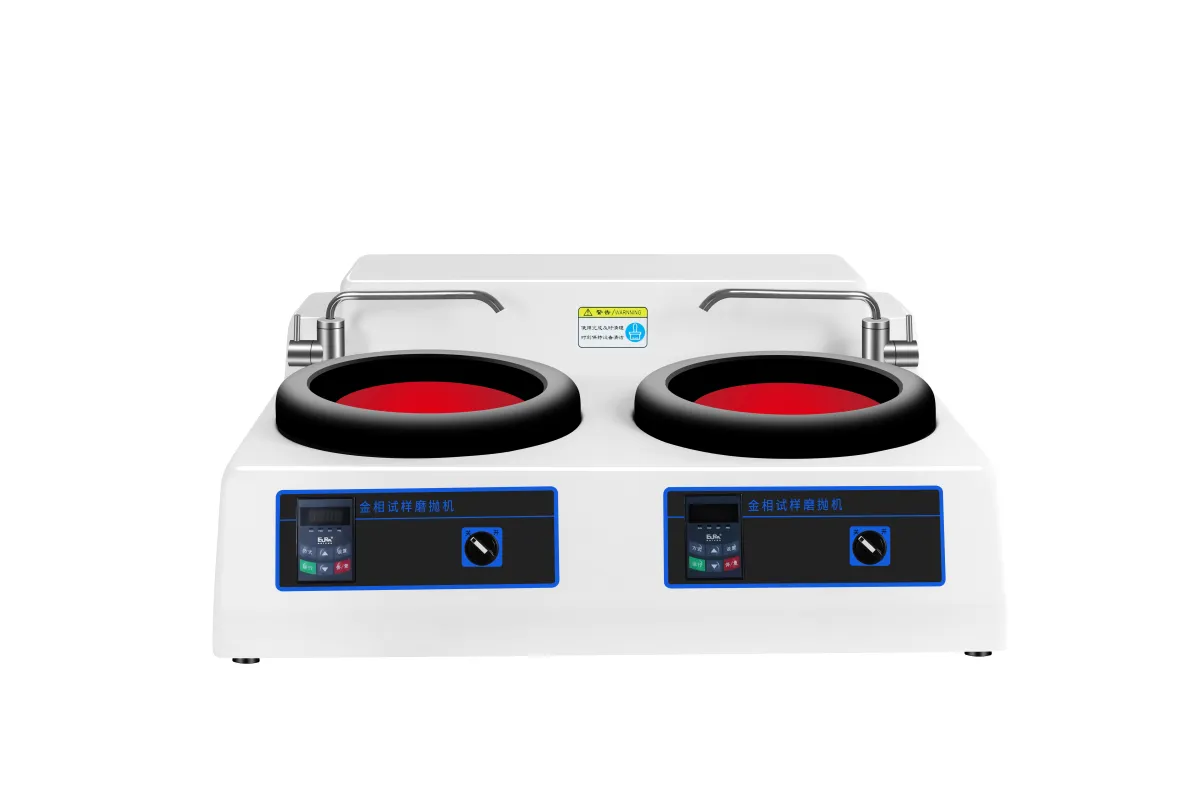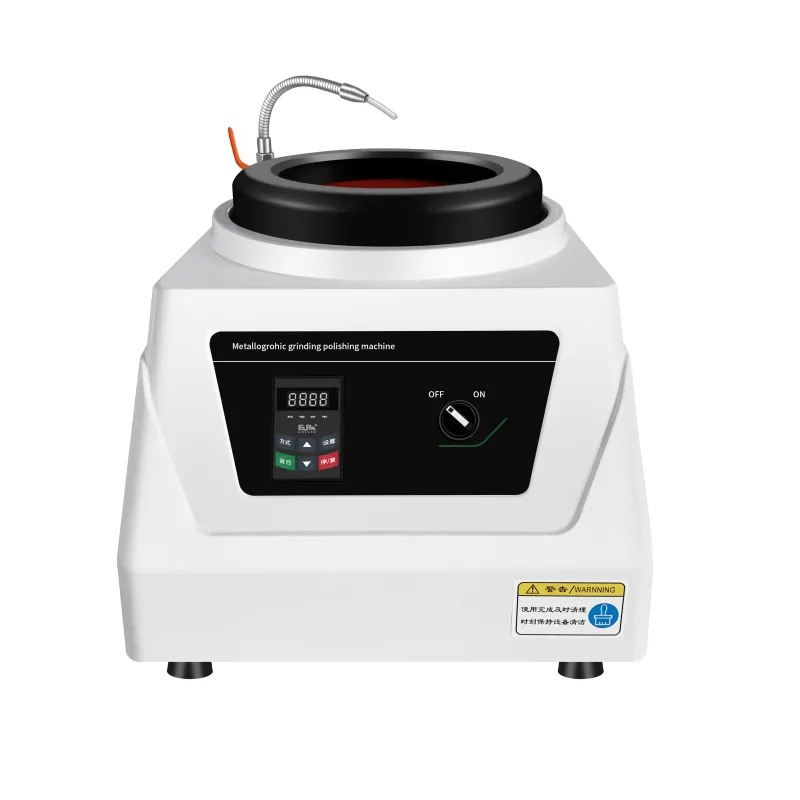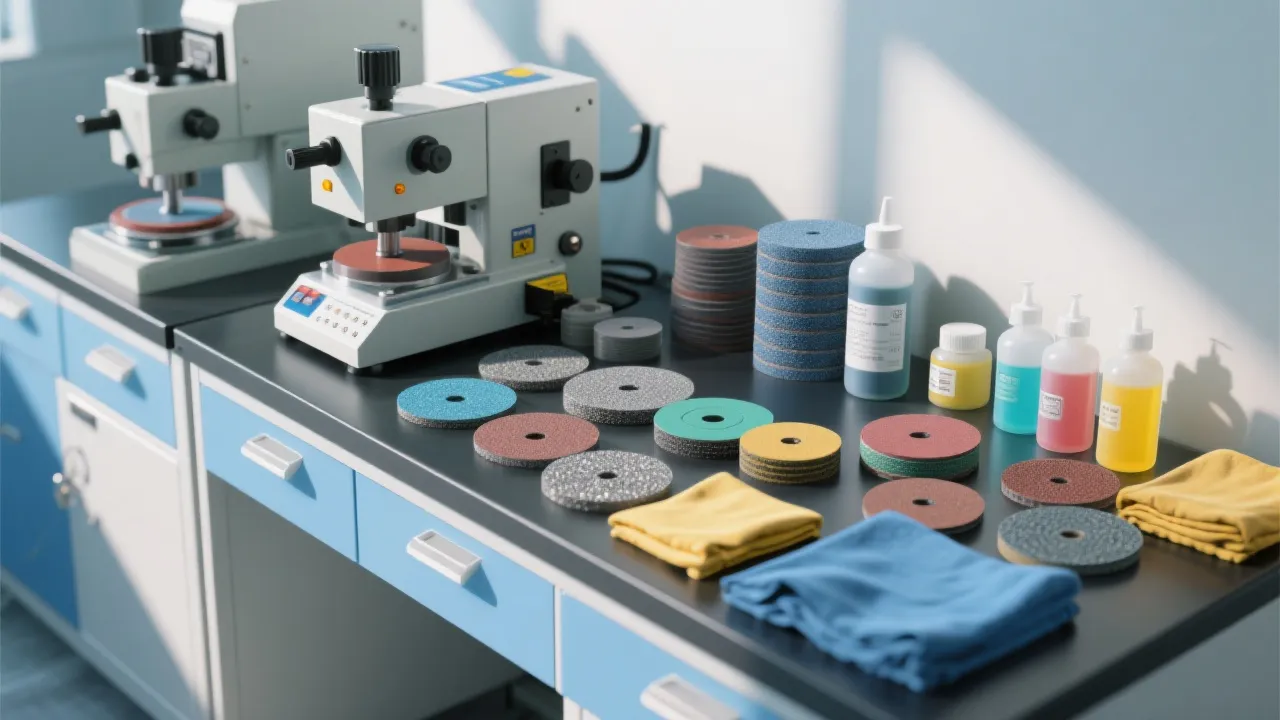
Scratches on metallographic samples during the polishing process are a common problem that affects the quality of metallographic images. This article systematically analyzes the main causes of scratches, including polishing liquid contamination, polishing disc wear, unstable equipment rotation speed, and aging of the polishing cloth. It also provides a structured troubleshooting process and practical preventive suggestions. By integrating the technical advantages of the MP - 1B Metallographic Sample Preparation Grinding and Polishing Machine from Laizhou Jincheng Industrial Equipment Co., Ltd., we will delve into how the stepless speed regulation and single - disc integration functions of the equipment can solve the scratch problem.
There are several key factors that can lead to scratches on polished metallographic samples. Firstly, polishing liquid contamination is a significant cause. Impurities in the polishing liquid can act as abrasive particles, scratching the sample surface. Secondly, the state of the polishing disc matters. As the polishing disc wears over time, its surface becomes uneven, which can cause scratches. Thirdly, unstable equipment rotation speed can also result in inconsistent polishing, leading to scratches. Finally, an aged polishing cloth loses its effectiveness and may cause scratches on the sample.
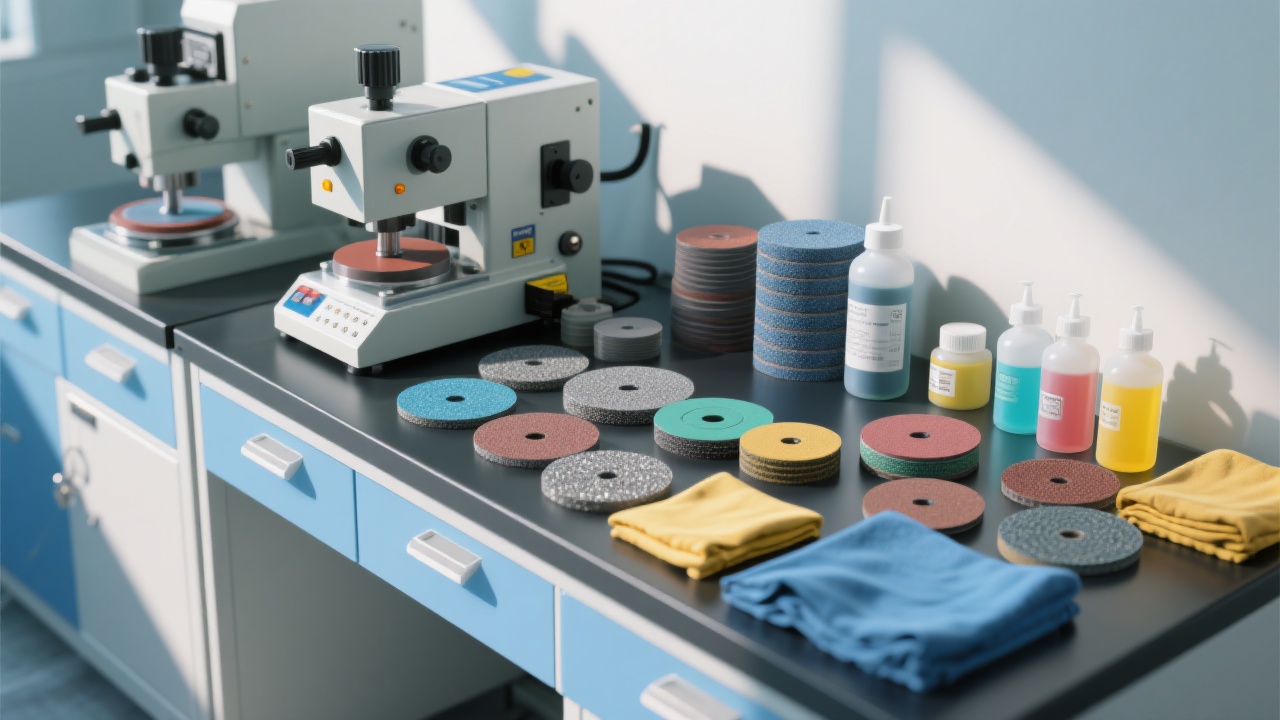
The MP - 1B Grinding and Polishing Machine from Laizhou Jincheng Industrial Equipment Co., Ltd. has remarkable features. Its stepless speed regulation function allows users to adjust the rotation speed according to different sample requirements, ensuring a more stable and uniform polishing process. The single - disc integration design simplifies the operation process, improving work efficiency. These features play a crucial role in solving the scratch problem during metallographic sample polishing.
To quickly locate the root cause of scratches, a structured troubleshooting process is necessary. First, check the quality of the polishing liquid. Look for any signs of contamination, such as foreign particles or abnormal color. Second, examine the polishing disc. Check for wear and tear, and if necessary, replace it. Third, verify the stability of the equipment rotation speed. Use a tachometer to measure the speed and make adjustments if needed. Finally, inspect the polishing cloth. If it is aged or damaged, replace it with a new one.
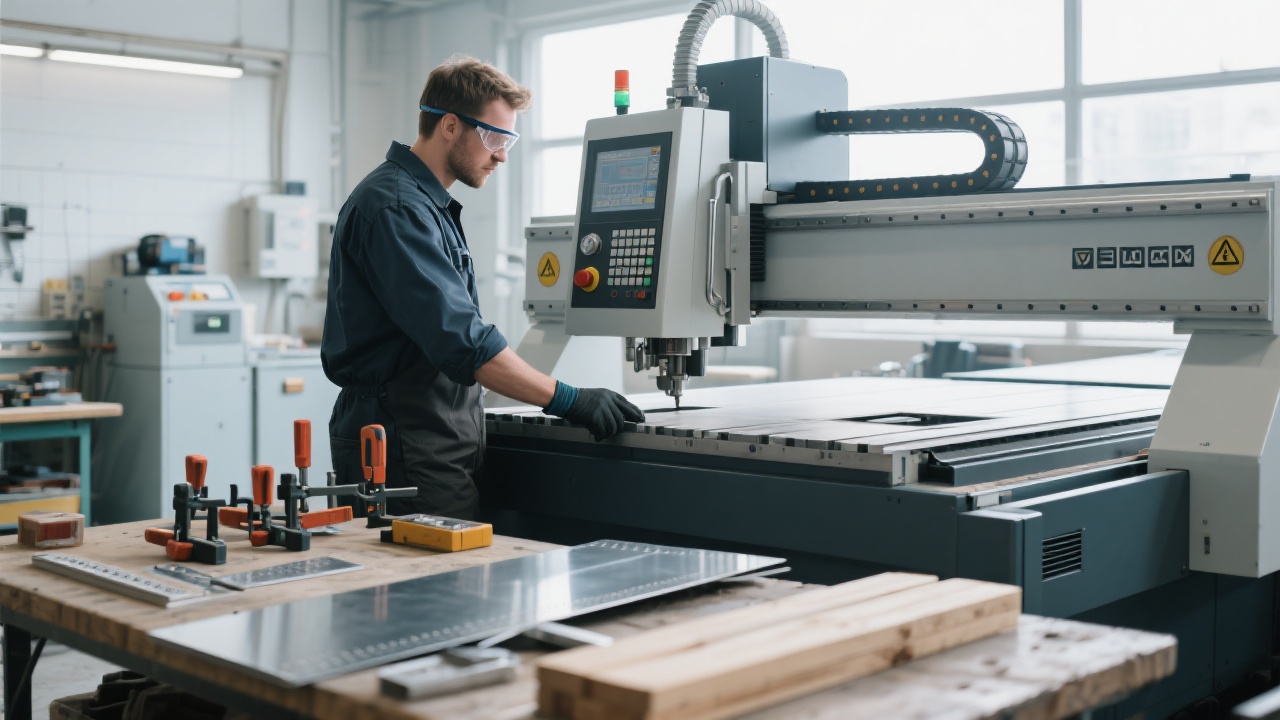
To prevent scratches on metallographic samples, regular maintenance is essential. Replace the polishing cloth at regular intervals, clean the work environment to avoid dust and debris, and operate the equipment correctly. By following these preventive measures, you can ensure the quality of metallographic samples and improve the efficiency of experiments and quality inspections.
This article is accompanied by high - quality graphic tutorials, fault schematic diagrams, troubleshooting flowcharts, and operation video links. These multimedia elements enhance the practical guidance and understanding of the content, helping technicians quickly master the skills of metallographic sample preparation.
We encourage users to interact and communicate with us. Leave your questions and experiences in the comment section below. By building a technical community, we can share knowledge and solve problems together, further enhancing the brand influence of Laizhou Jincheng and promoting the development of metallographic sample preparation technology.
In conclusion, the MP - 1B Metallographic Sample Preparation Grinding and Polishing Machine from Laizhou Jincheng Industrial Equipment Co., Ltd. is a reliable choice for metallographic sample preparation. With its advanced technology and excellent performance, it can effectively solve the problem of scratches on polished metallographic samples. If you are interested in improving your metallographic sample preparation process, click here to learn more about the MP - 1B Grinding and Polishing Machine.
 Metallographic sample preparation
SQ-60 high efficiency metal cutting machine
Data stability
ASTM E3-11
Intelligent cooling system
P-2G high-speed double-disc polisher
standardized metal sample polishing
low-noise polishing equipment
ASTM ISO polishing standards
metal sample surface flatness
metallographic grinding machine operation guide
touchscreen metallographic equipment tutorial
four-level constant speed grinding techniques
metallographic sample preparation for beginners
sample grinding process
Polishing machine enclosure material
Durability of metallographic specimen polishing equipment
Laboratory equipment anti - corrosion solutions
FRP polishing machine enclosure
Durability of industrial testing equipment
Metallographic polishing scratch troubleshooting
Metallographic sample grinder - polisher operation skills
MP - 1B polishing fault solutions
Metallographic sample polishing maintenance
Grinder - polisher fault exclusion
Metallographic sample preparation
SQ-60 high efficiency metal cutting machine
Data stability
ASTM E3-11
Intelligent cooling system
P-2G high-speed double-disc polisher
standardized metal sample polishing
low-noise polishing equipment
ASTM ISO polishing standards
metal sample surface flatness
metallographic grinding machine operation guide
touchscreen metallographic equipment tutorial
four-level constant speed grinding techniques
metallographic sample preparation for beginners
sample grinding process
Polishing machine enclosure material
Durability of metallographic specimen polishing equipment
Laboratory equipment anti - corrosion solutions
FRP polishing machine enclosure
Durability of industrial testing equipment
Metallographic polishing scratch troubleshooting
Metallographic sample grinder - polisher operation skills
MP - 1B polishing fault solutions
Metallographic sample polishing maintenance
Grinder - polisher fault exclusion