In the realm of materials analysis, achieving consistent metallographic sample preparation is paramount. Variability in the preparation process can significantly affect the reliability of microstructural characterization, potentially leading to inaccurate conclusions and compromised quality control.
Metallographic sample preparation involves multiple technical steps where three primary factors impact consistency:
Human Factors: Manual adjustments during grinding and polishing can cause uneven pressure distribution. This leads to surface artifacts such as scratches or uneven deformation layers that affect microscopic examination.
Equipment Variability: Spindle speed fluctuations greater than ±5% have been documented to cause surface finish inconsistencies. Imbalance in rotating components accelerates wear and can introduce vibration artifacts in samples.
Environmental Conditions: Elevated humidity compromises slurry stability and polishing cloth adherence, causing periodic process disruptions.
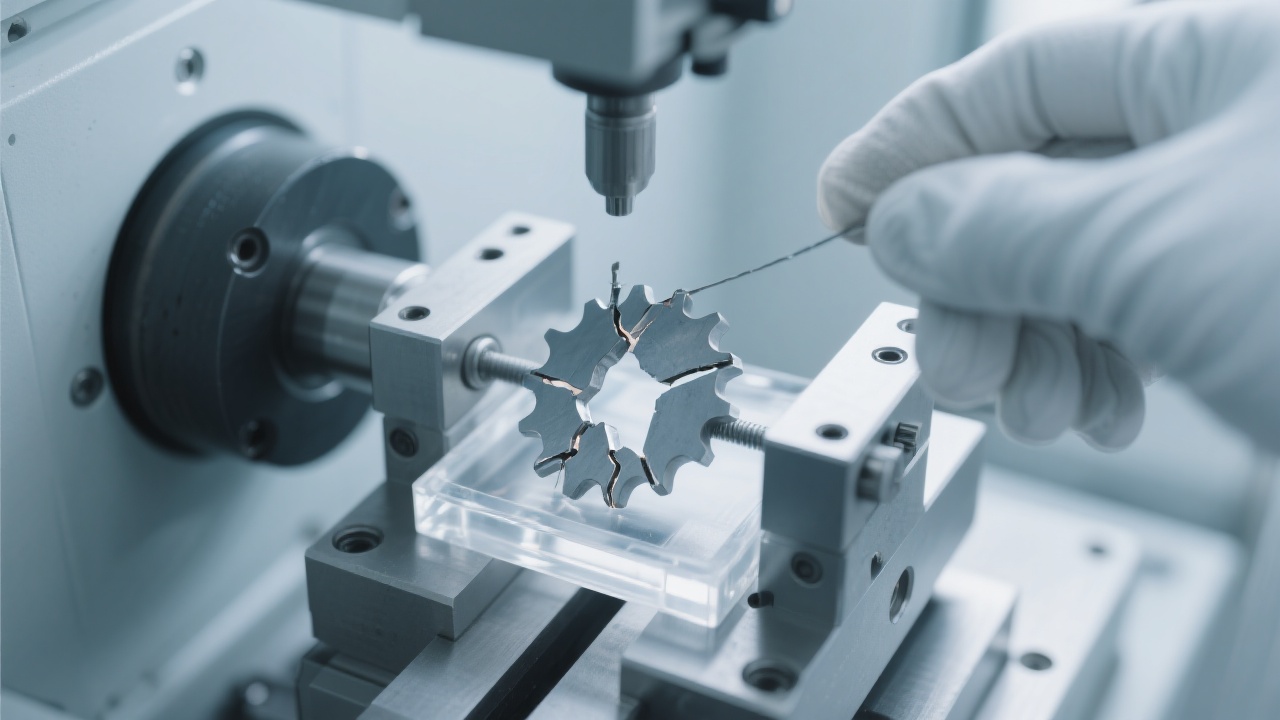
To ensure reproducibility, adherence to stringent operational protocols, aligned with standards such as ASTM E3 and ISO 14175, is essential. Key recommendations include:
“Consistency in metallographic sample preparation is the foundation of reliable materials characterization.” — Standard Practice per ASTM E3
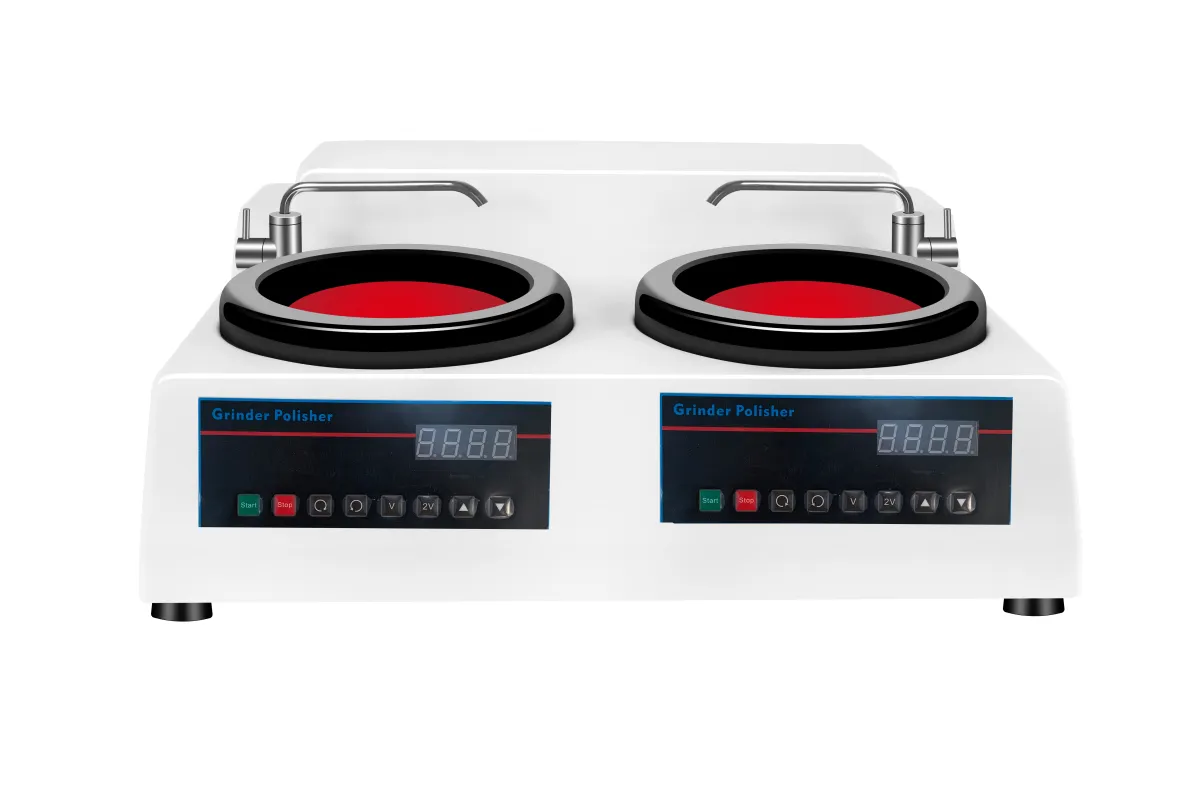
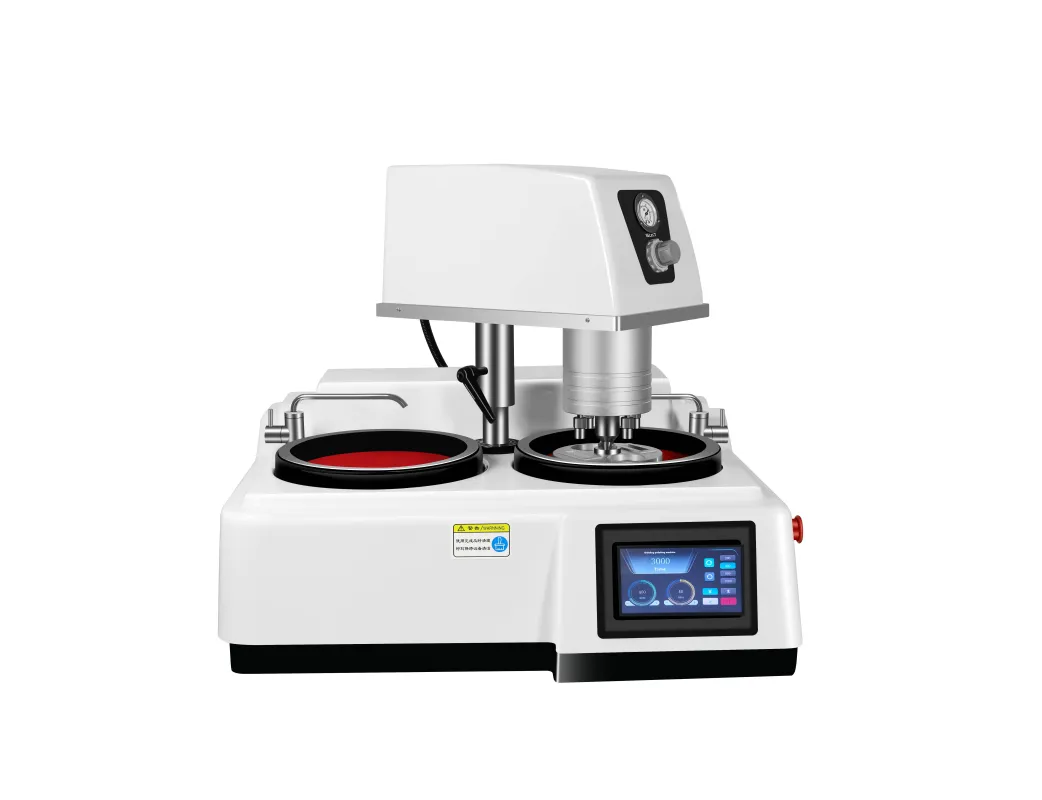
A leading materials testing lab reported inconsistent sample finishes due to spindle speed fluctuations on existing equipment. After integrating the MP-2S dual-disc manual grinding and polishing machine, notable improvements emerged:
Incorporating scheduled maintenance checklists tailored for the MP-2S model ensured minimal downtime and sustained performance stability over six months, bolstering the lab's credibility with consistent, high-quality metallographic data.
Let every grinding run be reproducible—empower your quality assurance with equipment designed for precision and durability.
While operator training and environment control remain vital, strategically selecting equipment with inherent stability features dramatically reduces variability risks. The MP-2S not only meets but exceeds industry-standard requirements, serving as an effective cornerstone in metallographic labs and industrial settings alike.
 metallographic grinding and polishing machine
material quality control
sample preparation optimization
grinding speed adjustment
technical training for quality inspection
Metallographic sample preparation
SQ-60 high efficiency metal cutting machine
Data stability
ASTM E3-11
Intelligent cooling system
Metallographic sample preparation
MP-2DE Metallographic Polishing Machine
Micro defect analysis
ASTM E3-11 standard
High-performance grinding and polishing
Stability of temperature control in metallographic preparation
Temperature control accuracy of automatic encrusting machine
Consistency of metallographic sample formation
Curing control of thermosetting resins
Metallographic sample preparation technology
grinding polishing machine maintenance
laboratory equipment care
extend equipment lifespan
variable speed system calibration
durable polishing machine upkeep
metallographic grinding and polishing machine
material quality control
sample preparation optimization
grinding speed adjustment
technical training for quality inspection
Metallographic sample preparation
SQ-60 high efficiency metal cutting machine
Data stability
ASTM E3-11
Intelligent cooling system
Metallographic sample preparation
MP-2DE Metallographic Polishing Machine
Micro defect analysis
ASTM E3-11 standard
High-performance grinding and polishing
Stability of temperature control in metallographic preparation
Temperature control accuracy of automatic encrusting machine
Consistency of metallographic sample formation
Curing control of thermosetting resins
Metallographic sample preparation technology
grinding polishing machine maintenance
laboratory equipment care
extend equipment lifespan
variable speed system calibration
durable polishing machine upkeep