Home > News > Selecting Grinding and Polishing Equipment Based on Sample Type: A Lab Technician’s Comprehensive Guide

Selecting Grinding and Polishing Equipment Based on Sample Type: A Lab Technician’s Comprehensive Guide

Jin Cheng
2026-02-14
Tutorial Guide
How can laboratory technicians accurately select grinding and polishing equipment tailored to different sample types? This article offers an in-depth analysis of the unique grinding and polishing requirements for various materials such as metals, alloys, and composites. Highlighting the performance advantages of the MP-2DE dual-disc manual grinding and polishing system—including its 50–600 rpm variable speed control, dual control mechanisms, robust ABS construction, and compliance with ASTM/ISO standards—we provide a practical buying guide. You’ll learn to make informed decisions by evaluating equipment performance, user-friendliness, and maintenance costs, ultimately enhancing metallographic sample preparation efficiency and inspection accuracy.
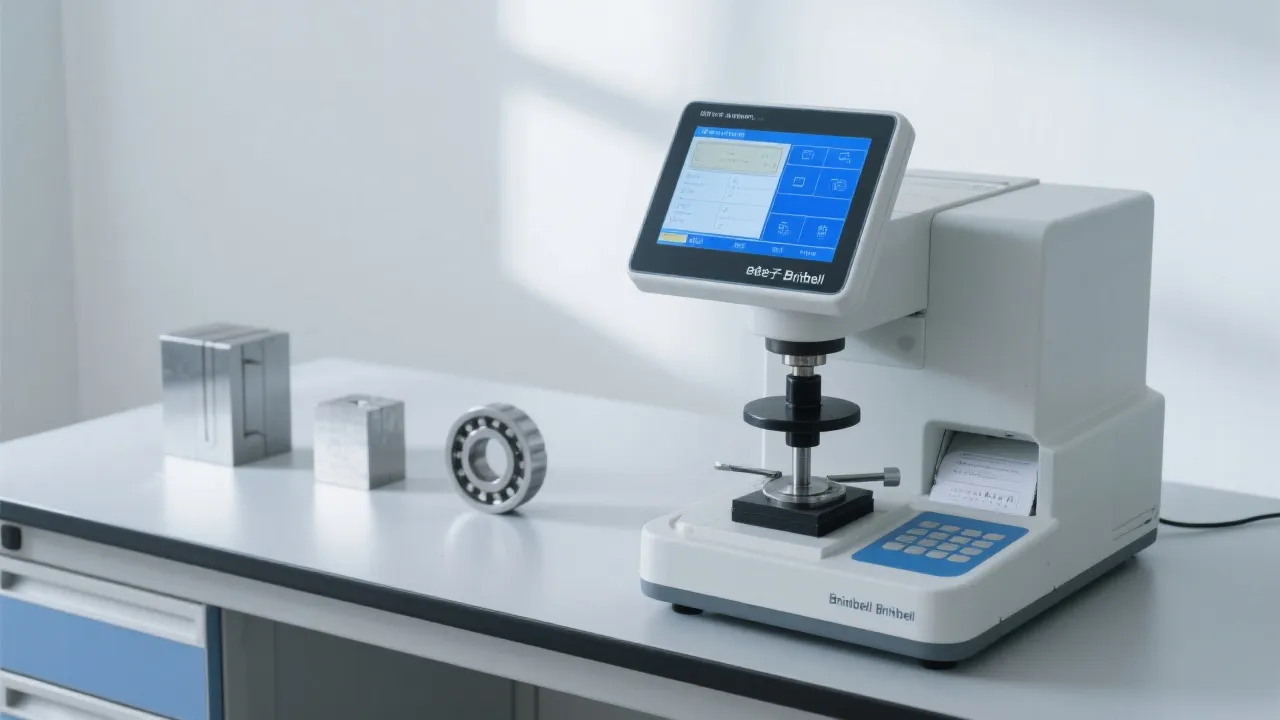
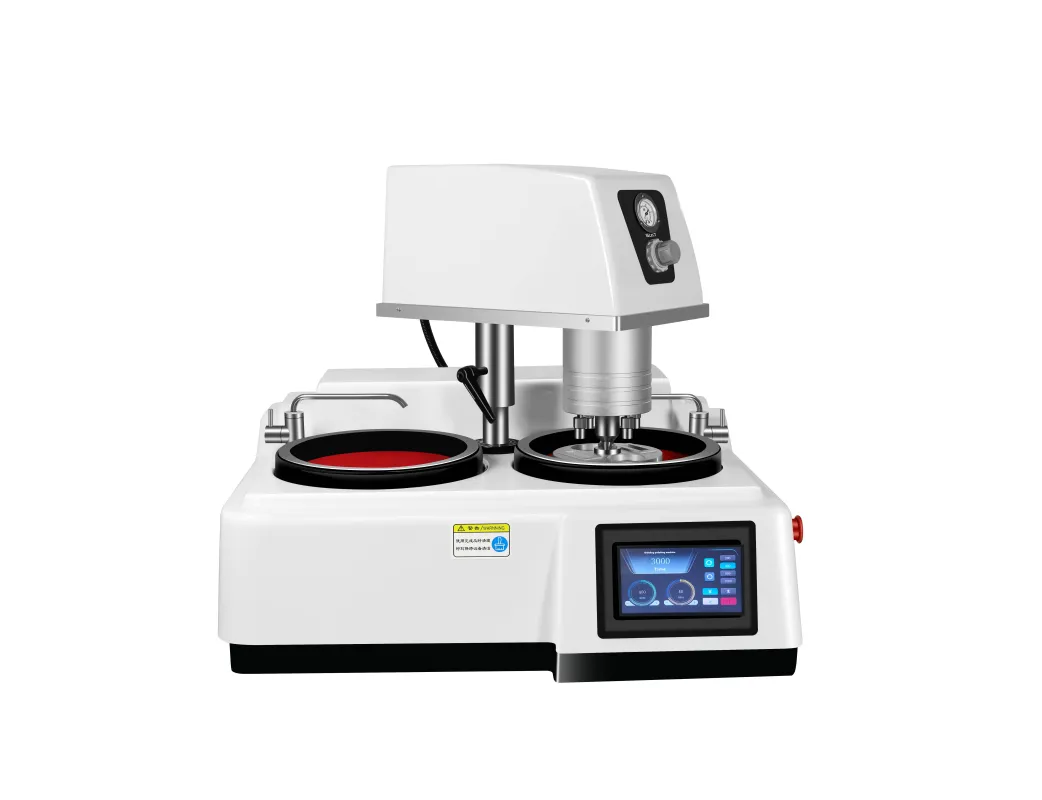
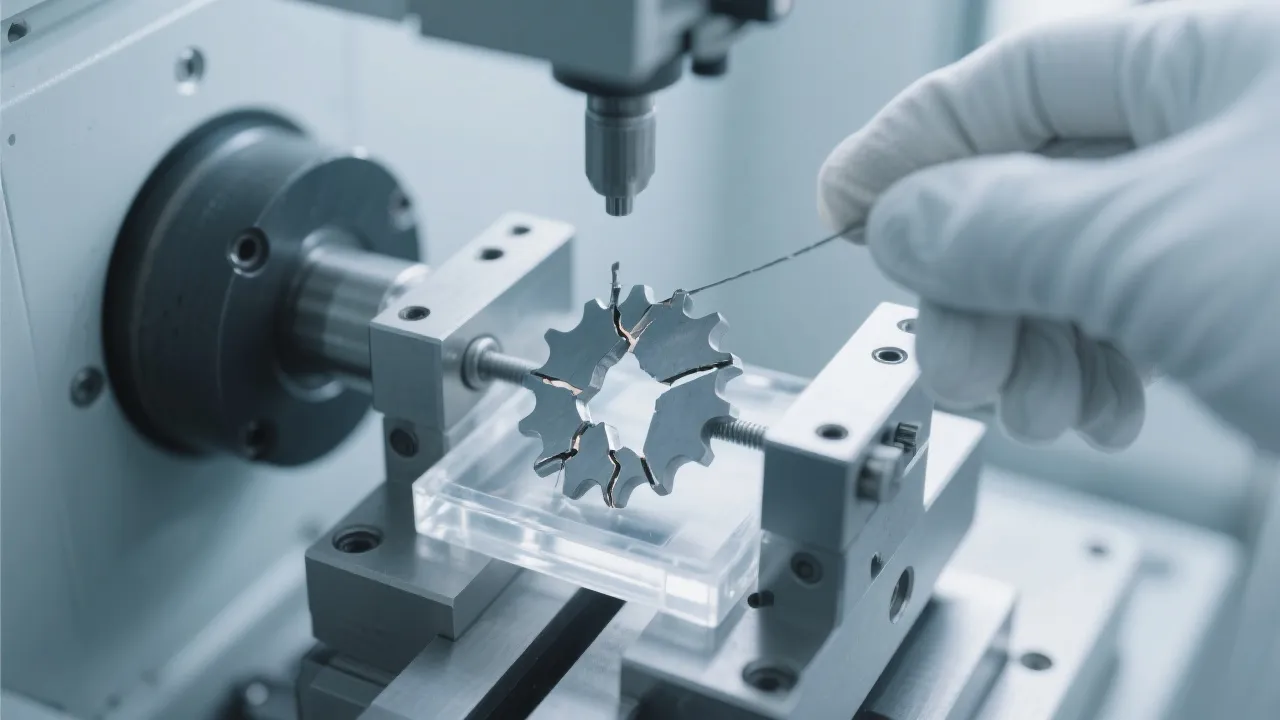
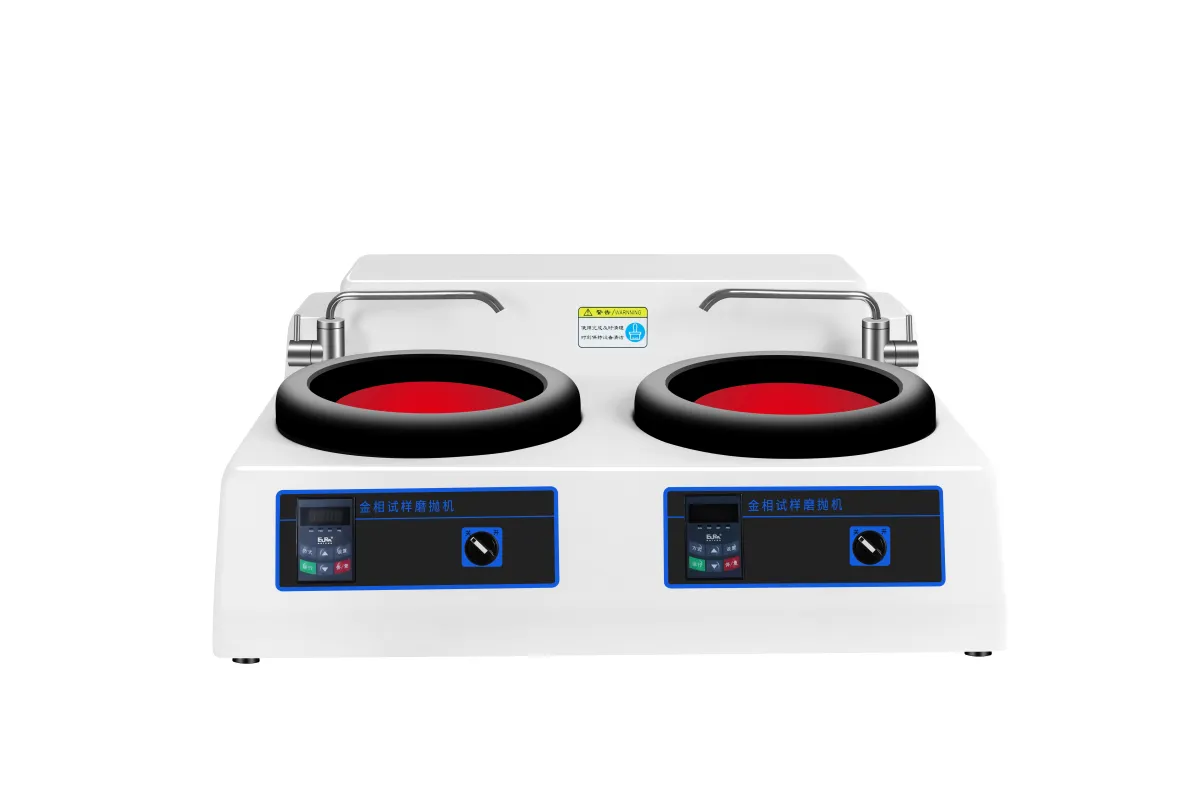
MP-2DE grinding and polishing system in metallurgical lab environment

How to Choose Grinding and Polishing Equipment Based on Sample Type: A Guide for Laboratory Technicians

As a laboratory technician, selecting the right grinding and polishing equipment is critical to ensuring precision and efficiency in metallographic sample preparation. Different sample materials—including metals, alloys, composites, and brittle substances—demand tailored grinding and polishing parameters for optimal surface quality and analytical results. This article provides you with a data-driven, easy-to-follow guide designed to align your equipment choice with your sample’s unique properties and workflow requirements.

The Crucial Role of Grinding and Polishing in Metallographic Analysis

Metallography relies heavily on precise surface preparation. Inadequate or improperly matched grinding and polishing equipment can dramatically increase preparation time, reduce reproducibility, and even risk compromising microstructural integrity during microscopic examination. Selecting equipment suitable for your specific sample type can prevent such issues, improve throughput, and elevate analysis accuracy by up to 30%.

Matching Sample Types to Grinding Parameters and Equipment Features

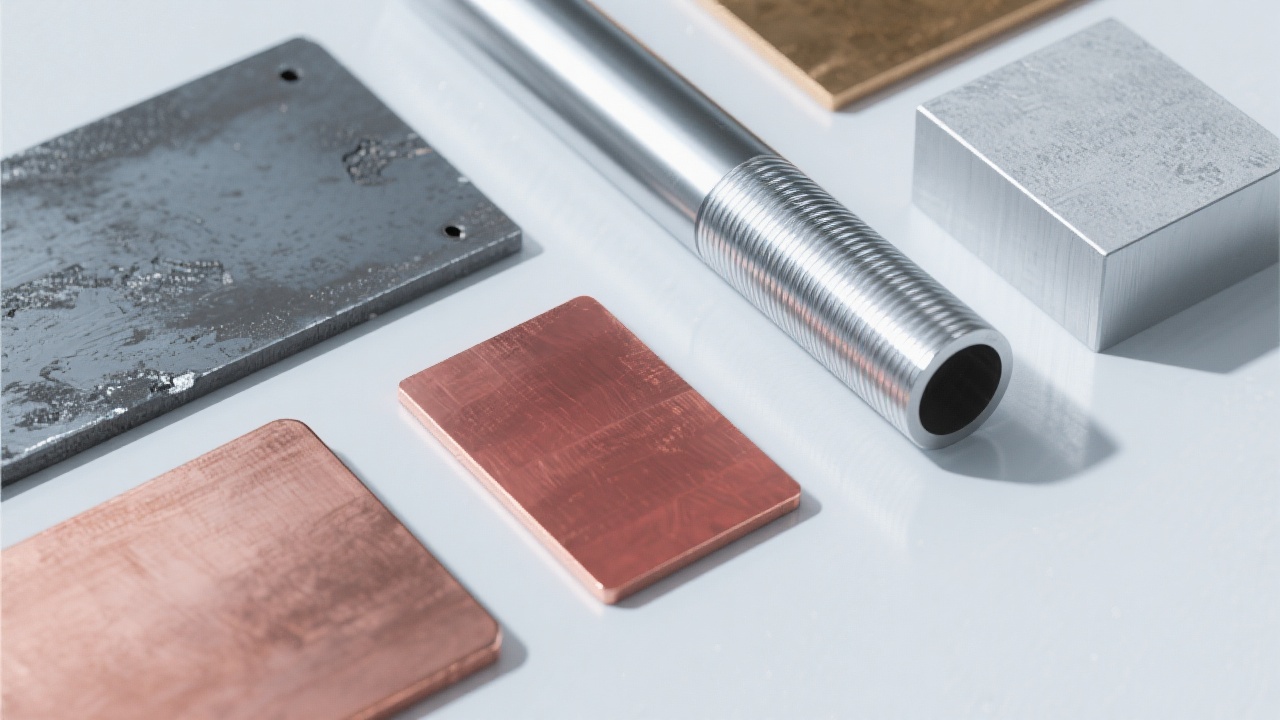
Different materials pose distinct challenges. Below is an overview of typical sample types and their grinding/polishing requirements:

Sample Type Recommended Speed (rpm) Key Equipment Needs
Metals (Steel, Aluminum) 200–400 Variable speed, stable fixtures, robust motor
Alloys & Composites 150–350 Fine speed control, adaptable clamps, minimal vibration
Brittle Materials (Ceramics, Glass) 50–200 Low-speed precision, gentle pressure control, cushioned mounting

Key Performance Indicators: What to Look for in Grinding & Polishing Systems

Selecting equipment involves analyzing several critical aspects:

  • Speed Range: Devices offering 50–600 rpm rotary speed accommodate a wide sample spectrum.
  • Fixture Stability: Secure and adaptable fixtures prevent sample movement, crucial for reproducibility.
  • Ease of Use: Simple control interfaces reduce operator errors and training overhead.
  • Durability: High-strength materials like ABS shells prolong equipment lifecycle in demanding lab environments.
  • Standards Compliance: Aligning with ASTM and ISO norms guarantees industry-grade preparation quality.

Why the MP-2DE Grinding & Polishing System Stands Out

The MP-2DE dual-disc manual grinding and polishing system has earned global recognition for delivering robust performance and operational flexibility:

  • Adjustable Speed: Fine-tune between 50 and 600 rpm to match sample hardness and preparation stage.
  • Dual Control Mechanism: Independent speed and pressure control for pre-grinding, grinding, and polishing phases.
  • High-Strength ABS Shell: Ensures impact resistance and long-term durability in lab settings.
  • Standards Compliance: Fully compatible with ASTM and ISO metallographic preparation protocols.

These features enable technicians to handle a diverse portfolio—from delicate ceramics to rugged metallic alloys—with a single, trusted device.

“Using the MP-2DE system has improved our sample preparation throughput by 25%, reducing costly re-preps in metallurgical testing.” – Senior Lab Manager, Leading Metallurgy Firm

Real-World Applications: Proven Results Across Industries

Across mechanical manufacturing, metallurgical inspection, and academic research, the MP-2DE has been pivotal in improving workflow efficiency and result reproducibility:
  • Mechanical Manufacturing: Quick adaptation for diverse metal parts sampling.
  • Metallurgical Quality Control: Fine control yields consistent surface finishes aligning with ASTM inspection requisites.
  • University Research: Facilitates delicate polishing protocols for advanced composites and brittle materials.
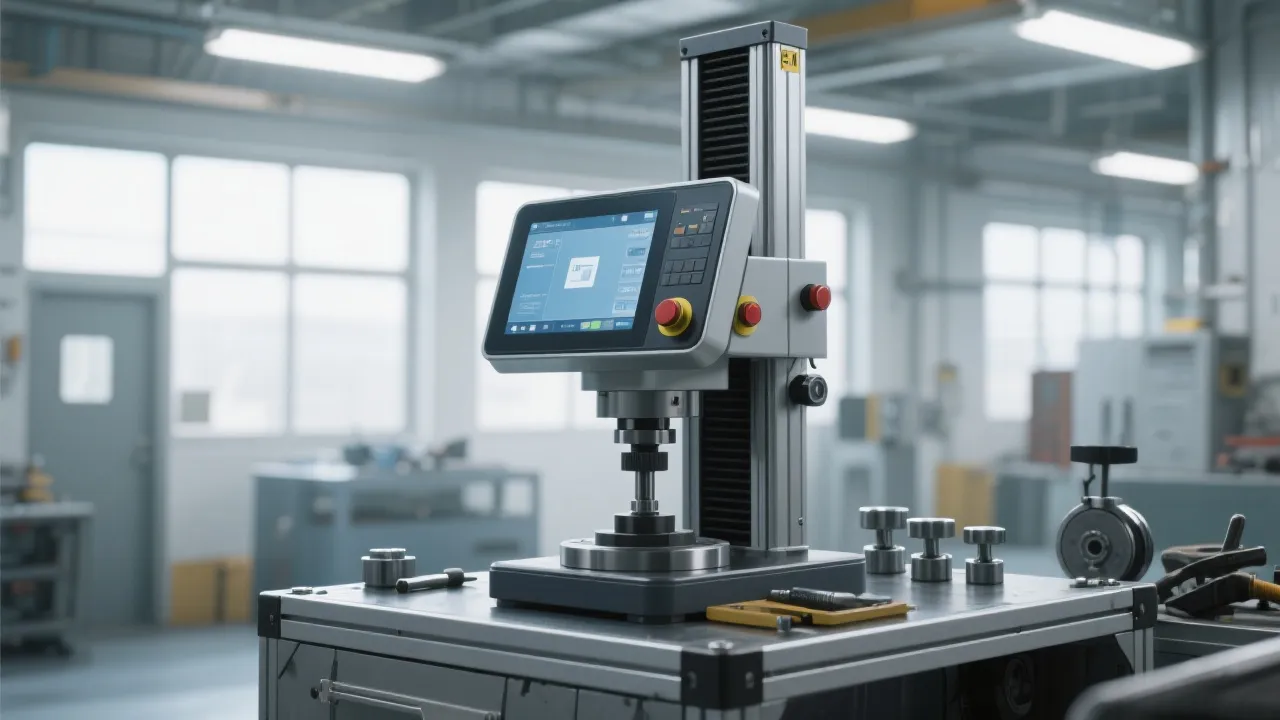
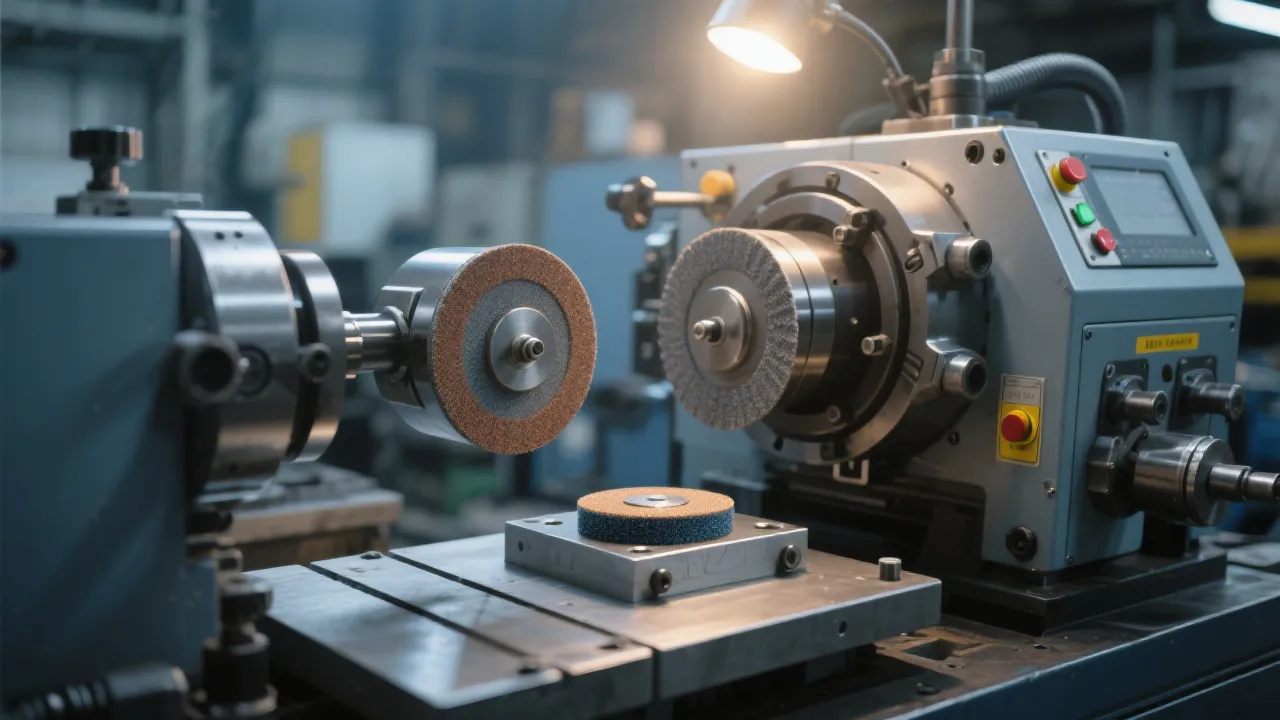
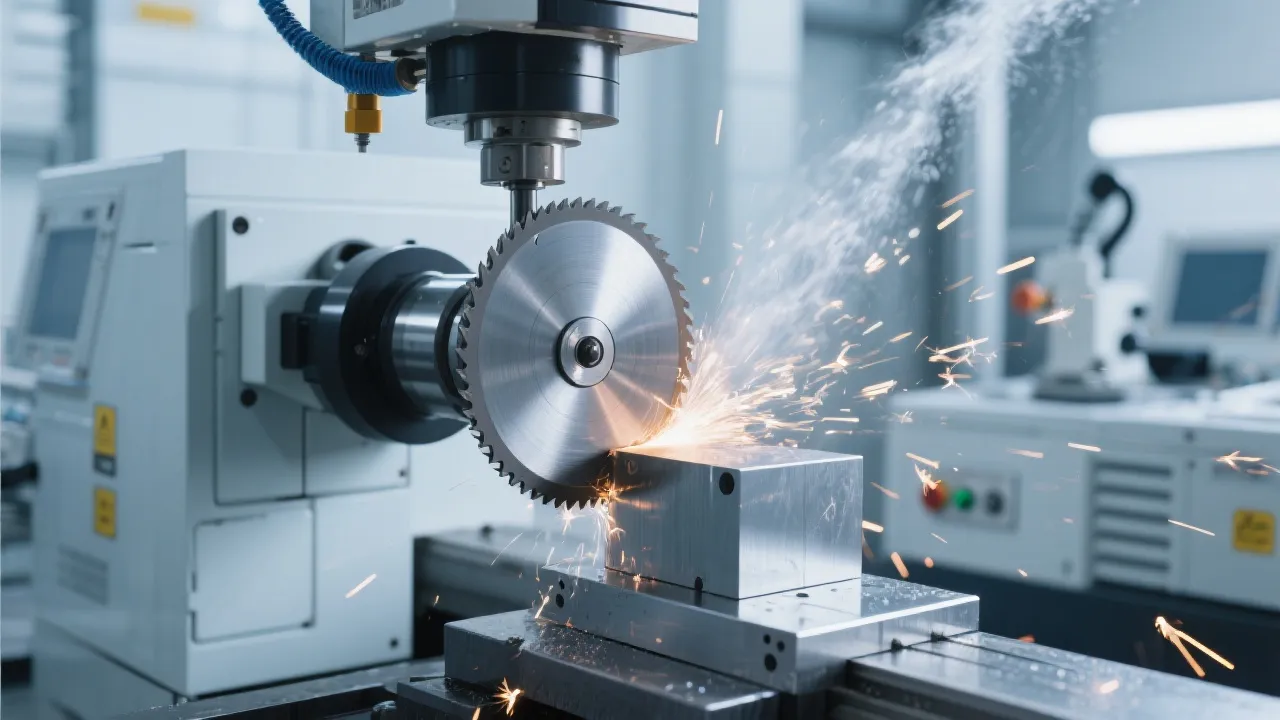
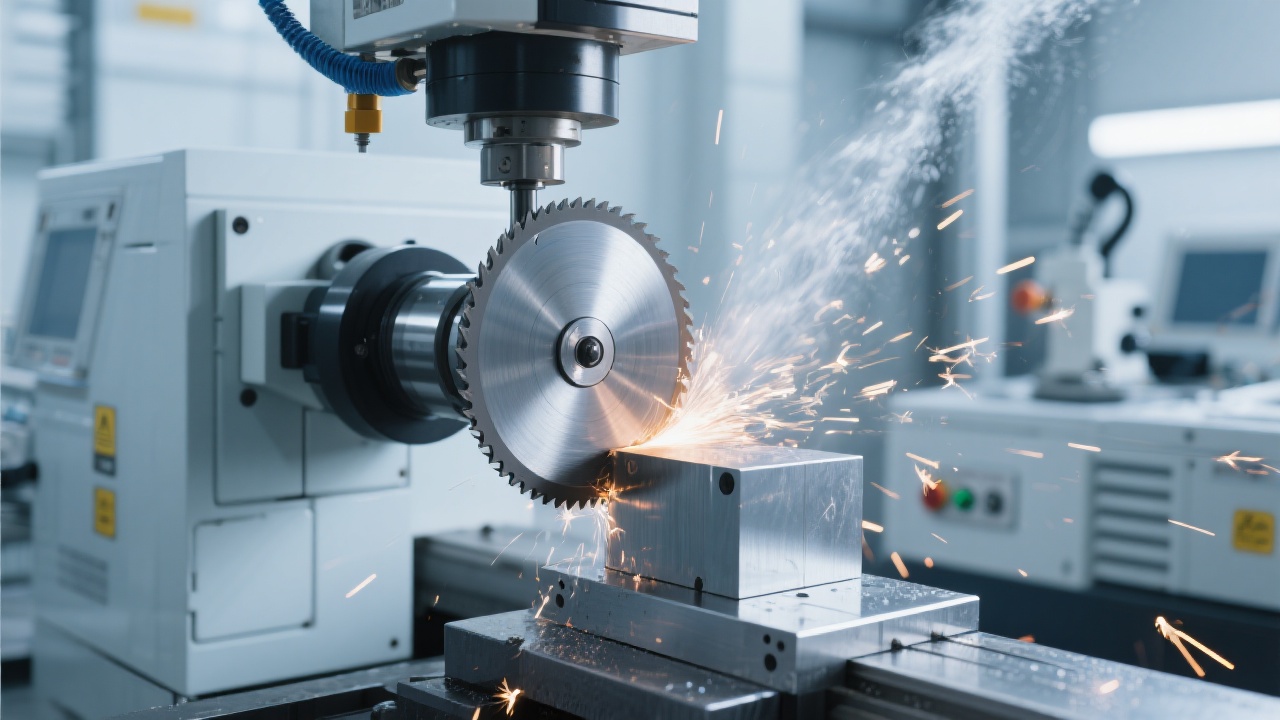
MP-2DE grinding and polishing system in metallurgical lab environment

Practical Selection Framework to Optimize Your Investment

When choosing your grinding and polishing equipment, consider:
  1. Analyze Your Sample Types: Match speed and pressure ranges accordingly (see table above).
  2. Evaluate Operational Ease: Choose systems with intuitive controls and manageable maintenance.
  3. Consider Longevity: Materials and build quality affect TCO (Total Cost of Ownership).
  4. Verify Standards Compliance: Ensuring ASTM/ISO compatibility facilitates audits and certifications.
  5. Leverage Proven Technologies: Opt for globally trusted systems like the MP-2DE for assured reliability.
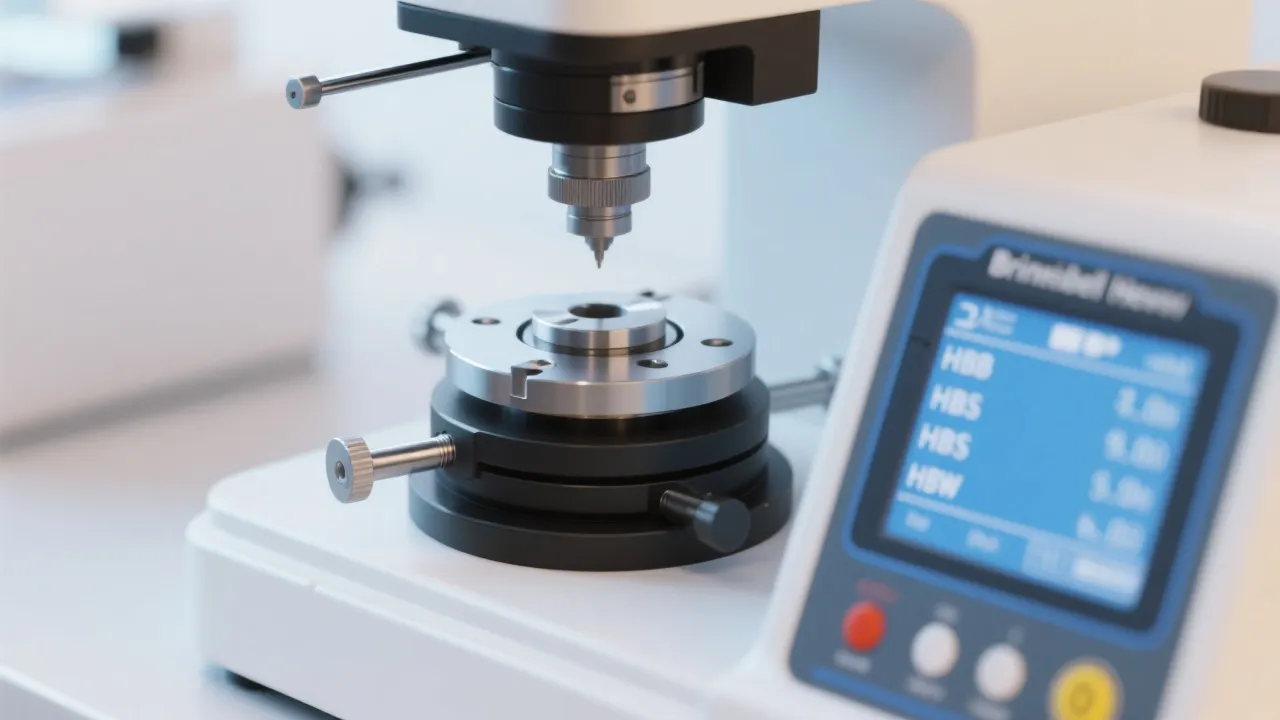
Speed ranges and material compatibility chart for grinding polishing equipment
Expert Insight: “The dual-disc design combined with variable speed control in the MP-2DE allows unmatched versatility across metals and brittle materials, streamlining lab workflows and reducing operator fatigue.” – Material Science Expert

Making an informed equipment choice is a strategic step to enhance your lab’s output quality while controlling maintenance and operational costs. By aligning your grinder-polisher selection with the specific technical needs of your sample portfolio, you unlock higher efficiency and measurement confidence.
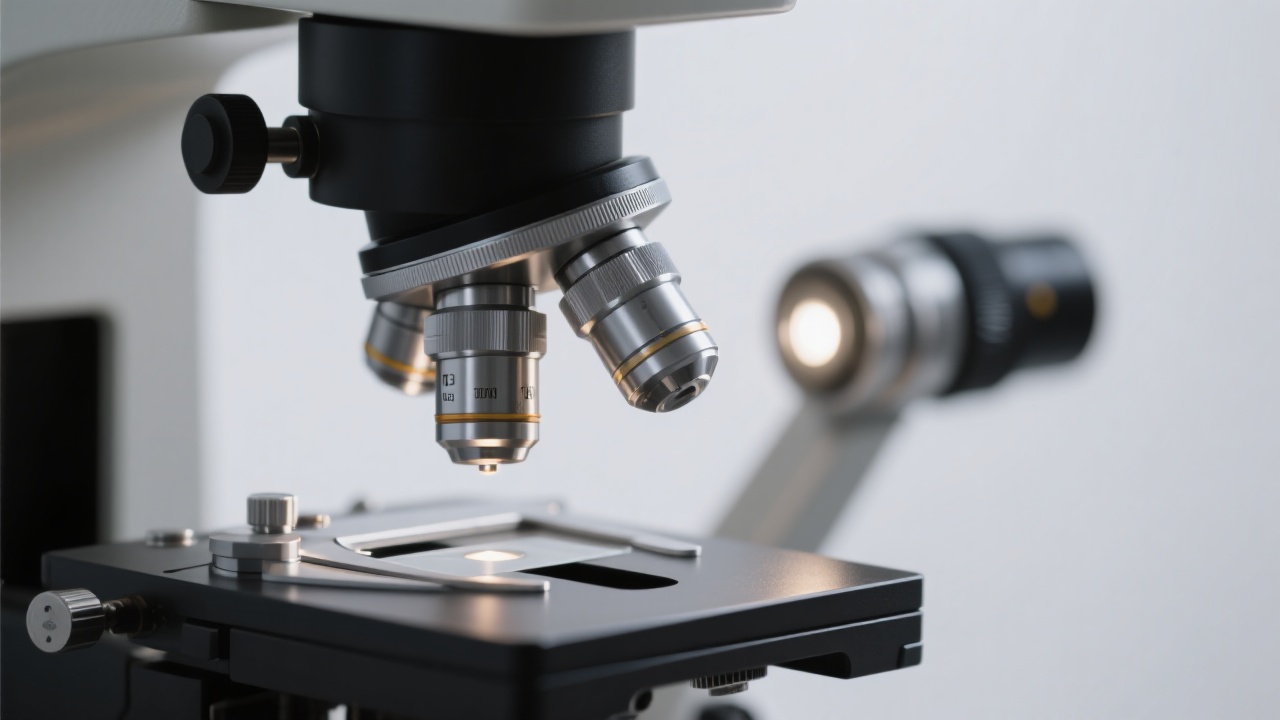

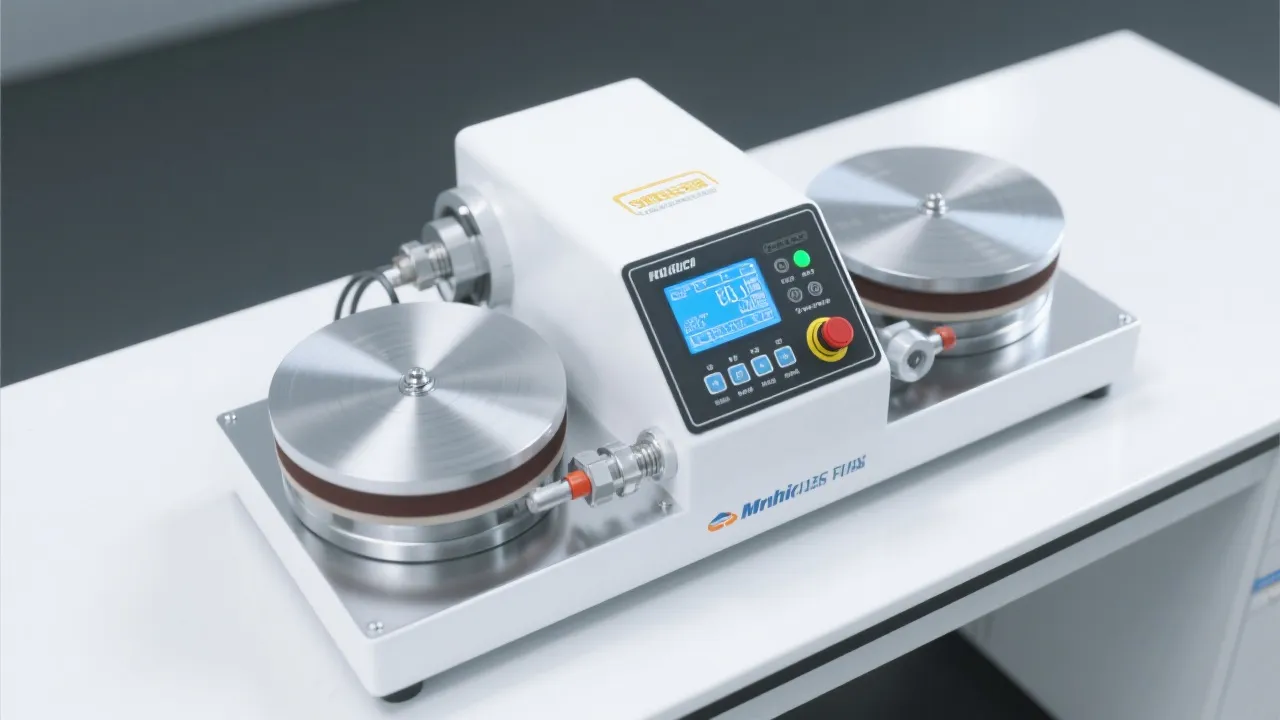
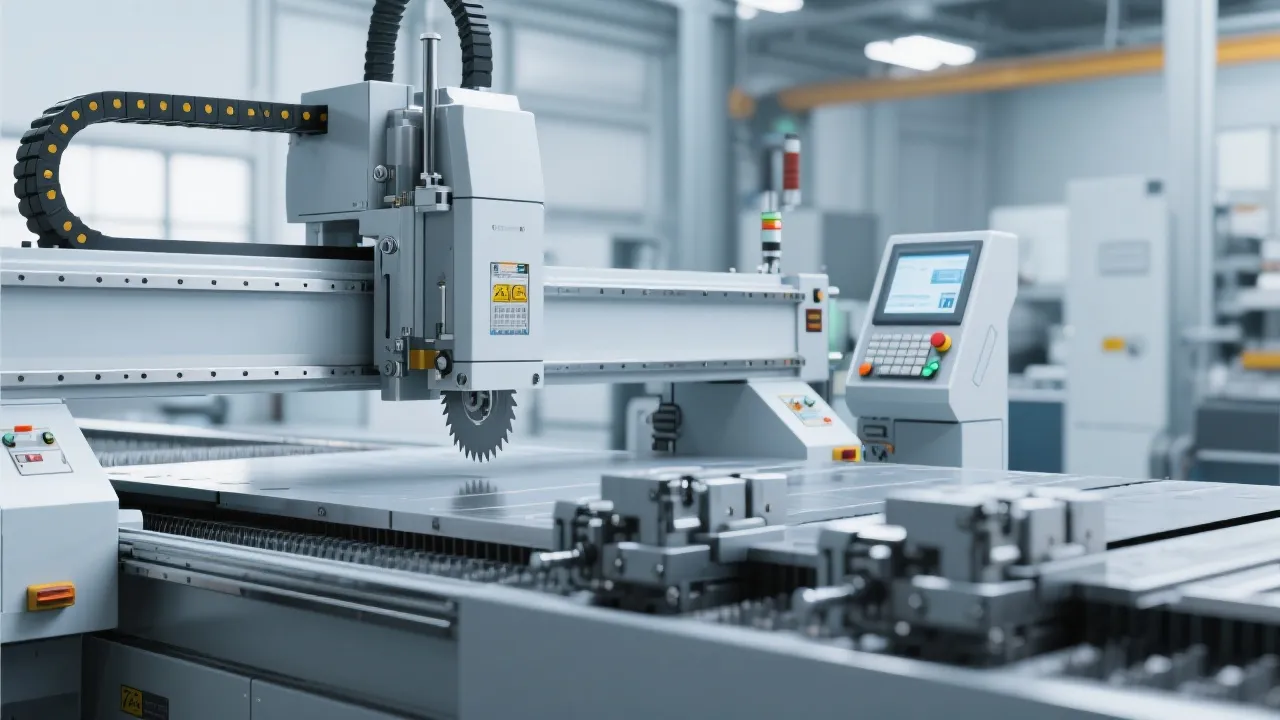
Laboratory technician operating the MP-2DE grinding and polishing system
Name *
Email *
WhatsApp *
Message*

Recommended Products

Related Reading

Why Fiberglass is the Optimal Choice for Industrial Polishing Machine Enclosures: Durability and Safety Explained

2026-01-15 | https://shmuker.oss-accelerate.aliyuncs.com/tmp/temporary/60ec5bd7f8d5a86c84ef79f2/60ec5bdcf8d5a86c84ef7a9a/20240305160636/lable.png industrial polishing machine enclosure fiberglass durability corrosion resistant equipment laboratory polishing devices industrial wear-resistant materials

Enhancing Research Data Credibility with Metallographic Cutting Technology: Insights from Academic Journal Editors

2025-12-29 | https://shmuker.oss-accelerate.aliyuncs.com/tmp/temporary/60ec5bd7f8d5a86c84ef79f2/60ec5bdcf8d5a86c84ef7a9a/20240305160636/lable.png metallographic cutting technology research data credibility intelligent constant-temperature cooling SQ-60 sample cutting machine precise sample preparation

High-Performance Touchscreen Metallographic Grinding Machine with User-Friendly Interface for Beginners

2025-11-10 | https://shmuker.oss-accelerate.aliyuncs.com/tmp/temporary/60ec5bd7f8d5a86c84ef79f2/60ec5bdcf8d5a86c84ef7a9a/20240305160636/lable.png metallographic grinding machine operation guide touchscreen metallographic equipment tutorial four-level constant speed grinding techniques metallographic sample preparation for beginners sample grinding process

Effective Ways to Avoid Scratches in Metallographic Sample Polishing: Common Causes and Equipment Maintenance Experience Sharing

2026-01-27 | https://shmuker.oss-accelerate.aliyuncs.com/tmp/temporary/60ec5bd7f8d5a86c84ef79f2/60ec5bdcf8d5a86c84ef7a9a/20240305160636/lable.png Metallographic polishing scratch troubleshooting Metallographic sample grinder - polisher operation skills MP - 1B polishing fault solutions Metallographic sample polishing maintenance Grinder - polisher fault exclusion

How to Choose the Right Metallographic Cutting Machine Based on Material Type and Cutting Requirements

2026-02-02 | https://shmuker.oss-accelerate.aliyuncs.com/tmp/temporary/60ec5bd7f8d5a86c84ef79f2/60ec5bdcf8d5a86c84ef7a9a/20240305160636/lable.png metallographic cutting machine selection metallographic sample preparation cutting machine cooling system metallography equipment maintenance metallographic cutting machine troubleshooting
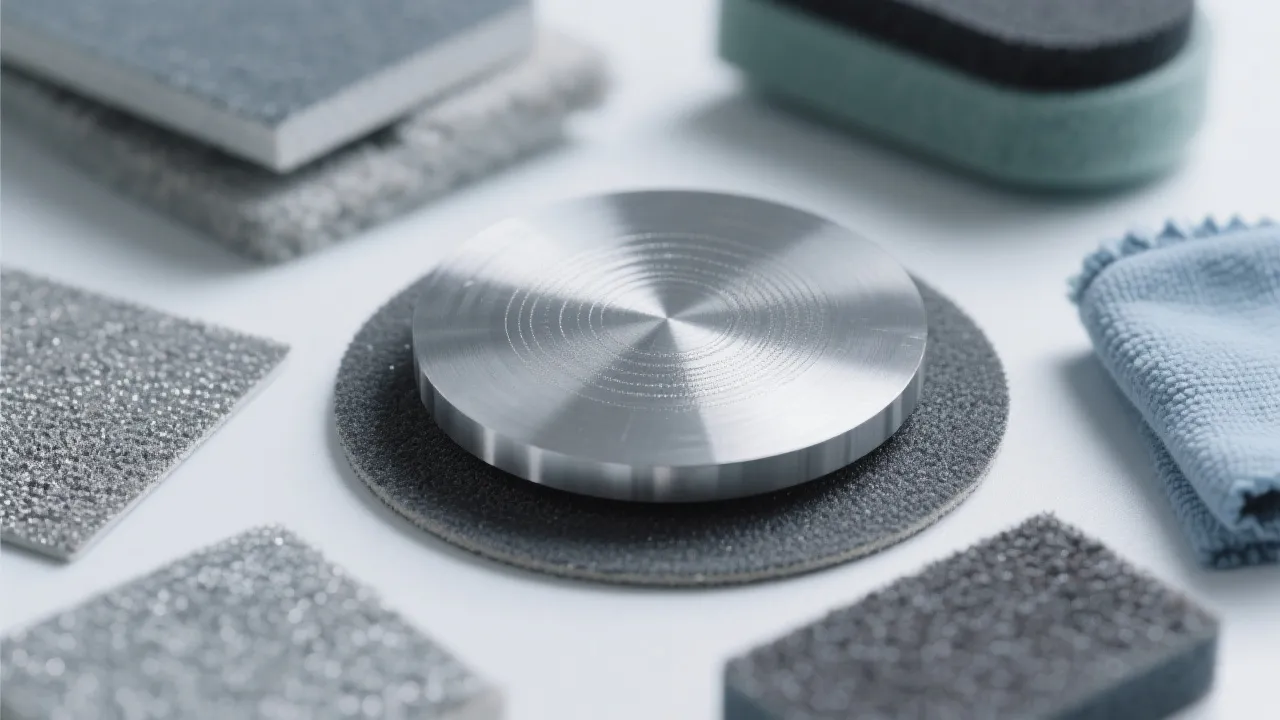
Hot Products

Popular articles
营销主题配图_1752550696084.jpg
营销主题配图_1753167031614.jpg
营销主题配图_1753165498964.jpg
Metallographic-grinding-polishing-machineLMP-3S-1.jpg
Hot-mounting-machineZXQ-50S-1.jpg
营销主题配图_1753167493053.jpg
营销主题配图_1753166263446.jpg
营销主题配图_1753168782131.jpg
营销主题配图_1753167216321.jpg
营销主题配图_1752550503200.jpg
Recommended Reading
Contact us
Contact us
https://shmuker.oss-accelerate.aliyuncs.com/tmp/temporary/60ec5bd7f8d5a86c84ef79f2/60ec5bdcf8d5a86c84ef7a9a/thumb-prev.png