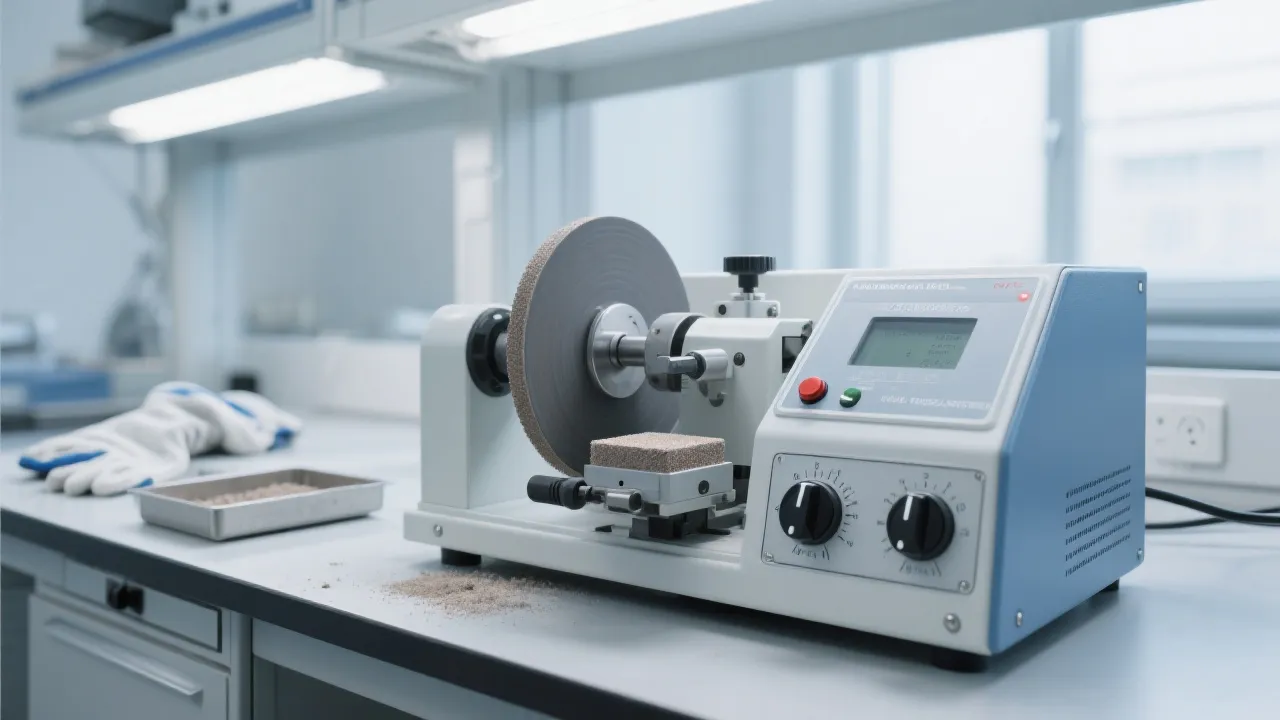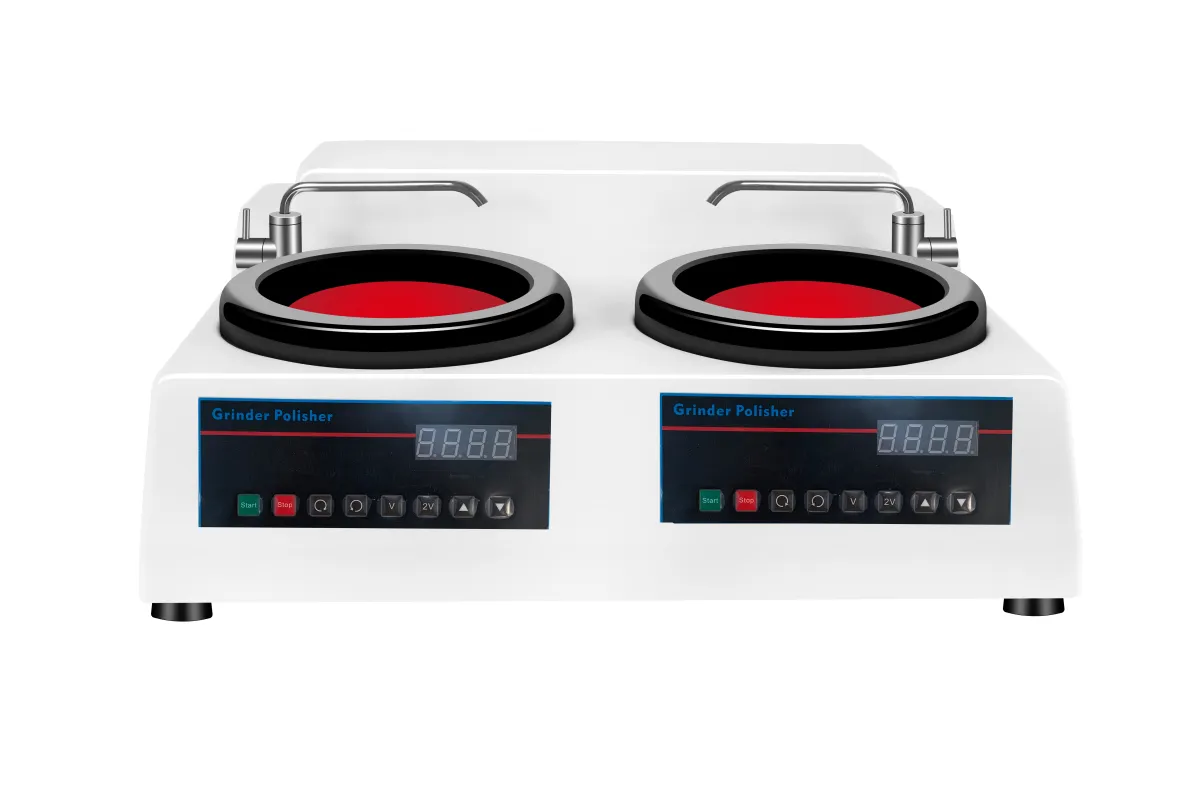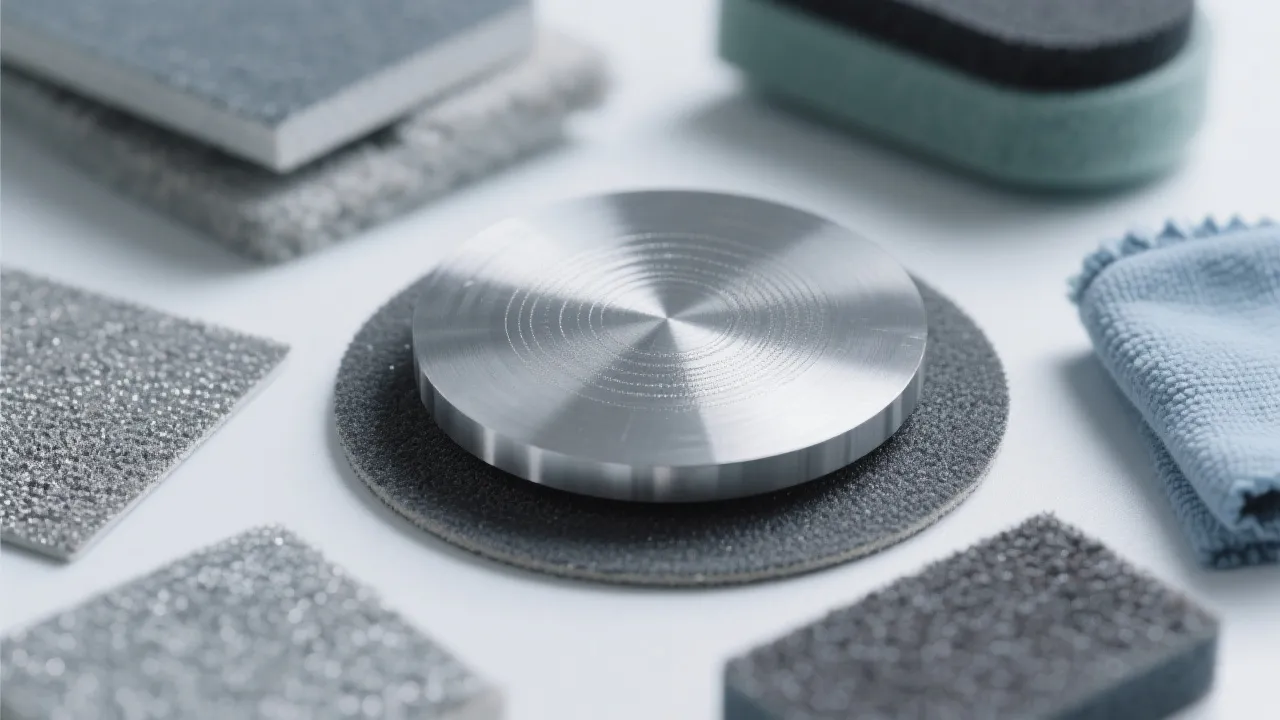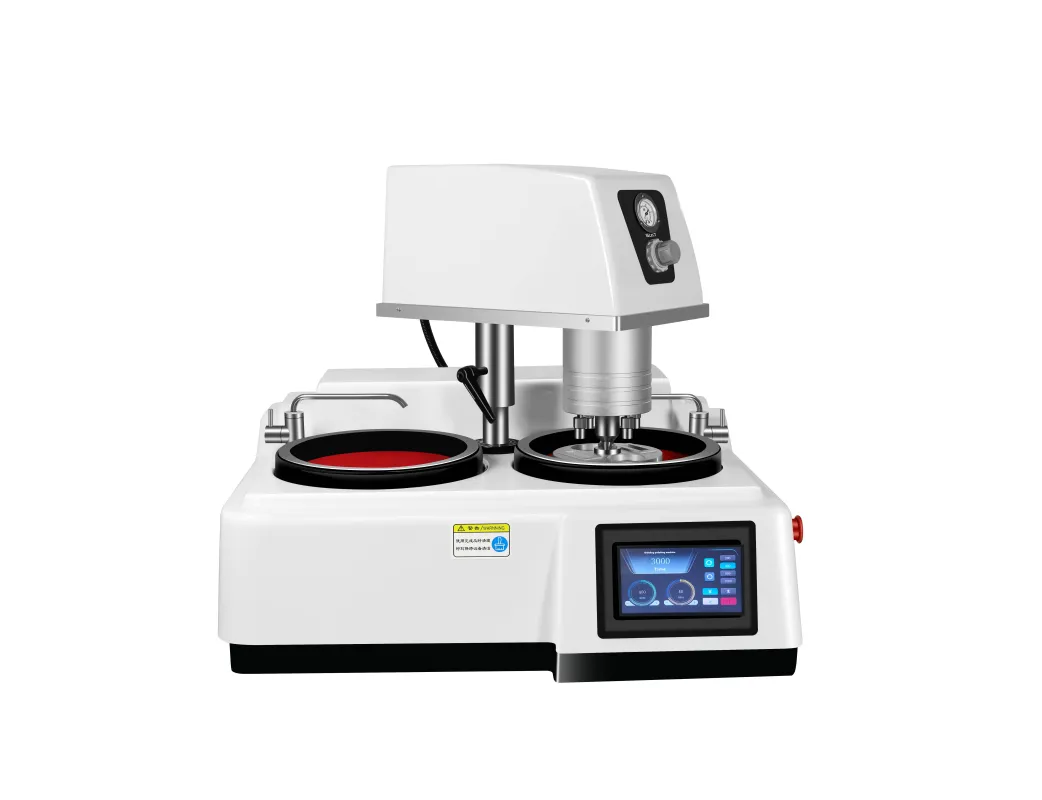
In the demanding realm of industrial polishing, equipment reliability hinges significantly on the choice of housing materials. While stainless steel and plastics have long stood as contenders, fiberglass has emerged as the preferred choice for more than 90% of industrial polishing machines worldwide. This article delves deeply into the technical merits of fiberglass housings — spotlighting durability, corrosion resistance, impact resilience, and safety — and contrasts these against traditional alternatives. Backed by empirical data, customer testimonials, and rigorous testing, this analysis empowers laboratory and industrial procurement teams to make scientifically informed decisions aligned with long-term operational efficiency and cost-effectiveness.
The prevailing assumption often equates stainless steel with superior durability, yet this belief overlooks its limitations in specific industrial environments. Stainless steel may show vulnerability in acidic or alkaline atmospheres common in polishing and metallographic processes. Moreover, its relatively high maintenance requirements and weight can complicate machine handling and service routines.
| Material | Corrosion Resistance | Impact Resistance | Maintenance Cost | Overall Durability |
|---|---|---|---|---|
| Fiberglass (FRP) | Excellent (Resists acids, alkalis, salts) | High (Withstands repetitive shocks) | Low (Minimal upkeep required) | Superior (Sustains harsh use) |
| Stainless Steel | Moderate (Prone in strong acids) | Moderate (Dents under heavy impact) | High (Regular maintenance needed) | Good (Corrosion affects longevity) |
| Plastic (ABS, PVC) | Variable (Depends on type) | Low (Easily damaged) | Medium (Moderate care) | Low (Prone to wear) |
Fiberglass-reinforced plastic (FRP) distinguishes itself by delivering unmatched corrosion resistance against acid and alkali fumes common in polishing applications. Its composite structure absorbs shocks and vibrations, dramatically reducing physical damage risks. Notably, comprehensive field tests demonstrate that fiberglass housing sustains its mechanical integrity under dust-laden conditions and withstands frequent cleaning cycles without surface degradation.
Case studies from multiple industrial users reinforce fiberglass’s advantages. For example, a metallographic laboratory in Germany reported over 40% reduction in maintenance downtime after switching to fiberglass-housed polishing machines supplied by Jinchen Industrial Equipment Co., Ltd. Another semiconductor polishing facility in South Korea highlighted the material’s non-conductivity and resistance to acid vapor as critical for safe and uninterrupted operation.
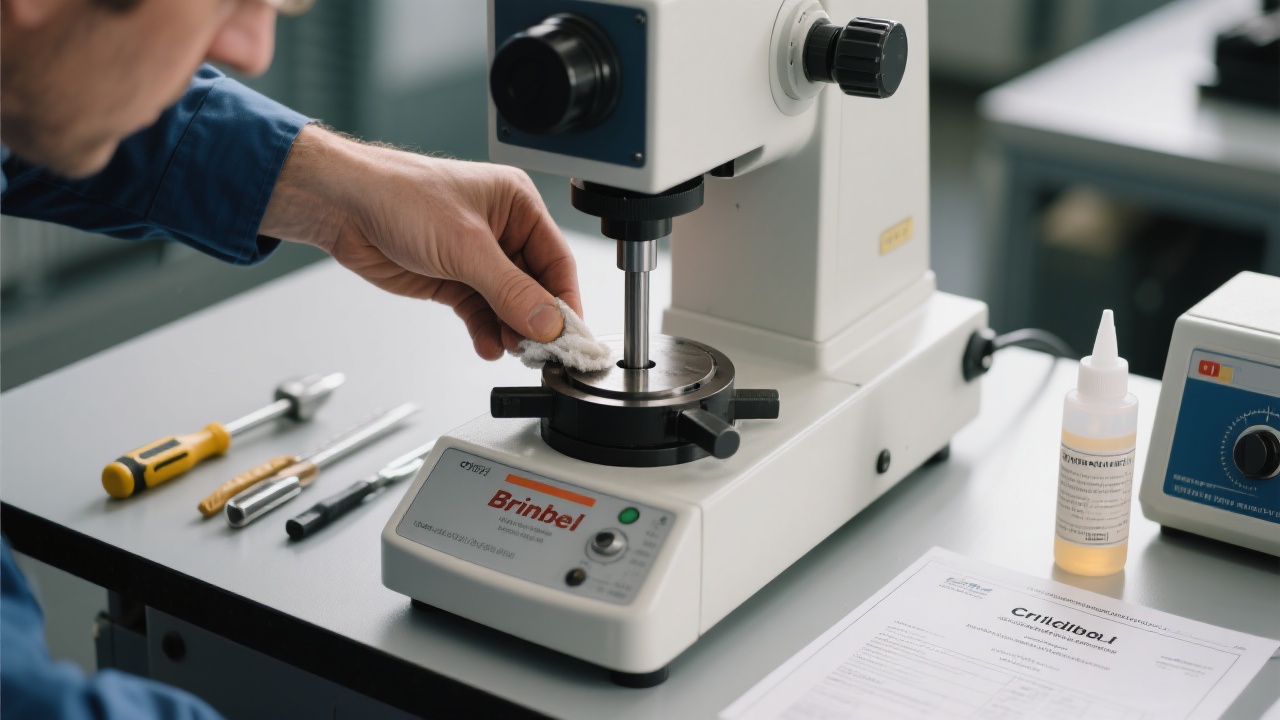
Although fiberglass is low-maintenance, routine care ensures peak performance. Avoid harsh solvents or abrasive scrubbing; instead, use mild detergents and soft cloths. Regular inspection for surface cracks or chips helps detect issues early. Adhering to manufacturer’s recommendations for cleaning frequency can double the housing lifespan compared to metal alternatives.
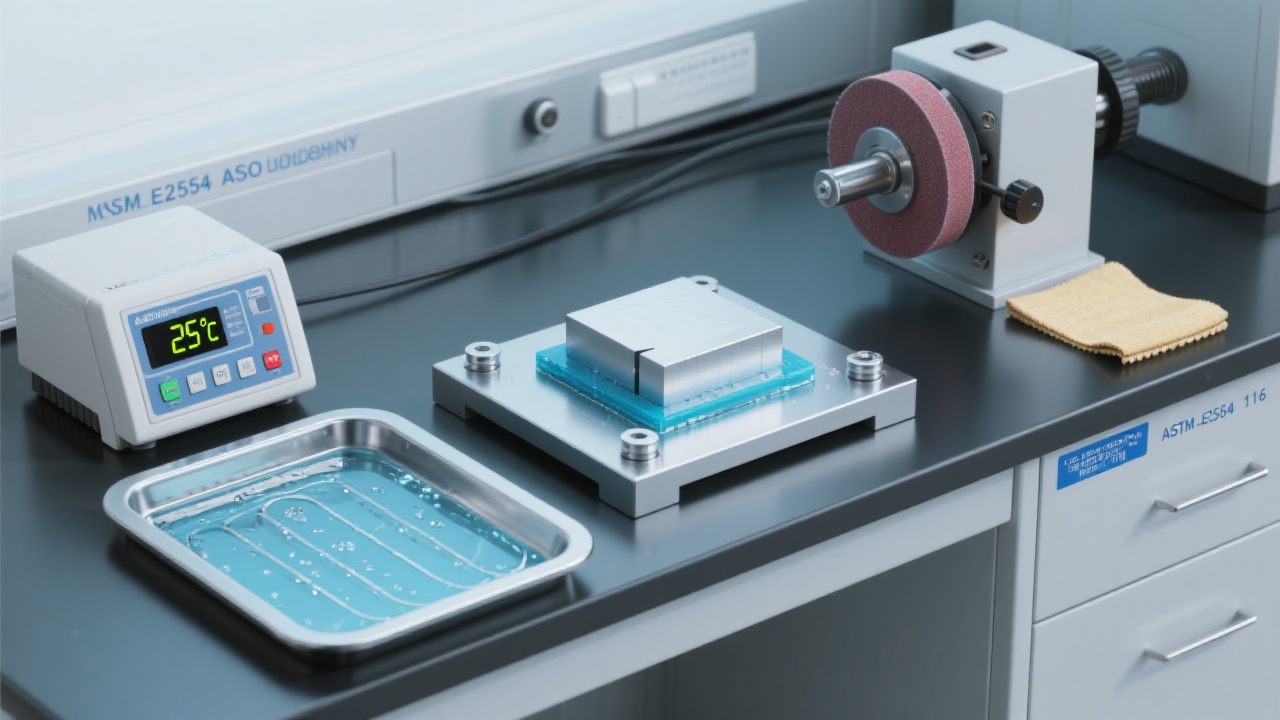
Selecting industrial polishing equipment housing must be aligned with operational scenarios: Are acidic or basic chemicals present? Is dust or particulate matter pervasive? Does the application demand frequent cleaning? Fiberglass aligns perfectly with these challenges by offering a robust, lightweight, and cost-effective solution that protects both the equipment and operators.
What are the most critical factors for your facility when selecting polishing machine housings? Share your thoughts and experiences to help tailor smarter solutions for the industry.
 metallographic grinding and polishing machine
material quality control
sample preparation optimization
grinding speed adjustment
technical training for quality inspection
Metallographic sample preparation
MP-2DE Metallographic Polishing Machine
Micro defect analysis
ASTM E3-11 standard
High-performance grinding and polishing
polishing machine housing material
corrosion-resistant lab equipment
fiberglass reinforced plastic for industrial machines
metallographic polishing equipment durability
lab equipment maintenance best practices
metallographic sample consistency
grinding and polishing equipment maintenance
metallographic preparation standardization
sample preparation repeatability improvement
laboratory equipment stability
Stability of temperature control in metallographic preparation
Temperature control accuracy of automatic encrusting machine
Consistency of metallographic sample formation
Curing control of thermosetting resins
Metallographic sample preparation technology
metallographic grinding and polishing machine
material quality control
sample preparation optimization
grinding speed adjustment
technical training for quality inspection
Metallographic sample preparation
MP-2DE Metallographic Polishing Machine
Micro defect analysis
ASTM E3-11 standard
High-performance grinding and polishing
polishing machine housing material
corrosion-resistant lab equipment
fiberglass reinforced plastic for industrial machines
metallographic polishing equipment durability
lab equipment maintenance best practices
metallographic sample consistency
grinding and polishing equipment maintenance
metallographic preparation standardization
sample preparation repeatability improvement
laboratory equipment stability
Stability of temperature control in metallographic preparation
Temperature control accuracy of automatic encrusting machine
Consistency of metallographic sample formation
Curing control of thermosetting resins
Metallographic sample preparation technology