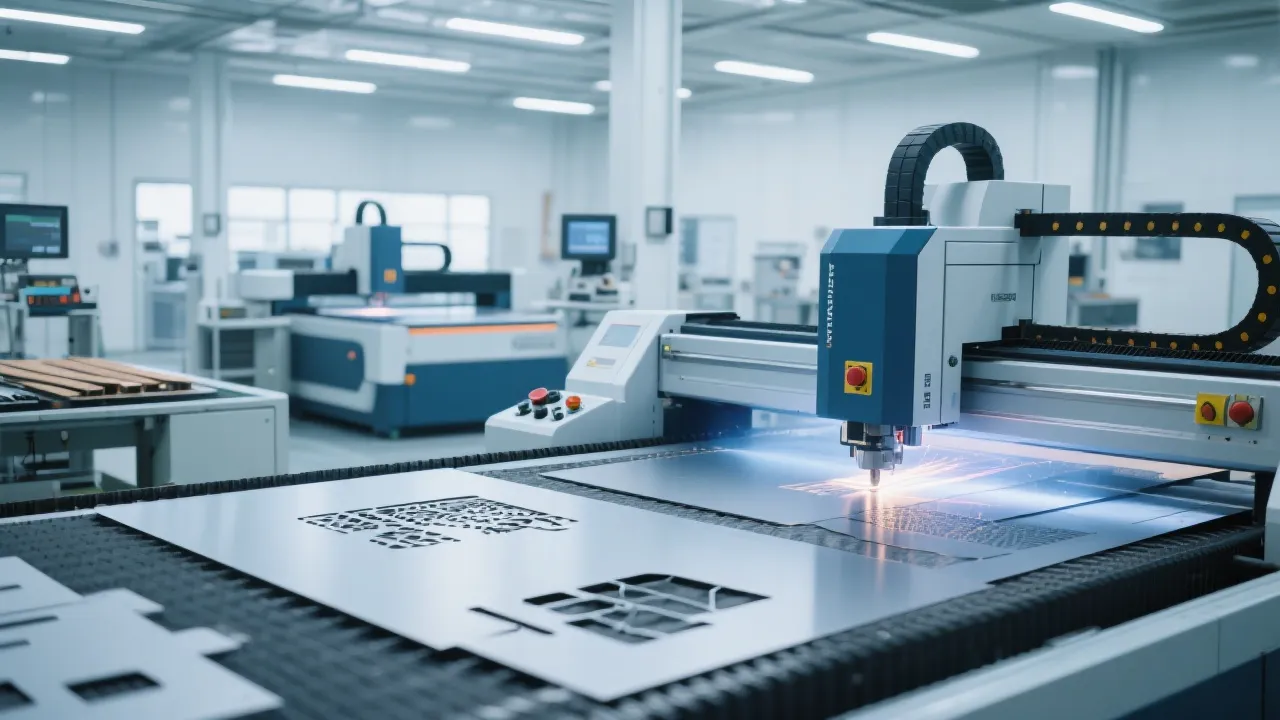
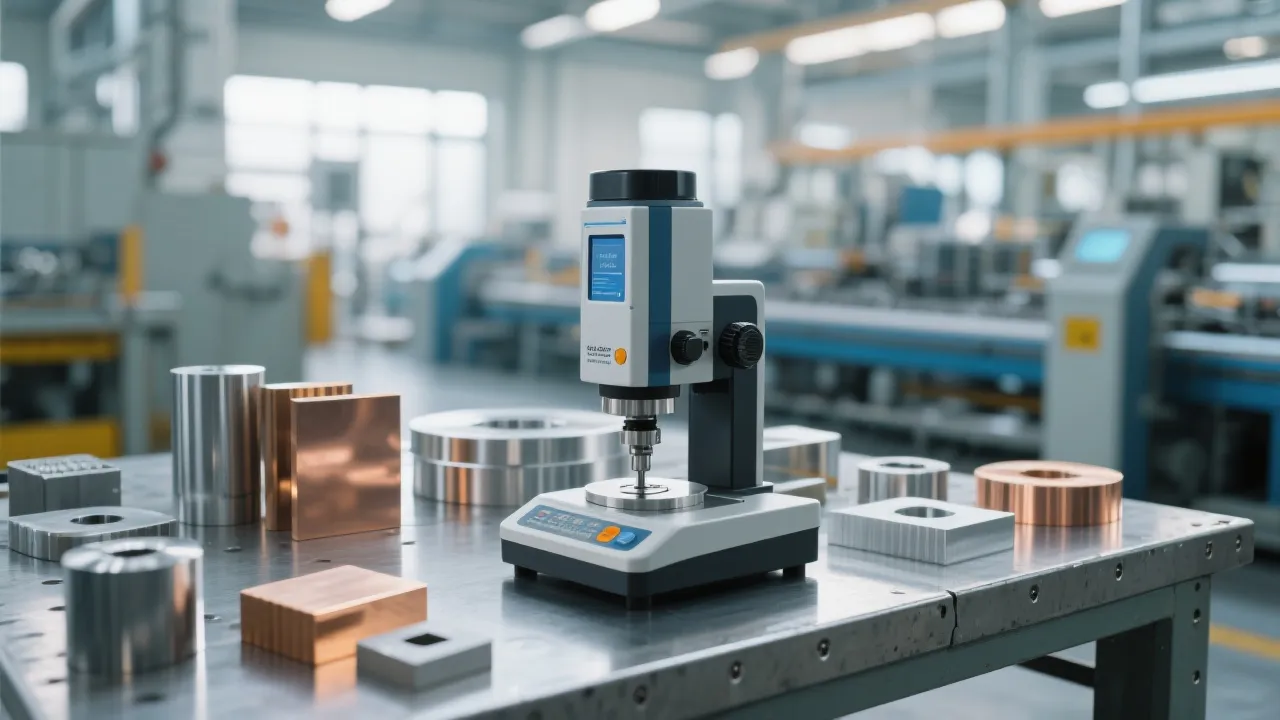
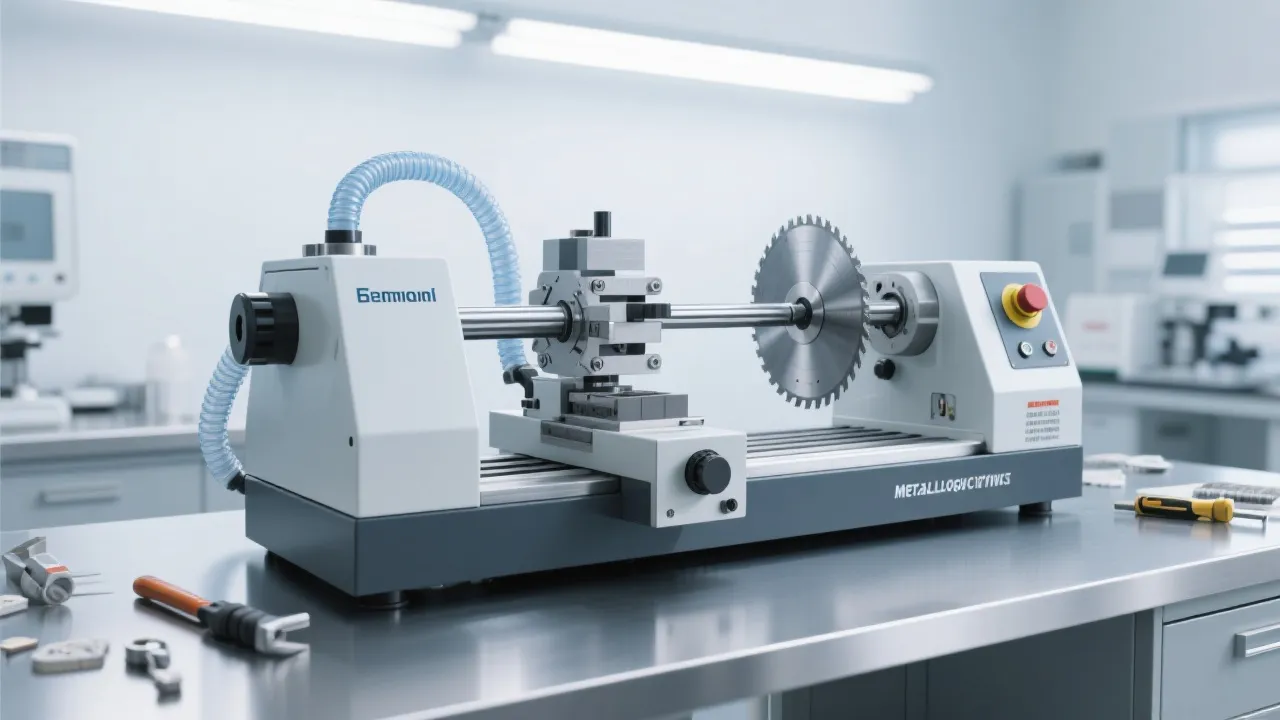
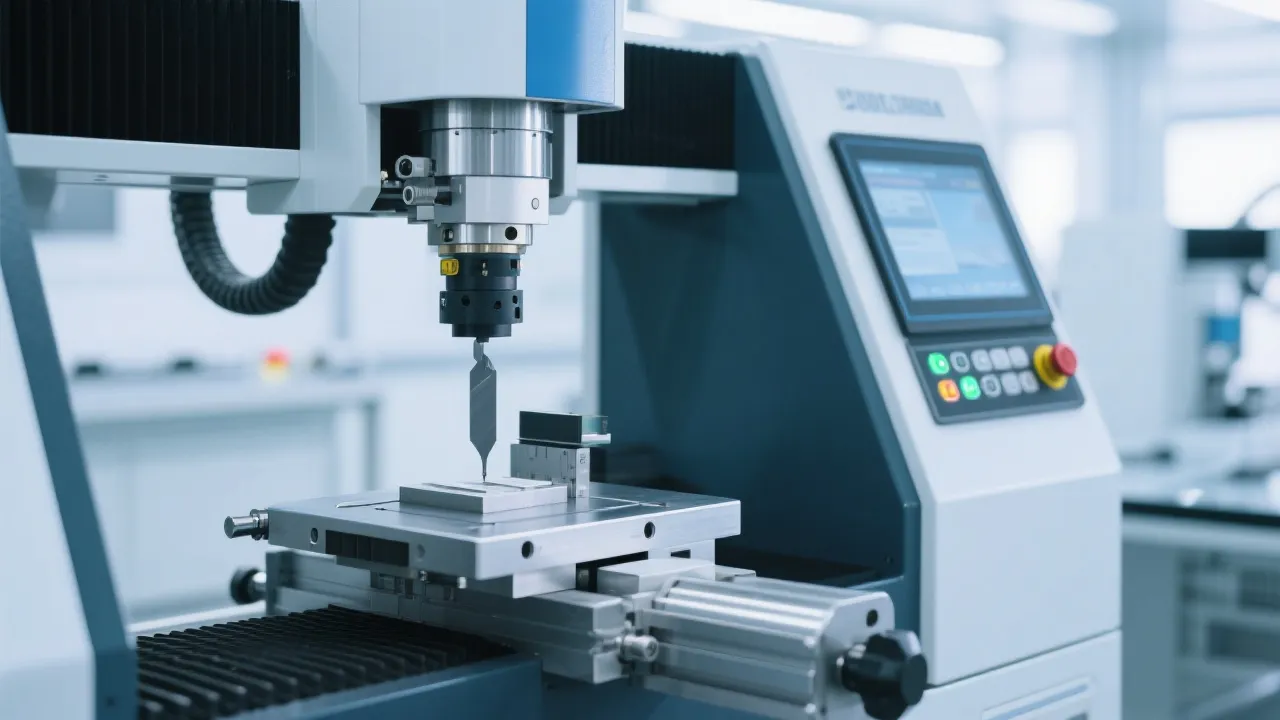
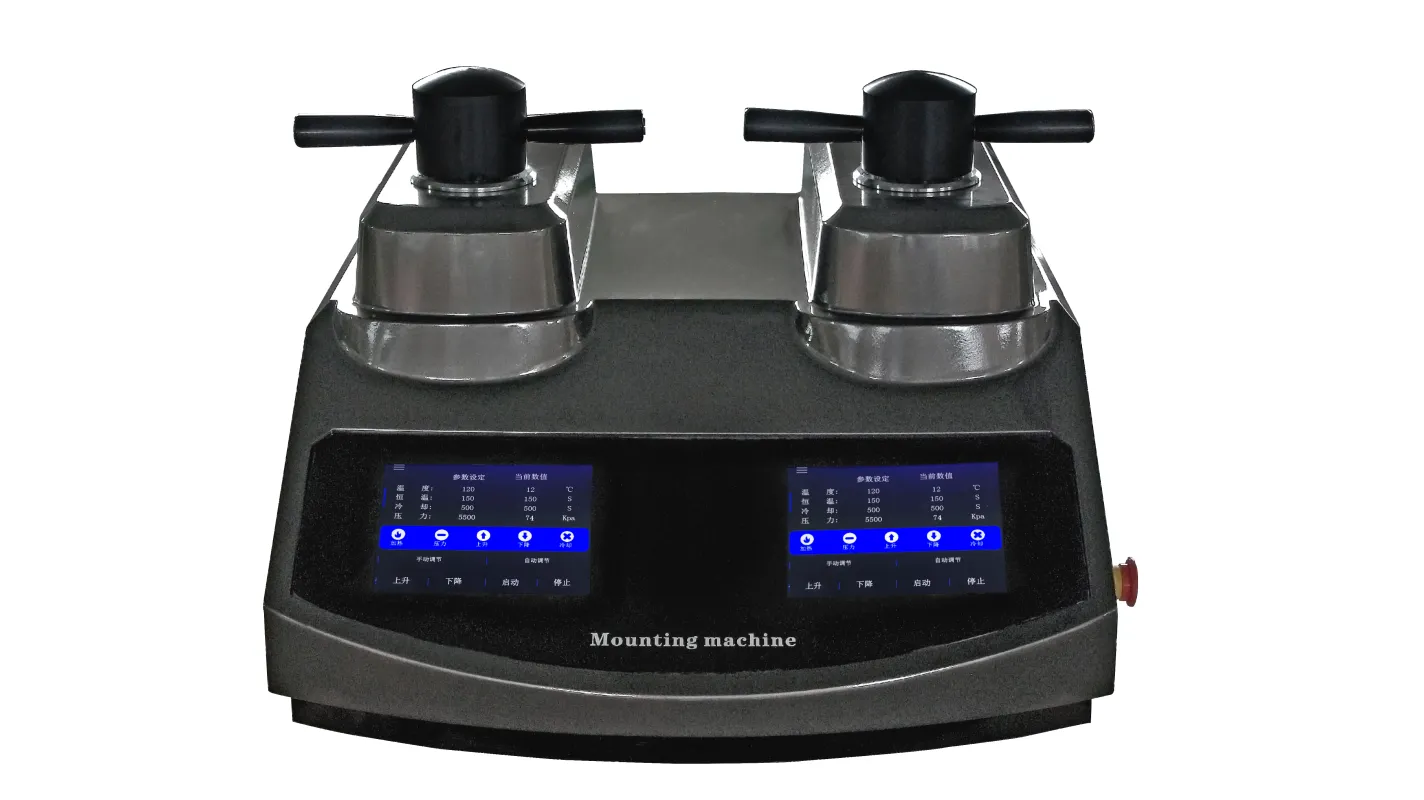
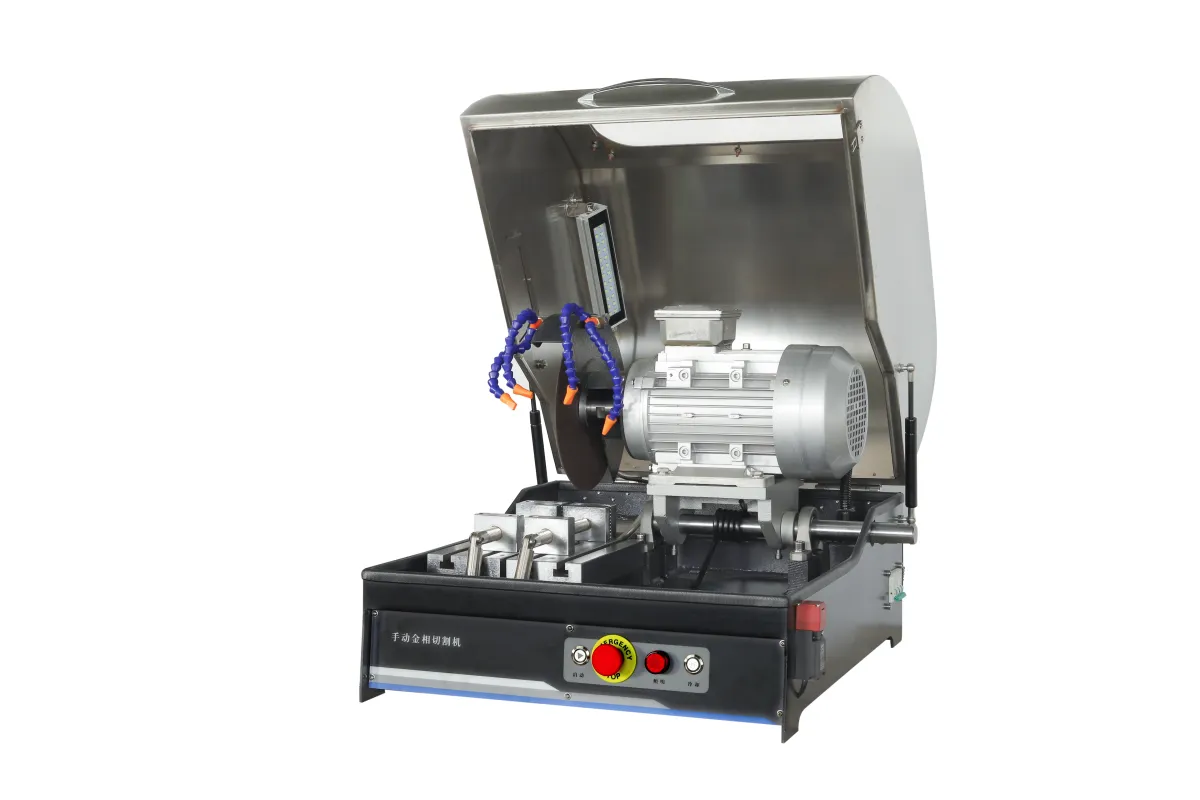
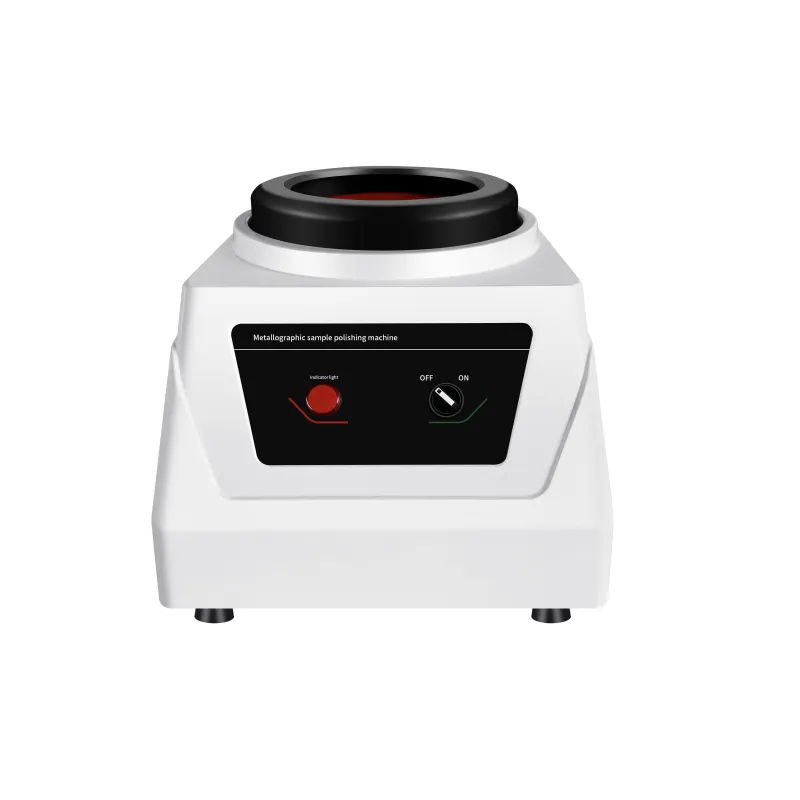
For metallographic sample preparation equipment used in European and American laboratories, material selection for the machine shell is directly related to long-term operating stability, maintenance cost and compliance with high-standard laboratory operation environments. As the export-grade P-2T metallographic polishing machine supplied by Laizhou Jincheng Industrial Equipment Co.,Ltd continues to gain recognition in overseas markets, more and more scientific research and quality inspection teams have noticed that FRP (Fiber Reinforced Plastic) has gradually become the preferred shell material for this model, replacing many traditional material options in actual procurement decisions.
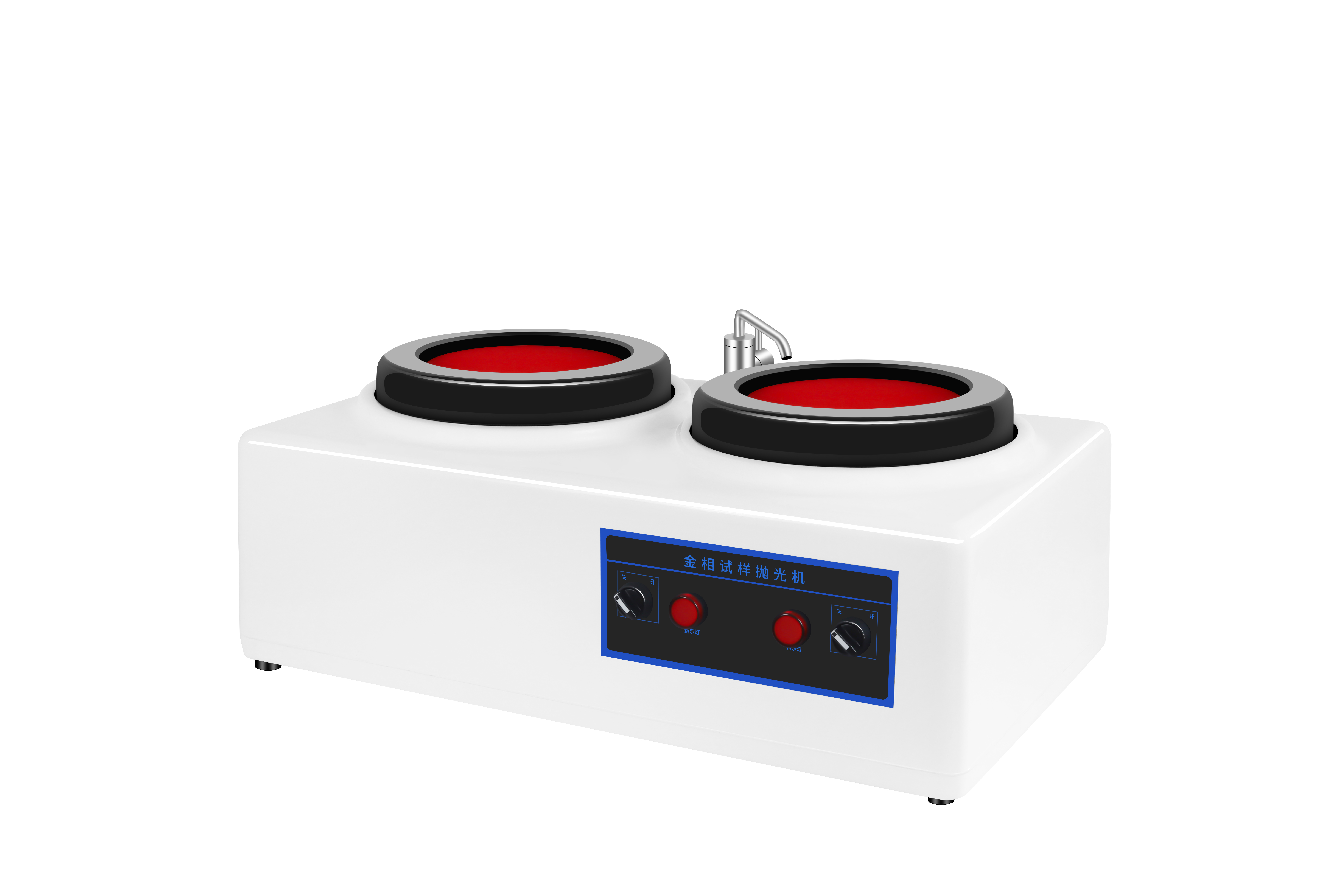
For laboratories, mechanical manufacturing testing departments and metallurgical enterprises that perform daily metallographic polishing operations, the equipment shell needs to meet multiple practical requirements at the same time:
In the product development and export verification process of Laizhou Jincheng, we systematically compared three widely used shell materials to evaluate their suitability for overseas laboratory applications:
| Performance Item | Ordinary Plastic | Stainless Steel | FRP |
|---|---|---|---|
| Corrosion Resistance | Average, easy to age under long-term chemical contact | Good, but vulnerable to specific corrosive reagents | Excellent, effectively resists most common laboratory chemicals |
| Impact Resistance | Low, prone to cracking after collision | High, but easy to produce obvious dents | Outstanding, maintains structural integrity under normal impact |
| Weight and Portability | Lightweight | Heavy, not easy to move flexibly | Moderate, balances structural strength and easy handling |
| Long-term Maintenance Cost | High, frequent replacement due to aging | Medium, requires regular rust prevention and polishing | Low, no frequent anti-corrosion treatment needed |
The FRP shell of P-2T metallographic polishing machine can effectively resist the erosion of various polishing fluids, acidic and alkaline reagents and common laboratory detergents, avoiding the problem of surface discoloration, bubbling or structural damage that often occurs with ordinary shells after long-term use. This performance makes the equipment more suitable for high-frequency daily metallographic sample preparation scenarios.
Through optimized fiber reinforced structure design, the FRP shell of P-2T industrial polishing machine exhibits better impact resistance than ordinary plastic, while avoiding the dent and rust risks of traditional metal shells. This significantly extends the stable service life of the equipment and matches the long-term operation expectations of European and American laboratories and industrial testing departments.
Many overseas users have reported that after using P-2T polishing machines with FRP shells, the daily maintenance workload is greatly reduced, and there is no need for regular anti-rust spraying, surface polishing or shell replacement work. This low-maintenance feature makes the equipment perform better in long-term cost evaluation and becomes an important reference point for procurement teams to make scientific decisions.
As one of the core models in the metallographic sample preparation product line of Laizhou Jincheng, the P-2T metallographic polishing machine with FRP shell has been continuously optimized according to the actual use feedback of laboratories and industrial users in Europe, Southeast Asia and Russia. This material selection logic is not only based on the consideration of equipment durability, but also a practical adjustment made by combining the operation habits and long-term use requirements of overseas high-standard laboratories, helping users obtain more stable and low-cost metallographic polishing performance in daily sample preparation work.
 MP-1B polishing machine troubleshooting metallographic polishing scratch removal polishing pad maintenance for metallurgical samples variable speed polishing machine usage gold standard metallography preparation
metallographic grinding and polishing machine material quality control sample preparation optimization grinding speed adjustment technical training for quality inspection
High-precision cutting Fine-tuning feeding Material adaptation Multi-material cutting Feed parameter adjustment
polishing machine enclosure material metallography equipment durability fiberglass vs stainless steel lab equipment corrosion resistance industrial polishing machine materials
grinding polishing machine maintenance laboratory equipment care extend equipment lifespan variable speed system calibration durable polishing machine upkeep