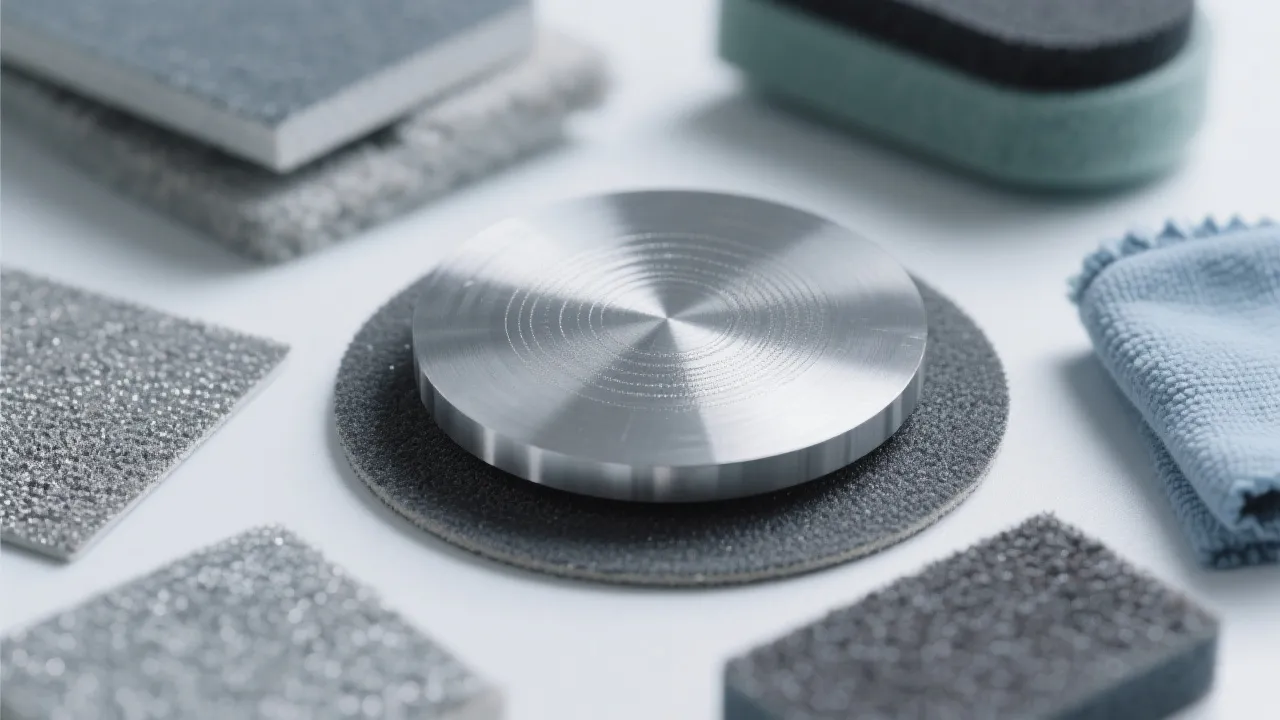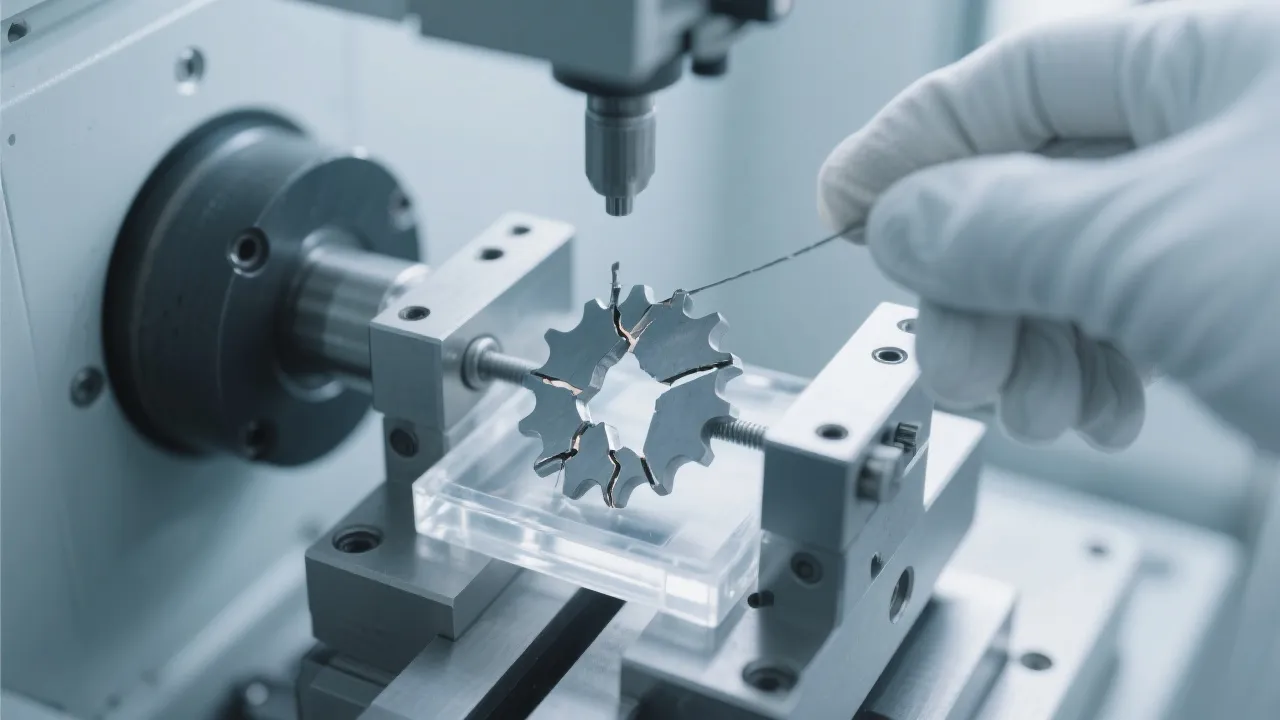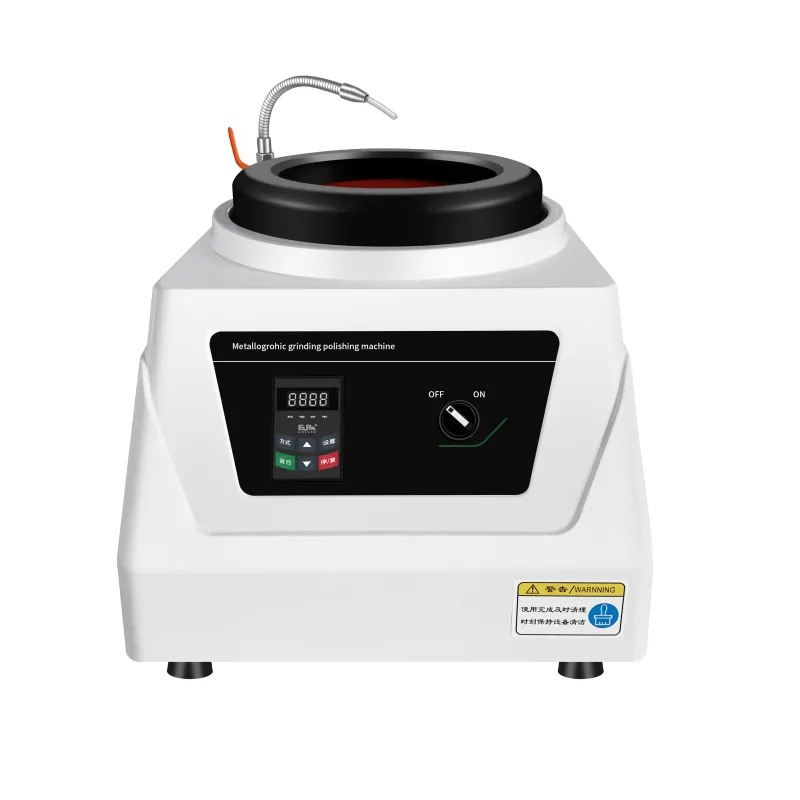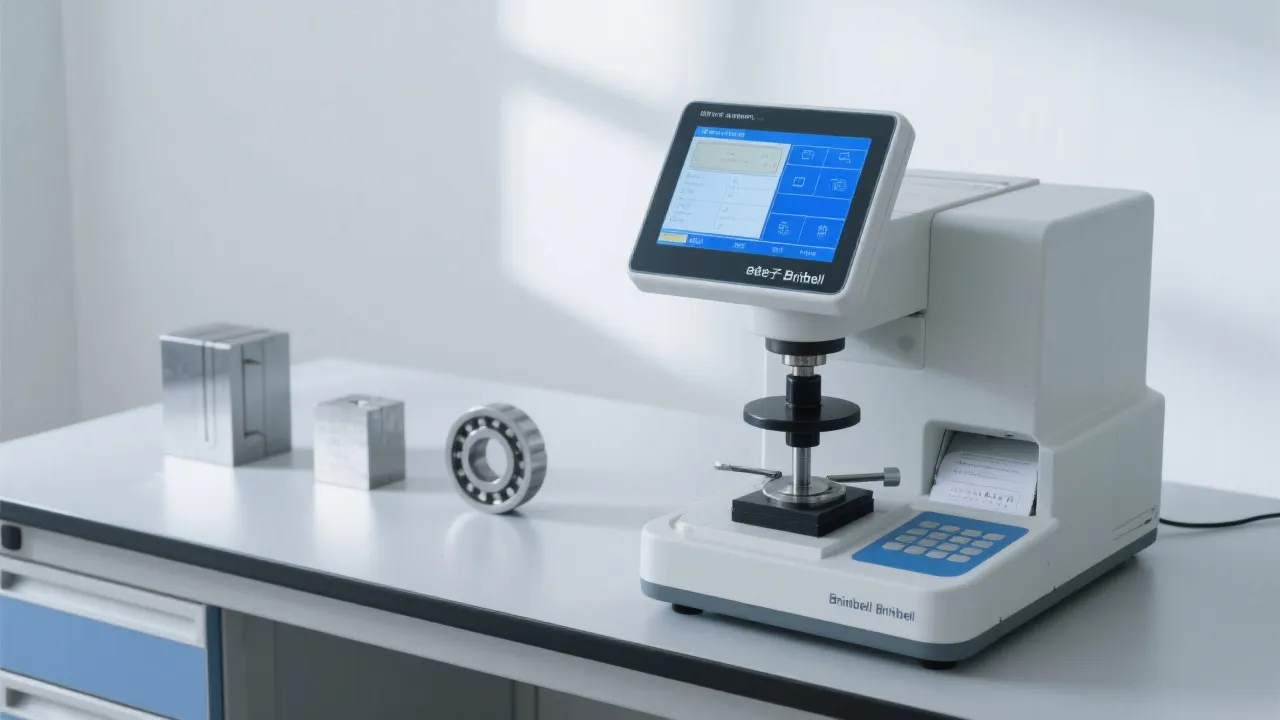
Metallographic polishing is a crucial step in various industries such as scientific research, quality inspection, and industrial testing. However, scratches on the polished surface are a common headache for technicians. These scratches can significantly affect the accuracy of metallographic analysis, leading to unreliable test results and potential quality issues in products.
Scratches on the metallographic surface can appear in different forms, from fine lines to more prominent marks. They not only make the metallographic image unclear but also may mislead the analysis of the material's microstructure. In quality inspection, these scratches can cause products to fail to meet the required standards, resulting in rework or even rejection, which increases production costs and time.
There are several factors that can contribute to scratches during metallographic polishing:
To effectively troubleshoot scratches in metallographic polishing, a structured approach is needed. The following flowchart provides a step - by - step guide:
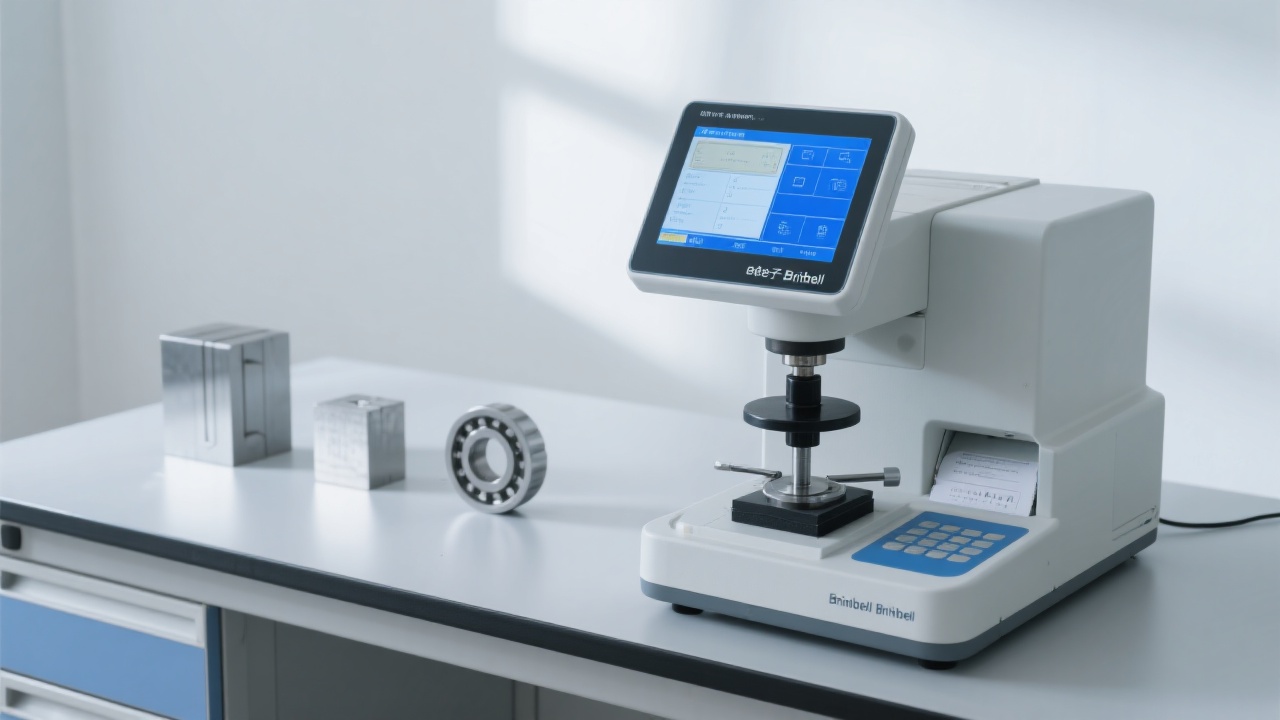
First, visually inspect the polished sample to determine the type and distribution of scratches. Then, check the grinding fluid for contamination. If the fluid is dirty, replace it with a new one. Next, examine the polishing disc, including the polishing cloth and its installation. If necessary, replace the cloth or reinstall the disc. Finally, check the rotation speed of the polishing machine and ensure it is stable and within the appropriate range.
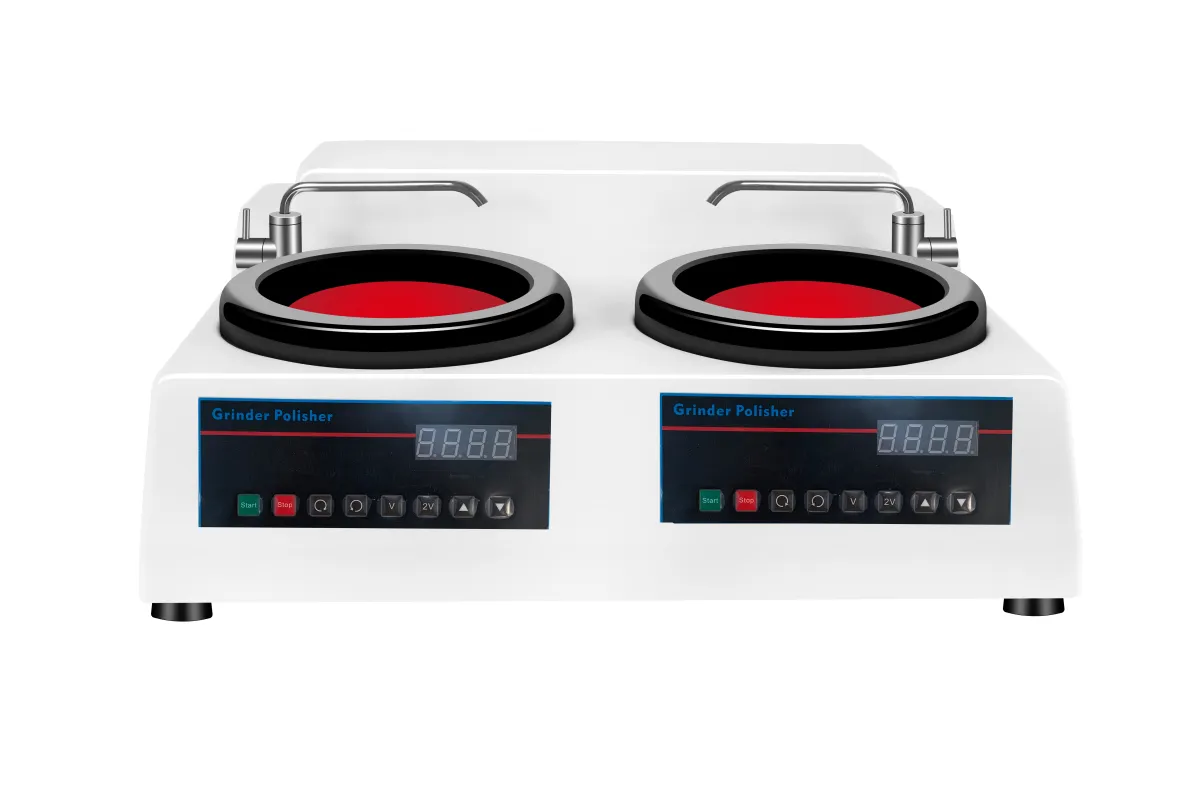
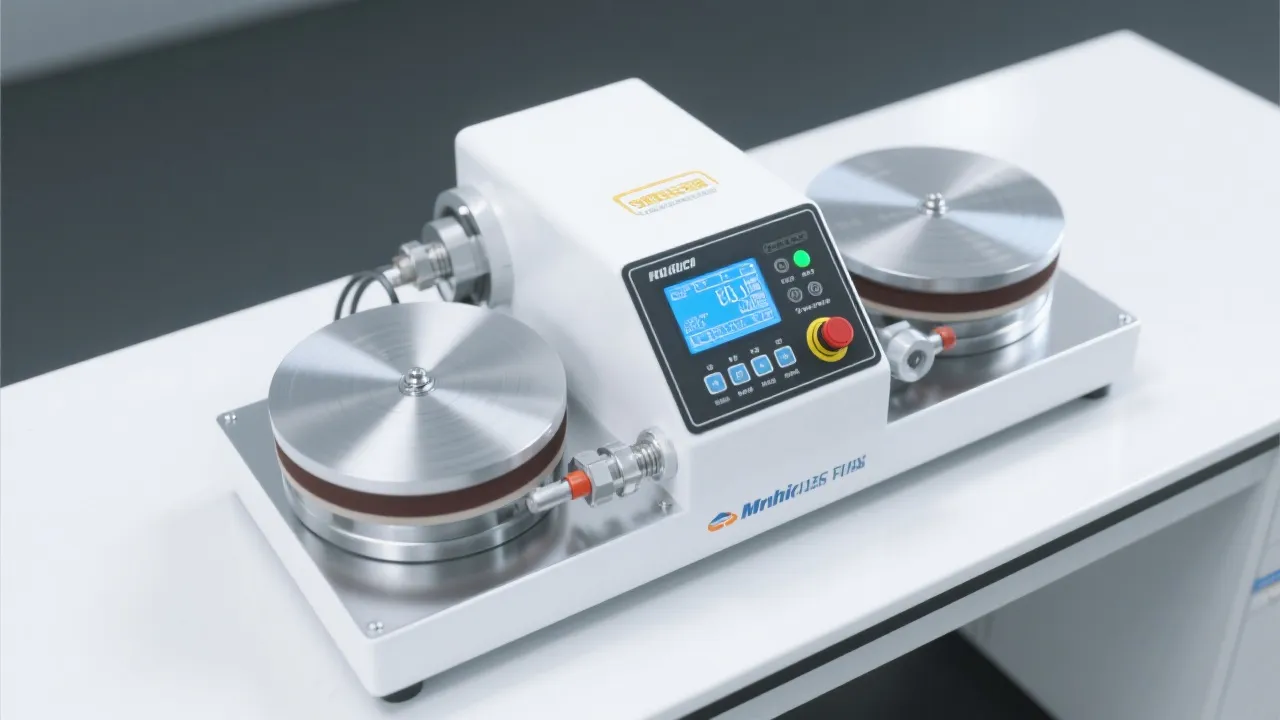
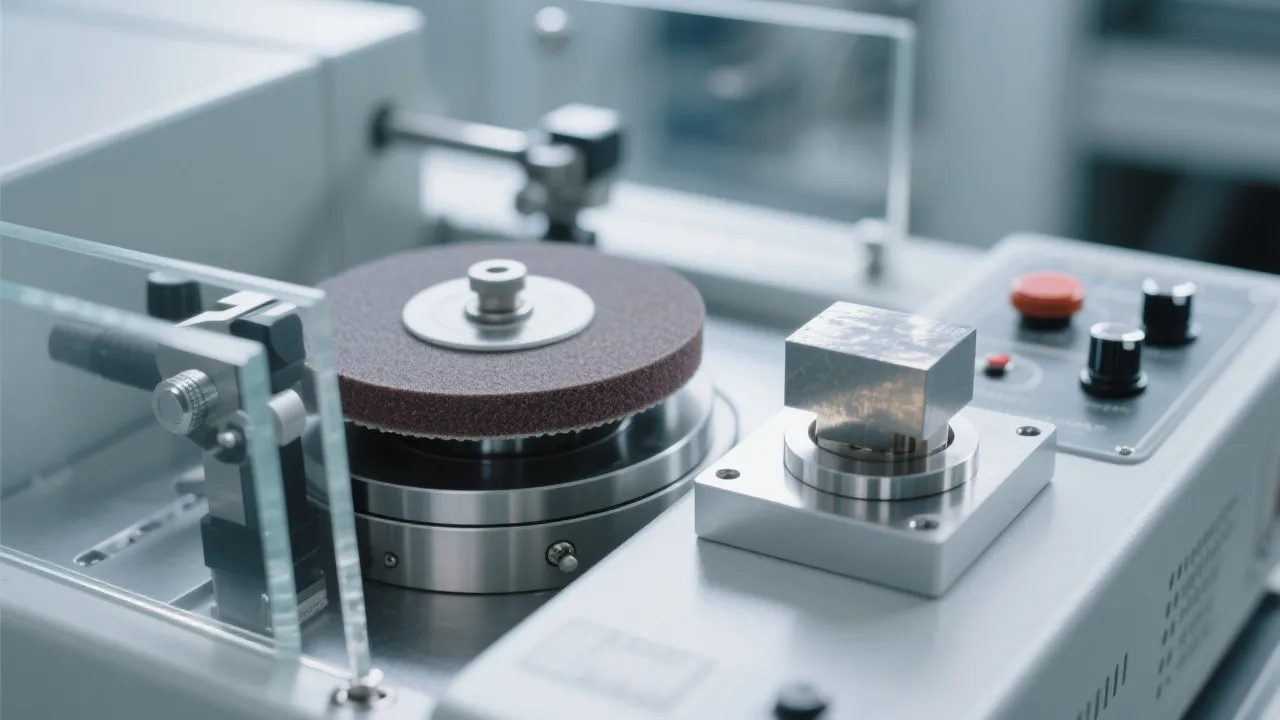
The MP - 1B metallographic sample preparation polishing machine offers several features that can help prevent and optimize the polishing process:
Regular maintenance of the MP - 1B is essential for its long - term performance and to prevent scratches. Here are some maintenance tips:
Many customers have benefited from using the MP - 1B. For example, a quality inspection laboratory reported that after using the MP - 1B, the percentage of samples with scratches decreased from 20% to less than 5%, significantly improving the efficiency and accuracy of their inspection work.
If you are looking for a reliable solution to improve your metallographic polishing quality and reduce scratches, the MP - 1B metallographic sample preparation polishing machine is the ideal choice. With its advanced features and proven performance, it can help you meet the highest quality standards in your industry. Click here to learn more about the MP - 1B.
 Polishing machine enclosure material
Metallographic specimen polishing equipment durability
Laboratory equipment anti - corrosion solution
FRP enclosure maintenance
Industrial polishing machine corrosion resistance
metallographic sample consistency
grinding and polishing equipment maintenance
metallographic preparation standardization
sample preparation repeatability improvement
laboratory equipment stability
Metallographic polishing scratch troubleshooting
Metallographic sample grinder - polisher operation skills
MP - 1B polishing fault solutions
Metallographic sample polishing maintenance
Grinder - polisher fault exclusion
metallographic polishing scratch troubleshooting
gold sample preparation
MP-1B polishing machine
lab sample quality control
polishing process optimization
grinding polishing machine maintenance
laboratory equipment care
extend equipment lifespan
variable speed system calibration
durable polishing machine upkeep
Polishing machine enclosure material
Metallographic specimen polishing equipment durability
Laboratory equipment anti - corrosion solution
FRP enclosure maintenance
Industrial polishing machine corrosion resistance
metallographic sample consistency
grinding and polishing equipment maintenance
metallographic preparation standardization
sample preparation repeatability improvement
laboratory equipment stability
Metallographic polishing scratch troubleshooting
Metallographic sample grinder - polisher operation skills
MP - 1B polishing fault solutions
Metallographic sample polishing maintenance
Grinder - polisher fault exclusion
metallographic polishing scratch troubleshooting
gold sample preparation
MP-1B polishing machine
lab sample quality control
polishing process optimization
grinding polishing machine maintenance
laboratory equipment care
extend equipment lifespan
variable speed system calibration
durable polishing machine upkeep