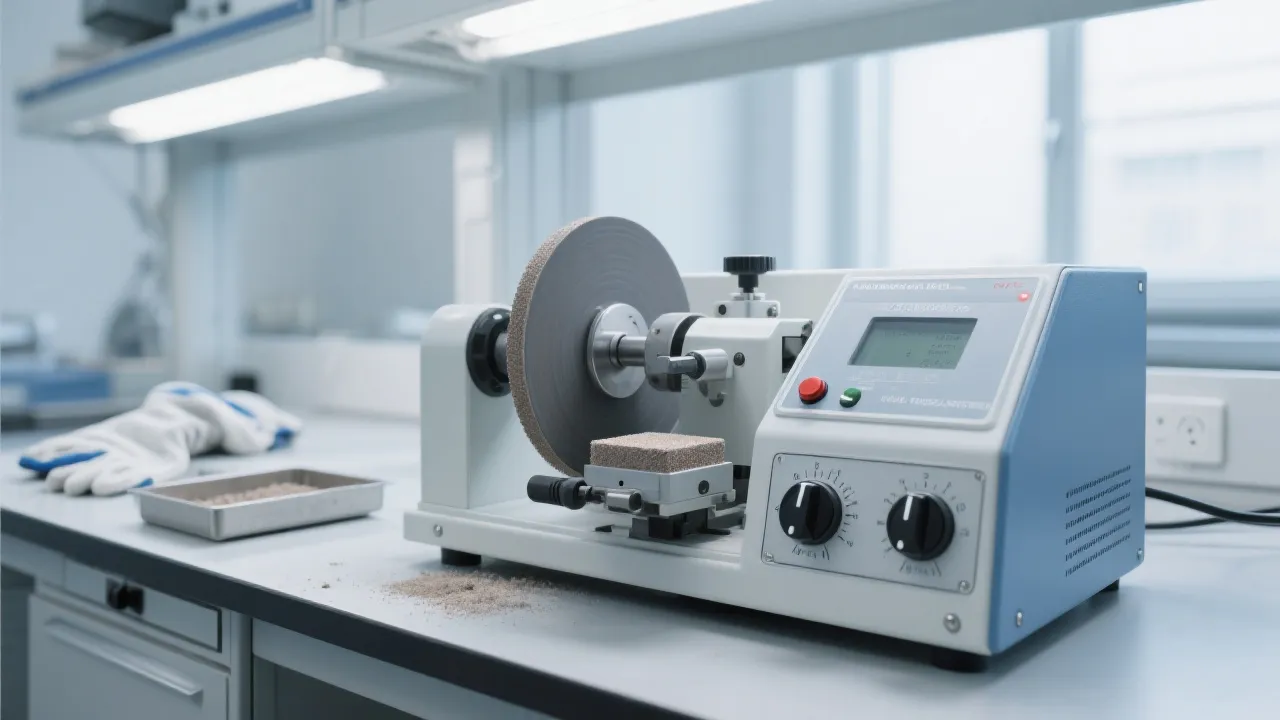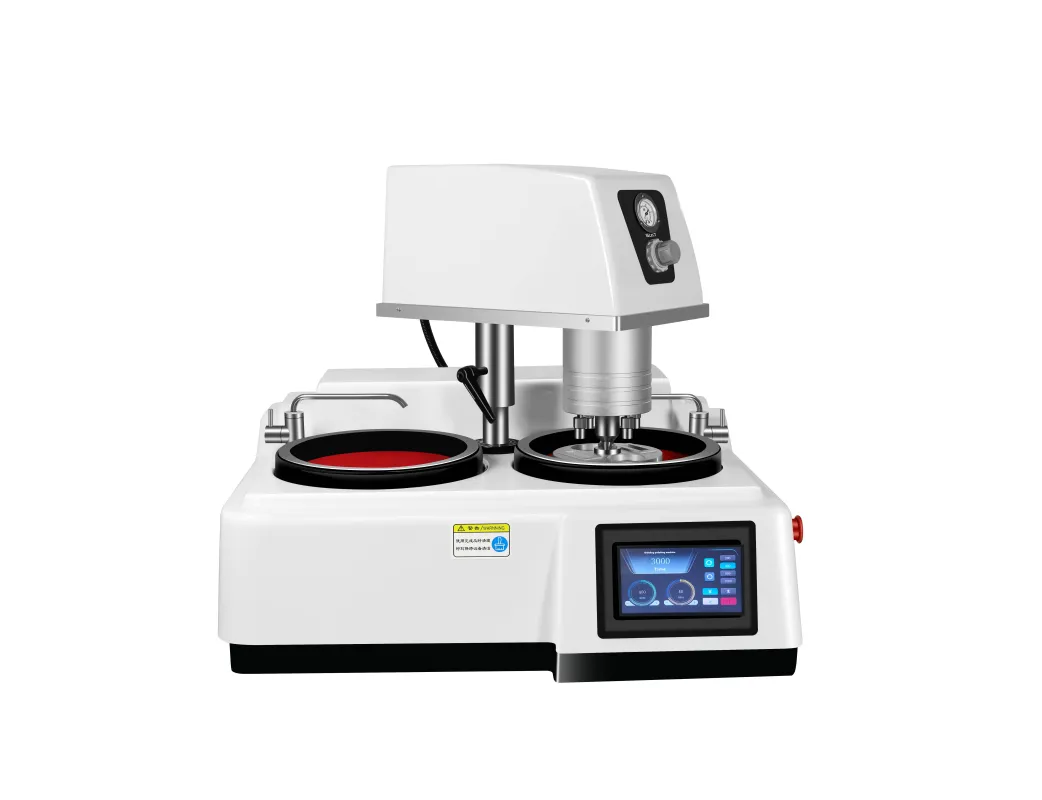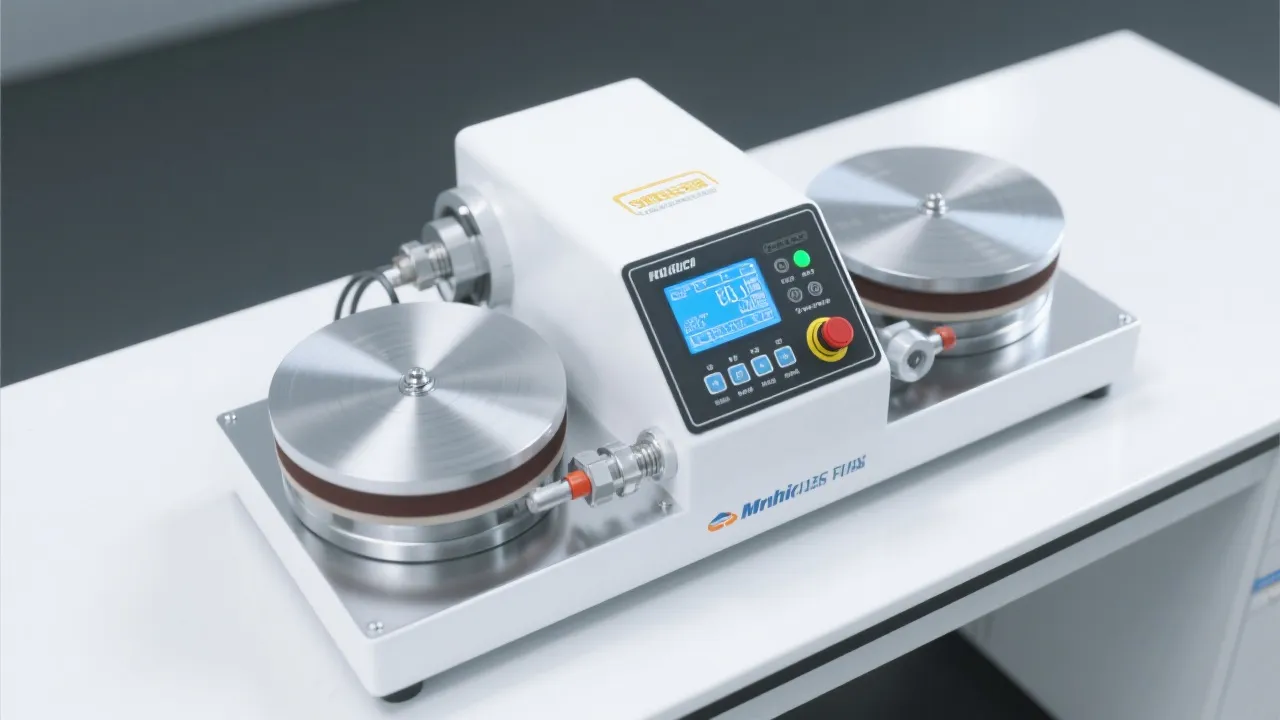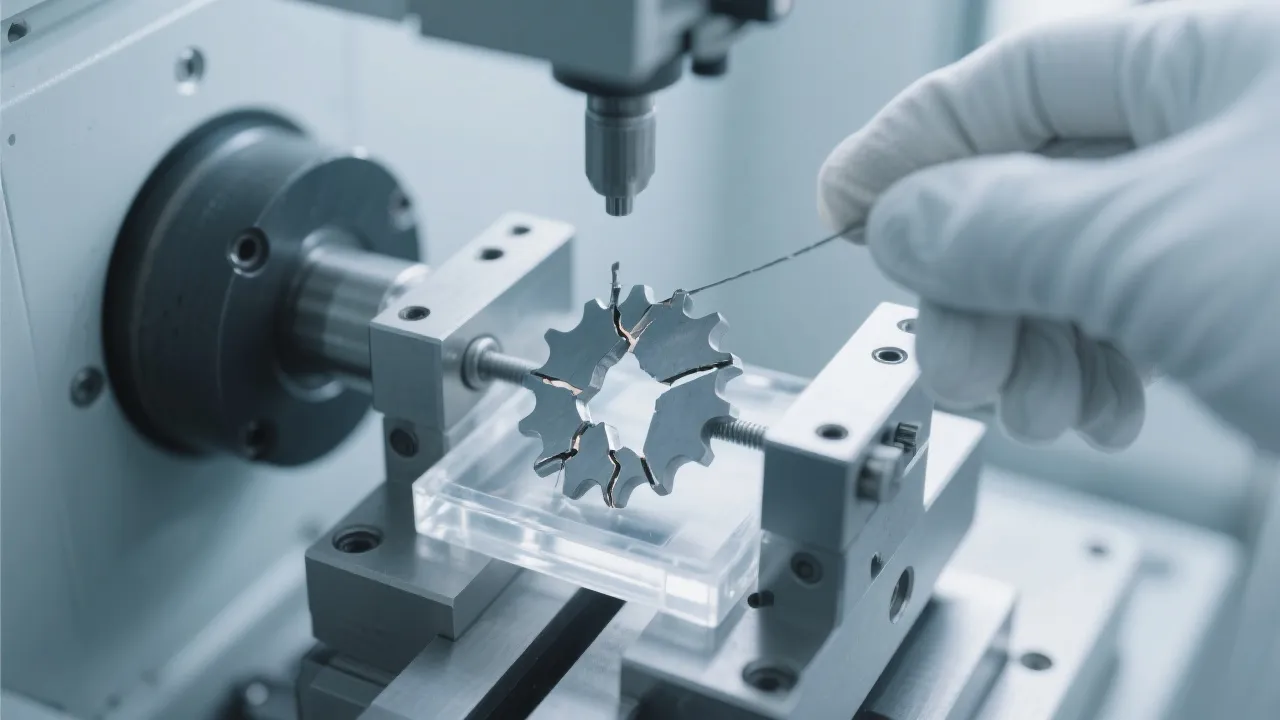
Scratches in the metallographic sample polishing process are a common challenge in laboratory and industrial sample preparation, often affecting the accuracy of the final inspection results. This article focuses on the question "What to do if scratches appear on the metallographic sample after polishing?" and delves into the key factors leading to scratches, such as contamination of grinding media, unstable equipment rotation speed, and aging of polishing cloths.
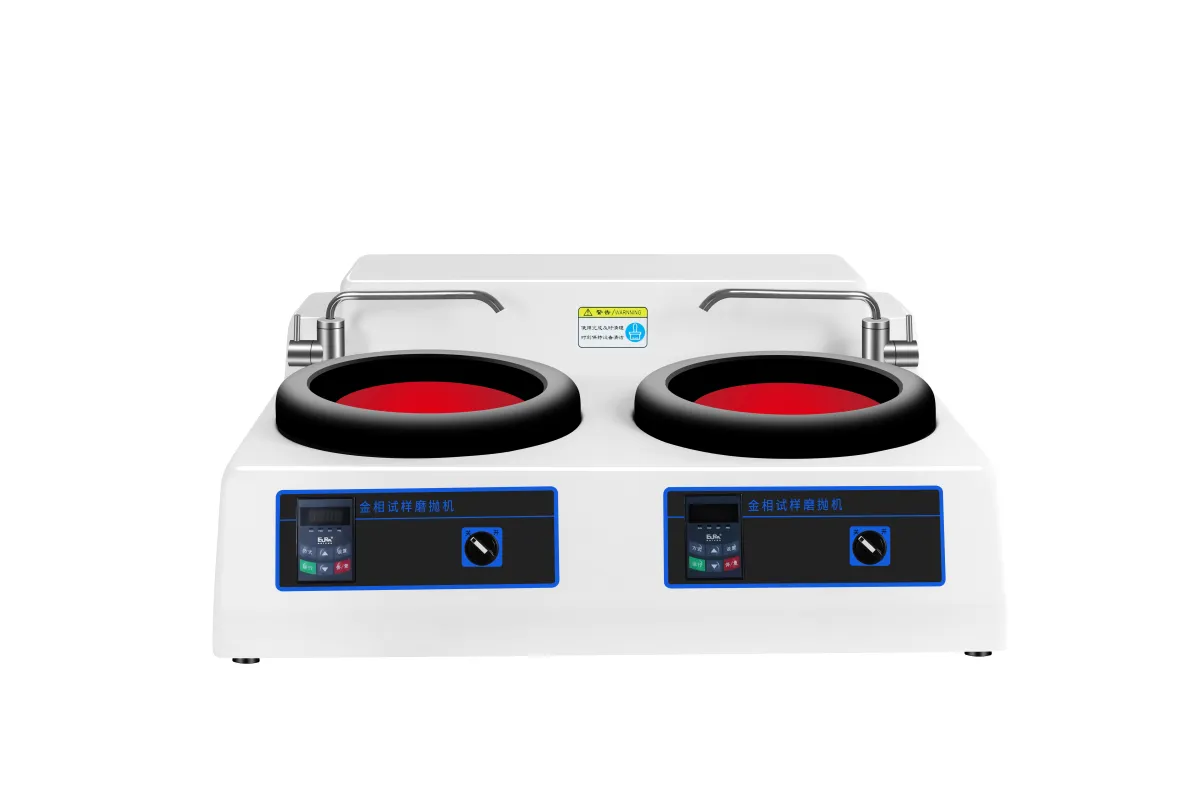
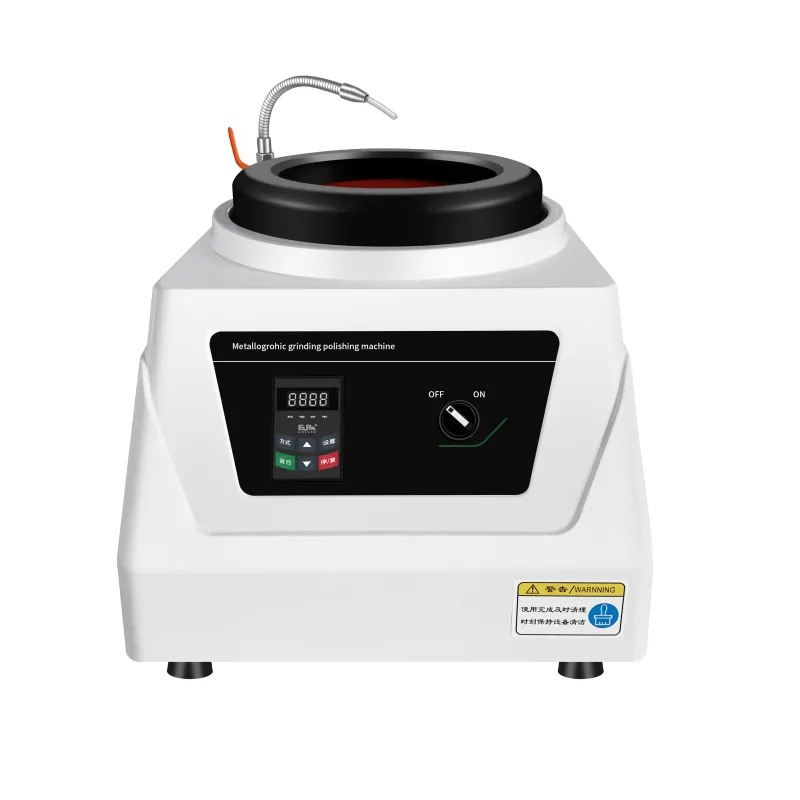
Combined with the technical characteristics of the MP - 1B metallographic sample preparation grinder - polisher, a systematic troubleshooting process and maintenance suggestions are provided. Through a combination of text and pictures, technicians are guided to accurately locate problems and take preventive measures, helping to improve the polishing quality of metallographic samples and ensure compliance with scientific research and quality inspection standards.
There are several main reasons for scratches in the metallographic sample polishing process. Firstly, the contamination of grinding media can introduce hard particles, which will scratch the sample surface during polishing. For example, if the grinding powder is mixed with impurities, it can cause visible scratches on the polished sample. Secondly, unstable equipment rotation speed can lead to uneven pressure on the sample, resulting in scratches. A study shows that about 30% of polishing scratches are related to unstable rotation speed. Thirdly, the aging of the polishing cloth can reduce its polishing performance and cause scratches. As the polishing cloth is used over time, its fibers become loose and may leave scratches on the sample.
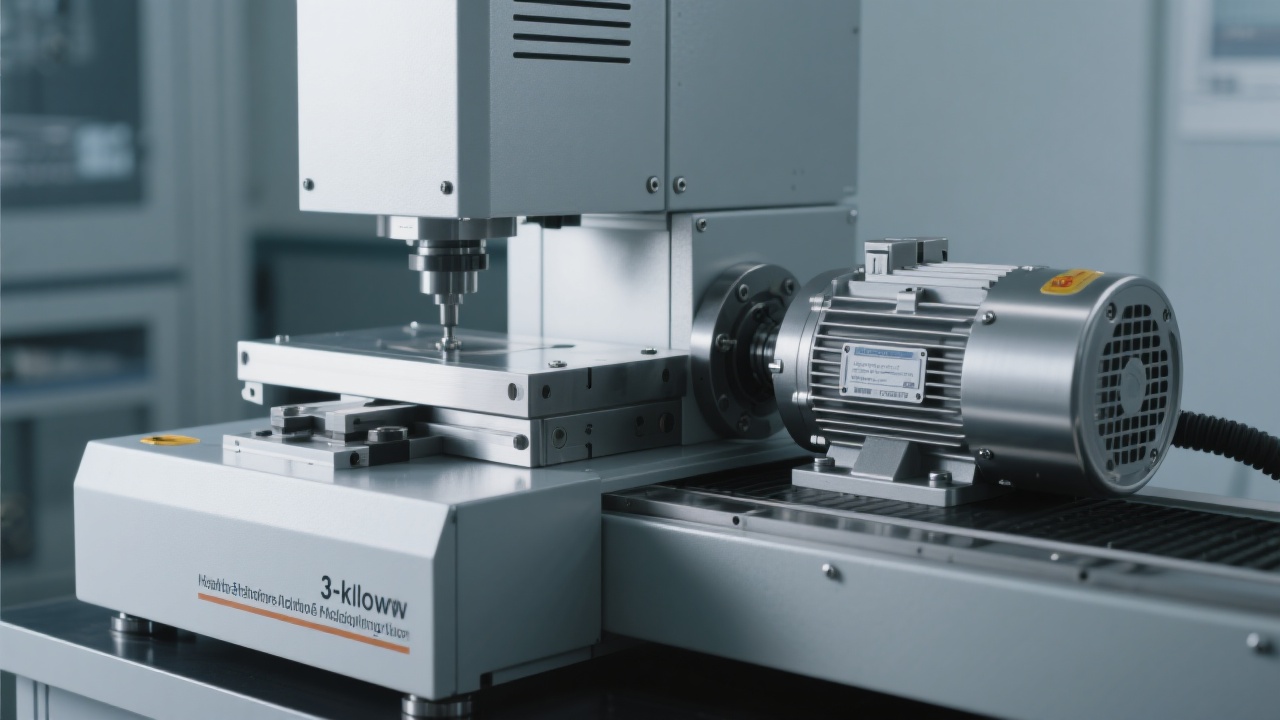
When facing scratches on the metallographic sample after polishing, a systematic troubleshooting process should be followed. First, check the grinding media. Ensure that it is clean and free of impurities. Replace the grinding media if necessary. Second, examine the equipment rotation speed. Use a tachometer to measure the rotation speed and adjust it to the appropriate value according to the sample requirements. Third, inspect the polishing cloth. If it shows signs of aging, such as fraying or loss of softness, replace it with a new one.
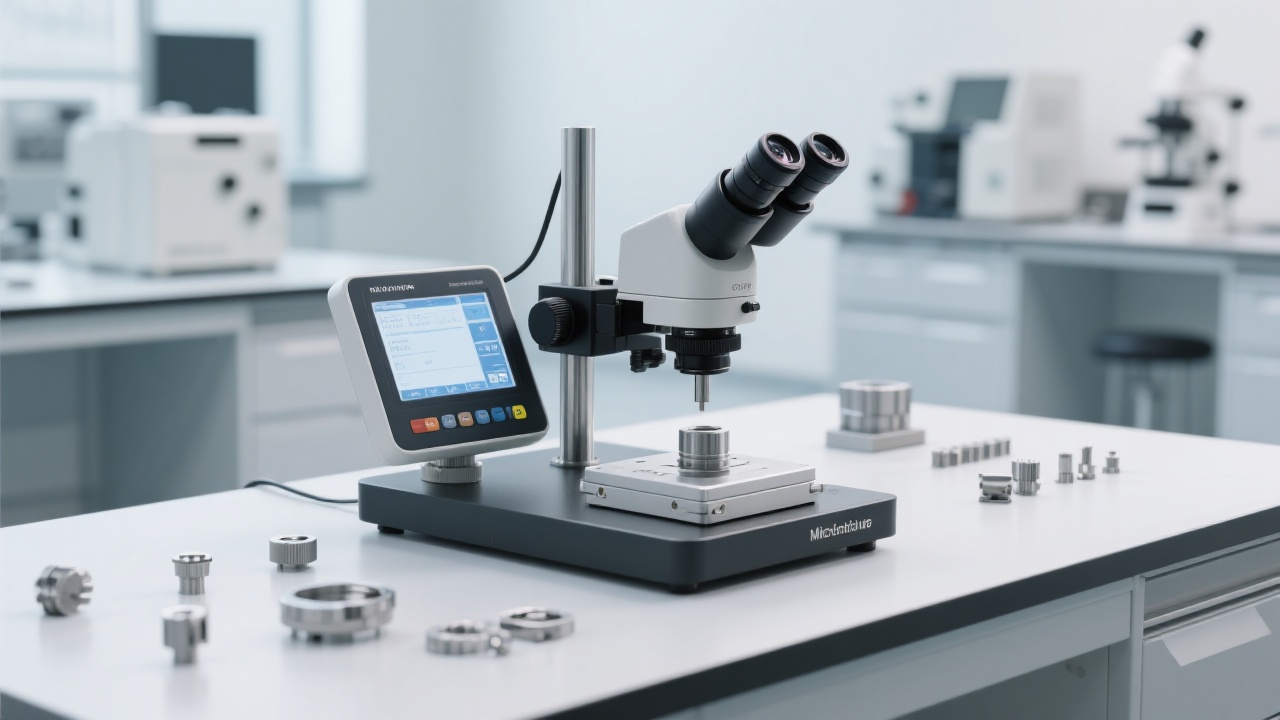
Proper equipment maintenance is crucial to prevent scratches in the polishing process. Regularly clean the MP - 1B metallographic sample preparation grinder - polisher to remove dust and debris. Lubricate the moving parts according to the manufacturer's instructions to ensure smooth operation. Also, store the grinding media and polishing cloths in a clean and dry environment to prevent contamination and aging.
We encourage users to share their experiences and ask questions in the comments section below. By sharing, we can all learn from each other and improve our metallographic sample polishing skills.
In conclusion, the MP - 1B metallographic sample preparation grinder - polisher from Laizhou Jincheng is a reliable tool for high - quality metallographic sample preparation. With its advanced features and excellent performance, it can effectively reduce the occurrence of scratches in the polishing process. If you are looking for a professional solution to your metallographic sample polishing problems, don't miss the MP - 1B grinder - polisher. Click here to learn more about the MP - 1B and our outstanding after - sales service!
 Metallographic sample preparation
SQ-60 high efficiency metal cutting machine
Data stability
ASTM E3-11
Intelligent cooling system
P-2G high-speed double-disc polisher
standardized metal sample polishing
low-noise polishing equipment
ASTM ISO polishing standards
metal sample surface flatness
MP-1B polishing machine troubleshooting
metallographic polishing scratch removal
polishing pad maintenance for metallurgical samples
variable speed polishing machine usage
gold standard metallography preparation
Polishing machine enclosure material
Durability of metallographic specimen polishing equipment
Laboratory equipment anti - corrosion solutions
FRP polishing machine enclosure
Durability of industrial testing equipment
metallographic polishing scratch troubleshooting
gold sample preparation
MP-1B polishing machine
lab sample quality control
polishing process optimization
Metallographic sample preparation
SQ-60 high efficiency metal cutting machine
Data stability
ASTM E3-11
Intelligent cooling system
P-2G high-speed double-disc polisher
standardized metal sample polishing
low-noise polishing equipment
ASTM ISO polishing standards
metal sample surface flatness
MP-1B polishing machine troubleshooting
metallographic polishing scratch removal
polishing pad maintenance for metallurgical samples
variable speed polishing machine usage
gold standard metallography preparation
Polishing machine enclosure material
Durability of metallographic specimen polishing equipment
Laboratory equipment anti - corrosion solutions
FRP polishing machine enclosure
Durability of industrial testing equipment
metallographic polishing scratch troubleshooting
gold sample preparation
MP-1B polishing machine
lab sample quality control
polishing process optimization