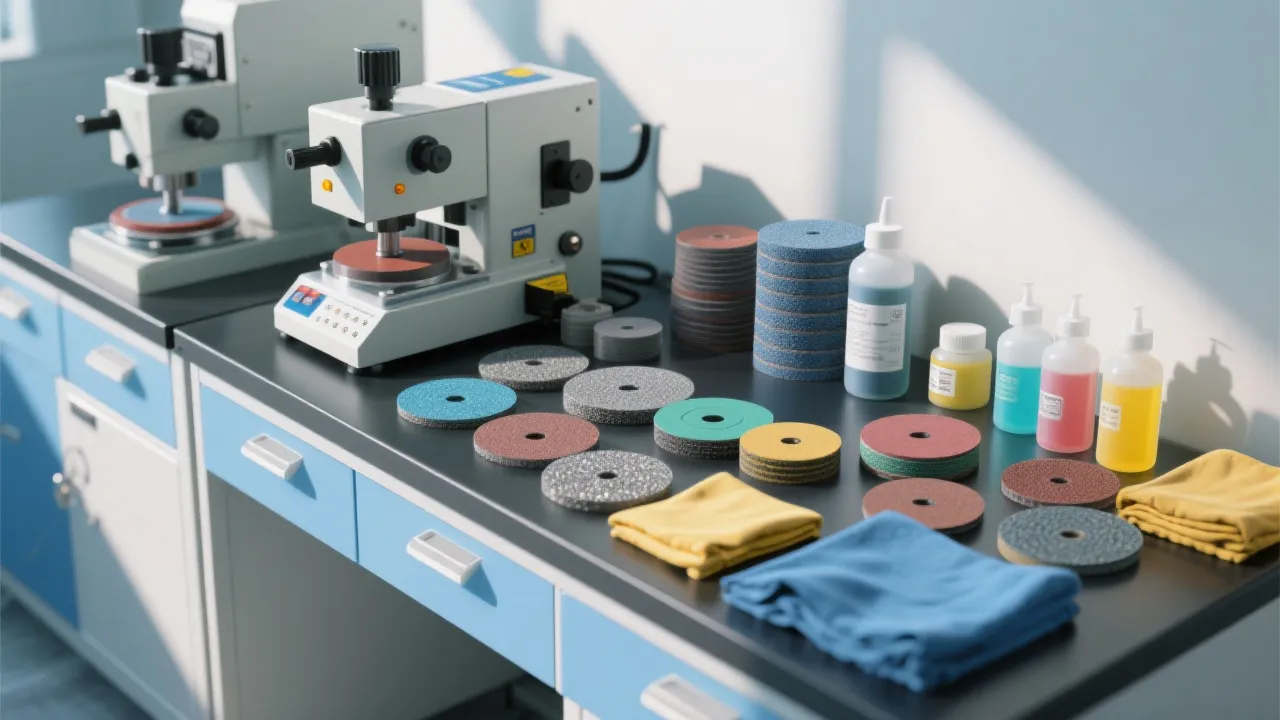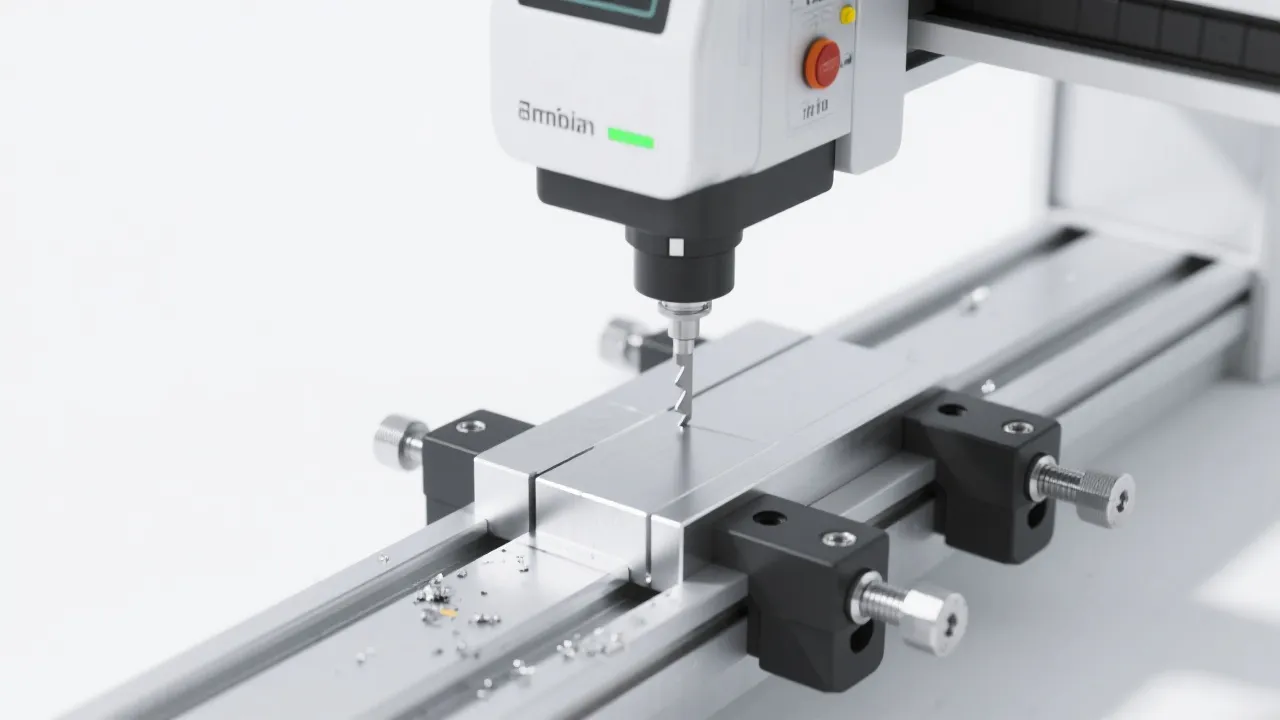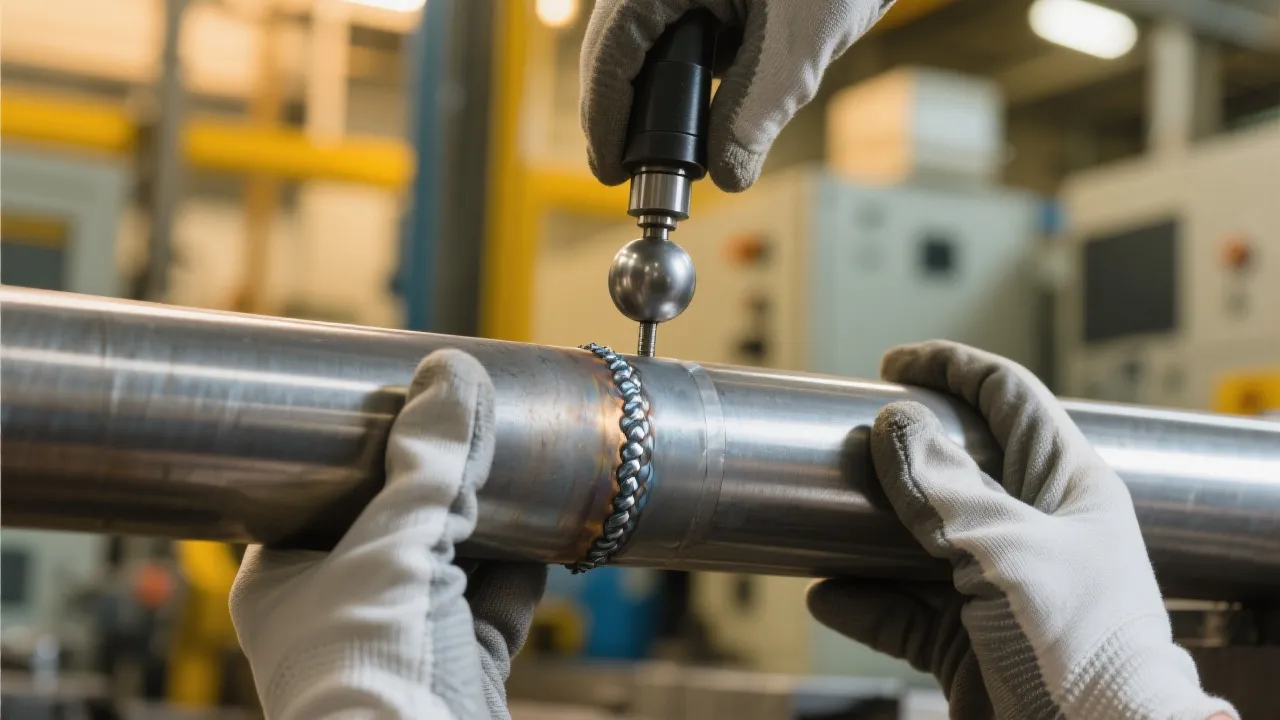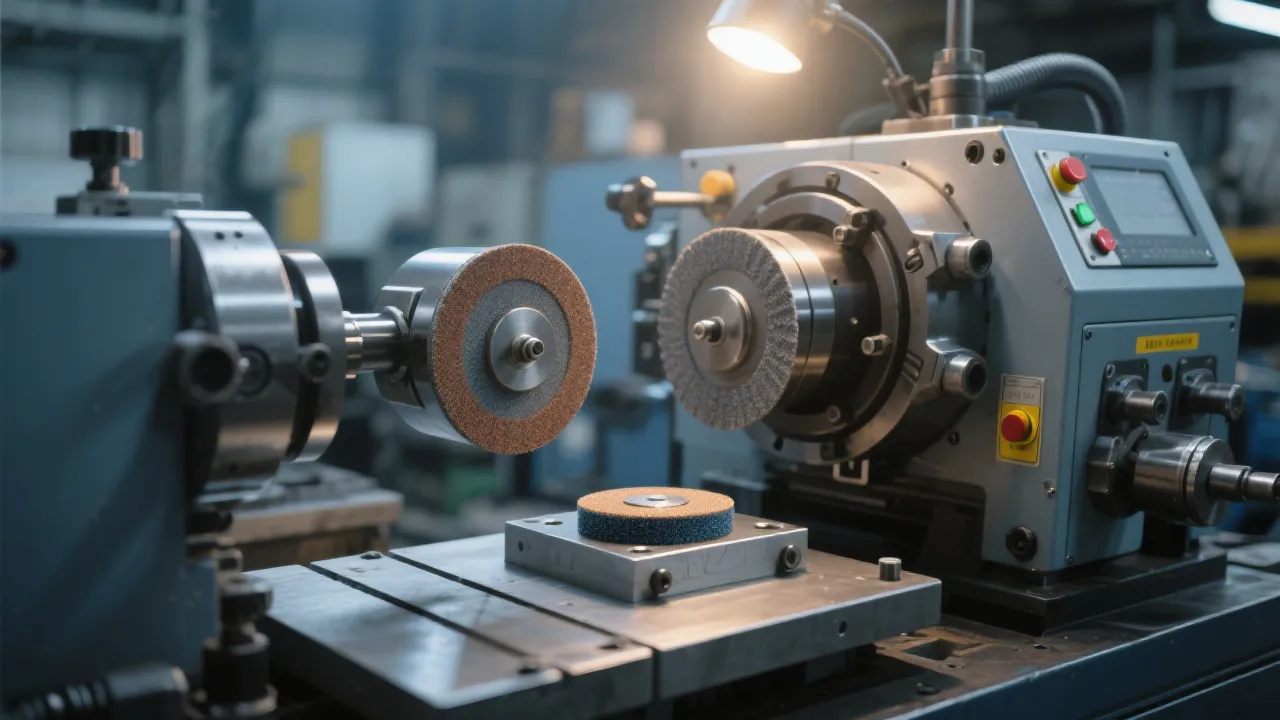
In the field of metal hardness testing, the cleanliness of the specimen surface is often overlooked, yet it has a direct impact on the test accuracy. This article delves into the common misconceptions, such as how the presence of oil, oxide layers, or dust can lead to reading deviations, and explains the principles in combination with international standards like GB/T230.2 and ISO6508.
The cleanliness of the specimen surface plays a decisive role in the hardness test results. Oil, scale, and dust on the surface can cause indentation deformation or uneven loading. For example, oil can act as a lubricant, reducing the friction between the indenter and the specimen surface, which may lead to inaccurate indentation measurements. Oxide layers can be brittle and flake off during the testing process, affecting the stability of the indenter and causing loading variations. Dust particles can also interfere with the contact between the indenter and the specimen, resulting in irregular indentations.
Let's take a real - world example. A manufacturing plant once faced a batch return issue because they failed to clean the specimens properly before hardness testing. The inaccurate hardness readings led to products that did not meet the quality requirements, causing significant losses. This case highlights the importance of specimen surface cleanliness in metal hardness testing.
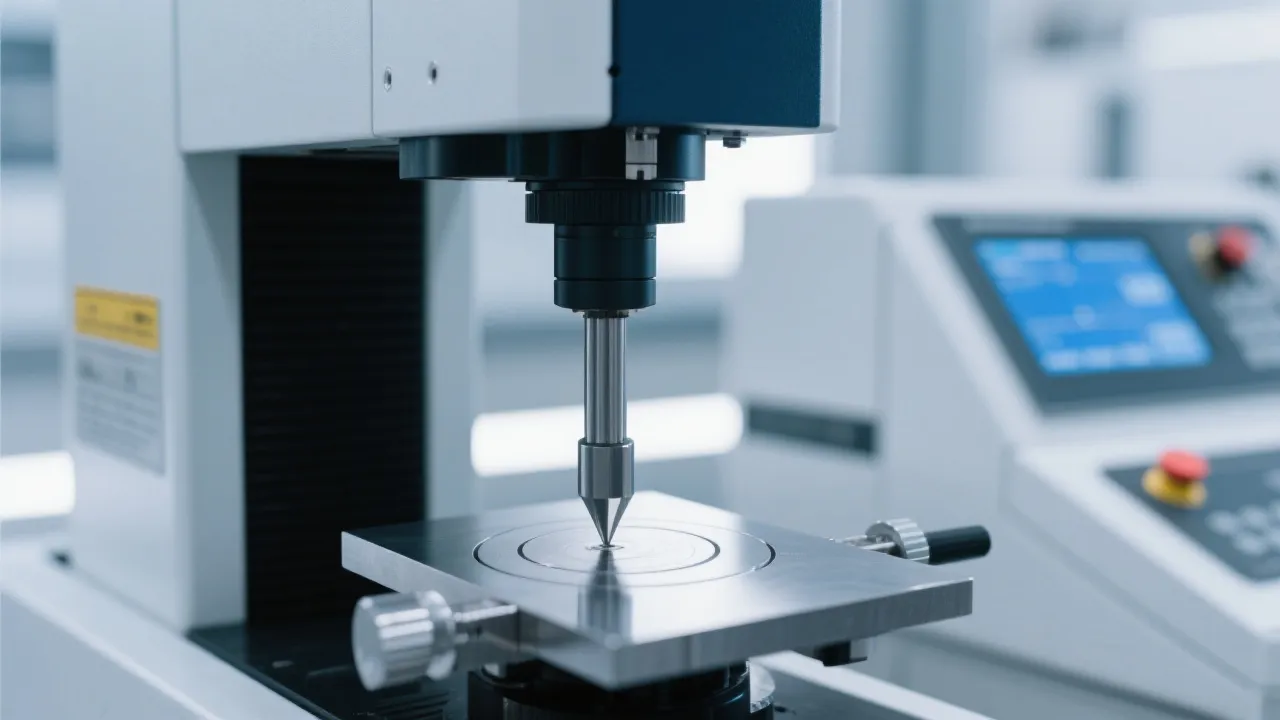
When it comes to force control stability, there are significant differences between manual and electric Rockwell hardness testers. Manual testers rely on the operator's skills and experience to apply the test force, which can introduce human errors. For instance, inconsistent force application speed or uneven force distribution can lead to inaccurate hardness readings. On the other hand, electric Rockwell hardness testers, such as the HRD - 150, offer better force control stability. They can precisely control the test force, reducing the impact of human factors and ensuring more accurate and reliable test results.
Adhering to international standards like GB/T230.2 and ISO6508 is crucial in metal hardness testing. These standards provide clear guidelines on testing procedures, specimen preparation, and result evaluation. By following these standards, engineers can ensure the accuracy and comparability of test results. A standardized testing process also helps to avoid quality disputes and improve product consistency, which in turn enhances customer trust.
To ensure accurate metal hardness testing, here is a practical operation list:
The HRD - 150 electric Rockwell hardness tester provides technical support in reducing human errors and ensuring precise force control. Its advanced technology and stable performance can help engineers achieve more accurate and reliable metal hardness testing results.
Click here to get the PDF of Metal Hardness Testing Self - Check List and improve your metal hardness testing process!
 Metallographic sample preparation
MP-2DE Metallographic Polishing Machine
Micro defect analysis
ASTM E3-11 standard
High-performance grinding and polishing
polishing machine housing material
corrosion-resistant lab equipment
fiberglass reinforced plastic for industrial machines
metallographic polishing equipment durability
lab equipment maintenance best practices
Metallographic polishing scratch troubleshooting
MP - 1B polishing fault solutions
Metallographic sample polishing machine usage skills
Common problems in metallographic sample preparation
Laboratory sample preparation equipment
Metallographic polishing scratch troubleshooting
Metallographic sample grinder - polisher usage skills
MP - 1B polishing fault solutions
Metallographic sample preparation
Polishing fluid contamination
Stability of temperature control in metallographic preparation
Temperature control accuracy of automatic encrusting machine
Consistency of metallographic sample formation
Curing control of thermosetting resins
Metallographic sample preparation technology
Metallographic sample preparation
MP-2DE Metallographic Polishing Machine
Micro defect analysis
ASTM E3-11 standard
High-performance grinding and polishing
polishing machine housing material
corrosion-resistant lab equipment
fiberglass reinforced plastic for industrial machines
metallographic polishing equipment durability
lab equipment maintenance best practices
Metallographic polishing scratch troubleshooting
MP - 1B polishing fault solutions
Metallographic sample polishing machine usage skills
Common problems in metallographic sample preparation
Laboratory sample preparation equipment
Metallographic polishing scratch troubleshooting
Metallographic sample grinder - polisher usage skills
MP - 1B polishing fault solutions
Metallographic sample preparation
Polishing fluid contamination
Stability of temperature control in metallographic preparation
Temperature control accuracy of automatic encrusting machine
Consistency of metallographic sample formation
Curing control of thermosetting resins
Metallographic sample preparation technology