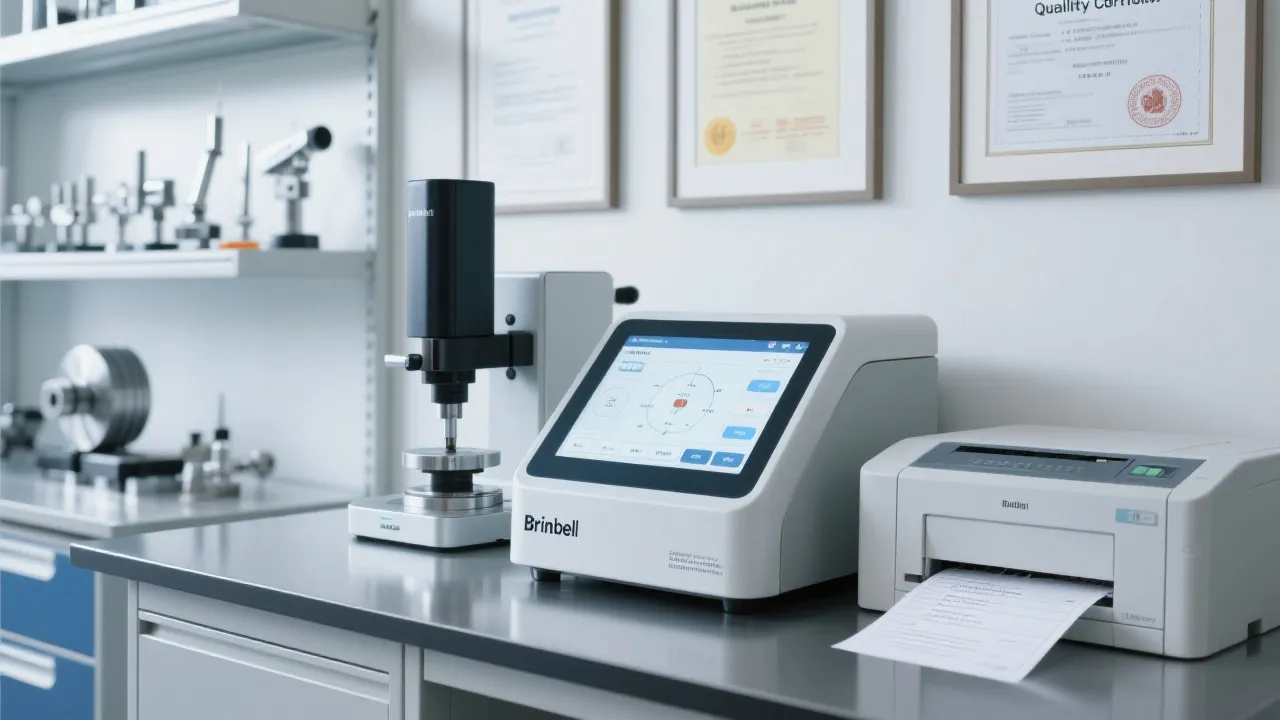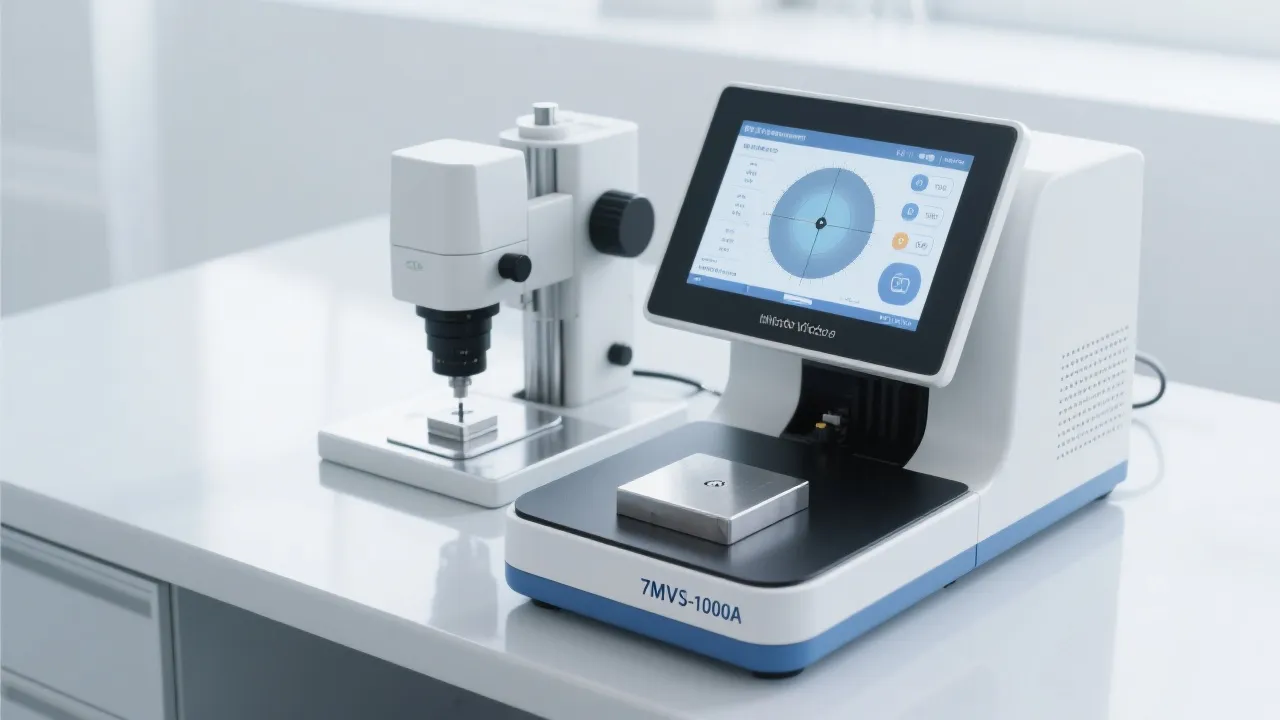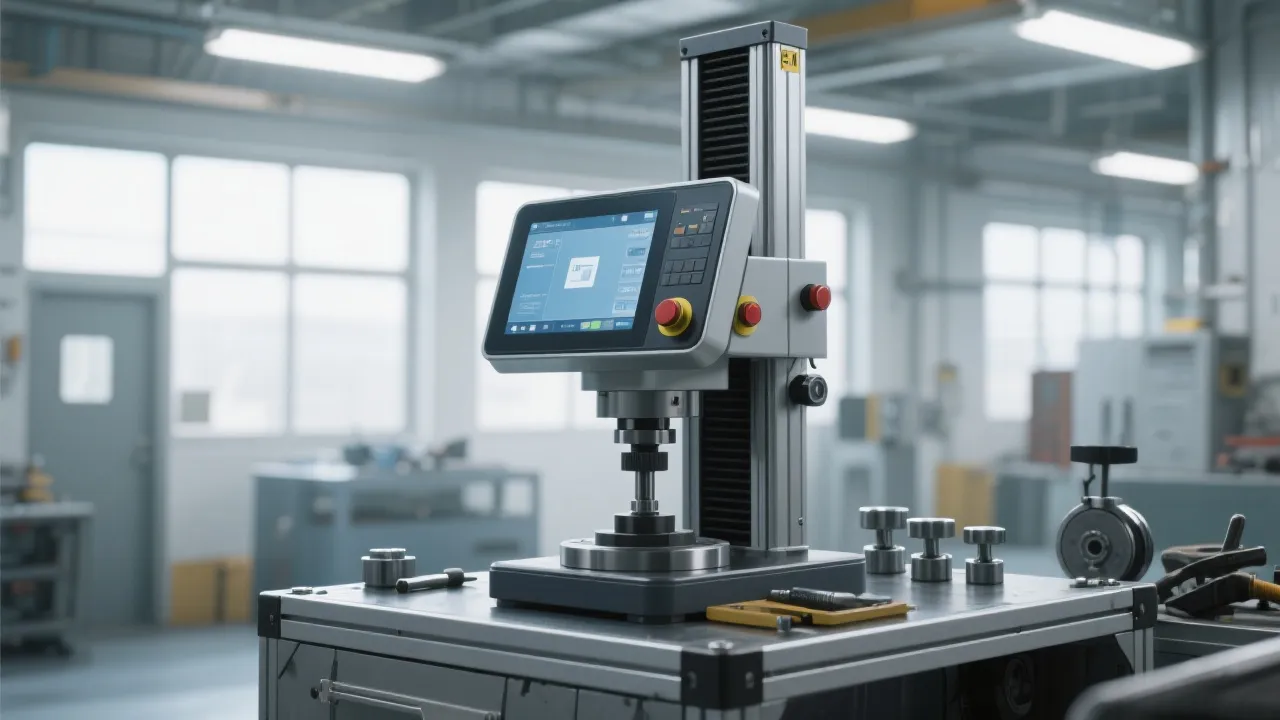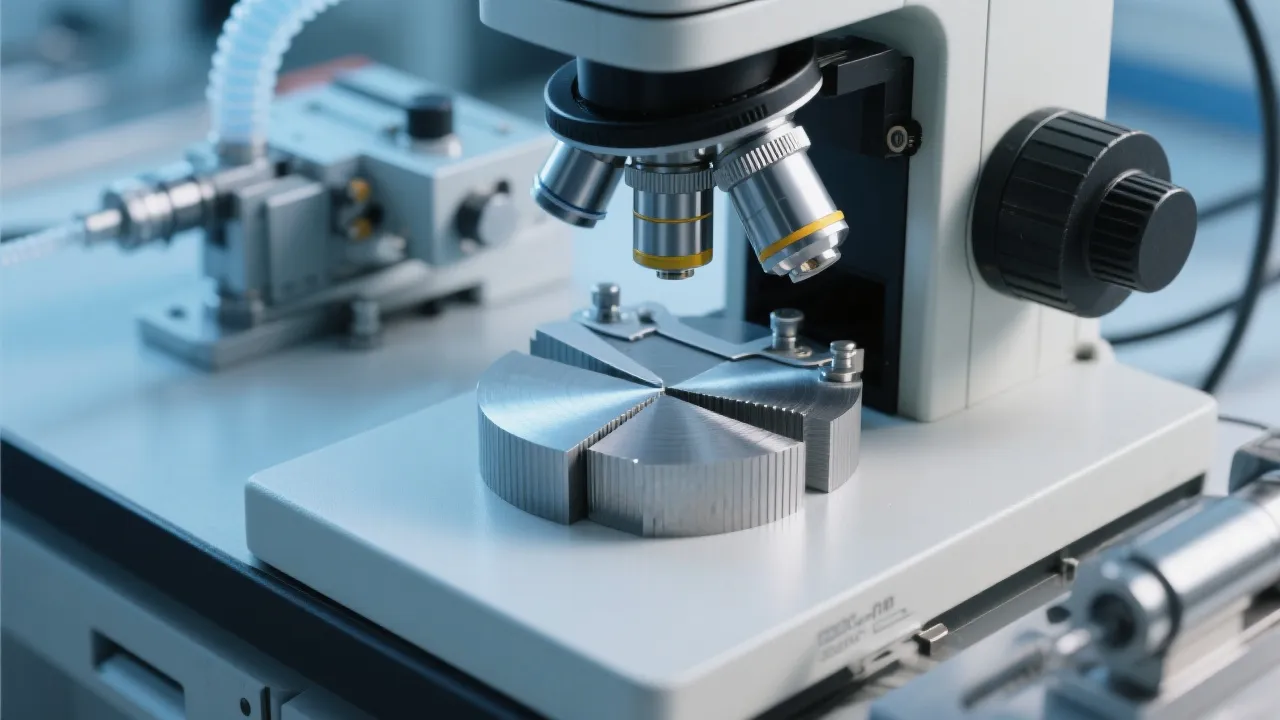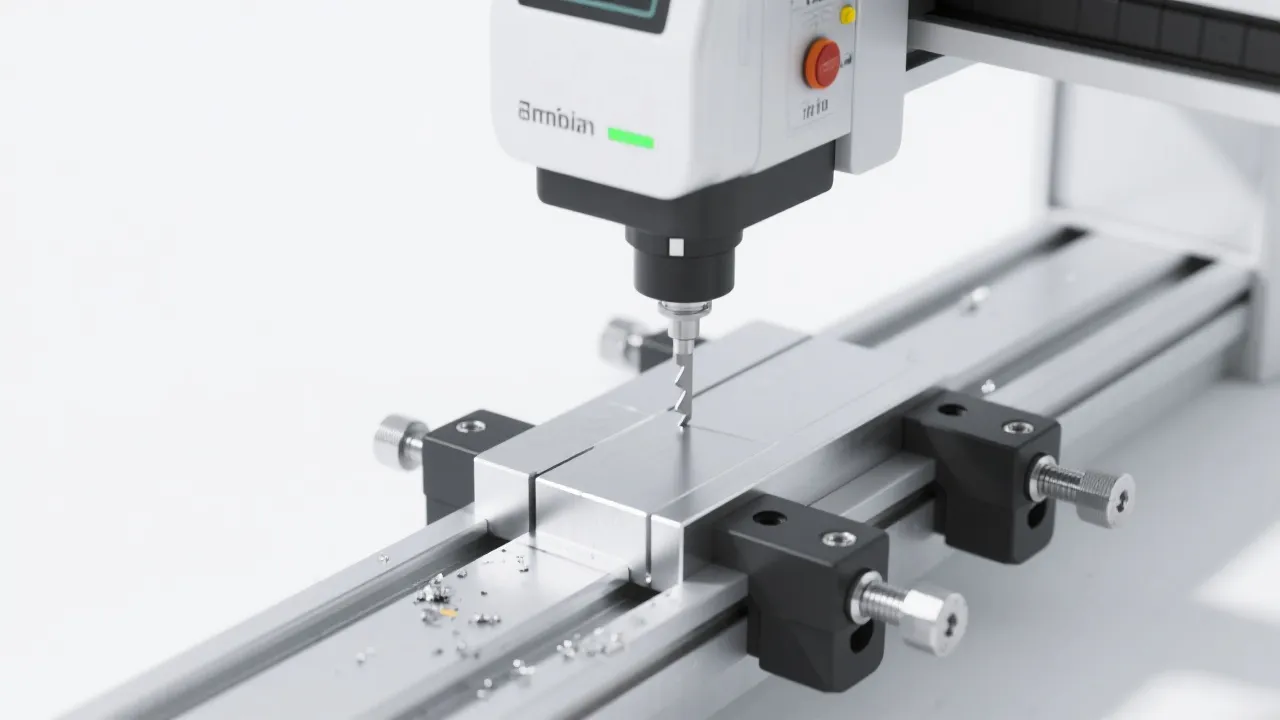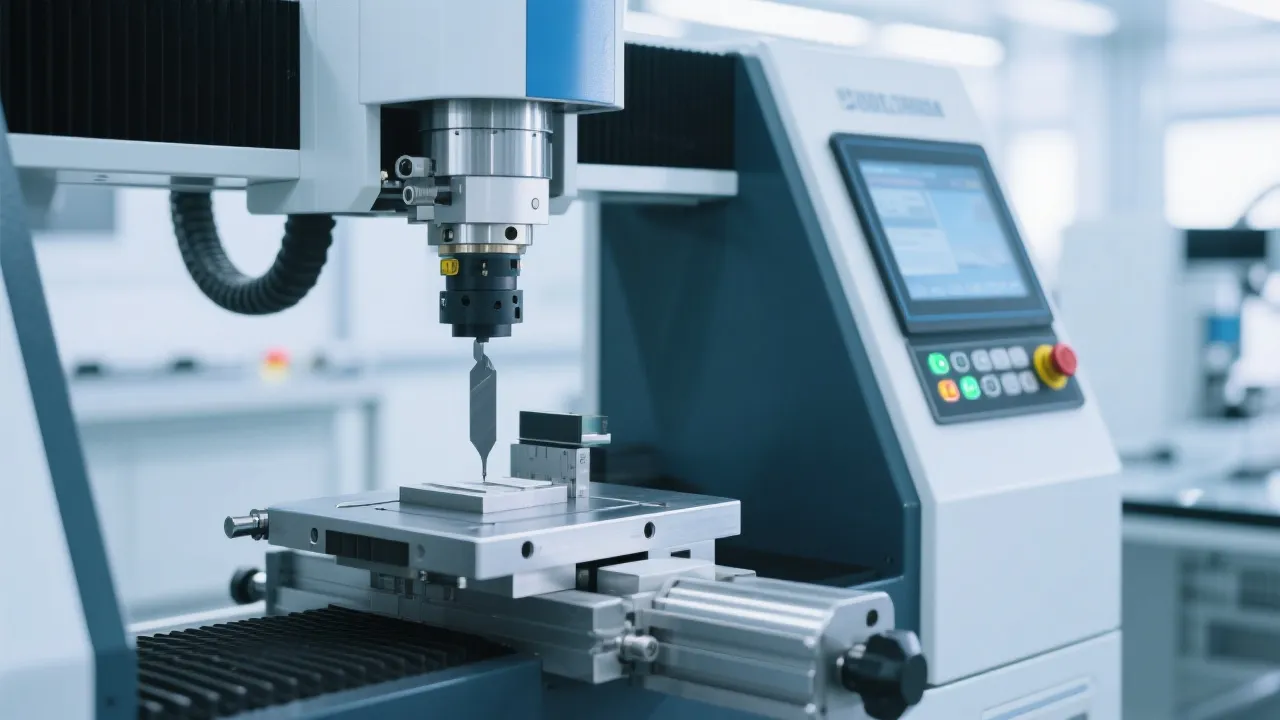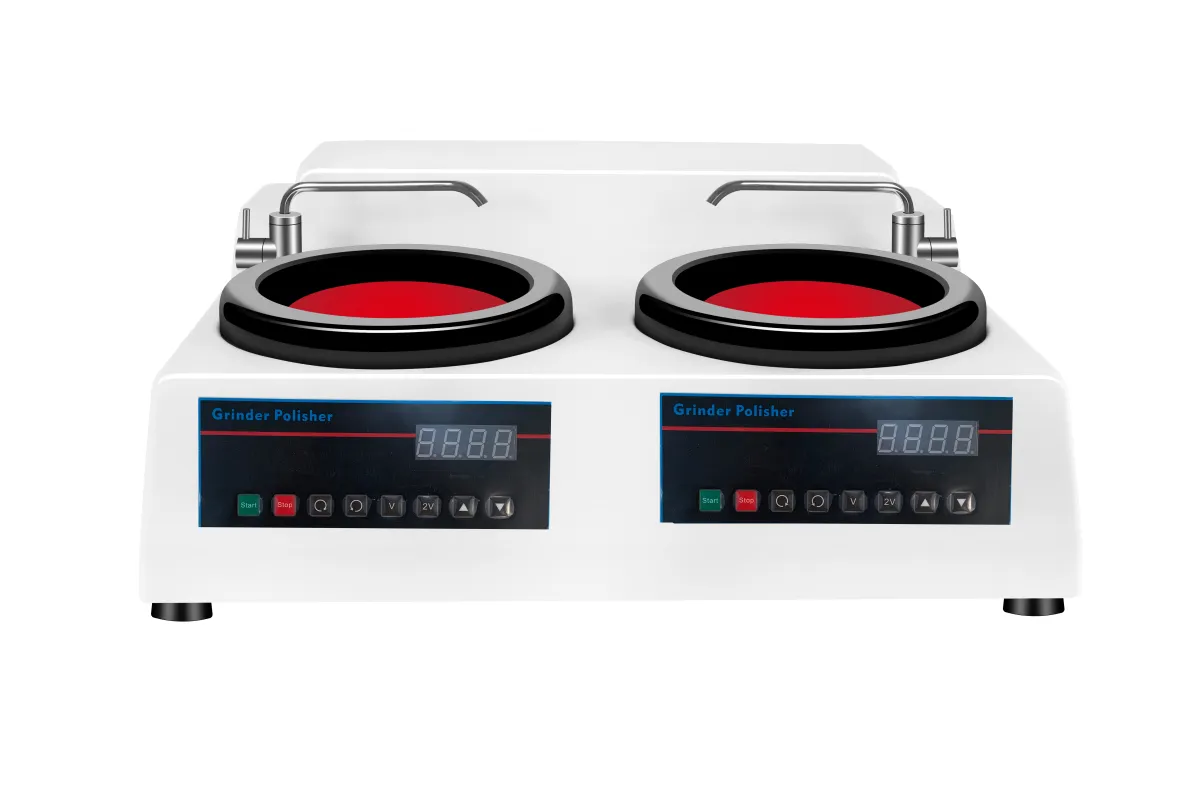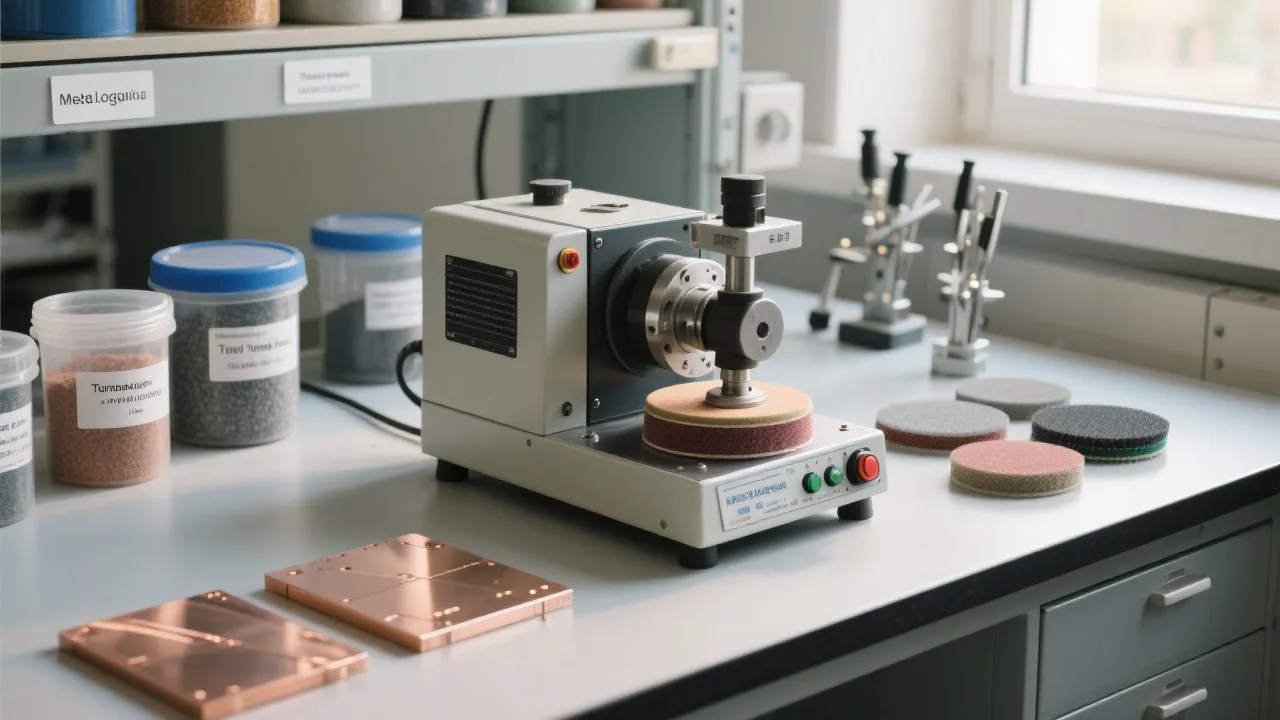
In the field of high - precision cutting, the DS - 600 high - precision four - clamp precision cutting machine from Jincheng has emerged as a powerful tool. This machine is capable of handling a variety of materials, including ceramics, metals, and gemstones. However, achieving optimal cutting results requires a deep understanding of feeding fine - tuning techniques.
Each material has its unique hardness and thickness, which directly affect the feeding speed and positioning points during the cutting process. For example, ceramics, with a hardness typically ranging from 7 to 9 on the Mohs scale, require a relatively slow feeding speed to prevent edge burrs and chipping. Research shows that when cutting ceramics with a thickness of 2 - 5mm, a feeding speed of 0.5 - 1.5 mm/min can significantly reduce the occurrence of defects. In contrast, metals, which are generally more ductile, can tolerate a higher feeding speed. For mild steel with a thickness of 3 - 6mm, a feeding speed of 2 - 4 mm/min may be appropriate. Gemstones, which are often cut for high - end applications, demand extremely precise control. Even a small deviation in feeding speed can affect the final quality of the gemstone. For gemstones with a hardness above 8 on the Mohs scale and a thickness of 1 - 3mm, a feeding speed of 0.1 - 0.5 mm/min is recommended.
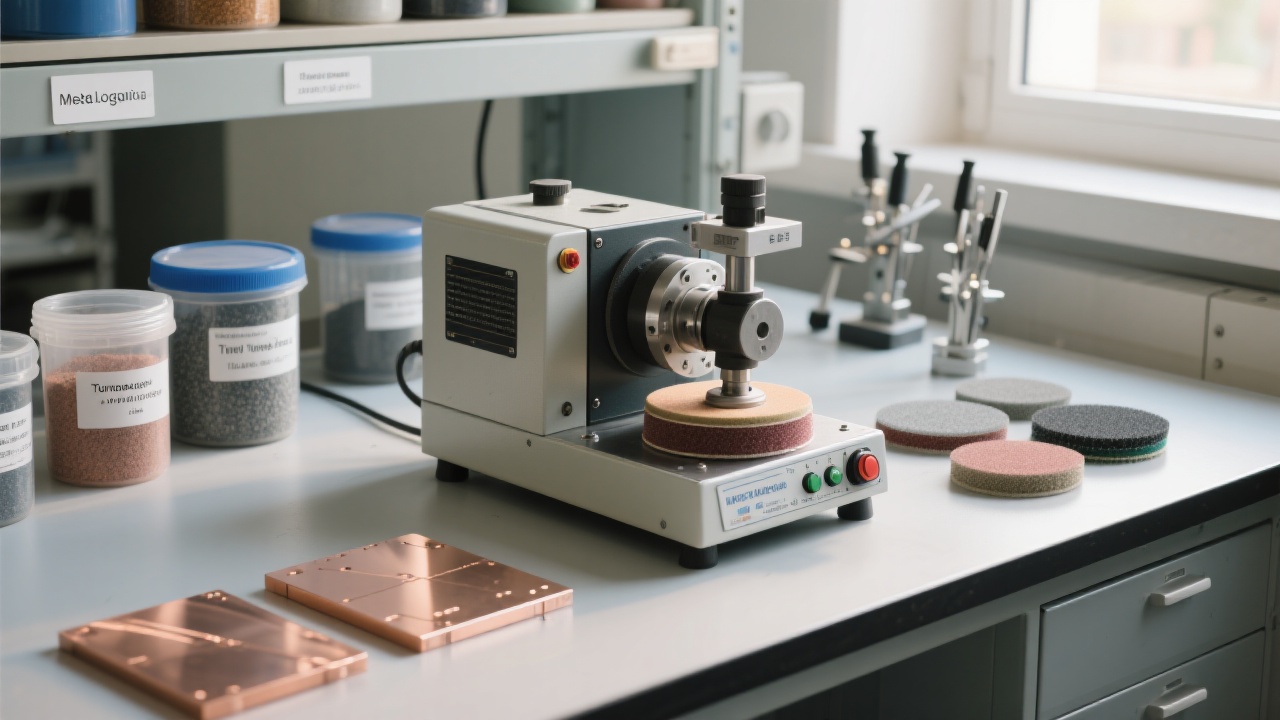
Fine - tuning the feeding position is a critical step in ensuring cutting accuracy. First, operators need to set the initial feeding position based on the material's characteristics. Then, during the trial - cutting process, they can make minor adjustments according to the cutting results. A practical approach is to use the four - clamp positioning system of the DS - 600 machine. The four - clamp design provides stable support for the material, allowing for more precise control of the feeding position. By adjusting the position of each clamp, operators can ensure that the material is properly aligned with the cutting blade, reducing the risk of uneven cutting and edge burrs.
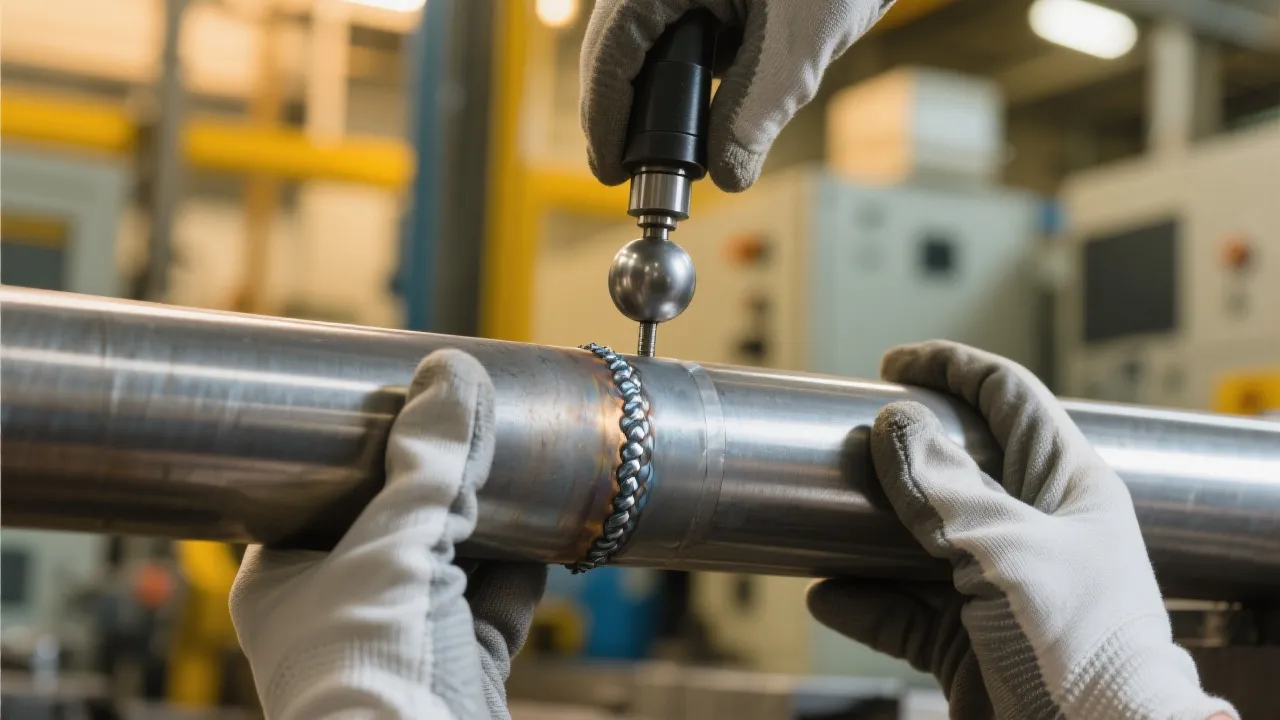
Burrs and chipping during the cutting process are mainly caused by factors such as improper feeding speed, inaccurate positioning, and dull cutting blades. When the feeding speed is too high, the cutting blade may not be able to cut through the material smoothly, resulting in burrs. Inaccurate positioning can cause the cutting blade to exert uneven pressure on the material, leading to chipping. To control these issues, it is essential to maintain a proper feeding speed and ensure accurate positioning. Regularly checking and sharpening the cutting blade can also improve cutting quality.
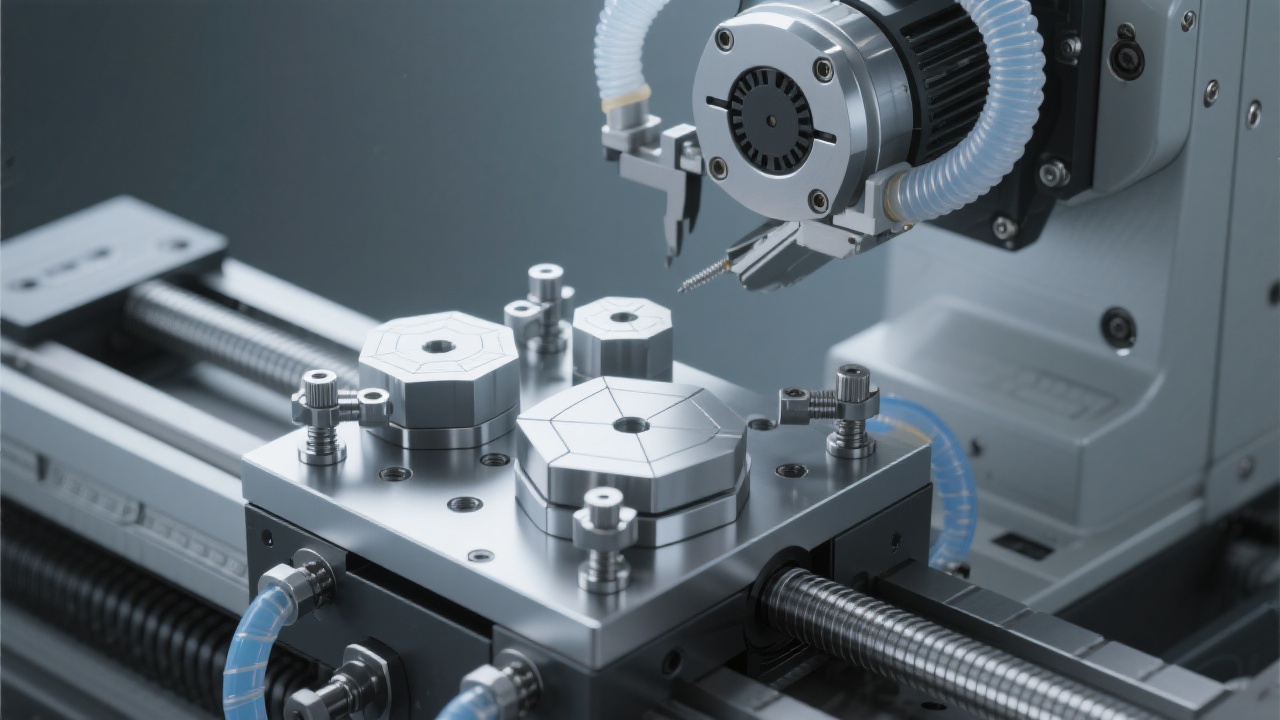
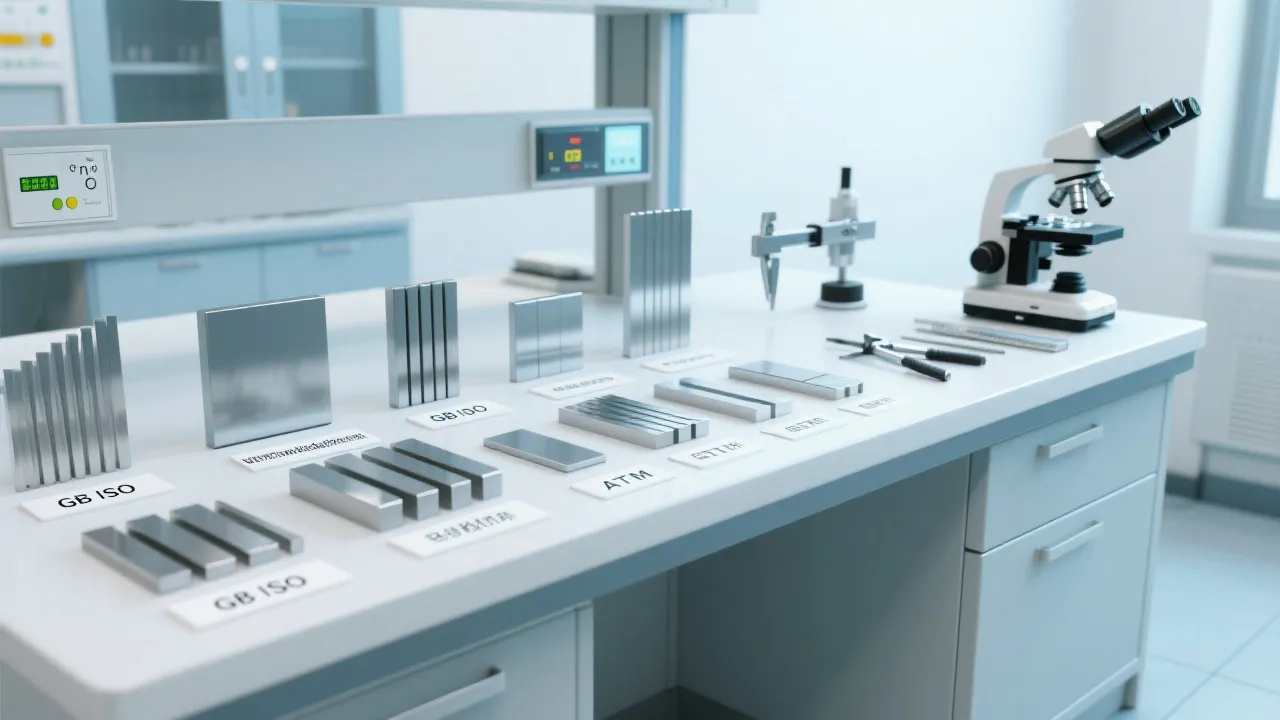
A well - established trial - cutting calibration system is crucial for achieving high - precision cutting. The process typically involves several trial cuts with different feeding parameters. After each trial cut, operators can measure the cutting results, including the surface roughness, edge quality, and dimensional accuracy. Based on these measurements, they can adjust the feeding parameters to achieve the optimal cutting effect. Additionally, an error diagnosis checklist can be used to quickly identify and resolve potential issues. For example, if the cutting surface has excessive roughness, it may indicate a problem with the feeding speed or the cutting blade. By referring to the checklist, operators can quickly determine the cause and take appropriate corrective actions.
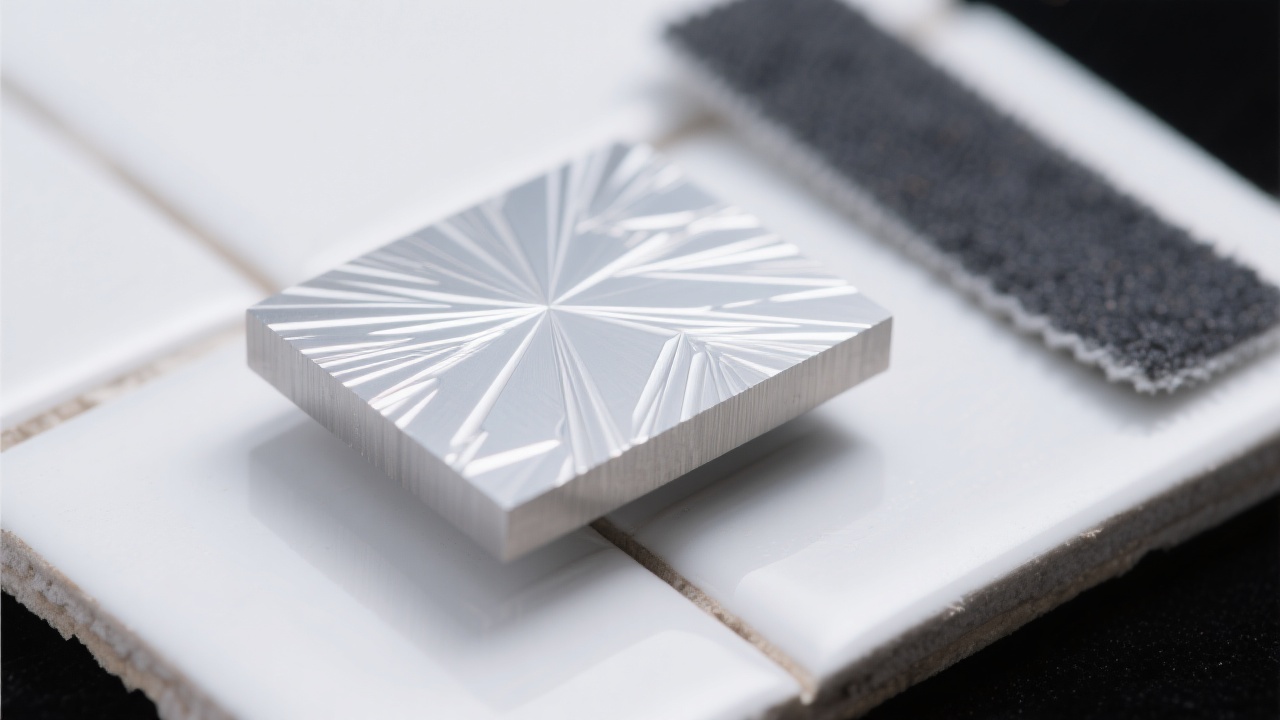
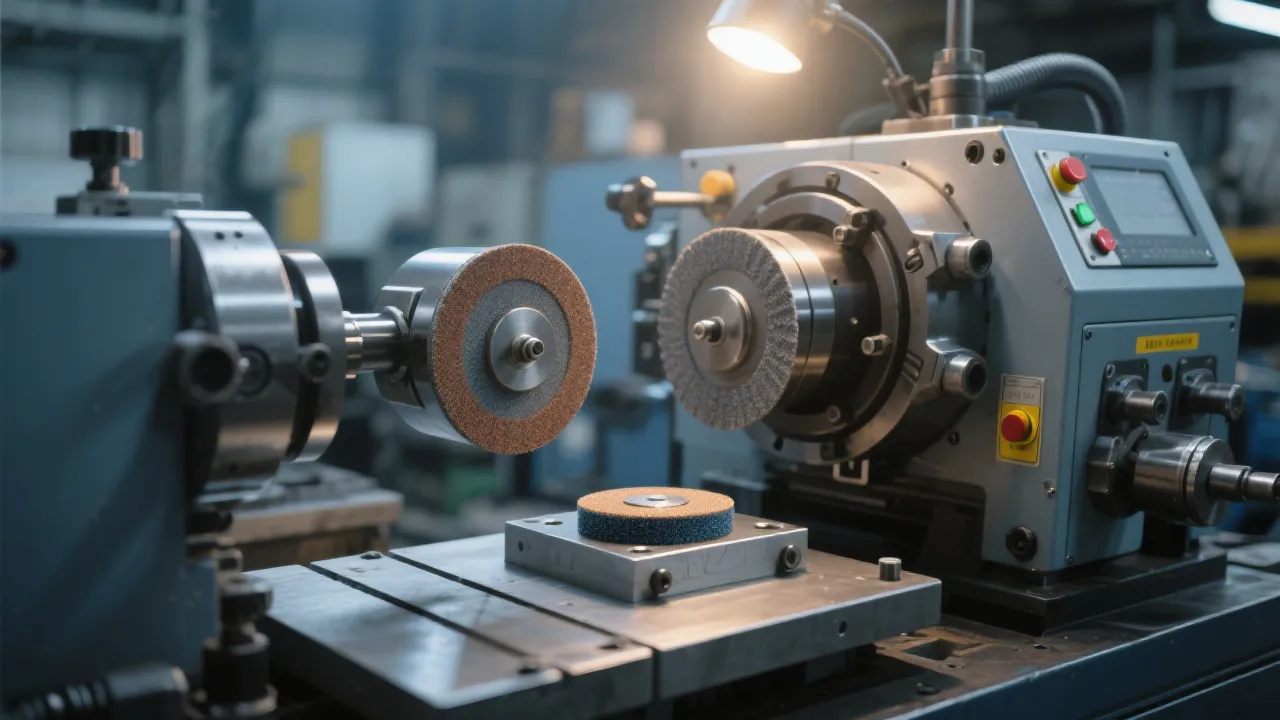
The DS - 600 machine is equipped with an automatic limit switch and an automatic stop function after cutting, which greatly enhances unattended efficiency and operational safety. These features allow the machine to operate continuously without the need for constant supervision. However, it is still necessary to perform regular inspections to ensure the normal operation of these safety features.
The DS - 600 high - precision four - clamp precision cutting machine offers great potential for high - precision cutting in various materials. By mastering the feeding fine - tuning techniques, operators can significantly improve cutting quality and efficiency. If you want to learn more about multi - material feeding fine - tuning techniques, download our free "Multi - Material Feeding Fine - Tuning Practical Guide" PDF now!
 Metallographic sample preparation
MP-2DE Metallographic Polishing Machine
Micro defect analysis
ASTM E3-11 standard
High-performance grinding and polishing
P-2G high-speed double-disc polisher
standardized metal sample polishing
low-noise polishing equipment
ASTM ISO polishing standards
metal sample surface flatness
metallographic cutting machine maintenance
metallographic cutting machine保养指南
metallographic cutting machine常见故障处理
metallographic cutting machine operation guide
metallographic cutting machine使用教程
Polishing machine enclosure material
Durability of metallographic specimen polishing equipment
Laboratory equipment anti - corrosion solutions
FRP polishing machine enclosure
Durability of industrial testing equipment
metallographic polishing scratch troubleshooting
gold sample preparation
MP-1B polishing machine
lab sample quality control
polishing process optimization
Metallographic sample preparation
MP-2DE Metallographic Polishing Machine
Micro defect analysis
ASTM E3-11 standard
High-performance grinding and polishing
P-2G high-speed double-disc polisher
standardized metal sample polishing
low-noise polishing equipment
ASTM ISO polishing standards
metal sample surface flatness
metallographic cutting machine maintenance
metallographic cutting machine保养指南
metallographic cutting machine常见故障处理
metallographic cutting machine operation guide
metallographic cutting machine使用教程
Polishing machine enclosure material
Durability of metallographic specimen polishing equipment
Laboratory equipment anti - corrosion solutions
FRP polishing machine enclosure
Durability of industrial testing equipment
metallographic polishing scratch troubleshooting
gold sample preparation
MP-1B polishing machine
lab sample quality control
polishing process optimization