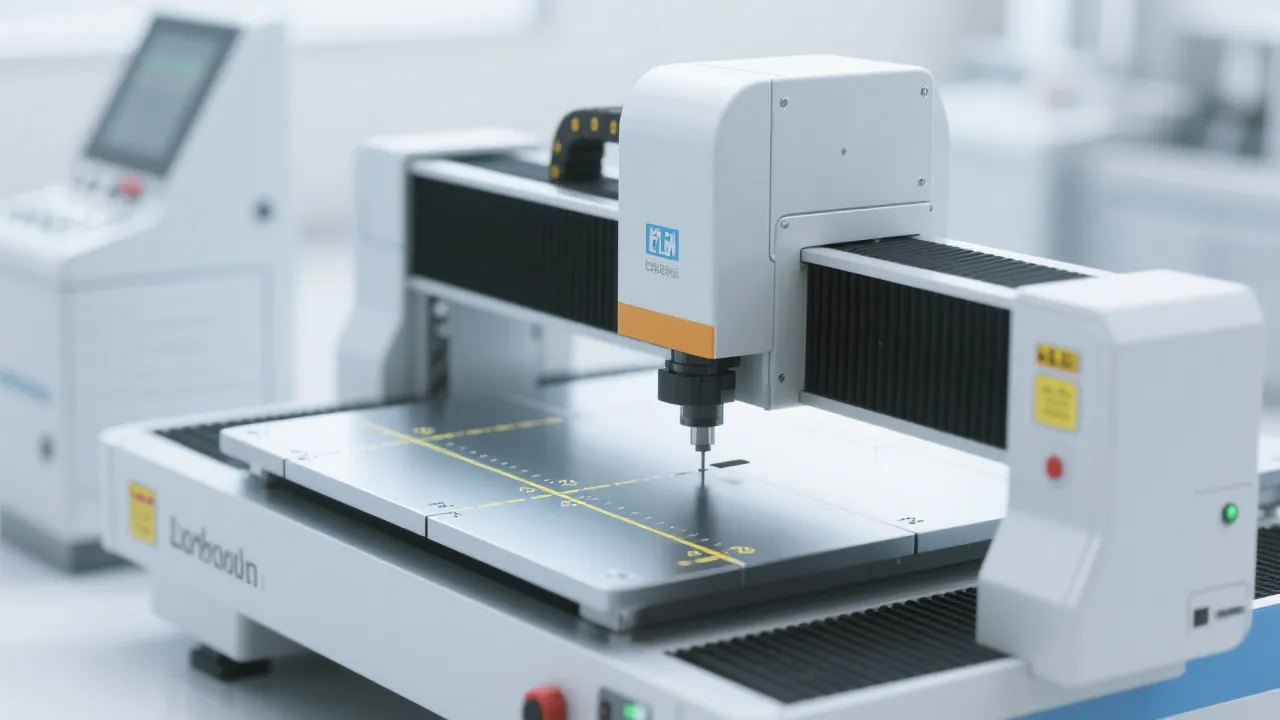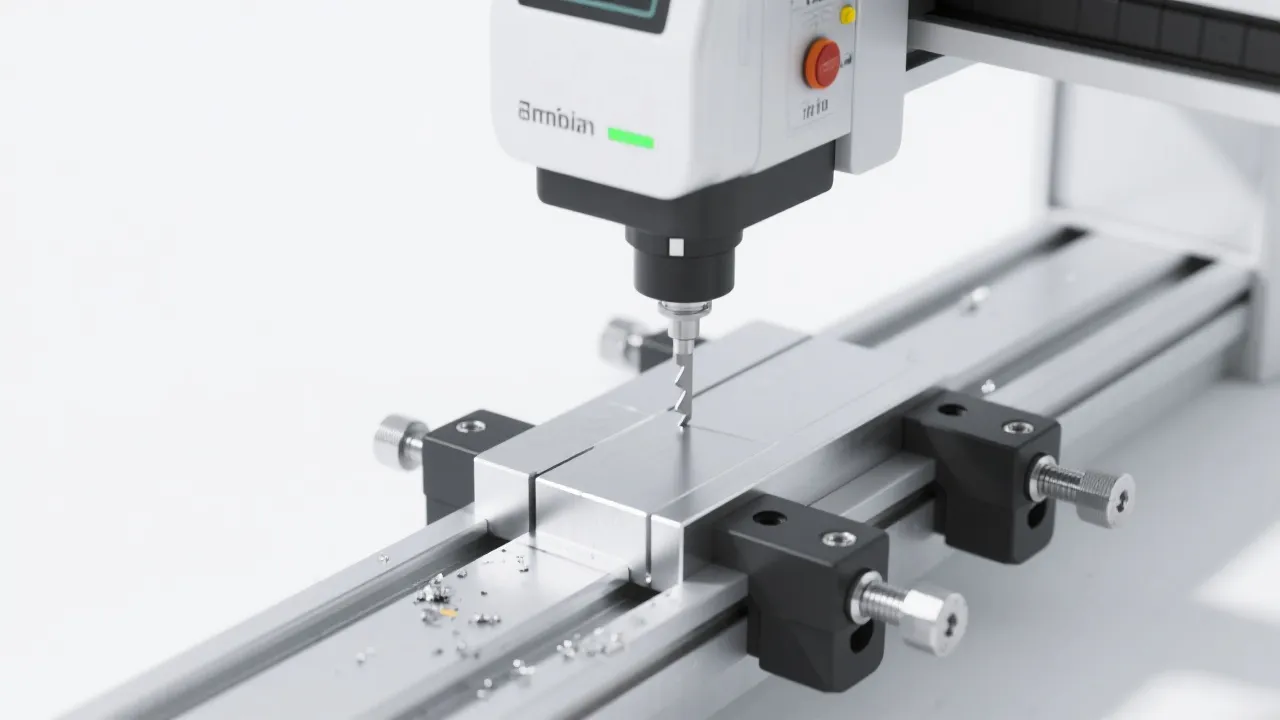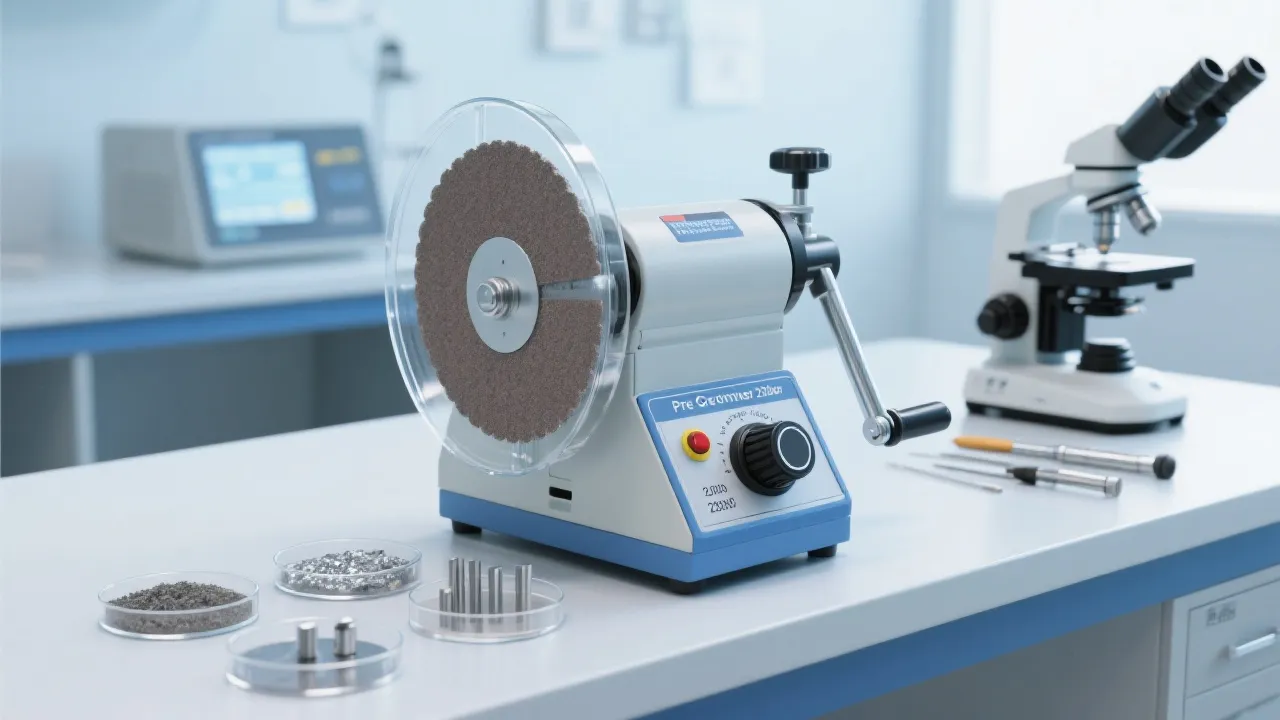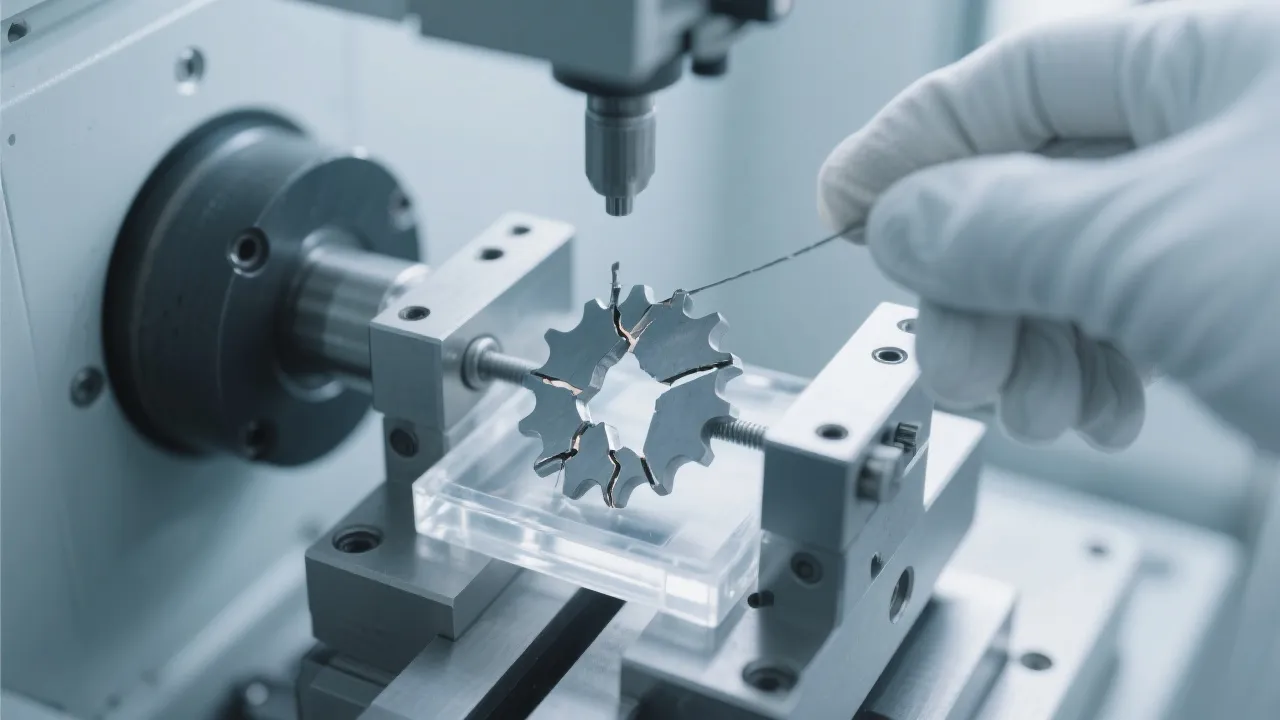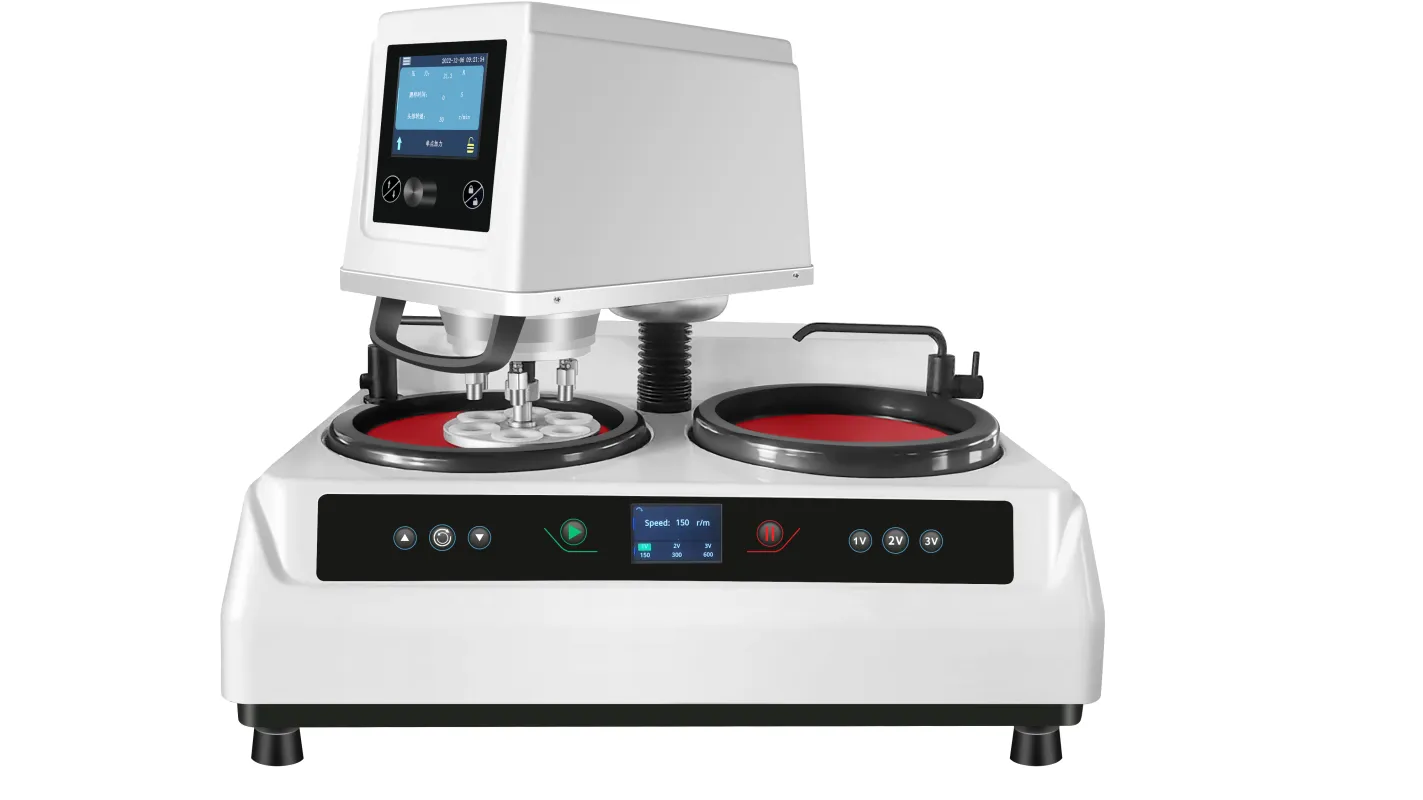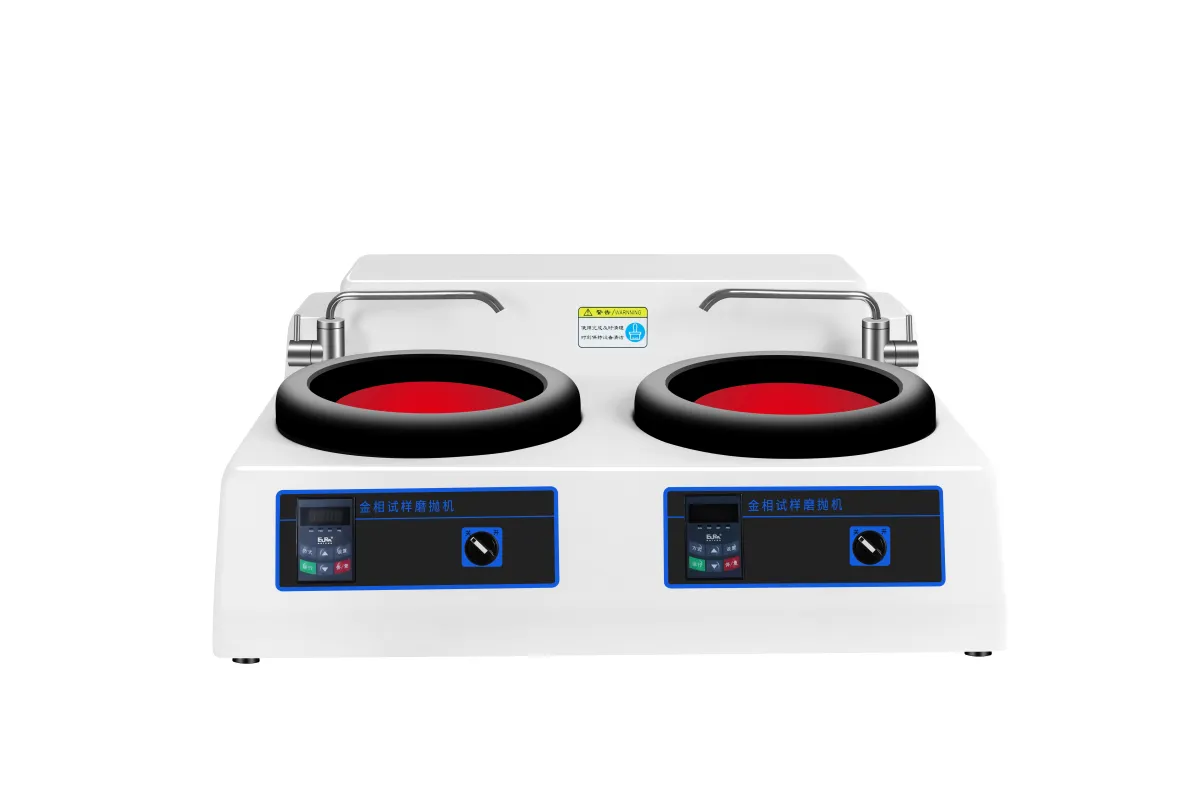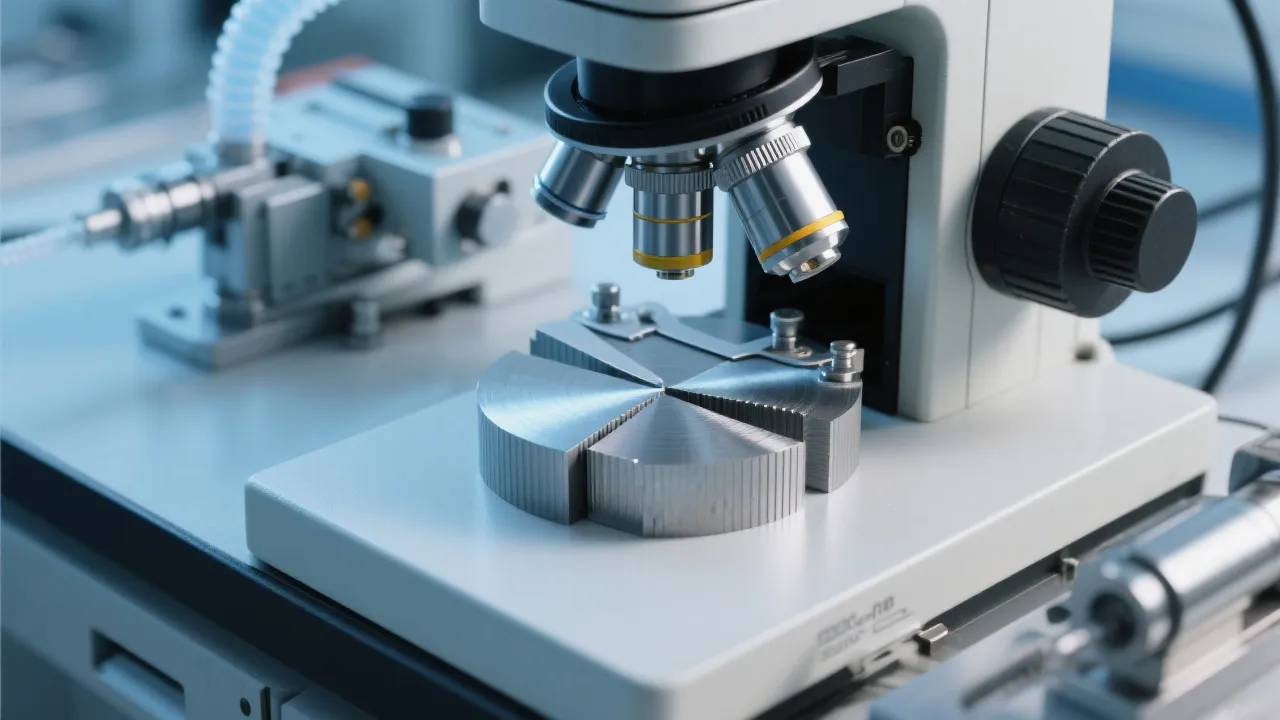
In the process of ceramic cutting, you may often encounter issues such as burrs and chipping. These problems not only affect the surface quality of the ceramic products but also have a negative impact on subsequent processing. For example, burrs can cause scratches on other parts during assembly, and chipping can lead to dimensional inaccuracies, reducing the overall quality and performance of the final product.
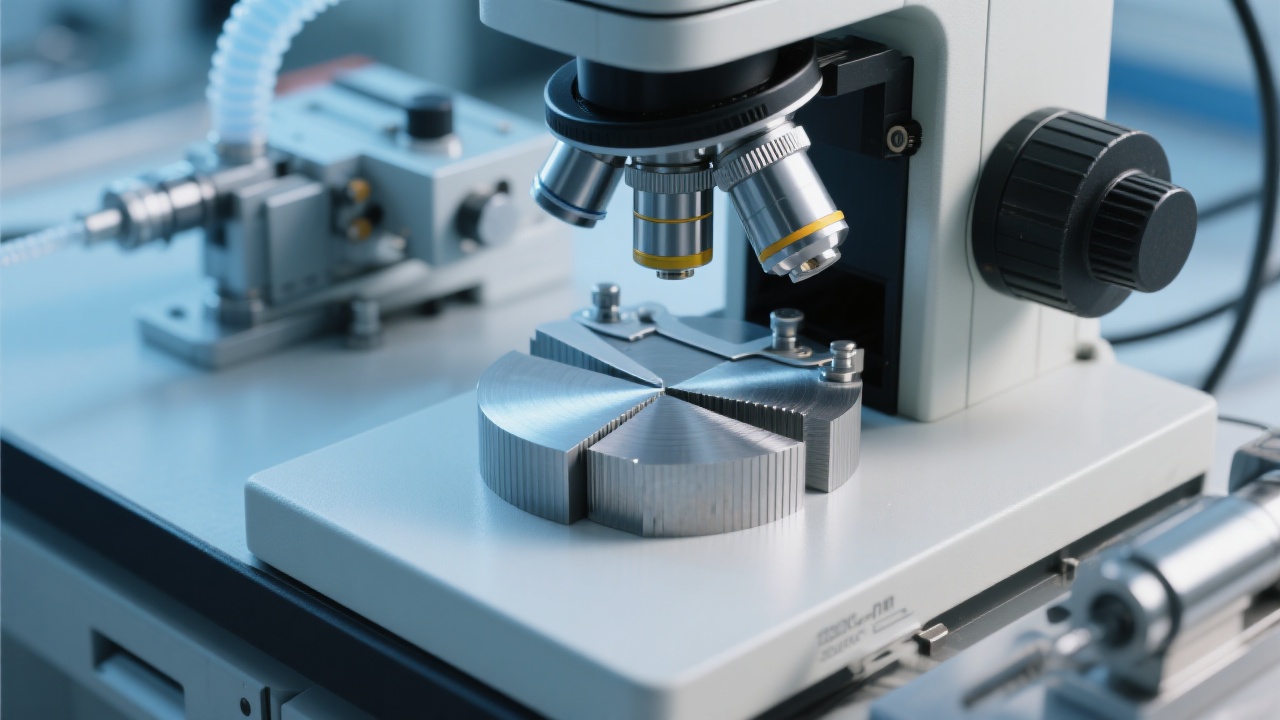
The root cause of burrs and chipping in ceramic cutting is often the mismatch of feeding parameters. When the feeding speed is too fast or the initial positioning point is inaccurate, it can cause uneven stress on the ceramic material during cutting, resulting in burrs and chipping. For instance, if the feeding speed is too high for a brittle ceramic material, it is more likely to cause chipping.
Ceramics are brittle materials. When cutting ceramics, you need to set a relatively low feeding speed. Generally, for common ceramic materials, a feeding speed of 5 - 10 mm/min is recommended. At the same time, accurately adjust the initial positioning point to ensure that the cutting force is evenly distributed on the ceramic surface.
Metals have different properties from ceramics. They are more ductile. For metal cutting, you can set a higher feeding speed, usually around 15 - 25 mm/min. However, you also need to consider the hardness of the metal. Harder metals may require a slightly lower feeding speed.
Gems are precious materials with high requirements for cutting accuracy. When cutting gems, the feeding speed should be extremely low, about 2 - 5 mm/min. And the initial positioning point needs to be adjusted with high precision to ensure the integrity and accuracy of the gem cutting.
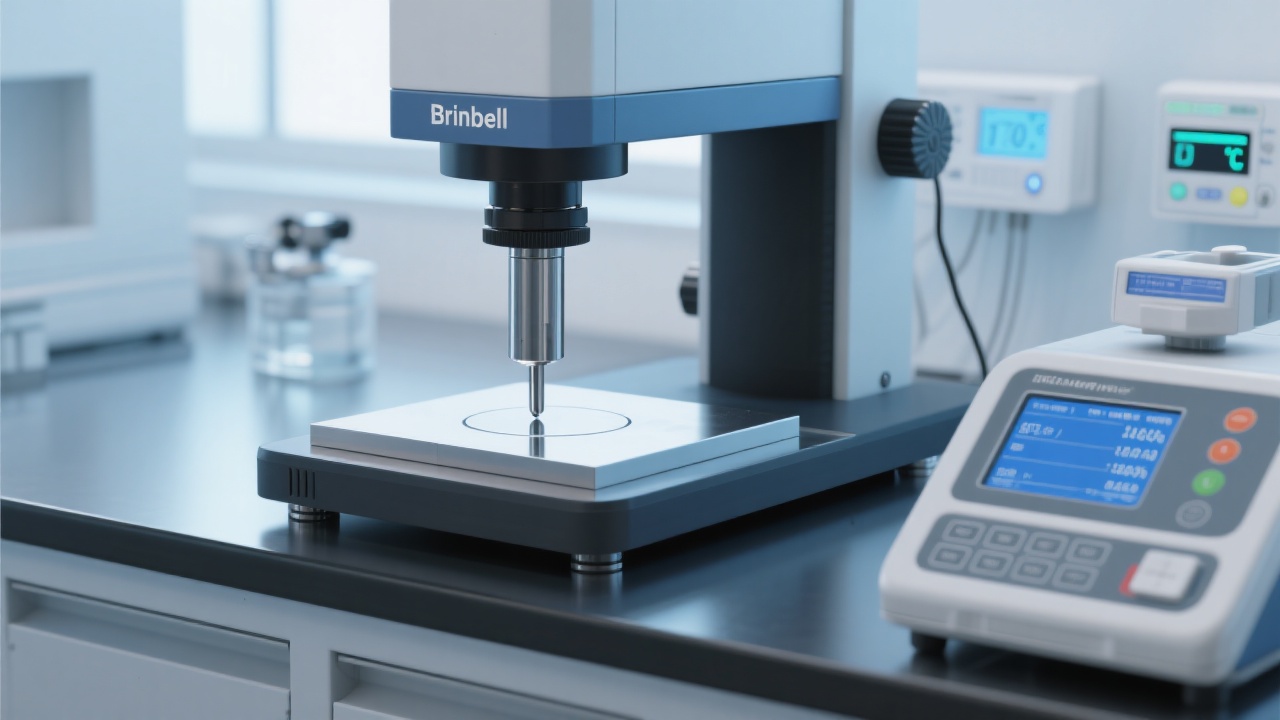
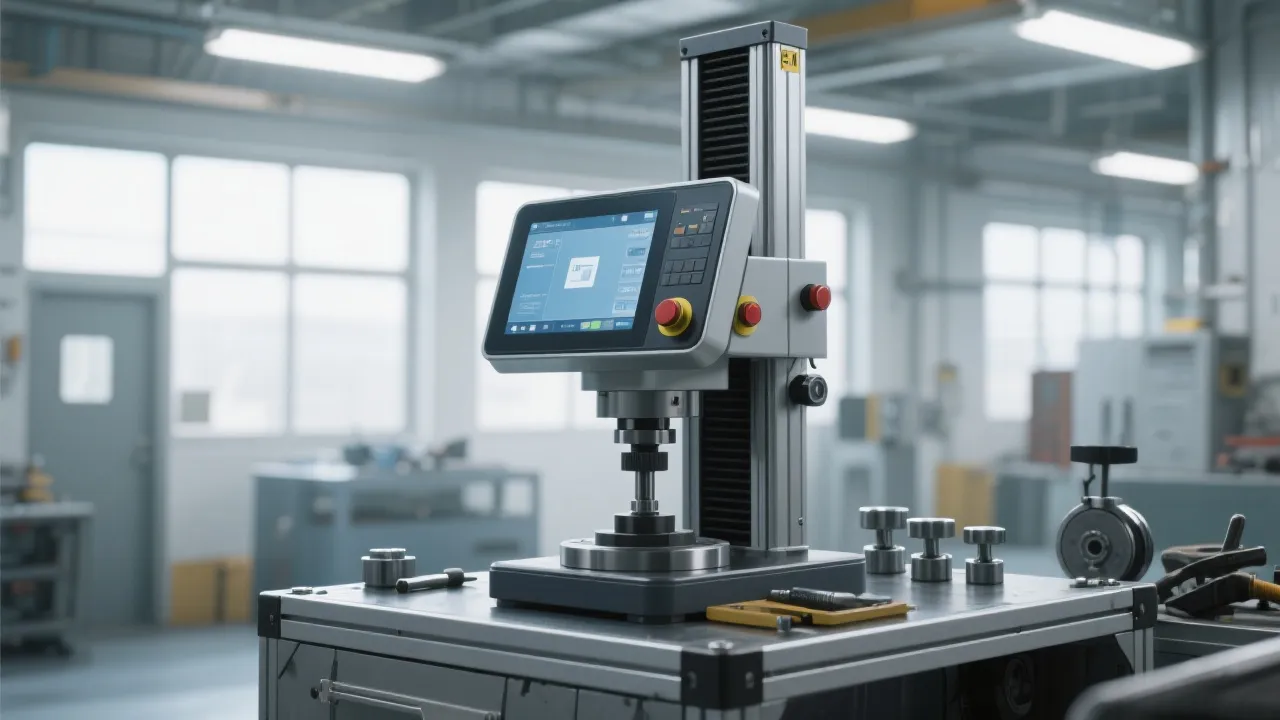
The DS - 600 high - precision four - fixture precision cutting machine comes with a preset parameter library. You can select the appropriate parameters according to the material type. For example, if you are cutting ceramics, you can directly select the ceramic cutting parameters in the library.
Before formal cutting, it is necessary to conduct test - cutting calibration. First, set the initial parameters according to the material type. Then, perform a test cut on a small piece of the same material. Observe the cutting effect, including the presence of burrs and chipping, and the flatness of the cutting surface. Adjust the parameters based on the observation results until the ideal cutting effect is achieved.
Here is an error diagnosis checklist for you:
The DS - 600 cutting machine is equipped with an automatic stop function and a stable fixture system. The automatic stop function can stop the cutting operation in case of abnormal situations, ensuring safety. The stable fixture system can keep the material in a stable position during cutting, improving cutting accuracy and efficiency.
By mastering the fine - tuning skills of feeding position, you can significantly improve the consistency of cutting, reduce the scrap rate, and enhance the controllability of the process. This is of great significance for scientific research and high - end manufacturing users.
To help you better master these skills, we offer a PDF guide - 'Multi - Material Feeding Fine - Tuning Practical Guide'. Click the link to get it now!
 metallographic cutting machine
ASTM E3 standard
ISO 14106
manual metallography cutter
sample preparation technique
grinding and polishing equipment selection
metallographic sample preparation
MP-2DE polishing system
laboratory equipment buying guide
material analysis instruments
metallographic sample consistency
grinding and polishing equipment maintenance
metallographic preparation standardization
sample preparation repeatability improvement
laboratory equipment stability
Metallographic polishing scratch troubleshooting
Metallographic sample grinder - polisher usage skills
MP - 1B polishing fault solutions
Metallographic sample preparation
Polishing fluid contamination
grinding polishing machine maintenance
laboratory equipment care
extend equipment lifespan
variable speed system calibration
durable polishing machine upkeep
metallographic cutting machine
ASTM E3 standard
ISO 14106
manual metallography cutter
sample preparation technique
grinding and polishing equipment selection
metallographic sample preparation
MP-2DE polishing system
laboratory equipment buying guide
material analysis instruments
metallographic sample consistency
grinding and polishing equipment maintenance
metallographic preparation standardization
sample preparation repeatability improvement
laboratory equipment stability
Metallographic polishing scratch troubleshooting
Metallographic sample grinder - polisher usage skills
MP - 1B polishing fault solutions
Metallographic sample preparation
Polishing fluid contamination
grinding polishing machine maintenance
laboratory equipment care
extend equipment lifespan
variable speed system calibration
durable polishing machine upkeep