
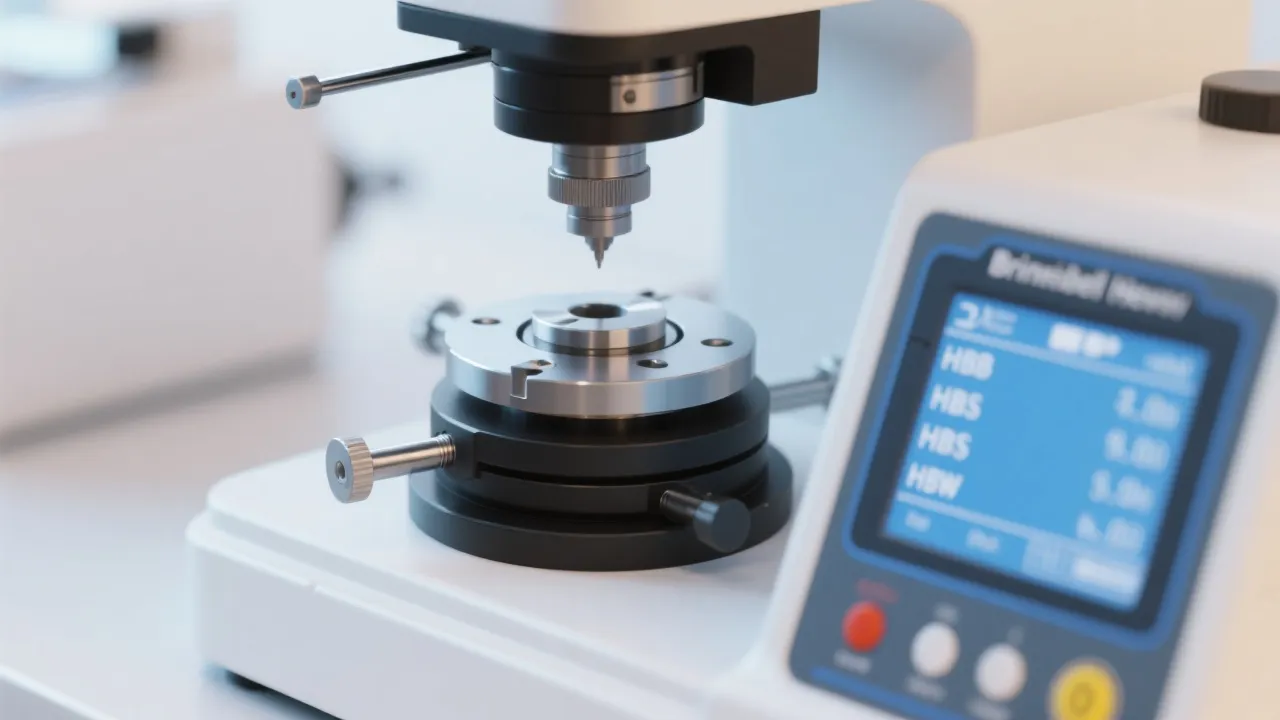
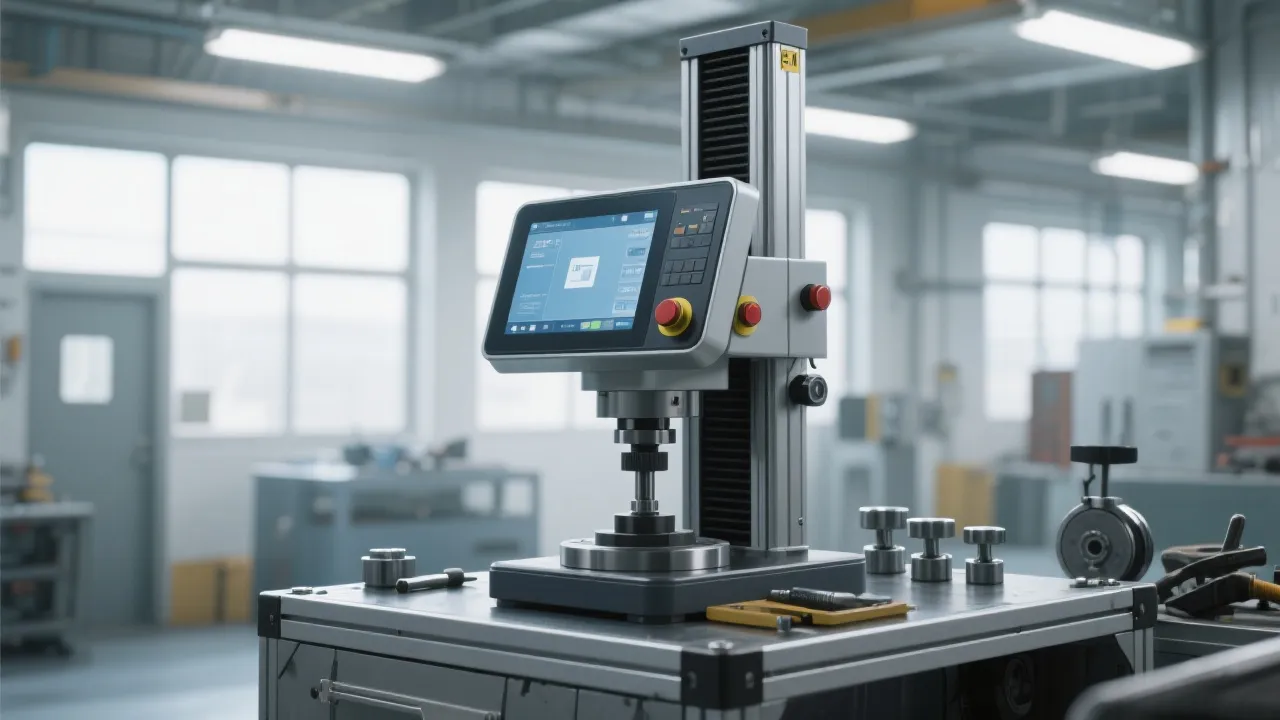
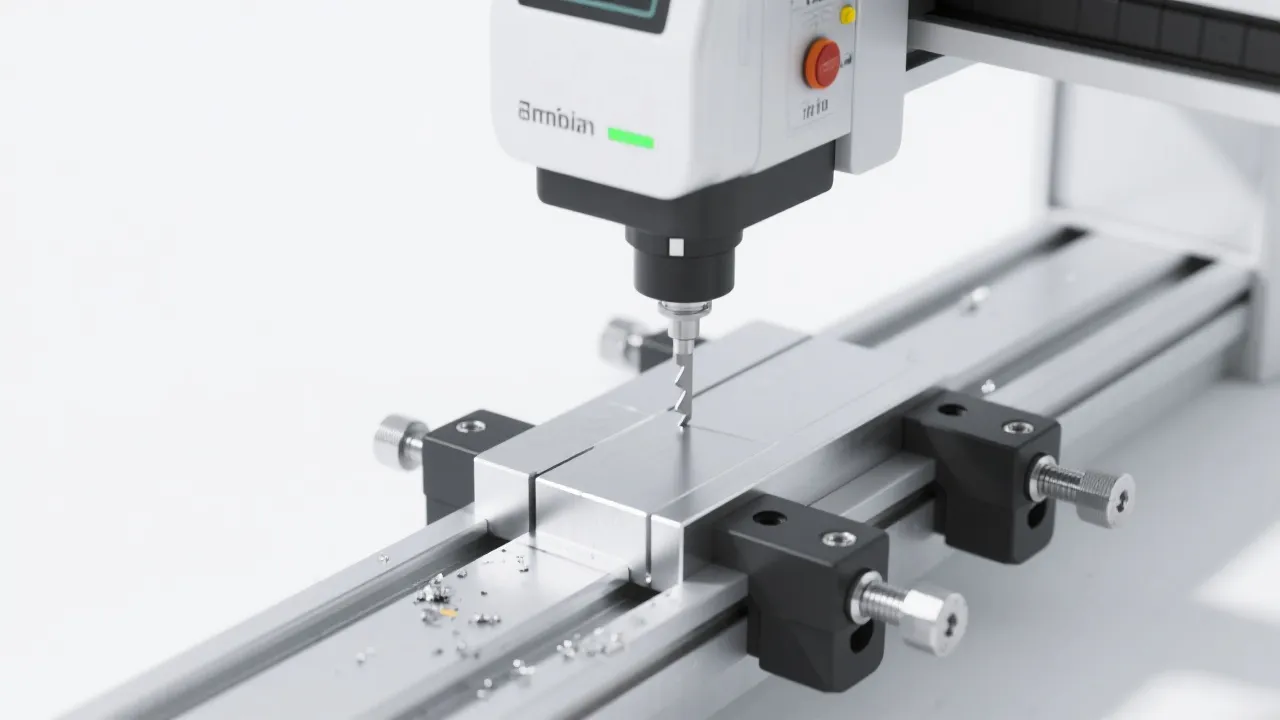
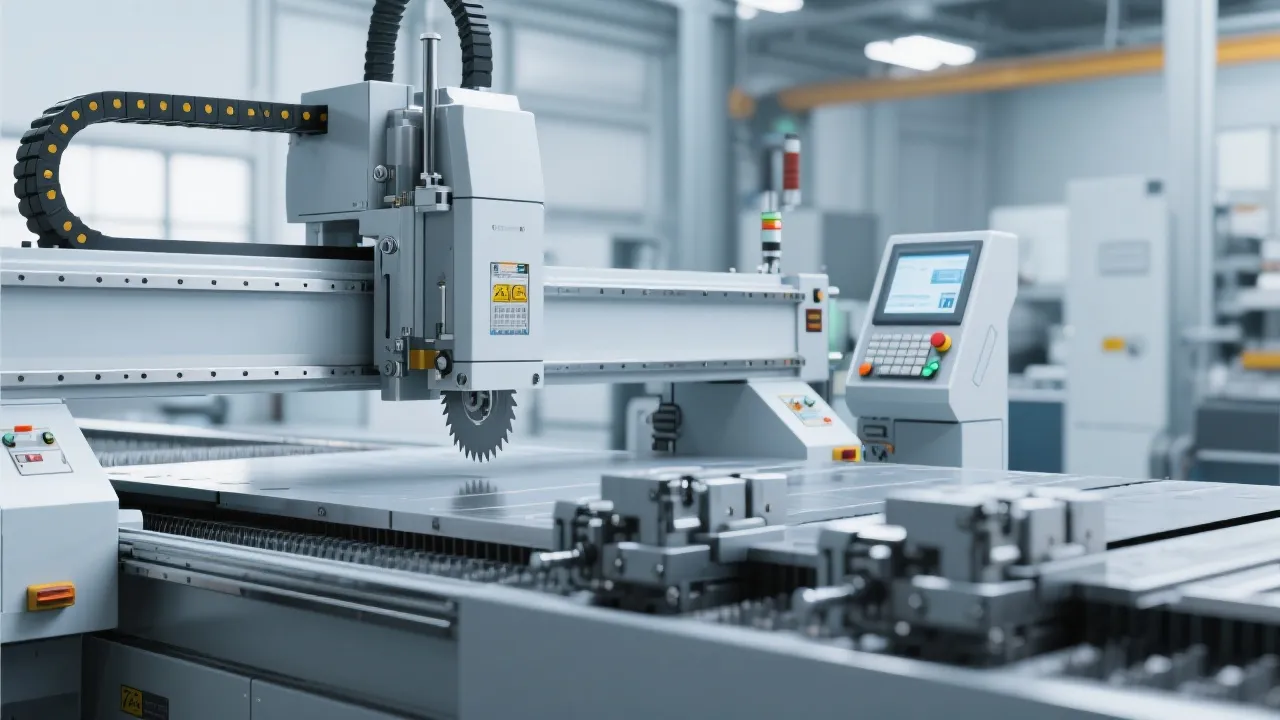
For lab technicians and quality control engineers working with metals and non-metallic materials, precision in sample preparation isn’t just a goal—it’s a requirement. Whether you're analyzing stainless steel welds or ceramic composites, the first step to accurate microstructure evaluation lies in how you cut your specimen. That’s where the Q-2 Manual Metallographic Saw comes in—a reliable tool when used correctly under ASTM E3 and ISO 14106 standards.
According to industry data, over 40% of failed metallographic tests stem from improper sample preparation—not poor microscopy or analysis. The key? Adhering to internationally recognized protocols like ASTM E3 (which outlines best practices for metallography) and ISO 14106 (for metallic materials). These standards specify that cutting speed, coolant flow rate, and blade selection must be tailored to each material type—otherwise, heat damage or edge deformation can compromise results.
“A well-prepared sample is half the battle.” — ASTM E3, Section 5.2
For example, aluminum alloys require lower cutting speeds (typically 50–70 rpm) and continuous cooling to prevent melting at the cut interface. In contrast, hardened steels need higher blade tension and precise feed control to avoid chatter marks—a common cause of misinterpretation during phase identification.
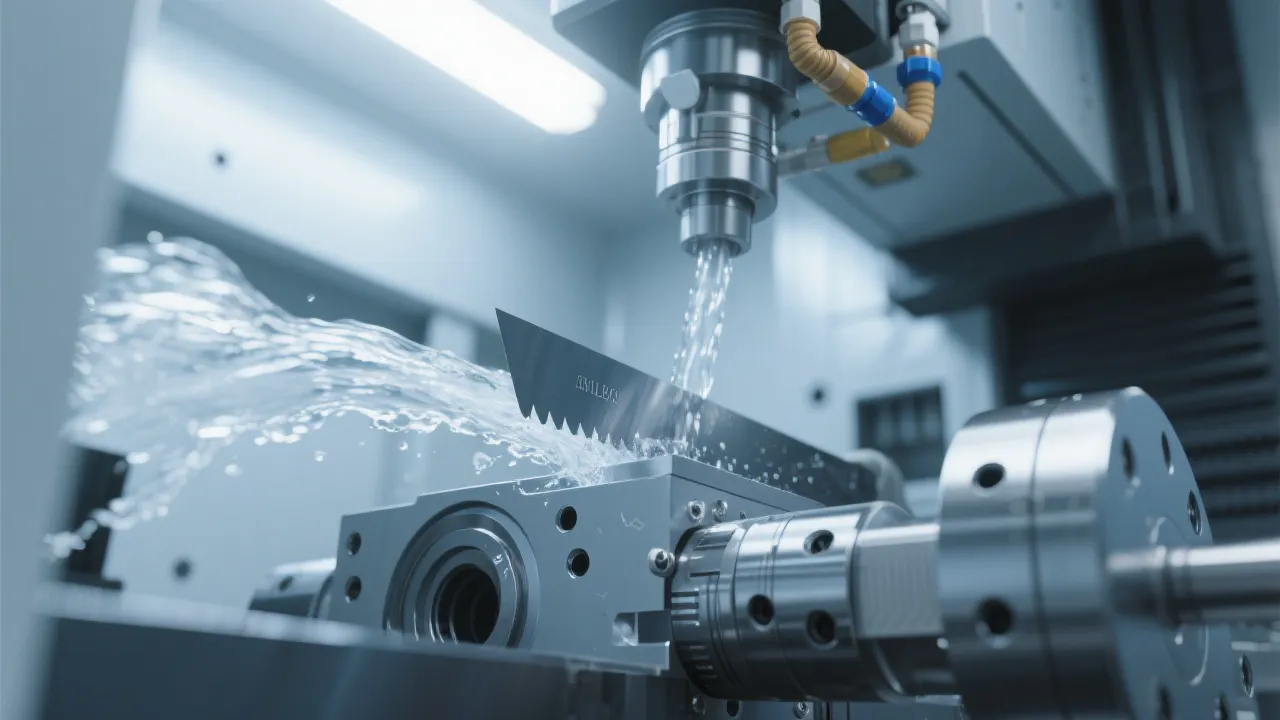
A properly maintained cooling system reduces thermal stress by up to 70%, according to internal testing by leading materials labs. But many users overlook simple maintenance steps like checking pump pressure (should be between 2–3 bar) or replacing filters every 3 months. When coolant flow drops below 1 L/min, surface defects increase exponentially—especially in brittle materials like ceramics.
Your equipment may be stopping mid-cut not because of a faulty motor—but because it’s overheating due to clogged nozzles. If this sounds familiar, take a moment to inspect your coolant lines before assuming the machine needs repair.
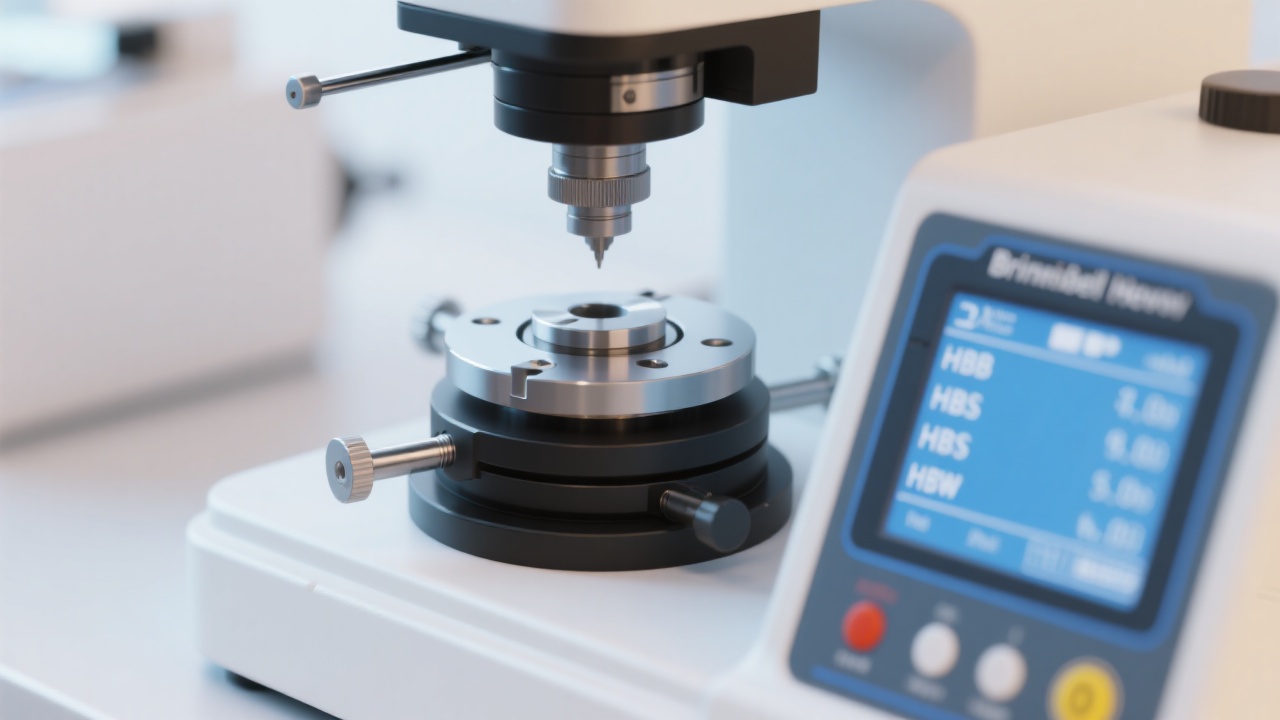
We surveyed 25+ industrial labs using Q-2 models across Europe, Asia, and North America—and found that consistent performance hinges on two habits:
One engineer in Germany noted: “Before we started tracking blade wear, our samples had inconsistent grain boundaries. Now we log every cut—we’ve reduced rework by nearly 60%.”
Whether you’re setting up a new lab or optimizing an existing workflow, mastering the basics of gold standard operation ensures both compliance and confidence. From selecting the right blade to maintaining coolant efficiency, small actions lead to big outcomes.
Ready to elevate your sample prep game?
Let Every Cut Be Precise — Start with the Right Equipment metallographic cutting machine maintenance
metallographic cutting machine保养指南
metallographic cutting machine常见故障处理
metallographic cutting machine operation guide
metallographic cutting machine使用教程
P-2G high-speed double-disc polisher
standardized metal sample polishing
low-noise polishing equipment
ASTM ISO polishing standards
metal sample surface flatness
MP-1B polishing machine troubleshooting
metallographic polishing scratch removal
polishing pad maintenance for metallurgical samples
variable speed polishing machine usage
gold standard metallography preparation
metallographic cutting technology
research data credibility
intelligent constant-temperature cooling
SQ-60 sample cutting machine
precise sample preparation
metallographic grinding machine operation guide
touchscreen metallographic equipment tutorial
four-level constant speed grinding techniques
metallographic sample preparation for beginners
sample grinding process
metallographic cutting machine maintenance
metallographic cutting machine保养指南
metallographic cutting machine常见故障处理
metallographic cutting machine operation guide
metallographic cutting machine使用教程
P-2G high-speed double-disc polisher
standardized metal sample polishing
low-noise polishing equipment
ASTM ISO polishing standards
metal sample surface flatness
MP-1B polishing machine troubleshooting
metallographic polishing scratch removal
polishing pad maintenance for metallurgical samples
variable speed polishing machine usage
gold standard metallography preparation
metallographic cutting technology
research data credibility
intelligent constant-temperature cooling
SQ-60 sample cutting machine
precise sample preparation
metallographic grinding machine operation guide
touchscreen metallographic equipment tutorial
four-level constant speed grinding techniques
metallographic sample preparation for beginners
sample grinding process






-1.jpg?x-oss-process=image/resize,h_800,m_lfit/format,webp)
