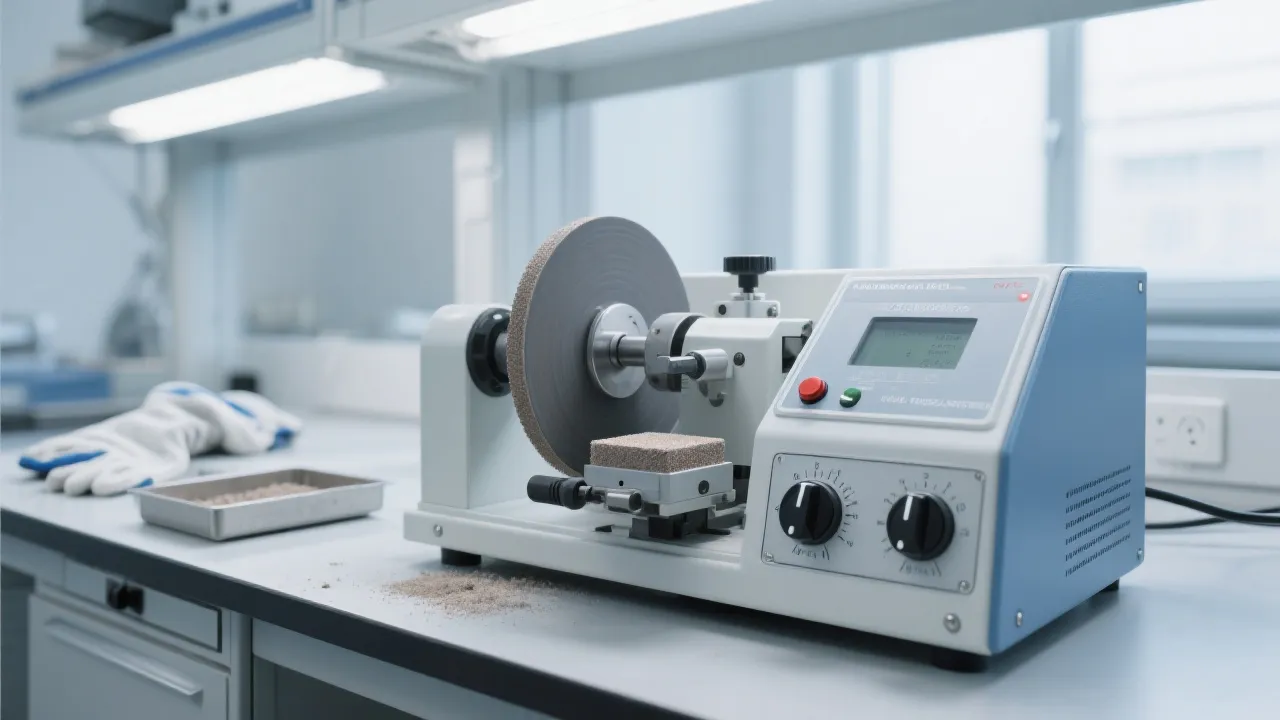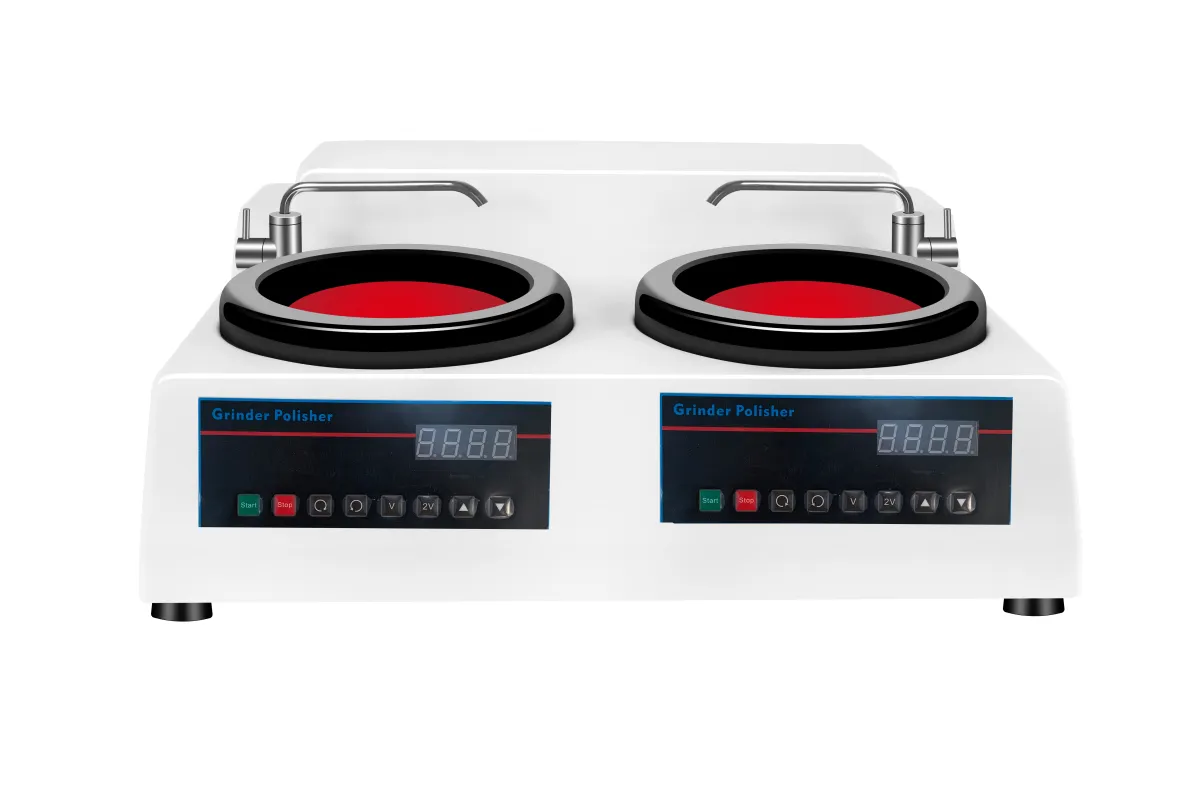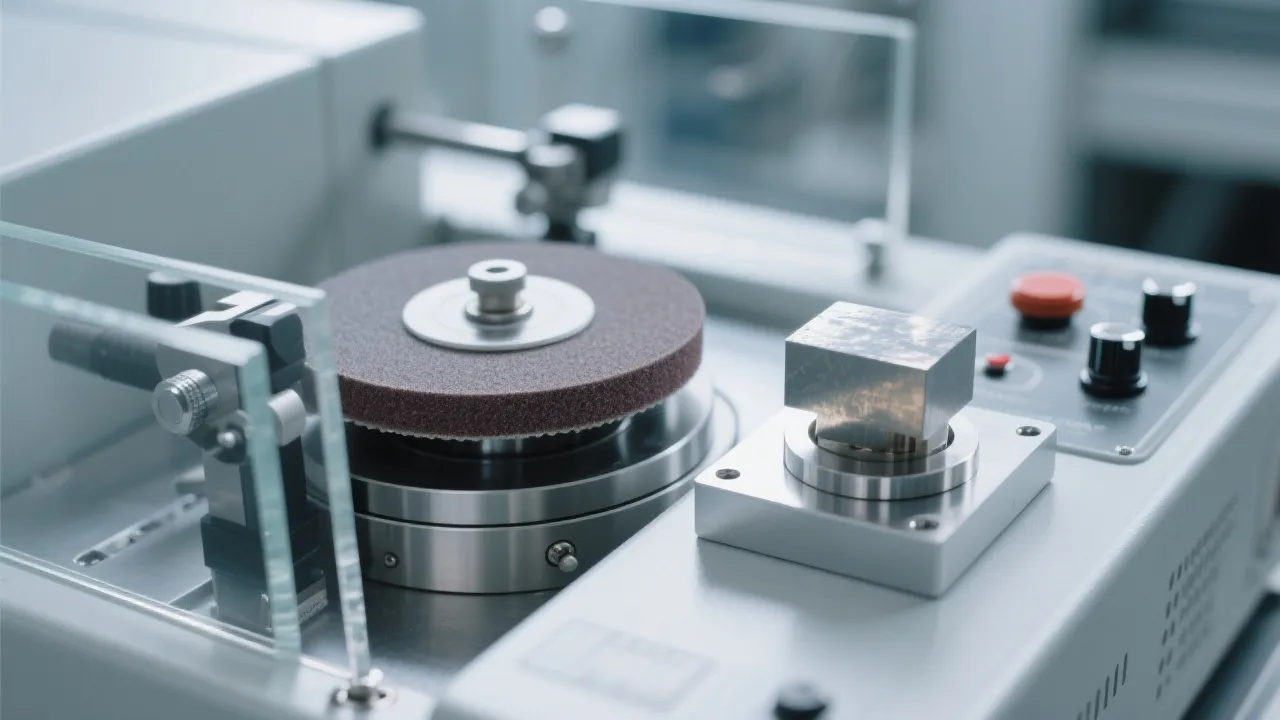
In laboratory and industrial testing environments, the choice of material for the enclosure of polishing equipment plays a crucial role. It not only affects the durability of the equipment but also has a significant impact on the efficiency and effectiveness of testing work. However, many users often fall into common misunderstandings when selecting materials, such as simply choosing based on appearance or price, without fully considering the comprehensive performance of the materials.
The actual requirements for enclosure materials in complex laboratory and industrial environments are multifaceted. They need to have excellent corrosion resistance, wear resistance, impact resistance, and low maintenance costs. For example, in laboratories where acid - base reagents are used frequently, the enclosure material must be able to withstand the erosion of these chemicals; in industrial environments with high dust, the material needs to have good wear resistance to prevent scratches and damage.
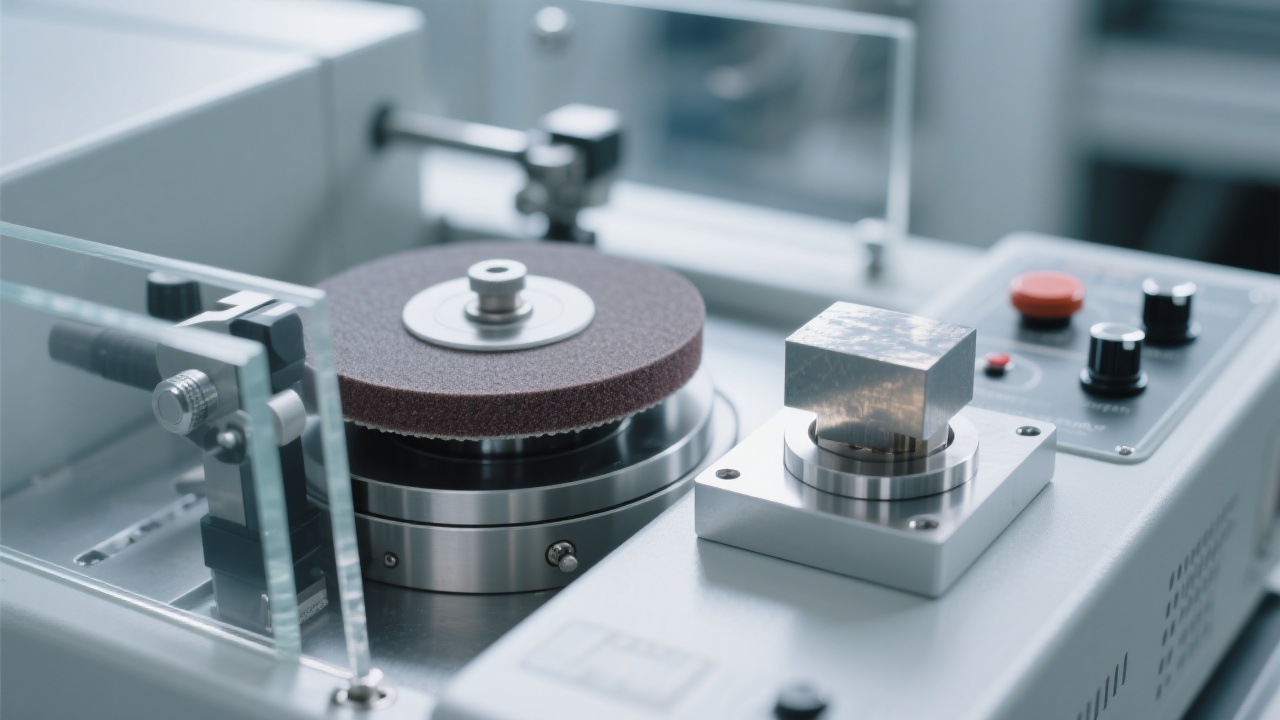
Plastic materials generally have a certain degree of corrosion resistance, but they may degrade and become brittle over time when exposed to strong acid - base environments. Stainless steel has good corrosion resistance, but in some special chemical environments, such as in the presence of chloride ions, it may still be subject to corrosion. Fiberglass, on the other hand, has excellent corrosion resistance. According to relevant test data, in an environment with a pH value ranging from 2 - 12, fiberglass can maintain its performance for more than 5 years without significant corrosion.
Plastic materials are relatively soft and are easily scratched and worn. Stainless steel has better wear resistance than plastic, but in high - dust environments, it may still show signs of wear. Fiberglass has high hardness and good wear resistance. In a simulated high - dust environment test, after 1000 hours of continuous operation, the surface wear of the fiberglass enclosure was less than 0.1mm.
Plastic materials have limited impact resistance and are prone to cracking when subjected to external impacts. Stainless steel has high strength and good impact resistance, but it is relatively heavy. Fiberglass has a good balance between light weight and impact resistance. It can withstand an impact force of up to 50J without cracking, which is very suitable for laboratory and industrial environments where equipment may be accidentally bumped.
The maintenance of plastic enclosures is relatively simple, but due to its relatively short service life, the replacement cost is relatively high. Stainless steel enclosures require regular cleaning and anti - rust treatment, which increases the maintenance cost. Fiberglass enclosures have low maintenance requirements. Regular cleaning can maintain its good performance, and its long service life also reduces the overall cost.
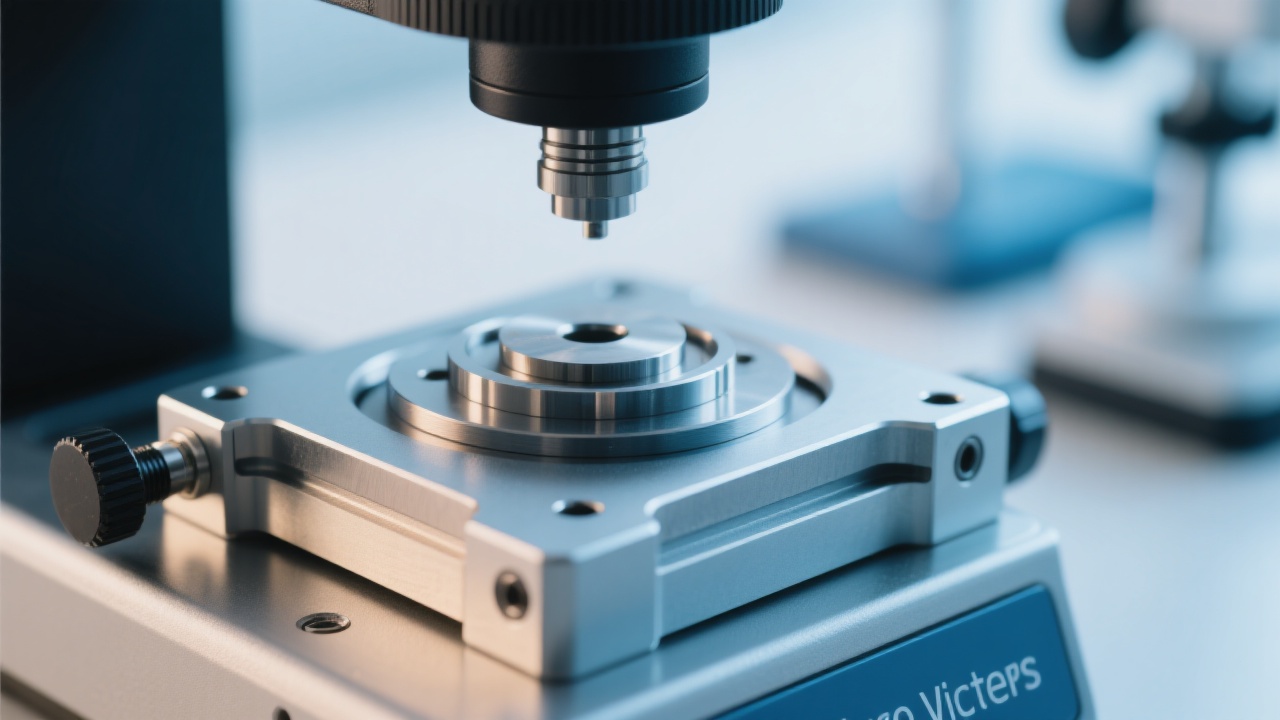
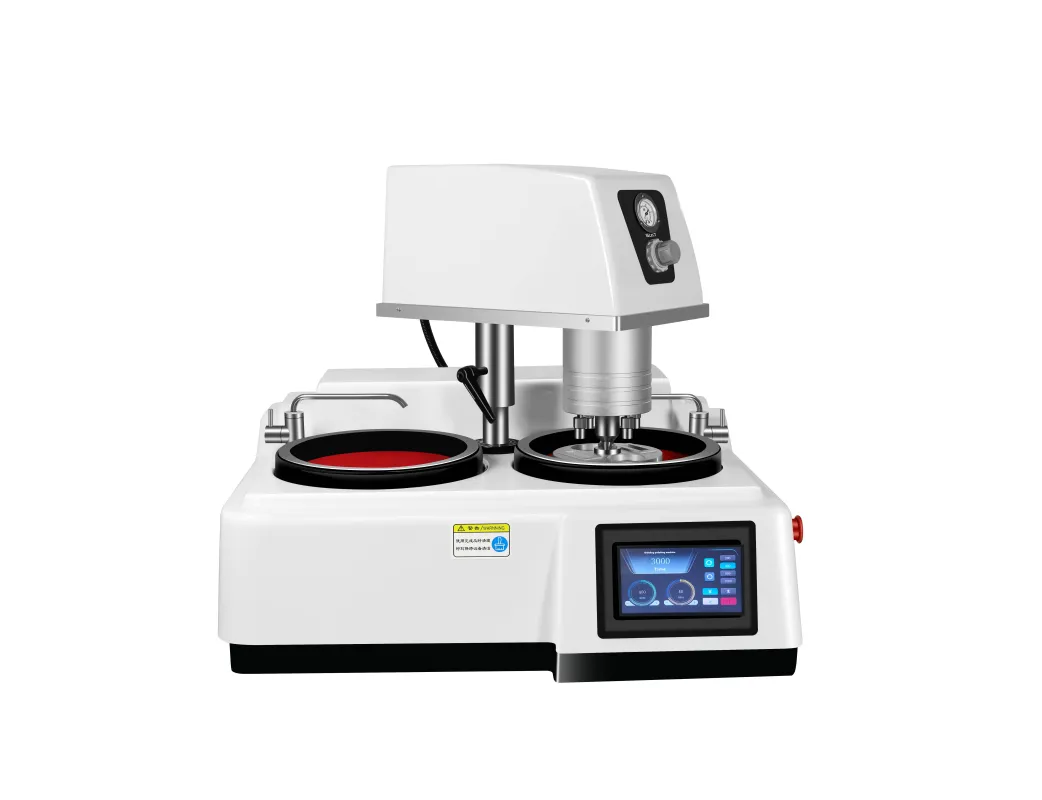
Through typical customer feedback and multi - environment test data, it can be clearly seen that fiberglass enclosures have stable performance in various complex environments. In laboratories with acid - base reagents, fiberglass enclosures can withstand long - term corrosion from chemicals. For example, a customer in a chemical laboratory reported that after using the fiberglass - enclosed P - 2T double - disc manual polishing machine for 3 years, there was no sign of corrosion on the enclosure, while the original plastic - enclosed machine had obvious corrosion after only 1 year of use.
In high - dust industrial environments, fiberglass enclosures can effectively resist dust erosion and scratches. A manufacturing plant found that the fiberglass enclosures of their polishing equipment maintained a good appearance and performance after 6 months of continuous operation in a high - dust environment, while the stainless - steel enclosures showed some wear and corrosion in the same period.
In environments that require frequent cleaning, fiberglass enclosures are also very suitable. They can be easily cleaned with common cleaning agents without being damaged. According to statistics, the maintenance frequency of fiberglass - enclosed equipment is 30% lower than that of plastic - enclosed equipment and 20% lower than that of stainless - steel - enclosed equipment.
It is recommended to clean the fiberglass enclosure at least once a week. Use a soft cloth and a neutral cleaning agent to wipe the surface gently. Avoid using sharp objects to scratch the surface, and do not use strong acid or alkali cleaning agents, as they may damage the surface of the fiberglass.
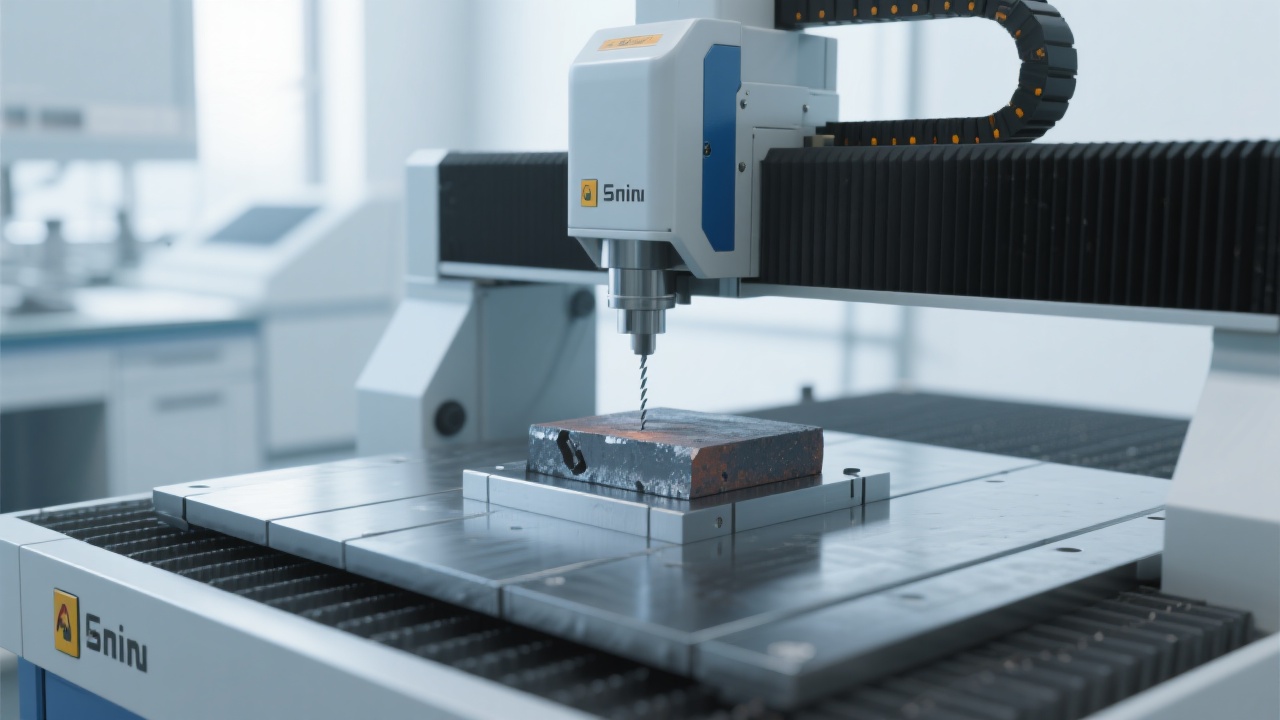
During the installation and use of the equipment, pay attention to avoid collisions with hard objects. If there are small scratches on the surface of the fiberglass, they can be repaired with a special fiberglass repair agent. Regular inspection of the surface of the enclosure can detect potential problems in time and take corresponding measures.
Our P - 2T double - disc manual polishing machine with a fiberglass enclosure is manufactured to international standards by the prestigious Jincheng brand. It offers reliable performance and durability. Click the button below to learn more!
Explore the P - 2T Polishing Machine Now! إعداد العينات المعدنية
آلة تلميع المعادن MP-2DE
تحليل العيوب الدقيقة
معيار ASTM E3-11
طحن وتلميع عالي الأداء
غلاف مكائن التلميع، متانة معدات التلميع الصناعية، مقاومة التآكل للأجهزة المختبرية، فيبرجلاس للمعدات الصناعية، مواد مقاومة للتآكل الصناعية
تقنية القطع الميتالوجرافي، مصداقية بيانات الأبحاث، نظام التبريد الذكي، جهاز SQ-60، تحضير العينات الدقيقة
اتساق العينة المعدنية
صيانة معدات الطحن والتلميع
توحيد إجراءات التحضير المعدني
تحسين قابلية تكرار تحضير العينات
استقرار معدات المختبر
صيانة جهاز طحن وتلميع،صيانة معدات المختبر،تمديد عمر معدات المختبر،طرق معايرة معدات المختبر،صيانة نظام التحكم في السرعة
إعداد العينات المعدنية
آلة تلميع المعادن MP-2DE
تحليل العيوب الدقيقة
معيار ASTM E3-11
طحن وتلميع عالي الأداء
غلاف مكائن التلميع، متانة معدات التلميع الصناعية، مقاومة التآكل للأجهزة المختبرية، فيبرجلاس للمعدات الصناعية، مواد مقاومة للتآكل الصناعية
تقنية القطع الميتالوجرافي، مصداقية بيانات الأبحاث، نظام التبريد الذكي، جهاز SQ-60، تحضير العينات الدقيقة
اتساق العينة المعدنية
صيانة معدات الطحن والتلميع
توحيد إجراءات التحضير المعدني
تحسين قابلية تكرار تحضير العينات
استقرار معدات المختبر
صيانة جهاز طحن وتلميع،صيانة معدات المختبر،تمديد عمر معدات المختبر،طرق معايرة معدات المختبر،صيانة نظام التحكم في السرعة